Coffee perfection isn’t luck—it’s a science. Whether you’re brewing espresso, pour-over, or French press, understanding what goes wrong helps you fix it fast and taste the difference immediately.

Every coffee enthusiast has experienced that disappointing moment when their carefully prepared cup doesn’t meet expectations. The good news? Most coffee problems have simple solutions once you understand the underlying causes. This comprehensive troubleshooting guide will transform your brewing skills and ensure consistently delicious results every single time you make coffee.
☕ Understanding the Foundation: What Makes Coffee Taste Good
Before diving into troubleshooting, you need to understand the fundamental elements that create exceptional coffee. The perfect cup depends on four critical variables: water quality, coffee freshness, grind size, and brewing technique. When these elements align harmoniously, you’ll extract the ideal balance of flavors from your beans.
Water comprises approximately 98% of your brewed coffee, making it the most significant ingredient. Using filtered water with balanced mineral content dramatically improves taste by eliminating chlorine and other contaminants that mask coffee’s natural flavors. The ideal water temperature ranges between 195-205°F (90-96°C), extracting optimal flavors without burning the grounds.
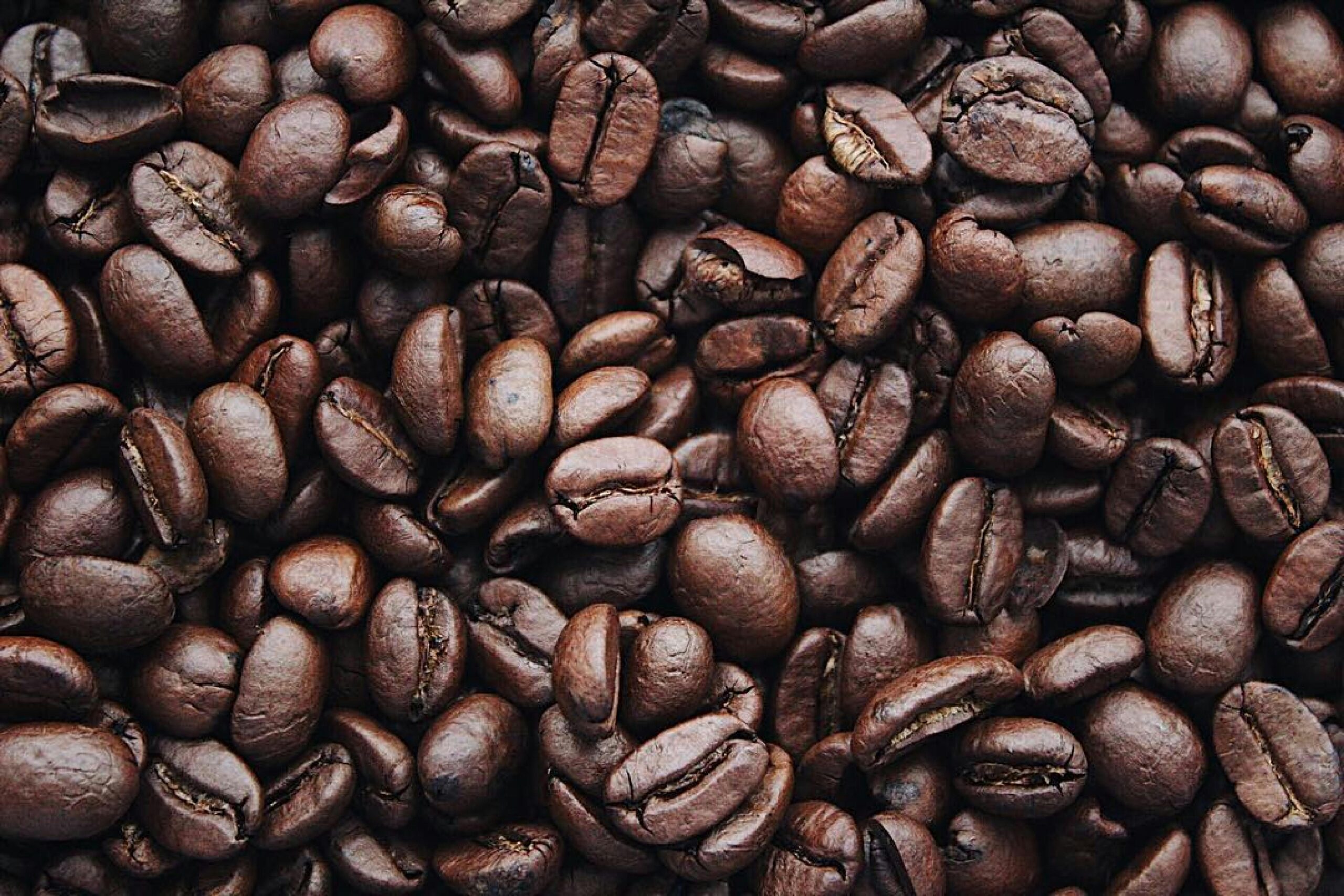
Coffee freshness directly impacts flavor complexity. Roasted beans reach peak flavor within 2-14 days after roasting, then gradually lose aromatic compounds. Ground coffee deteriorates even faster, losing significant flavor within 15 minutes of grinding. Always buy whole beans and grind immediately before brewing for maximum freshness and taste.
🔍 Diagnosing Common Coffee Problems
Your Coffee Tastes Bitter and Harsh
Bitter coffee indicates over-extraction, meaning water has pulled too many compounds from the grounds. This happens when water contacts coffee for too long, the grind is too fine, or the water temperature is too high. The solution involves adjusting your brewing parameters to reduce extraction time.
Start by checking your grind size—if it resembles powder, coarsen it to match the texture of table salt for drip coffee or sea salt for French press. Reduce brewing time by 30 seconds and see if bitterness decreases. If using boiling water, let it rest for 30 seconds before pouring to bring the temperature down to the optimal range.
Your Coffee Tastes Sour or Weak
Sour, acidic coffee signals under-extraction, meaning insufficient compounds have been extracted from the grounds. This occurs when water moves through coffee too quickly, the grind is too coarse, or the water temperature is too low. Under-extracted coffee lacks body and tastes thin or watery.
Fine your grind slightly—a finer grind increases surface area and slows water flow, allowing better extraction. Increase water temperature by ensuring your kettle reaches proper brewing temperature. Extend brewing time by 30-second intervals until you achieve balanced flavor. For pour-over methods, pour more slowly to increase contact time between water and grounds.
Your Coffee Has No Flavor or Complexity
Flat, lifeless coffee usually stems from stale beans, incorrect coffee-to-water ratio, or poor water quality. Check your bean roast date first—if it’s more than a month old, freshness has significantly declined. Invest in recently roasted beans from reputable roasters who print roast dates on packaging.
Verify your coffee-to-water ratio using a kitchen scale. The specialty coffee standard recommends 1:16 ratio (1 gram coffee to 16 grams water), though you can adjust between 1:15 and 1:17 based on taste preferences. Measuring by volume isn’t accurate because different beans have varying densities. Switch to filtered water if you’re currently using tap water with strong mineral flavors.
⚙️ Troubleshooting by Brewing Method
Espresso Machine Issues
Espresso presents unique challenges because it requires precision in every variable. If your shots pull too fast (under 20 seconds), they’ll taste sour and lack crema. Grind finer, use more coffee (18-20 grams for a double shot), or tamp with more pressure to slow extraction.
Shots pulling too slowly (over 35 seconds) taste bitter and astringent. Coarsen your grind, reduce your dose slightly, or tamp with less pressure. Inconsistent shots indicate channeling, where water finds paths of least resistance through the puck. Distribute grounds evenly before tamping and ensure your tamp is level.
Temperature instability causes erratic flavors. Run a blank shot before brewing to stabilize temperature, especially important for single-boiler machines. Descale your machine regularly to maintain consistent heating. Poor crema despite good flavor suggests stale beans—espresso requires very fresh coffee roasted within the past two weeks.
Pour-Over Problems
Pour-over methods like V60, Chemex, or Kalita Wave offer excellent control but require technique refinement. If water drains too quickly, your grind is too coarse or your pouring technique needs adjustment. Use a finer grind and pour in slow, controlled circles from the center outward, avoiding the filter edges.
Water pooling on top indicates too fine a grind or uneven pouring. Coarsen your grind slightly and ensure even saturation during the bloom phase. The bloom—that initial 30-second pause after adding twice the water weight of your coffee grounds—releases carbon dioxide and prepares grounds for even extraction.
Weak coffee from pour-over methods often results from insufficient agitation. During your pour, create gentle turbulence to ensure all grounds contact water evenly. Total brew time should fall between 2:30 and 3:30 minutes for most pour-over devices.
French Press Solutions
French press coffee should be rich and full-bodied without excessive sediment. Muddy, gritty coffee comes from grinding too fine. French press requires a coarse grind similar to breadcrumbs or coarse sea salt. This grind size prevents grounds from passing through the mesh filter.
If your French press coffee tastes bitter, you’re likely steeping too long. The standard recommendation is four minutes, but experiment between 3:30 and 4:30 to find your preference. Press slowly and steadily to avoid agitating settled grounds. Decant immediately after pressing to prevent continued extraction.
Weak French press coffee indicates too coarse a grind or insufficient coffee quantity. Use the 1:15 ratio as your starting point—that’s 30 grams of coffee for 450 grams of water. Ensure water temperature stays consistent by preheating your French press with hot water before brewing.
📊 The Coffee Troubleshooting Matrix
| Problem | Likely Cause | Solution |
|---|---|---|
| Bitter taste | Over-extraction | Coarsen grind, reduce brew time, lower temperature |
| Sour taste | Under-extraction | Fine grind, extend brew time, increase temperature |
| Weak body | Low coffee dose | Increase coffee-to-water ratio, check grind size |
| Excessive sediment | Grind too fine | Use coarser grind appropriate for method |
| Inconsistent results | Variable technique | Measure with scale, time extractions, standardize process |
| Flat flavor | Stale beans or poor water | Buy fresh beans, use filtered water |
🎯 Advanced Troubleshooting Techniques
The Systematic Adjustment Method
When troubleshooting coffee problems, change only one variable at a time. This scientific approach helps you identify exactly what affects your brew. Start with grind size because it has the most dramatic impact on extraction. Make small adjustments—moving your grinder setting by just one or two numbers can significantly alter results.
Document your experiments in a coffee journal or smartphone app. Record grind setting, coffee dose, water amount, temperature, brew time, and tasting notes. This data becomes invaluable for replicating successful brews and understanding what went wrong with unsuccessful ones.
Understanding Extraction Through Taste
Your palate is your most important troubleshooting tool. Under-extracted coffee emphasizes bright acidity and lacks sweetness or body. Over-extracted coffee showcases bitterness and astringency while masking origin characteristics. Perfectly extracted coffee balances acidity, sweetness, and body with clear flavor notes.
Train your palate by tasting the same coffee with intentional under-extraction and over-extraction. Brew one cup with half the recommended time and another with double the time. This exercise helps you recognize extraction problems instantly and adjust accordingly.
🛠️ Equipment Maintenance for Consistent Results
Grinder Care and Calibration
Your grinder might be your coffee setup’s most critical component. Dull burrs produce inconsistent particle sizes, leading to simultaneous under-extraction and over-extraction. Inspect burrs regularly and replace them according to manufacturer recommendations—typically after grinding 500-1000 pounds of coffee.
Clean your grinder weekly by running dedicated grinder cleaning pellets or white rice through it. Disassemble and brush out accumulated oils and fines monthly. Static and retention issues can be minimized by using the Ross Droplet Technique—spraying beans lightly with water before grinding.
Brewing Equipment Cleaning
Coffee oils accumulate on all brewing equipment, turning rancid and imparting off-flavors. Clean your French press, pour-over dripper, and coffee maker after every use with hot water and mild detergent. Deep clean weekly using specialized coffee equipment cleaner or a solution of equal parts water and white vinegar.
Descale espresso machines and automatic coffee makers every 2-3 months depending on water hardness. Mineral buildup restricts flow, causes temperature inconsistencies, and eventually damages heating elements. Follow manufacturer descaling instructions carefully to protect your investment.
💡 Pro Tips for Coffee Perfection
Water Quality Optimization
Not all filtered water is equal. Reverse osmosis water lacks minerals necessary for proper extraction and tastes flat. Spring water varies dramatically in mineral content. The ideal brewing water contains 150mg/L total dissolved solids with balanced calcium and magnesium.
Third Wave Water and similar products add precise mineral blends to distilled water, creating perfect brewing water. Alternatively, test your filtered water’s TDS using an inexpensive meter and adjust accordingly. This level of attention separates good coffee from exceptional coffee.
Storage Best Practices
Oxygen, light, moisture, and heat degrade coffee quality. Store beans in an opaque, airtight container at room temperature away from heat sources. Avoid refrigeration—condensation damages beans. Freezing works for long-term storage if you vacuum-seal beans and thaw them completely before opening.
Buy coffee in quantities you’ll consume within two weeks for peak freshness. Many specialty roasters offer subscription services delivering freshly roasted beans on your preferred schedule, ensuring you always have prime coffee available.
🎨 Dialing In Your Perfect Cup
The concept of “dialing in” comes from espresso culture but applies to all brewing methods. It means systematically adjusting variables until you achieve your ideal flavor profile. Start with recommended parameters, then make micro-adjustments based on taste.
Remember that different coffees require different parameters. A light roast Ethiopian coffee needs different extraction than a dark roast Brazilian blend. Embrace experimentation—there’s no single “correct” way to brew coffee, only preferences and principles.
🌟 Recognizing When You’ve Nailed It
Perfect coffee exhibits balance between acidity, sweetness, and body. You should taste distinct origin characteristics—fruit notes in Ethiopian beans, chocolate in Colombian coffee, or nutty flavors in Brazilian varieties. The aftertaste should be pleasant and lingering, not bitter or astringent.
Temperature matters even after brewing. Coffee tastes different at various temperatures as different compounds become perceptible. Let your coffee cool slightly from scalding hot to warm—many subtle flavors emerge around 140-160°F that are masked at higher temperatures.
🚀 Taking Your Coffee Skills Further
Mastering coffee is a continuous journey of refinement and discovery. Join online coffee communities, watch brewing tutorials, and consider taking formal courses through organizations like the Specialty Coffee Association. Attend local cupping sessions to develop your palate and learn from experienced coffee professionals.
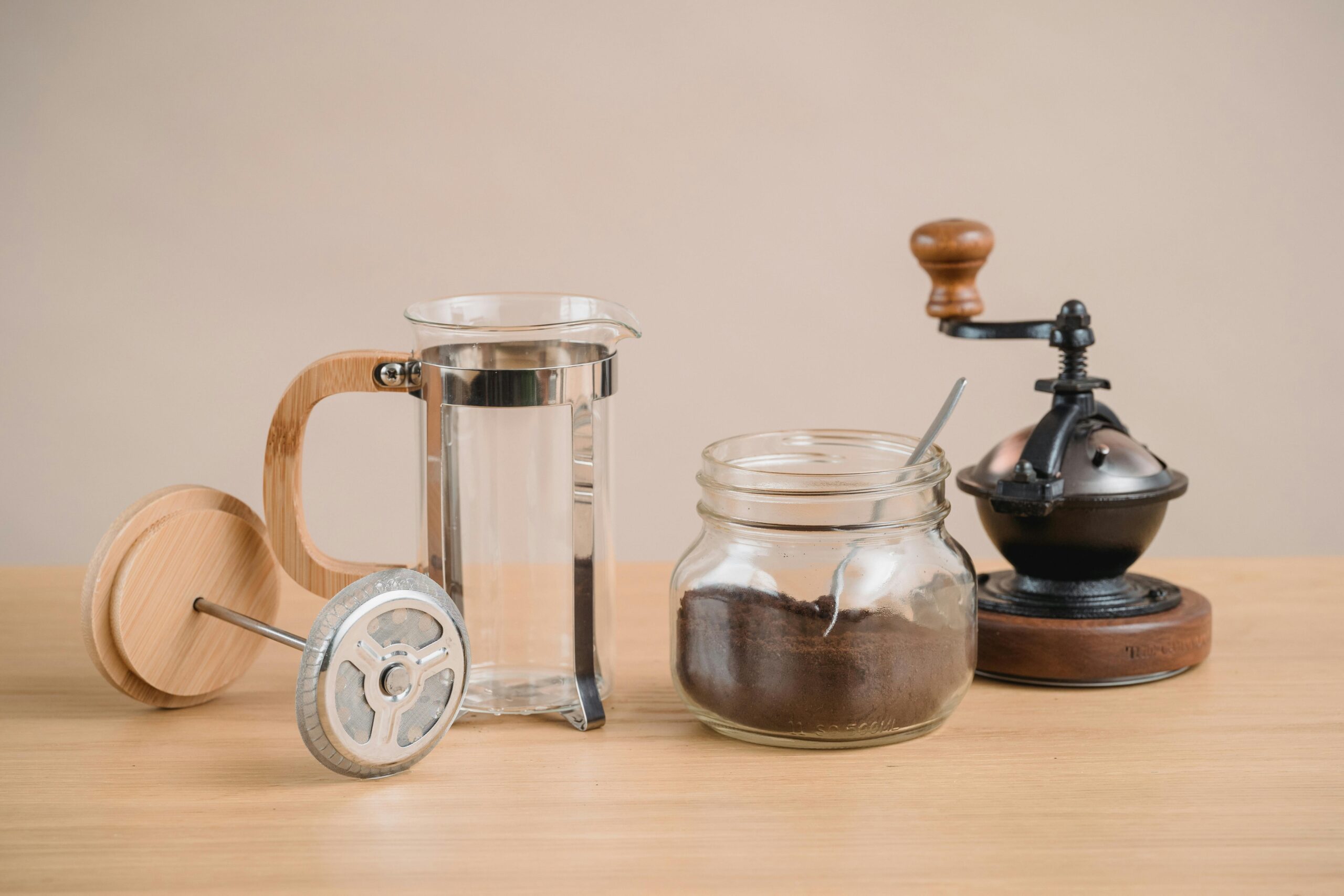
Invest in quality equipment gradually as your interest deepens. A reliable burr grinder and accurate scale provide more improvement than expensive brewing devices. Focus on technique and understanding before upgrading equipment—skilled brewers create exceptional coffee with modest tools.
The ultimate troubleshooting tool is patience combined with curiosity. Every “failed” cup teaches you something valuable about extraction, flavor, and your personal preferences. With this comprehensive roadmap and systematic approach, you’ll consistently brew coffee that rivals your favorite café—and you’ll understand exactly why it tastes so good.