Discovering the perfect balance in your coffee, tea, or espresso can transform your daily routine from ordinary to extraordinary. The TDS (Total Dissolved Solids) strength perception chart is your secret weapon for achieving consistently delicious beverages.

Whether you’re a home brewing enthusiast or a professional barista, understanding how strength and extraction interact can elevate your beverage game significantly. This comprehensive guide will unlock the mysteries behind flavor profiles and help you dial in your perfect cup every single time.
☕ What Exactly is TDS and Why Should You Care?
Total Dissolved Solids (TDS) represents the concentration of soluble compounds extracted from coffee, tea, or other beverages into water. Measured as a percentage, TDS indicates how much “stuff” from your brewing material has dissolved into your cup. For coffee, this typically ranges between 1.15% to 1.55%, though preferences vary widely across cultures and individual tastes.
TDS measurement provides objective data about your beverage’s strength. Unlike subjective taste assessments, TDS readings give you reproducible numbers that help maintain consistency. When you find that perfect cup, knowing its TDS allows you to recreate it reliably, eliminating the guesswork from your brewing process.
The beauty of TDS measurement lies in its universal application. Whether you’re brewing filter coffee, pulling espresso shots, or steeping premium tea, understanding dissolved solids concentration helps you communicate about flavor more precisely. Professional baristas use this metric to standardize quality across multiple locations and brewing sessions.
🎯 Understanding the TDS Strength Perception Chart
The TDS strength perception chart maps the relationship between extraction percentage and brew strength. This two-dimensional graph creates zones that indicate whether your beverage is under-extracted, over-extracted, or perfectly balanced. The horizontal axis typically shows extraction yield (18-24% for coffee), while the vertical axis displays TDS concentration.
The chart divides into distinct flavor zones that describe sensory experiences. The “ideal” zone represents balanced extraction with pleasant strength, while areas outside this zone indicate potential flavor problems. Under-extracted beverages taste sour, grassy, or weak, while over-extracted ones become bitter, harsh, or astringent.
Reading this chart becomes intuitive with practice. By plotting your TDS measurement against your extraction percentage, you can diagnose exactly what adjustments your brewing needs. This visual tool transforms abstract concepts into actionable brewing modifications that directly improve your cup quality.
The Sweet Spot Zone 🎪
The optimal zone on the TDS chart isn’t a single point but rather a range that accommodates personal preferences. For standard coffee brewing, this typically falls between 1.15-1.35% TDS with 18-22% extraction. Within this zone, you’ll find balanced sweetness, appropriate acidity, and pleasant bitterness without overwhelming flaws.
Different beverages have different sweet spots. Espresso typically operates at much higher TDS levels (8-12%) due to its concentrated nature, while cold brew might sit lower (1.0-1.5%) but with extended extraction times. Understanding these variations helps you apply the chart appropriately across different brewing methods.
📊 How to Measure TDS in Your Beverages
Measuring TDS requires a refractometer, a device that measures how light bends through your beverage. Digital refractometers designed for coffee and tea provide quick, accurate readings within seconds. Simply place a few drops on the measurement surface, and the device calculates TDS percentage automatically.
For accurate measurements, temperature matters significantly. Most refractometers are calibrated for specific temperatures, usually around 20°C (68°F). Allow your sample to cool slightly before measuring, or use a refractometer with automatic temperature compensation to ensure reliable readings regardless of beverage temperature.
Professional-grade refractometers can cost between $100-$500, but entry-level options are available for home enthusiasts around $30-$80. The investment pays dividends in consistency and quality improvement, especially if you’re brewing specialty coffee or operating a café where standardization matters.
Calculating Extraction Percentage 🧮
Extraction percentage indicates how much soluble material you’ve removed from your coffee or tea. Calculate it using this formula: (Brew weight × TDS) ÷ Dry coffee weight × 100. For example, if you brew 300g of coffee with 1.30% TDS using 20g of grounds: (300 × 0.013) ÷ 20 × 100 = 19.5% extraction.
This calculation reveals whether you’ve extracted too little, too much, or just right. Combined with your TDS measurement, you can precisely locate your position on the strength perception chart and determine which brewing parameter needs adjustment for optimization.
🔧 Adjusting Your Brewing Based on Chart Position
Once you’ve plotted your beverage on the TDS chart, making corrections becomes straightforward. If you’re in the weak and under-extracted zone (low TDS, low extraction), you need to extract more from your grounds. Increase contact time, use finer grinding, raise water temperature, or increase agitation during brewing.
For strong but under-extracted beverages (high TDS, low extraction), you’re using too much coffee relative to water without extracting it properly. Reduce your coffee dose or increase water volume to achieve better balance. This scenario often produces sour, salty flavors despite appearing strong on the palate.
Over-extracted weak beverages (low TDS, high extraction) suggest you’re using too little coffee for too long. Increase your dose or shorten brew time to correct this issue. Over-extracted strong beverages need coarser grinding, lower temperatures, or shorter contact times to pull back from harsh bitterness.
Variable Control Strategy 🎛️
The key brewing variables you can adjust include grind size, water temperature, brew time, coffee-to-water ratio, and agitation. Change only one variable at a time to understand its individual impact. This methodical approach prevents confusion and helps you develop intuitive understanding of how each factor influences your final cup.
Grind size has the most dramatic impact on extraction. Finer grounds increase surface area and extraction rate, while coarser grounds slow extraction. Water temperature affects solubility—higher temperatures extract faster and more completely, but can also emphasize bitter compounds if taken too far.
☕ Practical Applications Across Different Brewing Methods
Pour-over brewing benefits enormously from TDS measurement and chart analysis. The manual control over pour rate, pattern, and timing allows precise adjustment based on your readings. If your V60 is producing weak, sour coffee at 1.0% TDS and 16% extraction, grinding finer or extending brew time will move you toward the ideal zone.
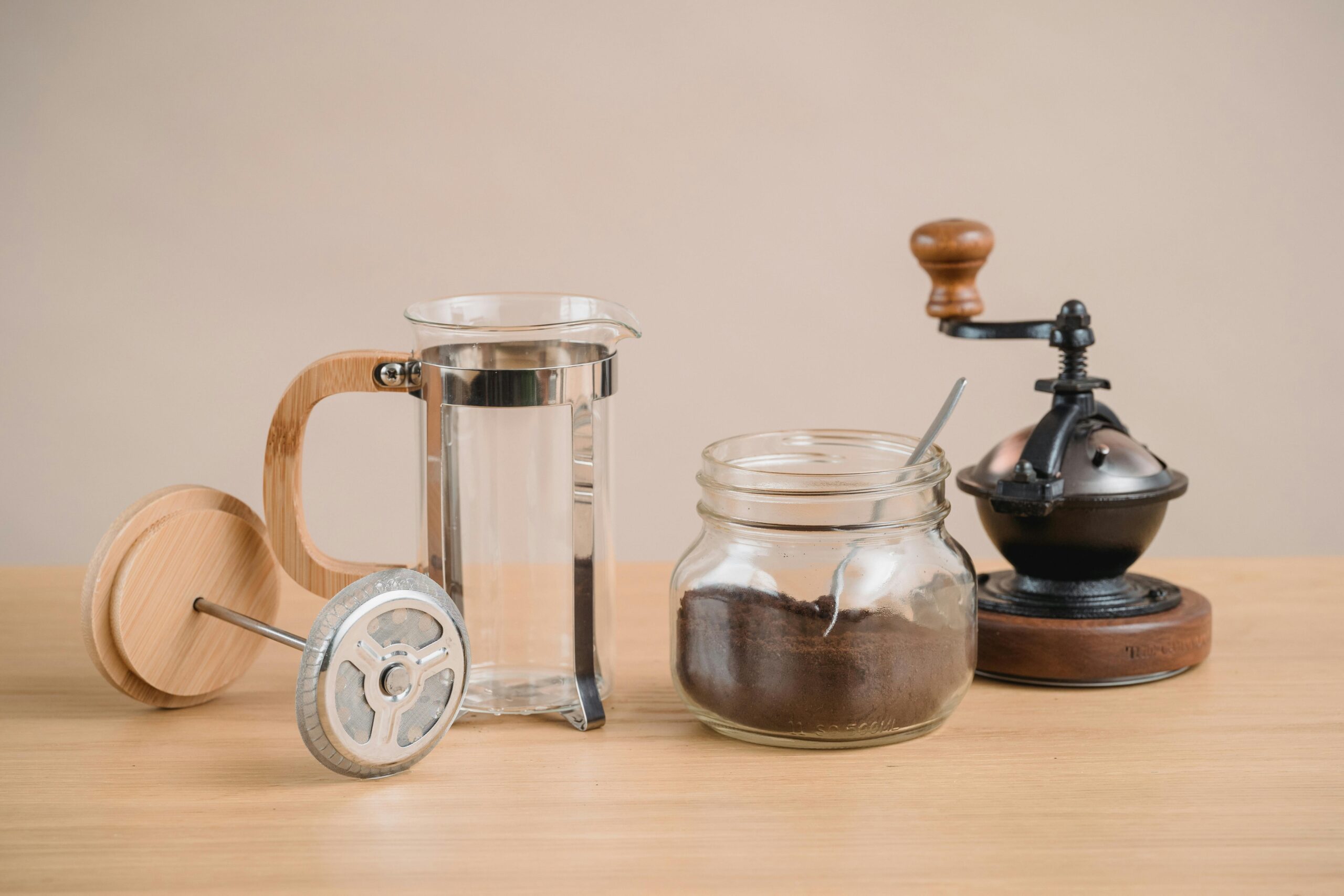
French press brewing typically operates at lower temperatures with longer immersion times. Target TDS around 1.30-1.45% with 20-22% extraction. If your press coffee tastes muddy and bitter, you’re likely over-extracting—try coarser grinding or shorter steeping times (3-4 minutes instead of 5-6).
Espresso represents the extreme end of the spectrum with very high TDS (8-12%) and moderate extraction (18-22%). Small adjustments have massive impacts here. A half-second difference in shot time or one-gram change in dose can shift flavors dramatically. The TDS chart helps diagnose whether channeling, temperature instability, or dose issues are affecting quality.
Cold Brew Considerations ❄️
Cold brew operates under completely different parameters. Extended extraction times (12-24 hours) at low temperatures produce different compound profiles than hot brewing. Target TDS typically ranges from 1.0-2.5% depending on whether you’re brewing concentrate or ready-to-drink beverages. The chart still applies, but optimal zones shift slightly toward higher extraction percentages.
🍵 Beyond Coffee: Tea and Other Beverages
While the TDS strength perception chart originated in coffee culture, its principles apply universally to tea brewing. Green tea typically targets lower TDS (0.8-1.2%) and extraction percentages (15-18%) to avoid excessive astringency and bitterness. Black tea can handle higher levels (1.2-1.6% TDS) similar to coffee.
Tea presents unique challenges because different cultivars, processing methods, and leaf grades require different approaches. Oolong teas might be brewed multiple times with progressively longer steeping, each infusion producing different TDS levels. Tracking these measurements helps you understand how flavors develop across successive brews.
Specialty applications extend to cocktails, kombucha, and other crafted beverages where extraction and strength balance matter. Understanding dissolved solids concentration helps bartenders create consistent products and diagnose issues when flavors drift from specifications.
📱 Digital Tools and Apps for Tracking
Several smartphone applications help brewers log TDS measurements, calculate extraction percentages, and track recipes over time. These digital companions transform raw data into actionable insights through charts, graphs, and brewing recommendations based on your measurements.
Most brewing apps integrate with refractometer readings, allowing quick input and immediate feedback on where your brew sits relative to ideal zones. Some applications provide recipe databases, timer functions, and even video tutorials that explain how to interpret your results and adjust variables accordingly.
Serious home brewers and professionals benefit from apps that track trends over time. By logging every brew session, you can identify patterns in your technique, understand how seasonal changes affect water chemistry, and maintain consistency even when switching between different coffee origins or roast profiles.
🎓 Training Your Palate with Objective Data
The TDS strength perception chart serves as an educational bridge between objective measurement and subjective experience. By consistently measuring your beverages and noting your sensory impressions, you develop calibrated taste recognition. Over time, you’ll identify under-extraction or over-extraction by flavor alone, without needing instrumentation.
Triangulation tastings enhance this learning process. Brew three samples with deliberate differences—one under-extracted, one optimal, one over-extracted—while measuring each. Blind tasting these samples trains your sensory system to recognize quality indicators and defects associated with different chart positions.
Professional calibration sessions use this methodology to align tasting panels. When everyone understands how specific TDS and extraction combinations taste, quality control becomes more consistent and communication about flavor becomes more precise across teams and locations.
Building Sensory Memory 🧠
Developing flavor recognition takes dedicated practice. Create reference samples at different chart positions and revisit them regularly. Your brain builds neural pathways that associate specific taste sensations with extraction levels, eventually making chart position recognition automatic and intuitive.
💡 Troubleshooting Common Issues
Inconsistent measurements often stem from improper sampling technique. Always stir your beverage thoroughly before testing to ensure uniform concentration throughout. Take multiple readings and average them to account for refractometer variability and measurement error.
If your measurements place you in the ideal zone but the coffee still tastes off, consider factors beyond extraction. Water chemistry, coffee freshness, roast quality, and storage conditions all impact flavor independent of TDS and extraction. The chart is powerful but not omnipotent—it works best when other variables are controlled.
Persistent extraction problems might indicate equipment issues. Scale buildup in espresso machines, inconsistent grinder performance, or incorrect water temperature can prevent proper extraction regardless of recipe adjustments. Regular maintenance and calibration ensure your equipment performs as expected.
🌟 Advanced Techniques for Enthusiasts
Water chemistry dramatically influences extraction and flavor. Minerals act as carriers for flavor compounds, but too much or too little affects extraction efficiency and taste. Ideal brewing water contains 50-175 ppm total dissolved solids with appropriate calcium and magnesium balance. Testing and adjusting your water composition can unlock improvements impossible through brewing technique alone.
Experimentation with pre-infusion, bloom timing, and pulse pouring patterns offers advanced control over extraction dynamics. These techniques affect how evenly water saturates grounds and how consistently extraction occurs throughout the coffee bed. TDS measurements reveal whether these refinements actually improve balance or merely add complexity without benefit.
Professional baristas sometimes intentionally brew outside the ideal zone to create specific flavor profiles. An intentionally under-extracted, bright coffee might highlight fruit-forward acids in certain single-origin beans. Understanding the chart allows purposeful deviation when artistic vision demands it, rather than accidental poor extraction.
🔬 The Science Behind Solubility
Coffee and tea contain hundreds of soluble compounds that extract at different rates and temperatures. Organic acids and simple sugars dissolve early in brewing, providing brightness and sweetness. Later extraction pulls out more complex carbohydrates, chlorogenic acids, and eventually bitter alkaloids and tannins.
This sequential extraction explains why timing matters so critically. Stop too early, and you miss desirable sweetness and body. Continue too long, and harsh bitterness overwhelms pleasant flavors. The TDS chart helps you find the temporal sweet spot where maximum desirable compounds have dissolved without excessive undesirable ones.
Temperature affects not just extraction speed but compound selectivity. Higher temperatures preferentially extract certain bitter compounds, while lower temperatures favor acids and sugars. This explains why cold brew tastes fundamentally different from hot brew even at similar TDS levels—different compounds dominate the flavor profile.
🎯 Creating Your Personal Reference Chart
While standard TDS charts provide excellent guidelines, developing your personal preference map adds another dimension to brewing mastery. Plot multiple brews according to your taste preferences rather than theoretical ideals. You might discover you consistently prefer slightly higher or lower TDS than standard recommendations suggest.
Document not just measurements but contextual details—origin, roast date, roast level, water composition, and brewing method. These variables interact with TDS and extraction in complex ways. Your personal database becomes an invaluable reference that speeds recipe development and troubleshooting.
Share your findings with fellow enthusiasts online or in local coffee communities. Comparing personal preference maps reveals fascinating differences in taste perception and preference. What tastes perfectly balanced to one person might seem weak or strong to another—the chart provides common language for these subjective discussions.

✨ Achieving Perfect Beverage Balance
Mastery of the TDS strength perception chart transforms brewing from guesswork into precision craft. By understanding where your beverages sit on the extraction and strength spectrum, you gain control over flavor outcomes that seemed mysterious before. The chart demystifies quality, making excellence reproducible and teachable.
Remember that the chart is a tool, not a tyrant. Personal preference always trumps theoretical ideals. Some people genuinely prefer stronger or weaker beverages than standard recommendations suggest. Use the chart to understand what you’re tasting and why, then adjust toward your individual preferences with confidence.
Consistent practice with measurement and adjustment develops intuitive brewing skills that eventually transcend the need for constant testing. The chart trains your palate and technique until you can produce excellent beverages by feel, sight, and taste alone, with measurements serving only as occasional confirmation rather than constant necessity.
The journey toward perfect beverage balance never truly ends. Coffee and tea origins change seasonally, your palate evolves with experience, and new brewing technologies offer fresh possibilities. The TDS strength perception chart remains your constant companion through these changes, providing objective reference points as you continue refining your craft and exploring new flavor territories. 🚀