Every coffee lover knows the disappointment of brewing a cup that tastes off—too sour, excessively bitter, or just lacking that perfect balance you crave.

Understanding the science and art behind coffee extraction is the key to consistently brewing exceptional coffee at home. Whether you’re using a French press, pour-over, espresso machine, or drip coffee maker, the principles of achieving balanced flavor remain remarkably consistent. The journey from bitter disappointment to perfectly balanced bliss requires knowledge of variables like grind size, water temperature, brewing time, and coffee-to-water ratios.
🔬 Understanding Coffee Extraction: The Foundation of Flavor
Coffee extraction is the process of dissolving soluble compounds from ground coffee beans into water. When water contacts coffee grounds, it extracts various flavor compounds in a specific order. First come the acids and fruity notes, then the sweet and balanced flavors, and finally the bitter compounds.
The goal is to extract approximately 18-22% of the coffee’s mass, which represents the sweet spot where you capture the desirable flavors while leaving behind the unpleasant ones. Under-extraction results in sour, acidic coffee that lacks body and sweetness. Over-extraction produces bitter, astringent coffee with unpleasant dry aftertastes.
The Extraction Timeline
Understanding what extracts when helps you diagnose flavor problems. During the first 30 seconds to 1 minute, acids and bright, fruity notes dissolve into your brew. Between 1-3 minutes, you extract sugars, caramels, and balanced flavors. Beyond 4 minutes, bitter compounds and astringent tannins begin dominating the cup.
☕ Diagnosing Sour Coffee: When Under-Extraction Strikes
Sour coffee is the hallmark of under-extraction. When your coffee tastes uncomfortably acidic, sharp, or reminiscent of unripe fruit, you haven’t extracted enough of the desirable compounds to balance the naturally occurring acids in coffee beans.
Primary Causes of Sour Coffee
Grind size that’s too coarse is the most common culprit behind sour coffee. When grounds are too large, water flows through too quickly, contacting insufficient surface area to extract balanced flavors. The result is a thin, acidic brew that lacks sweetness and body.
Water temperature below 195°F (90°C) significantly slows extraction. Cold or lukewarm water simply cannot dissolve coffee compounds efficiently, leaving you with sour, underdeveloped flavors regardless of other variables.
Insufficient brew time doesn’t give water enough contact with coffee grounds. Rushing your pour-over or using too quick a brewing cycle prevents proper extraction of the sweet, balanced compounds that neutralize acidity.
Using too little coffee relative to water spreads your grounds too thin. Even with proper grind size and temperature, insufficient coffee density means inadequate extraction throughout your brew bed.
Solutions for Sour Coffee ✅
- Grind finer to increase surface area and slow water flow through the coffee bed
- Increase water temperature to 195-205°F (90-96°C) for optimal extraction
- Extend brew time by pouring slower or using a longer brewing cycle
- Increase your coffee dose while maintaining the same water volume
- Ensure your coffee is fresh; stale coffee can taste sour despite proper brewing
- Check that your water isn’t too soft, as minerals aid in extraction
😣 Tackling Bitter Coffee: The Over-Extraction Problem
Bitter coffee represents the opposite extreme—over-extraction. When your brew tastes harsh, astringent, or leaves a dry sensation in your mouth, you’ve extracted too many compounds, including the undesirable bitter ones that should remain in the grounds.
What Makes Coffee Bitter
Grinding too fine creates excessive surface area and restricts water flow. This forces prolonged contact between water and coffee, extracting bitter tannins and harsh compounds that overwhelm the cup’s balance.
Excessively hot water above 205°F (96°C) accelerates extraction beyond ideal levels. This strips everything from the coffee grounds, including compounds that contribute bitterness and astringency.
Over-extended brewing time allows water to continue extracting long after the desirable compounds have dissolved. This is especially problematic with immersion methods like French press when you forget to plunge promptly.
Using too much coffee in relation to water creates an overly dense bed where water moves too slowly, resulting in prolonged extraction times that pull bitter compounds into your cup.
Fixing Bitter Coffee 🔧
- Grind coarser to reduce surface area and speed water flow
- Lower water temperature to 195-200°F (90-93°C) range
- Shorten brew time by pouring faster or using a quicker cycle
- Reduce your coffee dose or increase water volume
- Avoid leaving brewed coffee on a hot plate, which creates burnt, bitter flavors
- Clean your equipment regularly; old coffee oils turn rancid and bitter
- Consider your coffee’s roast level; dark roasts are naturally more bitter
⚖️ The Variables That Control Your Brew
Achieving consistently balanced coffee requires understanding how to manipulate five key variables. Each affects extraction rate and final flavor profile, and they interact with each other in complex ways.
Grind Size: Your Most Powerful Tool
Grind size determines surface area and water flow rate simultaneously. Finer grinds increase extraction by exposing more coffee surface to water and slowing flow. Coarser grinds do the opposite. This variable offers the most dramatic impact on flavor with the smallest adjustment.
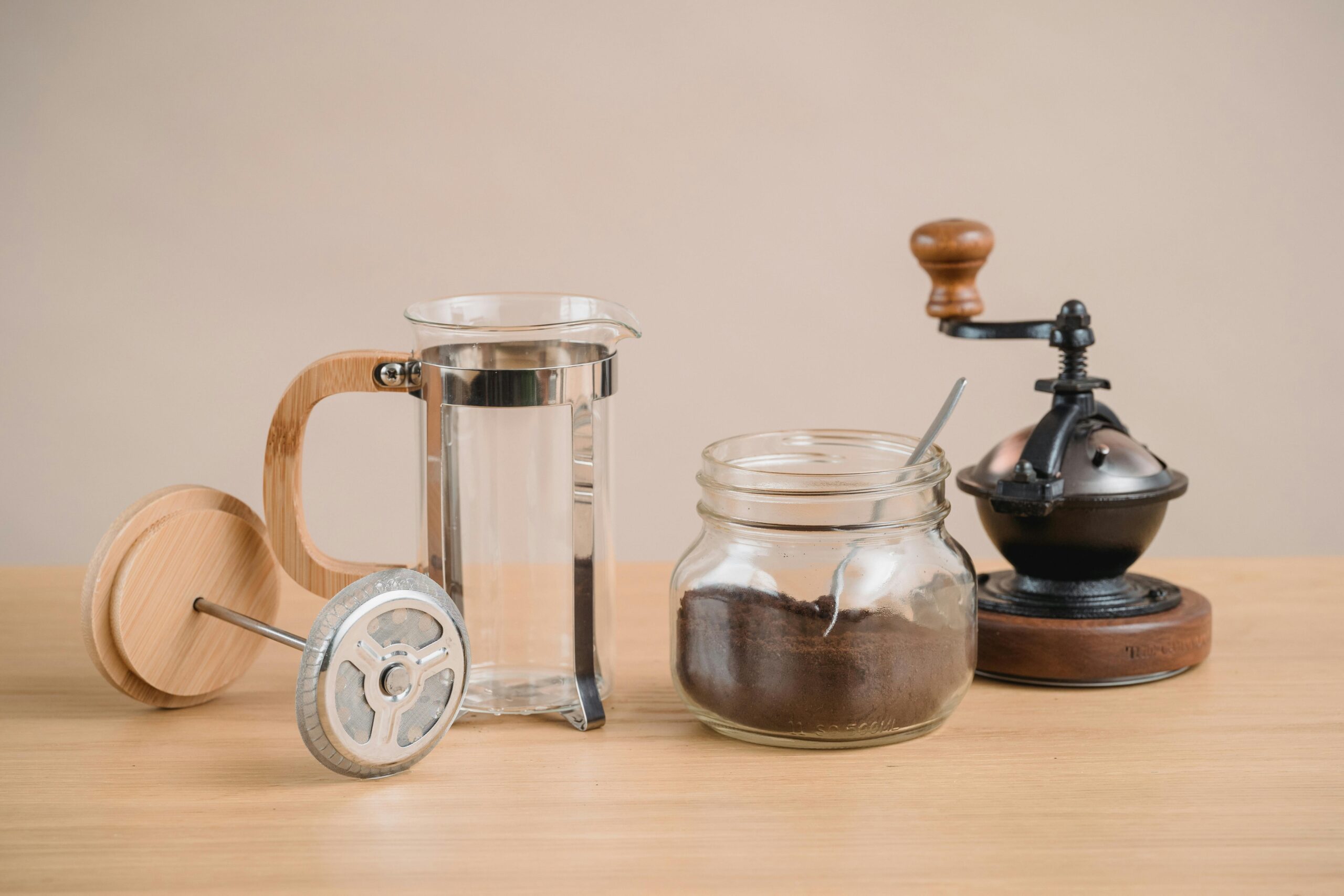
Different brewing methods require different grind sizes as a starting point. Espresso demands very fine grounds, pour-over needs medium-fine, drip coffee works with medium, and French press requires coarse grinding. These aren’t arbitrary—they’re matched to each method’s extraction dynamics.
Water Temperature: The Extraction Engine
Temperature directly affects how quickly and completely compounds dissolve from coffee grounds. The ideal range of 195-205°F (90-96°C) represents a balance between extraction efficiency and selectivity. Within this range, you can adjust temperature to fine-tune flavor.
Lower temperatures within the range (195-198°F) emphasize clarity and can reduce bitterness, making them ideal for light roasts. Higher temperatures (200-205°F) boost extraction and body, working better for medium and dark roasts that need more coaxing to release their flavors.
Brew Time: The Duration Factor
Time controls how long water contacts coffee grounds. Different methods have different ideal times: espresso takes 25-30 seconds, pour-over typically runs 2.5-3.5 minutes, drip coffee needs 4-6 minutes, and French press steeps for 4 minutes.
These times aren’t rigid rules but rather starting points. Adjust them based on taste, understanding that longer times increase extraction (risking bitterness) while shorter times decrease it (risking sourness).
Coffee-to-Water Ratio: The Foundation
The ratio of coffee to water affects extraction density and final strength. A standard starting point is 1:16 (1 gram of coffee per 16 grams of water), equivalent to roughly 2 tablespoons per 6 ounces.
Stronger ratios like 1:15 increase extraction by creating a denser coffee bed, while weaker ratios like 1:17 reduce it. Strength and extraction are related but distinct—you can have strong but under-extracted coffee or weak but over-extracted coffee.
Water Quality: The Forgotten Variable
Water comprises 98% of your coffee, making its quality crucial. Minerals in water facilitate extraction, so distilled or very soft water produces flat, under-extracted coffee. Conversely, hard water with excessive minerals can over-extract and add unpleasant flavors.
Ideal brewing water contains 50-175 ppm total dissolved solids with balanced mineral content. If your tap water tastes good plain, it likely makes good coffee. If not, filtered water usually improves results significantly.
📊 Troubleshooting Table: Quick Reference Guide
| Problem | Likely Cause | Solution |
|---|---|---|
| Sour, acidic taste | Under-extraction | Grind finer, increase temperature, extend brew time |
| Bitter, harsh taste | Over-extraction | Grind coarser, lower temperature, shorten brew time |
| Weak, watery coffee | Insufficient coffee dose | Increase coffee-to-water ratio |
| Muddy, sludgy texture | Too fine grind | Grind coarser, check filter integrity |
| Flat, dull flavor | Stale coffee or poor water | Use fresher beans, improve water quality |
| Inconsistent results | Variable technique | Measure everything, maintain consistent process |
🎯 Method-Specific Troubleshooting Tips
Pour-Over Perfection
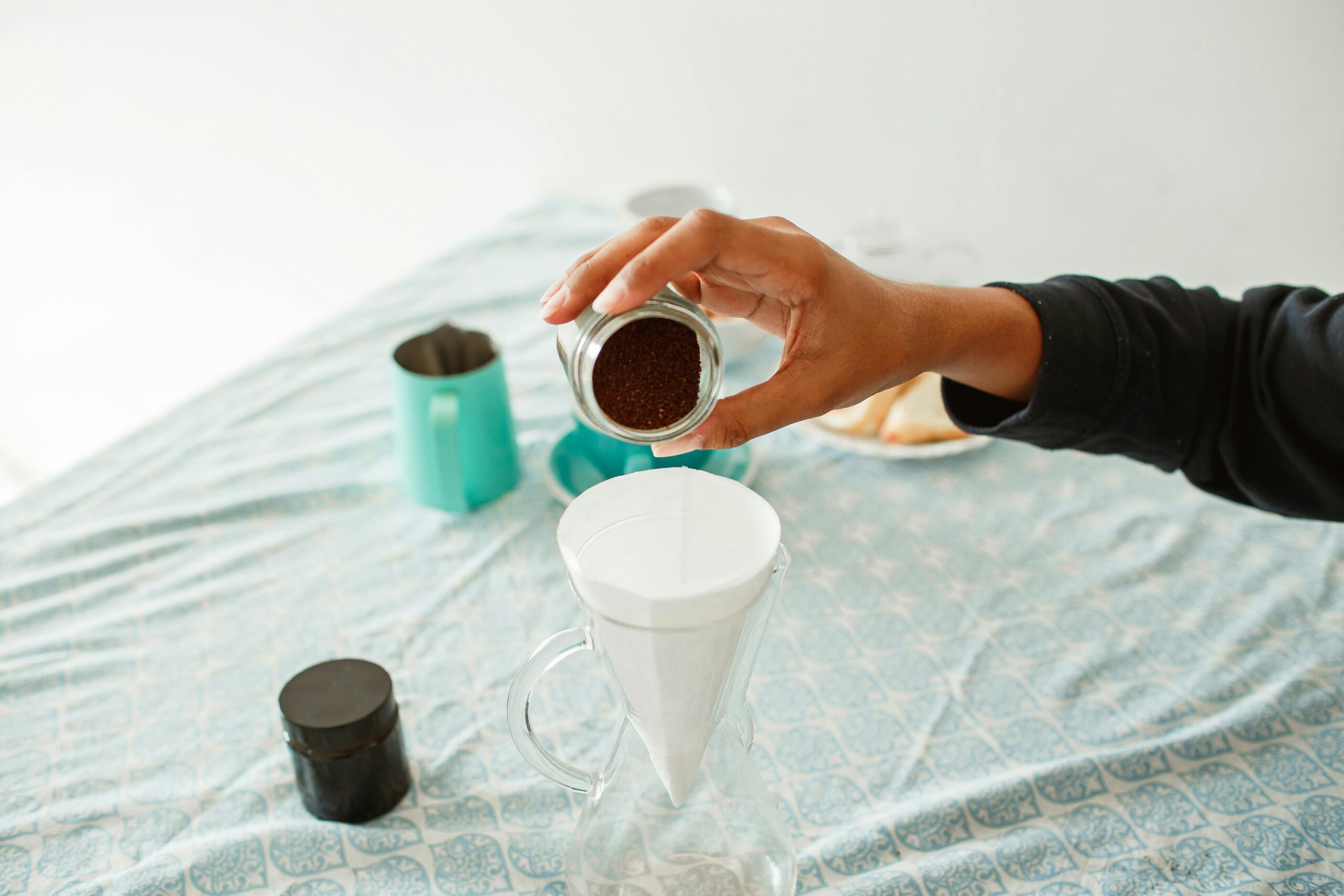
Pour-over methods like Chemex, V60, and Kalita Wave offer exceptional control but demand technique. If your pour-over tastes sour, you’re likely pouring too quickly or your grind is too coarse. Slow down your pour to extend contact time and grind slightly finer.
For bitter pour-over coffee, you might be pouring too slowly or grinding too fine, creating channeling where water finds paths of least resistance. Grind coarser and pour in steady, circular motions to ensure even extraction across the coffee bed.
French Press Fundamentals
French press coffee commonly suffers from over-extraction because people forget the brewing doesn’t stop until you pour. Once your four-minute steep finishes, plunge and pour immediately. Leaving coffee sitting with the grounds continues extraction, guaranteeing bitterness.
If your French press tastes sour despite the full steep time, your grind is probably too coarse. French press requires coarse grounds, but not extremely coarse—think coarse sea salt rather than rock salt.
Espresso Excellence
Espresso concentrates everything, making small errors obvious. Sour espresso that pulls too quickly (under 20 seconds) needs a finer grind to increase resistance. Bitter espresso that pulls too slowly (over 35 seconds) requires coarser grinding to reduce resistance.
Temperature stability matters enormously for espresso. If shots taste sour despite good timing, increase temperature a few degrees. If they’re harsh despite proper flow, lower temperature slightly.
Drip Coffee Considerations
Automatic drip coffee makers offer less control, but you can still troubleshoot effectively. If coffee tastes sour, grind finer and ensure your machine reaches proper temperature—cheap machines often brew too cool.
Bitter drip coffee usually results from leaving the pot on the warming plate too long, which cooks the coffee and creates burnt, bitter flavors. Brew into a thermal carafe or transfer immediately after brewing.
🌟 Advanced Techniques for Exceptional Balance
The Bloom: Unlocking Fresh Coffee Potential
Blooming involves wetting coffee grounds with a small amount of water and waiting 30-45 seconds before continuing your brew. This allows freshly roasted coffee to release trapped CO2 gases that otherwise impede even water penetration and extraction.
Use roughly twice as much water as coffee weight for the bloom. This simple step significantly improves extraction evenness, particularly with lighter roasts and very fresh coffee.
Pulse Pouring for Control
Instead of continuous pouring, try pulse pouring—adding water in stages with brief pauses between. This technique gives you finer control over extraction by manipulating the coffee bed’s height and water flow dynamics throughout the brew.
Pulse pouring works exceptionally well when dialing in a new coffee. It allows you to extend total brew time without over-extracting because the pauses give the bed time to drain and reset.
Temperature Profiling
Advanced brewers sometimes vary water temperature during a single brew. Starting with higher temperature and finishing cooler can maximize extraction of desirable compounds while minimizing bitter ones that extract more readily at high temperatures.
💡 The Role of Fresh, Quality Coffee
Even perfect technique cannot compensate for stale or low-quality coffee. Coffee peaks 7-21 days after roasting and gradually loses complexity and develops stale, flat, or even sour flavors as it ages.
Look for roast dates on bags and use coffee within a month of roasting for best results. Store beans in an airtight container away from light, heat, and moisture. Never refrigerate or freeze coffee—temperature fluctuations create condensation that damages beans.
Origin, processing method, and roast level all impact flavor profile and optimal brewing approach. Light roasts emphasize acidity and origin character, requiring careful extraction to avoid sourness. Dark roasts are more forgiving but easily become bitter with over-extraction.
🔄 Creating Your Personal Brewing Formula
Mastering coffee brewing means developing a systematic approach to dialing in any coffee. Start with established ratios and parameters for your chosen method, then make single-variable adjustments based on taste.
Keep notes on your brewing sessions, recording grind setting, ratio, time, temperature, and most importantly, how it tasted. This data helps you spot patterns and make informed adjustments rather than random changes.
When trying new coffee, expect to adjust your parameters. Different origins, processing methods, and roast levels extract differently. The Ethiopian light roast that tastes perfect at one setting will likely need adjustments when you switch to a Brazilian dark roast.
⏰ Consistency: The Secret to Repeatability
Scales, timers, and thermometers transform coffee brewing from guesswork to reliable craft. Weighing coffee and water ensures consistent ratios. Timing your brews maintains consistent extraction. Measuring temperature eliminates a major variable.
These tools aren’t about being obsessive—they’re about achieving the consistency that lets you isolate and solve problems. When every variable except one remains constant, you can accurately assess each change’s impact.
Develop a routine and follow it every time. Use the same motions, the same pour pattern, the same timing. Muscle memory and consistent technique produce consistent results, letting you enjoy excellent coffee without constant troubleshooting.
🎨 Embracing the Art and Science
Coffee brewing balances scientific precision with artistic intuition. Understanding extraction theory and variables provides the foundation, but developing your palate and preferences adds the personal dimension that makes your perfect cup truly yours.
Taste actively and critically. Notice not just whether coffee tastes good but what specifically you’re experiencing—brightness, sweetness, bitterness, body, aftertaste. This awareness guides your adjustments and accelerates your learning.
Remember that preferences vary. What tastes perfectly balanced to one person might seem too bright or too heavy to another. Use guidelines as starting points but trust your palate as the final judge. The perfect cup is the one you love drinking.
With these expert troubleshooting strategies and systematic approach to the key variables, you now possess the knowledge to diagnose and fix sour or bitter coffee consistently. Whether you’re brewing your morning cup or serving guests, understanding extraction principles empowers you to achieve balanced, delicious coffee every single time. The journey from frustrating failures to confident mastery requires practice, patience, and attention to detail, but the reward—exceptional coffee whenever you want it—makes every adjustment worthwhile.