The French press remains one of the most beloved brewing methods for coffee enthusiasts worldwide, delivering rich, full-bodied coffee that captures the essence of your beans.

Yet even experienced coffee lovers sometimes struggle with inconsistent results, encountering bitter, weak, or gritty cups that don’t match their expectations. Understanding common French press problems and their solutions transforms your daily brewing ritual into a consistently excellent experience that highlights every nuance of your favorite coffee.
☕ Why Your French Press Coffee Matters More Than You Think
French press brewing, also known as cafetière or press pot, offers unparalleled control over your coffee extraction. Unlike automatic drip machines or pod systems, this manual method puts you in direct contact with every variable that influences flavor. The immersion brewing technique allows coffee grounds to steep directly in hot water, extracting oils, flavors, and aromatic compounds that paper filters often trap.
This brewing freedom comes with responsibility. Small adjustments in grind size, water temperature, brewing time, or coffee-to-water ratio dramatically impact your final cup. Mastering these variables separates exceptional French press coffee from disappointing brews that leave you wondering why your morning ritual fell short.
🔍 Diagnosing Common French Press Problems
Before diving into solutions, identifying specific issues helps target your troubleshooting efforts. Coffee problems rarely exist in isolation—one issue often creates cascading effects that compound the problem. Recognizing these patterns accelerates your path to consistently excellent coffee.
When Your Coffee Tastes Bitter and Over-Extracted
Bitterness represents the most common French press complaint. This harsh, astringent flavor coats your mouth and lingers unpleasantly long after swallowing. Over-extraction occurs when water pulls too many compounds from coffee grounds, including the bitter ones that emerge later in the brewing process.
Several factors contribute to over-extraction. Water that’s too hot scorches grounds and accelerates extraction. Steeping beyond the optimal window continues pulling harsh compounds even after desirable flavors have already dissolved. Grinding too fine creates excessive surface area, allowing water to extract compounds more quickly than intended.
The coffee-to-water ratio also influences bitterness. Using too little coffee for your water volume forces you to brew longer, pushing extraction into bitter territory. Stale coffee or dark roasts naturally contain more bitter compounds that become pronounced with aggressive extraction.
When Your Coffee Tastes Weak and Under-Extracted
Weak coffee delivers disappointingly thin flavors that lack body and complexity. Under-extraction happens when water doesn’t pull enough solubles from your grounds, leaving the coffee tasting sour, grassy, or simply watery. This problem frustrates coffee lovers who expect bold, satisfying cups from their French press.
Water temperature below the optimal range slows extraction dramatically. Coarse grinding reduces surface area contact between water and coffee, limiting how much flavor transfers during brewing. Insufficient steeping time doesn’t allow adequate extraction, especially with cooler water or coarser grounds.
Using too much coffee relative to water also creates weak-tasting results. While counterintuitive, excessive grounds prevent proper water circulation during steeping, leading to uneven extraction where some particles over-extract while others barely steep.
When Your Coffee Contains Excessive Sediment
Gritty, muddy coffee with sediment settled at the bottom or floating throughout disappoints even when the flavor profile hits the mark. While French press coffee naturally contains some fine particles compared to filtered methods, excessive sediment indicates grinding or technique problems that need addressing.
Grinding too fine produces powder-like particles small enough to slip through mesh screens. Aggressive plunging forces grounds through the filter, injecting sediment into otherwise clean coffee. Worn or damaged filters with bent screens or loose fittings fail to contain grounds effectively.
🎯 The Perfect French Press Recipe: Your Starting Point
Before troubleshooting specific problems, establish a reliable baseline recipe. This proven formula works for most coffee varieties and personal preferences, providing a foundation you can adjust based on taste:
- Coffee-to-water ratio: 1:15 (one gram of coffee per 15 grams of water, or approximately 1 tablespoon per 4 ounces)
- Grind size: Coarse, resembling sea salt or breadcrumbs
- Water temperature: 195-205°F (90-96°C), about 30 seconds off boil
- Steeping time: 4 minutes
- Plunging technique: Slow, steady pressure over 15-30 seconds
This recipe produces a balanced cup highlighting sweetness, body, and clarity. Once you’ve mastered this baseline, intentional adjustments become meaningful rather than random, allowing you to dial in preferences systematically.
⚙️ Fine-Tuning Your Grind Size for Optimal Extraction
Grind size represents the single most impactful variable in French press brewing. This physical property determines extraction speed by controlling surface area exposure. Getting this right solves multiple problems simultaneously, from bitterness to sediment issues.
Understanding Coarse Grinding
French press demands coarse grinding—larger particles that resemble coarse sea salt or raw sugar crystals. This size allows adequate extraction during the four-minute steep while preventing over-extraction that causes bitterness. Coarse particles also stay trapped by the mesh filter, minimizing sediment in your cup.
Burr grinders deliver consistent particle size distribution essential for even extraction. Blade grinders produce irregular particles ranging from powder to large chunks, creating simultaneous over- and under-extraction. Investing in a quality burr grinder transforms your French press results more than any other upgrade.
Adjusting Grind for Problem Solving
If your coffee tastes bitter, grind slightly coarser. Larger particles slow extraction, reducing harsh compound transfer. If coffee tastes weak or sour, grind slightly finer to increase extraction efficiency. Make small adjustments—one or two settings on your grinder—and taste the results before changing further.
Fresh grinding immediately before brewing maximizes flavor potential. Pre-ground coffee, even when stored carefully, loses aromatic compounds and develops stale flavors that no technique can overcome. The convenience of pre-grinding simply isn’t worth the flavor sacrifice for coffee enthusiasts seeking excellence.
🌡️ Mastering Water Temperature for Balanced Extraction
Water temperature profoundly affects extraction rate and which compounds dissolve into your brew. Too hot extracts aggressively, pulling bitter tannins and creating harsh flavors. Too cool under-extracts, leaving you with weak, sour coffee lacking complexity and body.
The ideal temperature range of 195-205°F (90-96°C) balances extraction efficiency with flavor quality. Boiling water (212°F/100°C) is too hot—let your kettle rest 30 seconds after boiling before pouring. For lighter roasts with delicate flavors, aim toward the higher end of this range. Darker roasts extract more easily and benefit from slightly cooler temperatures around 195°F.
Temperature-controlled electric kettles eliminate guesswork, maintaining precise temperatures that produce consistent results daily. For traditional kettles, a simple thermometer provides accurate readings. Understanding your specific equipment—how quickly your kettle cools, how much heat your French press retains—helps you develop intuition over time.
⏱️ Timing Your Brew for Consistency
Steeping time determines how long water contacts grounds, directly controlling extraction intensity. The standard four-minute steep provides a balanced baseline, but adjustments accommodate personal preferences and coffee characteristics.
Set a timer for precision. Estimating time introduces variables that compromise consistency. After adding water, stir gently to ensure all grounds saturate evenly, then start your timer. At exactly four minutes, plunge slowly and steadily. Serve immediately—leaving coffee in contact with grounds continues extraction, progressively intensifying bitterness.
For stronger coffee, increase your coffee dose rather than extending brew time. Longer steeping inevitably extracts bitter compounds alongside desirable flavors. More grounds extract proportionally more flavor within the optimal time window, creating intensity without harshness.
💪 Perfecting Your Plunging Technique
Plunging seems straightforward but significantly impacts your final cup quality. Aggressive plunging stirs up settled grounds, injecting sediment into otherwise clear coffee. Too much force pushes fine particles through the mesh filter, creating gritty texture.
Apply gentle, steady downward pressure over 15-30 seconds. If the plunger resists heavily, your grind is too fine—resistance should feel present but manageable. If the plunger drops with zero resistance, grind finer or check that your filter assembly is properly installed.
Some coffee professionals recommend the “skim and wait” method: after four minutes, break the crust that forms on top, skim away floating grounds and foam, wait four additional minutes for remaining particles to settle, then gently press the filter just below the liquid surface without reaching the bottom sediment layer. This technique produces exceptionally clean cups with minimal sediment.
☕ Selecting Coffee That Shines in French Press
Bean selection influences your French press experience as much as technique. This brewing method highlights coffee characteristics transparently—both positive qualities and defects appear prominently without filtration to mask them.
Roast Level Considerations
Medium roasts typically perform best in French press, offering balanced sweetness, acidity, and body. Light roasts preserve origin characteristics and complex acidity but may taste underdeveloped or sour if extraction isn’t optimized. Dark roasts deliver bold, chocolatey flavors but risk bitterness with aggressive extraction.
Experiment with different origins and processing methods. Single-origin coffees showcase terroir distinctly in French press. Natural processed coffees often present fruity, wine-like qualities. Washed coffees deliver cleaner, brighter profiles. Blends designed for espresso sometimes work beautifully, offering complexity and body.
Freshness Matters Tremendously
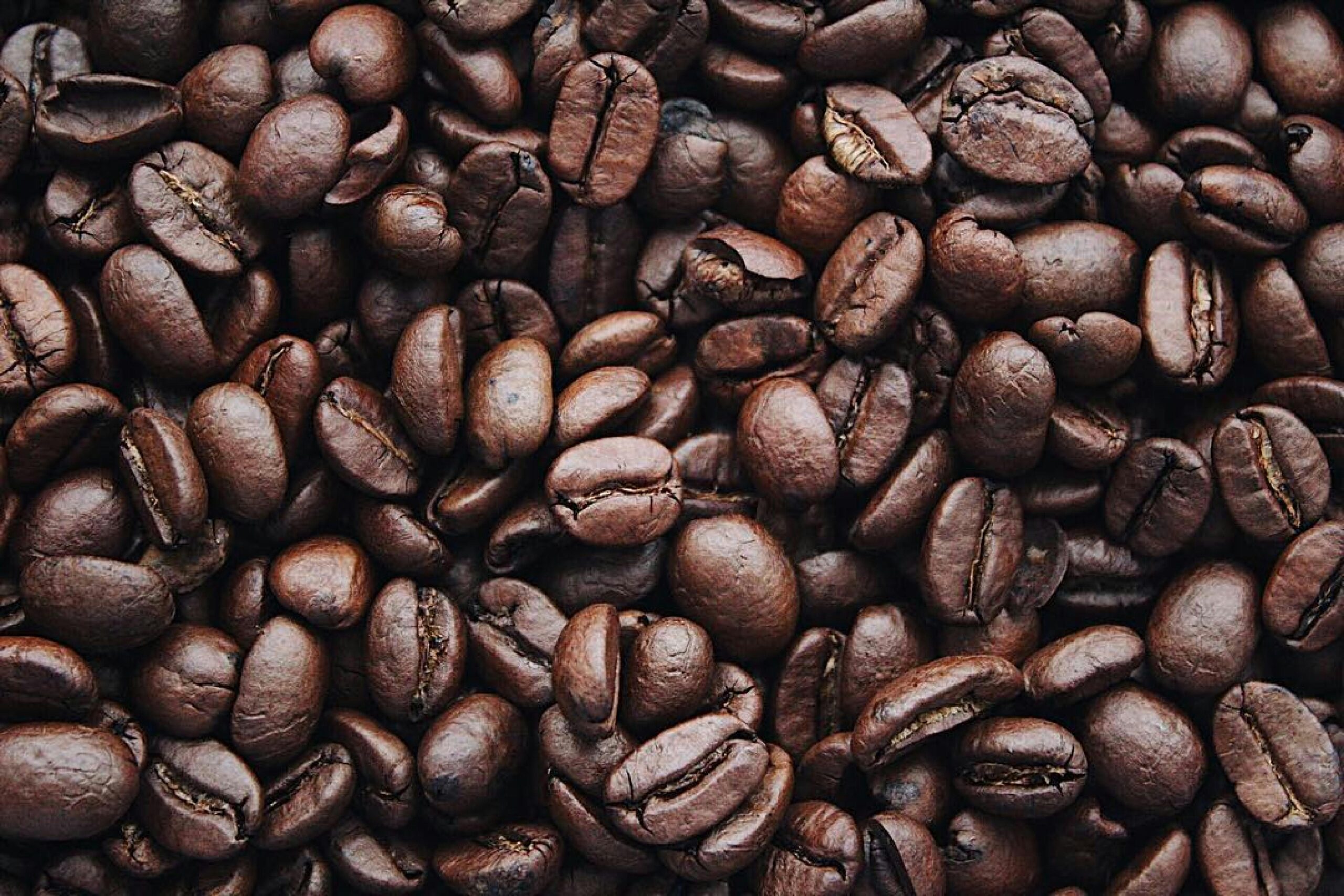
Purchase whole beans roasted within the past two to four weeks. Coffee peaks 7-14 days post-roast as gases dissipate and flavors stabilize. Beyond four weeks, staleness becomes noticeable as aromatic compounds degrade. Store beans in an airtight container away from light, heat, and moisture—never in the refrigerator or freezer, which introduces moisture and odor contamination.
🧼 Maintaining Your French Press for Longevity
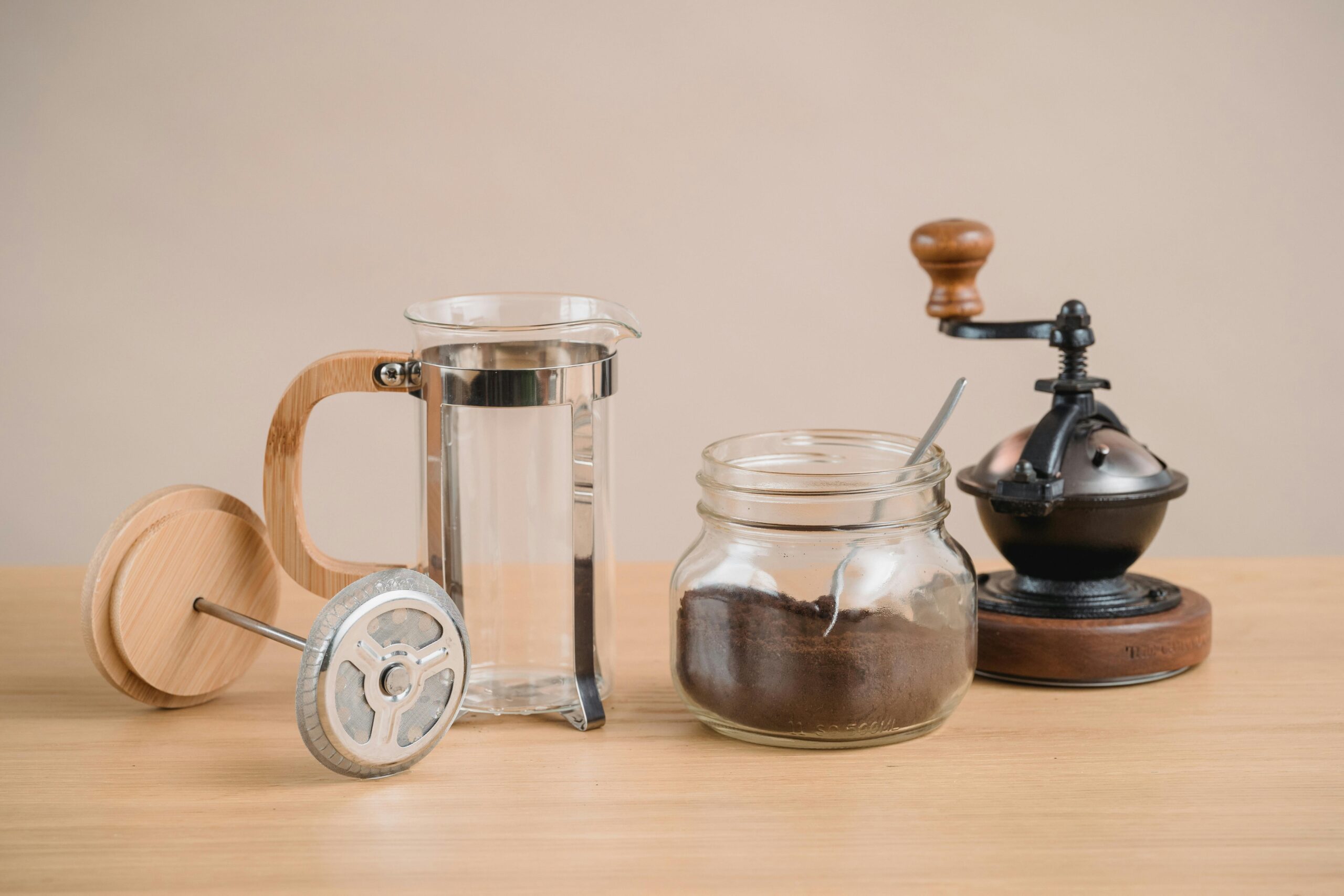
Regular cleaning prevents rancid oil buildup that taints fresh coffee with stale, bitter flavors. Disassemble your press completely after each use, removing all grounds from the carafe and filter assembly. Rinse thoroughly with hot water, scrubbing the mesh screens gently with a soft brush.
Deep clean weekly with dish soap and warm water, paying special attention to the plunger assembly where oils accumulate in crevices around the filter plates. Some French presses are dishwasher-safe, but hand washing extends the life of delicate mesh screens and prevents warping of plastic components.
Inspect your filter regularly for damage—bent screens, loose screws, or worn rubber seals compromise filtration effectiveness. Replace filters when they show wear. Quality replacement screens are inexpensive and dramatically improve results compared to continuing with damaged filters.
🎨 Advanced Techniques for Coffee Enthusiasts
Once you’ve mastered fundamentals, advanced techniques refine your results further, extracting maximum potential from exceptional beans.
Blooming Your Coffee
Blooming releases carbon dioxide trapped in freshly roasted beans, which can interfere with even extraction. Add just enough water to saturate all grounds—about twice the coffee weight—and wait 30-45 seconds before adding remaining water. This simple step improves extraction uniformity and flavor clarity.
Temperature Surfing for Complexity
Different compounds extract at different temperatures. Pour water at 205°F initially to extract brightness and complexity, then add cooler water (around 185°F) to moderate extraction and prevent bitterness. This layered approach creates dimensional flavor profiles impossible with single-temperature brewing.
Extending Steep for Cold Mornings
In cold environments, thermal mass loss cools water quickly, slowing extraction. Preheat your French press with hot water before brewing, discarding it just before adding grounds and fresh water. Consider extending steep time by 30-60 seconds to compensate for temperature loss during brewing.
📊 Quick Reference Troubleshooting Table
| Problem | Likely Cause | Solution |
|---|---|---|
| Bitter taste | Over-extraction | Grind coarser, reduce water temperature, shorten brew time |
| Weak or sour taste | Under-extraction | Grind finer, increase water temperature, extend brew time slightly |
| Excessive sediment | Grind too fine or aggressive plunging | Grind coarser, plunge gently, check filter condition |
| Inconsistent results | Variable technique | Measure precisely, time accurately, maintain consistent process |
| Stale flavor | Old coffee or dirty equipment | Buy fresh beans, clean French press thoroughly |
🌟 Transforming Your Daily Coffee Ritual
Mastering French press brewing transforms coffee from a caffeinated necessity into a mindful ritual that starts your day with intention and satisfaction. The methodical process—weighing beans, heating water, timing extraction—creates meditative moments in busy mornings. The sensory experience of grinding fresh beans, inhaling aromatic steam, and tasting complex flavors engages you fully in the present moment.
This brewing method rewards attention and experimentation. Each variable adjustment teaches you about extraction chemistry and flavor development. Over time, you develop intuition about how specific beans respond to different techniques. This knowledge transfers to other brewing methods, elevating your entire coffee experience.
The French press also connects you to coffee’s social history. This brewing method has created community for generations, from Parisian cafés to contemporary specialty coffee shops. Sharing your perfectly brewed French press coffee with friends and family creates memorable moments centered around quality and craftsmanship.
🚀 Your Journey to French Press Excellence
Excellence emerges from consistent practice and thoughtful adjustment. Start with the baseline recipe provided, brewing the same coffee several days consecutively to establish your reference point. Then make single-variable adjustments, changing only grind size, temperature, or time while keeping other factors constant. This systematic approach reveals how each variable specifically affects your results.
Document your experiments in a simple coffee journal—grind settings, water temperature, brew time, and tasting notes. Patterns emerge quickly, showing which adjustments move you toward your ideal cup. This record becomes invaluable when trying new coffees, providing starting points based on roast level and origin.
Join online coffee communities where enthusiasts share techniques, troubleshooting advice, and bean recommendations. The collective wisdom of experienced brewers accelerates your learning curve dramatically. Don’t hesitate to ask questions—coffee culture thrives on sharing knowledge and passion.
Remember that perfect coffee is subjective. While technical excellence matters, your personal preference ultimately defines success. Some people love bold, intense French press coffee with prominent body. Others prefer brighter, cleaner profiles. Neither approach is wrong—both represent valid expressions of this versatile brewing method. Use troubleshooting techniques to achieve consistent results, then adjust variables intentionally to match your taste preferences.
Your French press journey never truly ends. Coffee constantly evolves—new origins, processing methods, and roasting approaches continually emerge, offering fresh experiences for curious coffee lovers. Each bag of beans presents opportunities to refine your technique and discover new flavors. This perpetual learning curve keeps French press brewing engaging and rewarding year after year, transforming every morning into an opportunity for excellence.