Every coffee lover dreams of that perfect cup—rich, aromatic, and bursting with flavor. Yet so often, even with the right equipment and technique, something feels off. The culprit? Your beans might be telling a story you haven’t learned to read yet.

Understanding the difference between stale and fresh coffee beans is the secret weapon that separates mediocre brews from exceptional ones. Whether you’re a morning ritual enthusiast or a specialty coffee aficionado, mastering this fundamental skill will transform every cup you make. Let’s dive into the world of bean freshness and unlock the flavors you’ve been missing.
☕ The Science Behind Coffee Bean Freshness
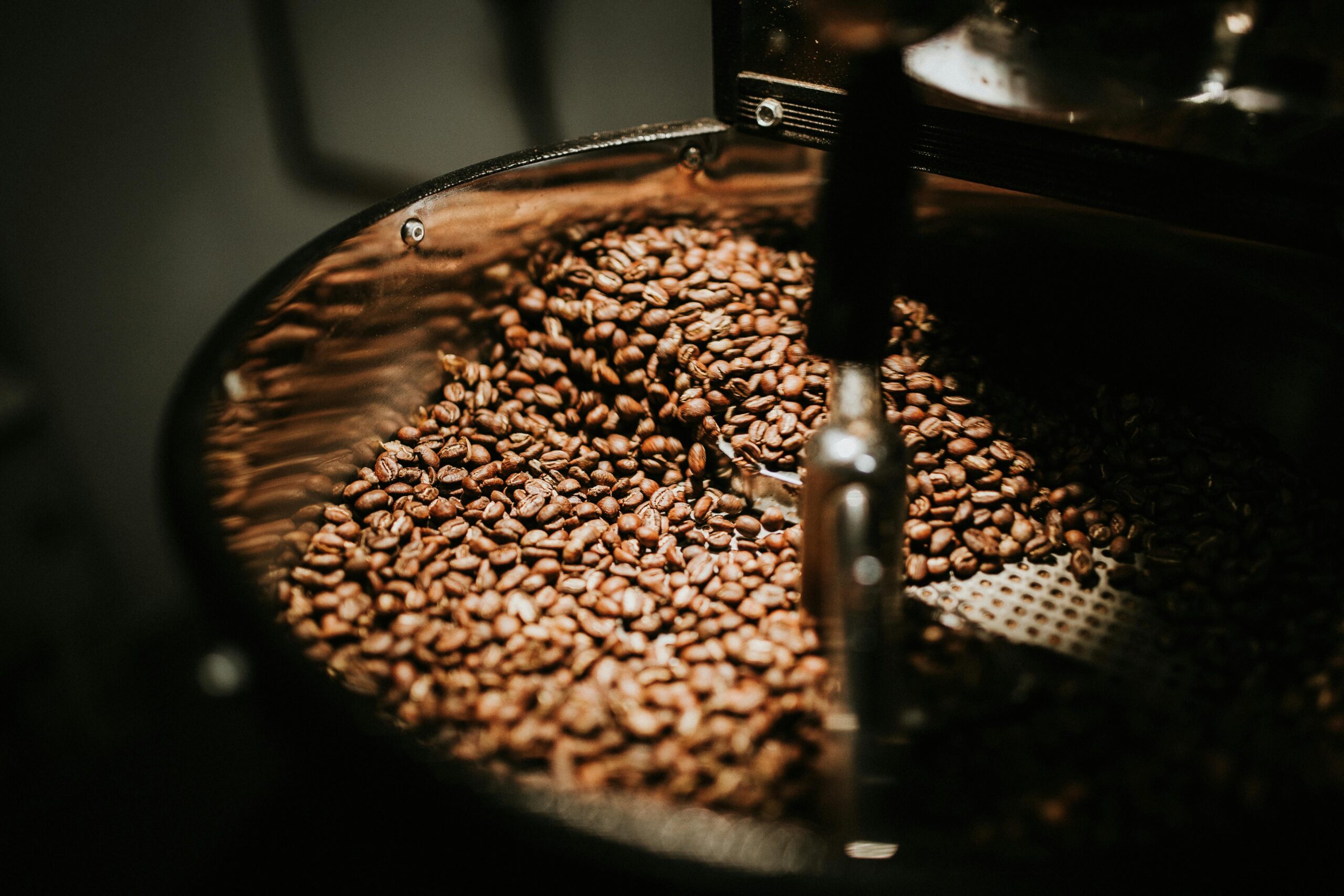
Coffee beans are living, breathing ingredients that begin changing the moment they’re roasted. During roasting, beans release carbon dioxide and develop complex flavor compounds through a process called the Maillard reaction. These compounds create the rich taste profiles we associate with great coffee—from chocolate notes to fruity undertones.
Fresh beans continue to degas for several days after roasting, which is why many roasters recommend waiting 3-7 days before brewing. This resting period allows the flavors to stabilize and develop fully. However, once this peak period passes, oxidation becomes the enemy.
Oxygen exposure breaks down the aromatic oils and volatile compounds that give coffee its distinctive character. Light, heat, and moisture accelerate this degradation process. Within weeks of roasting, beans begin losing their vibrancy, and by the two-month mark, most beans have surrendered their best qualities to staleness.
🔍 How to Identify Fresh Coffee Beans
Recognizing fresh beans doesn’t require professional training—just your senses and attention to detail. Fresh beans exhibit several telltale characteristics that stale beans simply cannot match.
Visual Inspection Techniques
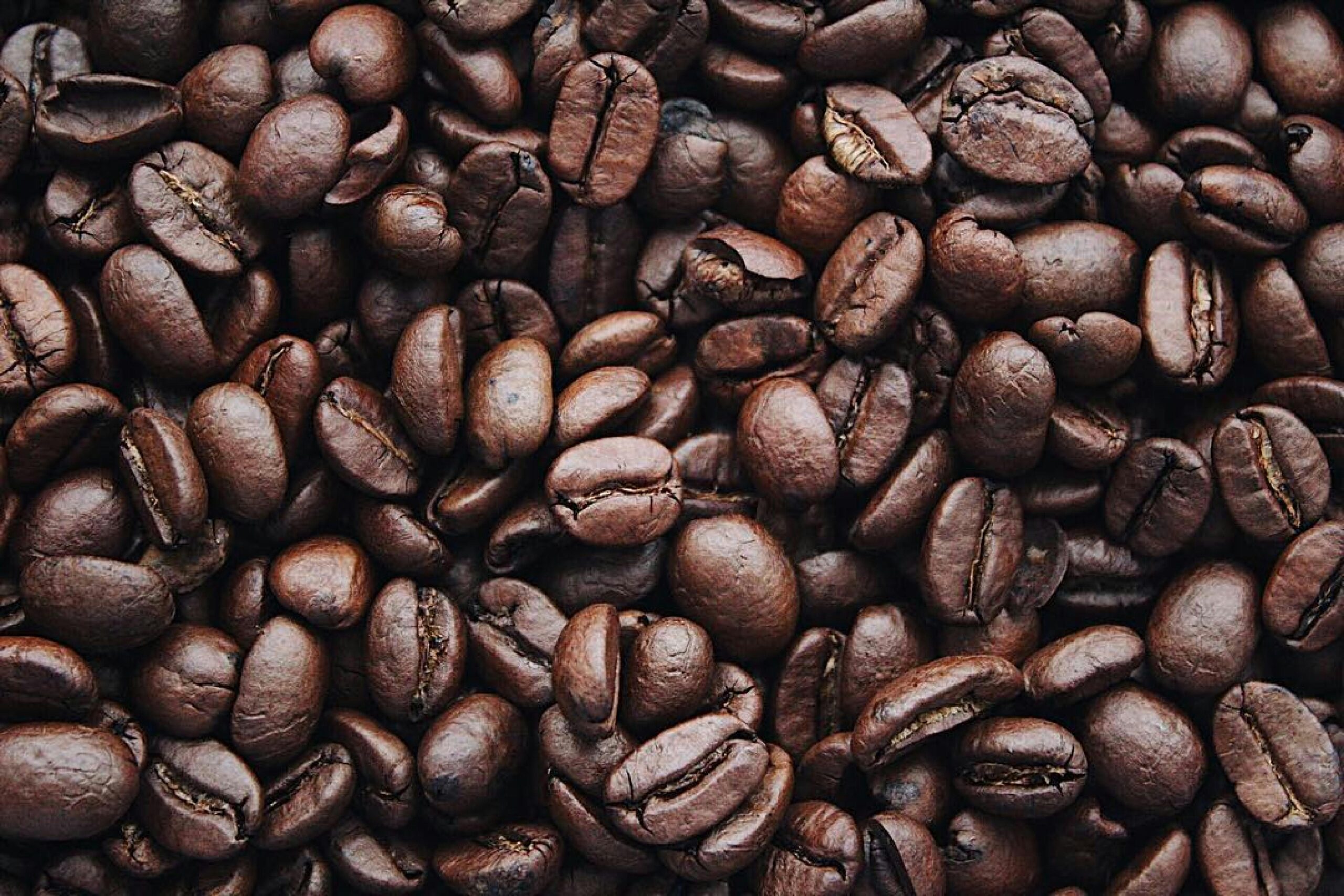
Fresh coffee beans have a slightly oily sheen, particularly with darker roasts. This oil represents the flavor compounds still present in the bean. The surface should look vibrant and rich in color, whether light or dark roasted. Examine the beans closely for any signs of dullness or a dry, ashy appearance.
The roast date is your most reliable indicator. Look for bags with clearly printed roasting dates, not just “best by” dates. Ideally, you want beans roasted within the past two to four weeks for optimal flavor.
The Aroma Test
Open your coffee bag and take a deep breath. Fresh beans release an immediate, powerful aroma that fills your senses. The scent should be complex and inviting, with distinct notes that match the bean’s origin and roast profile. If you need to work hard to detect any smell, or if the aroma seems flat and one-dimensional, you’re likely dealing with stale beans.
The Physical Touch Method
Gently squeeze a few beans between your fingers. Fresh beans have a slight give without crumbling. They should feel substantial and dense. Stale beans often feel lighter, more brittle, and may even crumble when pressed. This happens because the internal structure has dried out and lost its integrity.
⚠️ Red Flags: Recognizing Stale Coffee Beans
Stale beans broadcast their condition through unmistakable signs. Learning to recognize these warnings will save you from disappointing brews and wasted money.
The most obvious indicator is a lack of aroma. Stale beans smell flat, cardboard-like, or dusty. Some develop an almost rancid odor if the oils have oxidized significantly. This smell translates directly into your cup, creating that bitter, hollow taste many people mistakenly accept as “normal” coffee.
Visual staleness appears as a matte, dull surface. The beans look lifeless, and any oil sheen has evaporated. You might notice uneven coloring or whitish spots, which indicate aging and moisture exposure.
When you grind stale beans, the grounds produce minimal aroma and often create more dust than fresh beans. This dust is actually broken-down cellular structure, another sign of degradation.
🎯 Flavor Profile Comparison: Fresh vs. Stale
The taste difference between fresh and stale beans is dramatic once you know what to detect. This comparison will help you diagnose issues in your current brewing routine.
| Characteristic | Fresh Beans | Stale Beans |
|---|---|---|
| Aroma | Strong, complex, inviting | Weak, flat, sometimes musty |
| Flavor Body | Full, rich, layered | Thin, hollow, one-dimensional |
| Acidity | Bright, pleasant, balanced | Sour or completely absent |
| Aftertaste | Clean, lingering sweetness | Bitter, harsh, or quickly disappearing |
| Crema (Espresso) | Thick, persistent, golden-brown | Thin, quickly dissipating, pale |
Fresh beans produce coffee with distinct origin characteristics. Ethiopian beans might showcase blueberry and floral notes, while Colombian beans present chocolate and nutty flavors. Stale beans erase these distinctions, making all coffee taste generically bitter or sour regardless of origin.
💡 Troubleshooting Common Brewing Problems Related to Bean Freshness
Problem: Weak, Watery Coffee
If your coffee tastes thin despite using the correct ratio, stale beans are likely the culprit. Fresh beans contain soluble compounds that create body and mouthfeel. When these compounds degrade, water extraction yields mostly bitterness without substance.
Solution: Source fresher beans and adjust your grind slightly finer to maximize extraction from what remains. However, this is only a temporary fix—fresh beans are the real answer.
Problem: Excessive Bitterness
While over-extraction causes bitterness, stale beans amplify this problem dramatically. As beans age, pleasant flavors disappear first, leaving behind harsh, bitter compounds that dominate your cup.
Solution: Reduce your brew time and water temperature slightly (try 195°F instead of 205°F), but prioritize obtaining fresh beans. No technique can resurrect the flavors that time has stolen.
Problem: Sour, Unpleasant Acidity
Fresh beans have bright, pleasant acidity that adds complexity. Stale beans develop a sour, harsh acidity that tastes wrong. This happens because desirable acid compounds break down into less pleasant ones.
Solution: This problem is almost entirely about bean freshness. Adjust your brewing parameters to minimize under-extraction, but understand that truly fresh beans will resolve this issue naturally.
Problem: No Crema on Espresso
Espresso crema forms from CO2 trapped in fresh beans. Stale beans have released most of their gas, resulting in thin, pale, or nonexistent crema regardless of technique.
Solution: Fresh beans are non-negotiable for proper espresso. Even the finest machine cannot create crema from stale beans. Verify your beans were roasted within the past month.
🛡️ Best Practices for Preserving Bean Freshness
Once you’ve invested in quality fresh beans, protecting that freshness becomes crucial. Proper storage can extend peak flavor from weeks to nearly a month.
Storage Container Selection
Store beans in an airtight, opaque container. Oxygen and light are freshness enemies. Glass jars might look attractive, but they expose beans to damaging light. Purpose-built coffee containers with one-way valves are ideal—they allow CO2 to escape while preventing oxygen entry.
Location Matters
Keep your beans in a cool, dark, dry location. Avoid storing coffee near your stove, in direct sunlight, or anywhere temperature fluctuates significantly. Room temperature in a pantry or cabinet works perfectly.
The Freezer Debate
Freezing coffee beans is controversial, but it can work for long-term storage if done correctly. Only freeze beans in small, airtight portions that you’ll use completely once thawed. Never refreeze beans, as condensation destroys freshness. For daily use, room temperature storage is simpler and equally effective for beans you’ll consume within 3-4 weeks.
Purchasing Strategy
Buy smaller quantities more frequently rather than bulk purchasing. A 12-ounce bag consumed within two weeks will always taste better than a 5-pound bag slowly going stale. Many local roasters offer subscription services that deliver freshly roasted beans on your schedule—a convenient solution for consistent freshness.
⏰ Optimal Timeline: From Roast to Cup
Understanding the freshness timeline helps you plan purchases and set expectations for flavor quality.
- Days 1-3 Post-Roast: Beans are still degassing heavily. Coffee may taste somewhat flat or underdeveloped. Espresso can be challenging as excessive CO2 interferes with extraction.
- Days 4-14 Post-Roast: Peak freshness window. Beans have stabilized, flavors are fully developed, and aroma is at its strongest. This is when coffee tastes its absolute best.
- Days 15-30 Post-Roast: Still good but declining. Noticeable decrease in aroma intensity. Flavor remains solid but loses some complexity and brightness.
- Days 31-60 Post-Roast: Noticeably stale. Flat aroma, simplified flavors, increased bitterness. Coffee is drinkable but far from ideal.
- Beyond 60 Days: Significantly degraded. Most desirable flavors have oxidized. Only harsh, bitter compounds remain prominent.
🌟 Grinding Fresh: The Final Freshness Frontier
Even the freshest whole beans lose flavor rapidly once ground. Ground coffee exposes exponentially more surface area to oxygen, accelerating staleness dramatically. What takes weeks for whole beans takes mere hours for ground coffee.
Grind your beans immediately before brewing—never in advance. Pre-ground coffee begins losing flavor within 15 minutes of grinding. By the time bagged pre-ground coffee reaches store shelves, it has lost most desirable characteristics regardless of roast date.
Invest in a quality burr grinder if you haven’t already. Blade grinders produce inconsistent particle sizes and generate heat that damages beans. Burr grinders create uniform grounds that extract evenly while preserving bean integrity. This single equipment upgrade transforms coffee quality more than any other investment except fresh beans themselves.
🔄 What to Do with Stale Beans
Sometimes you discover beans have gone stale before finishing the bag. Rather than forcing yourself through disappointing cups, consider these alternatives.
Cold brew significantly masks staleness because the cold water extraction process minimizes bitter compounds while emphasizing sweeter notes. Stale beans produce surprisingly acceptable cold brew when they’d make terrible hot coffee.
Coffee ice cubes prevent watered-down iced coffee. Brew stale beans into strong coffee, freeze in ice cube trays, and use these cubes in future iced drinks. The dilution actually improves the harsh flavors.
DIY beauty products utilize coffee’s physical properties rather than flavor. Stale grounds work perfectly in homemade scrubs, as the texture and caffeine content remain unchanged by staleness.
Compost and garden applications benefit from coffee’s nitrogen content. Stale beans and grounds enrich compost piles and can be worked directly into garden soil as fertilizer.
🎓 Developing Your Palate for Freshness
Training your senses to detect freshness differences requires intentional practice but pays dividends in every cup you brew. Start by conducting side-by-side comparisons when possible.
Purchase the same coffee from a local roaster twice—once freshly roasted and again after it has aged several weeks. Brew them identically and taste them simultaneously. The contrast will be educational and dramatic, calibrating your palate to recognize staleness immediately.
Keep a coffee journal noting roast dates, purchase dates, and your flavor impressions over time. This documentation helps you identify patterns and understand how different beans age differently based on origin, roast level, and processing method.
Visit local coffee shops that prioritize freshness and discuss beans with knowledgeable baristas. Many specialty shops offer tastings where professionals guide you through flavor identification. These experiences accelerate your learning curve significantly.
🚀 Elevating Your Coffee Ritual with Fresh Beans
Armed with the knowledge to identify and maintain bean freshness, you’re positioned to brew consistently exceptional coffee. This skill transforms your daily coffee from a caffeine delivery system into a genuine sensory experience worth savoring.
Seek out local roasters who provide roast dates and prioritize freshness. Build relationships with these businesses—they often offer valuable insights about specific beans and brewing recommendations. Many roasters are passionate educators eager to share knowledge with genuinely interested customers.
Experiment with different origins and processing methods now that you understand freshness. Fresh Ethiopian natural-process beans taste remarkably different from fresh Brazilian pulped-natural beans, and both differ from fresh Kenyan washed beans. Freshness allows these distinctions to shine through rather than being buried under staleness.
Share your knowledge with fellow coffee lovers. Teaching others about freshness indicators reinforces your own understanding while elevating the coffee experience in your community. Coffee culture thrives when people support each other’s journey toward better brews.
The difference between stale and fresh beans isn’t subtle—it’s the difference between tolerating coffee and truly loving it. By mastering freshness identification, proper storage, and optimal brewing timing, you’ve unlocked the secret to irresistible coffee every single time. Your morning cup will never be the same, and that’s exactly the point. Fresh beans don’t just make better coffee; they make coffee worth looking forward to, worth savoring slowly, and worth sharing with people you care about. The perfect brew starts with perfect beans, and now you know exactly how to ensure yours are always at their peak.