Pour-over coffee has become the gold standard for coffee enthusiasts seeking complete control over their morning brew. Yet even experienced baristas encounter challenges that can turn a promising cup into a disappointing experience.

Understanding the intricate dance between water temperature, grind size, pouring technique, and extraction time transforms coffee brewing from guesswork into a precise craft. This comprehensive troubleshooting guide will help you diagnose problems quickly and adjust your technique for consistently excellent results every single time you brew.
☕ Decoding the Fundamentals of Pour-Over Perfection
Before diving into troubleshooting, it’s essential to understand what makes pour-over coffee unique. Unlike automatic drip machines, manual pour-over methods like Chemex, V60, and Kalita Wave give you complete authority over every variable. This control is both a blessing and a challenge, as small adjustments can dramatically impact flavor profiles.
The ideal pour-over coffee balances sweetness, acidity, and body while showcasing the unique characteristics of your chosen beans. When something tastes off, your brewing process is signaling that one or more variables need adjustment. Learning to read these signals is the key to mastery.
🔍 Common Pour-Over Problems and Their Root Causes
Most pour-over issues fall into distinct categories with identifiable causes. Recognizing the symptoms allows you to pinpoint exactly where your process needs refinement.
Bitter and Astringent Flavors
When your coffee tastes excessively bitter with a drying, puckering sensation, you’re experiencing over-extraction. This happens when water has pulled too many compounds from the coffee grounds, including the undesirable bitter elements that emerge late in the extraction process.
The primary culprits include grinding too fine, using water that’s too hot, pouring too slowly, or extending brew time beyond the optimal window. Water temperature above 205°F (96°C) can accelerate extraction of harsh compounds, while brew times exceeding four minutes typically indicate over-extraction for most pour-over methods.
Sour and Underdeveloped Taste
Sour, sharp, or vinegar-like flavors signal under-extraction, meaning the water hasn’t pulled enough flavor compounds from the grounds. The sweeter, more complex notes remain locked inside the coffee while only the acidic elements have been extracted.
This typically results from grinding too coarse, water temperature below 195°F (90°C), pouring too quickly, or insufficient contact time between water and grounds. Under-extracted coffee often tastes thin and lacks the body and sweetness that characterize well-brewed pour-over.
Weak or Watery Body
When your coffee lacks presence and feels more like tea than coffee, you’re dealing with either under-extraction or an incorrect coffee-to-water ratio. This problem frustrates many beginners who expect the rich, full-bodied experience that specialty coffee promises.
Check your measurements first—the standard ratio ranges from 1:15 to 1:17 (coffee to water by weight). If your ratio is correct but the body remains weak, your grind may be too coarse or your pouring technique might be channeling water around the grounds rather than through them.
Inconsistent Results Between Brews
Perhaps the most frustrating issue is brewing an exceptional cup one day and struggling to replicate it the next. Inconsistency usually stems from variable technique rather than equipment problems.
Without precise measurements, controlled pouring patterns, and consistent timing, you’re essentially starting from scratch with each brew. Professional baristas use scales, timers, and thermometers not because they lack skill, but because removing guesswork creates repeatability.
🎯 The Pour-Over Troubleshooting Flowchart Approach
A systematic troubleshooting method eliminates confusion and speeds up your path to better coffee. Follow this decision-tree approach whenever your brew disappoints.
Step One: Identify the Primary Flavor Problem
Start by clearly identifying what’s wrong. Is the coffee bitter, sour, weak, or simply unbalanced? Tasting coffee critically takes practice, but these basic categories cover most issues. Take a moment to really analyze the flavor on your palate, noting the initial taste, body, and aftertaste.
Step Two: Check Your Coffee-to-Water Ratio
Before adjusting anything else, verify you’re using the correct proportions. Weigh your coffee and water rather than relying on volume measurements. A digital scale accurate to 0.1 grams makes this effortless and transforms consistency.
For most pour-over methods, start with a 1:16 ratio. That means 20 grams of coffee to 320 grams of water, or 25 grams to 400 grams. This middle-ground ratio allows you to adjust other variables without the ratio itself skewing results.
Step Three: Evaluate Grind Size
Grind size exerts tremendous influence over extraction. As a general rule, pour-over coffee requires a medium grind, similar to granulated sugar or sea salt. However, “medium” varies between grinder models and coffee origins.
If your coffee tastes bitter, coarsen your grind by one or two settings. If it tastes sour, make it finer. Change grind size in small increments, as dramatic shifts can overcorrect the problem. Keep all other variables constant when testing grind adjustments so you can accurately assess the impact.
Step Four: Assess Water Temperature
Water temperature directly affects extraction speed and efficiency. The ideal range for most pour-over coffee sits between 195°F and 205°F (90°C to 96°C). Lighter roasts typically benefit from higher temperatures, while darker roasts extract well at the lower end.
If you don’t own a temperature-controlled kettle, boiling water and letting it rest for 30-45 seconds usually lands in the target range. Investing in a gooseneck kettle with built-in temperature control eliminates this variable and provides pouring precision.
Step Five: Examine Your Pouring Technique
How you pour matters as much as what you pour. Aggressive pouring disturbs the coffee bed and creates channels where water flows too quickly through the grounds. Gentle, controlled pours encourage even saturation and balanced extraction.
Begin with a bloom phase: pour roughly twice the weight of your coffee grounds in water (40 grams water for 20 grams coffee) and wait 30-45 seconds. This releases carbon dioxide and prepares the grounds for even extraction. Then pour in steady, concentric circles, avoiding the filter edges and maintaining consistent water level.
Step Six: Monitor Total Brew Time
Brew time serves as a useful diagnostic tool. For most pour-over methods, target total brew times between 2:30 and 4:00 minutes from first pour to last drip. Significantly shorter suggests channeling or too-coarse grinding, while longer times indicate too-fine grinding or pouring inconsistencies.
Track your brew time consistently and note it alongside your tasting observations. Patterns will emerge that help you understand your specific setup and preferences.
📊 Quick Reference Troubleshooting Table
| Problem | Likely Cause | Solution |
|---|---|---|
| Bitter, astringent taste | Over-extraction | Coarsen grind, lower temperature, pour faster |
| Sour, sharp taste | Under-extraction | Fine grind, raise temperature, extend contact time |
| Weak, watery body | Wrong ratio or channeling | Use more coffee, check pouring technique |
| Inconsistent results | Variable technique | Weigh everything, use timer, maintain routine |
| Brew time too fast | Grind too coarse | Grind finer, ensure even saturation |
| Brew time too slow | Grind too fine | Grind coarser, check for clogging |
🛠️ Advanced Troubleshooting Techniques
Once you’ve mastered basic troubleshooting, these advanced strategies help you fine-tune your technique for exceptional results.
The Drawdown Test
Observe how quickly water drains through your coffee bed. Uneven drawdown with pooling in certain areas indicates channeling, where water finds paths of least resistance rather than flowing evenly through all grounds. This creates simultaneous over-extraction and under-extraction in different parts of the bed.
Improve drawdown by ensuring your coffee bed stays level throughout brewing. Gentle swirling after the bloom and avoiding aggressive pouring helps maintain an even bed structure.
Pulse Pouring vs. Continuous Pouring
Your pouring pattern affects extraction dynamics. Pulse pouring—adding water in several distinct pours with brief pauses—allows for more control and can help correct channeling. Continuous pouring maintains constant immersion and often produces smoother extractions.
Experiment with both techniques using identical beans, grind, and ratio to discover which produces flavors you prefer. Many baristas find that pulse pouring works better for lighter roasts while continuous pouring suits darker roasts.
Water Quality Matters
Coffee is 98% water, making water quality crucial to final taste. Heavily chlorinated tap water, overly soft water, or water with off-flavors will compromise even perfect technique. Filtered water with balanced mineral content extracts coffee most effectively.
If your coffee tastes flat or lacks complexity despite correct technique, investigate your water. Specialty coffee water solutions or simple filtration can dramatically improve results.
🌟 Developing Your Personal Brewing Recipe
Professional baristas don’t guess—they develop and refine recipes specific to each coffee they brew. You can adopt this approach at home by documenting your process and results.
Creating Your Brewing Journal
Record these details for each brew: coffee origin and roast date, dose and ratio, grind setting, water temperature, total brew time, and tasting notes. This data becomes invaluable when troubleshooting or when you achieve a particularly excellent cup you want to replicate.
Over time, you’ll notice patterns—perhaps Ethiopian coffees perform best at slightly higher temperatures in your setup, or your grinder produces optimal results two clicks coarser than recipes suggest. These insights represent your personalized mastery.
The Iterative Refinement Process
When dialing in a new coffee, change only one variable at a time. This scientific approach clearly shows each adjustment’s impact. Start with a reasonable baseline recipe, then make small modifications based on tasting feedback.
If the first cup tastes slightly sour, grind a bit finer for the second brew while keeping everything else identical. Continue this process until you achieve balanced extraction showcasing the coffee’s best qualities.
💡 Equipment Considerations for Troubleshooting Success
While technique trumps equipment, certain tools make troubleshooting easier and results more consistent.
Essential Tools for Precision
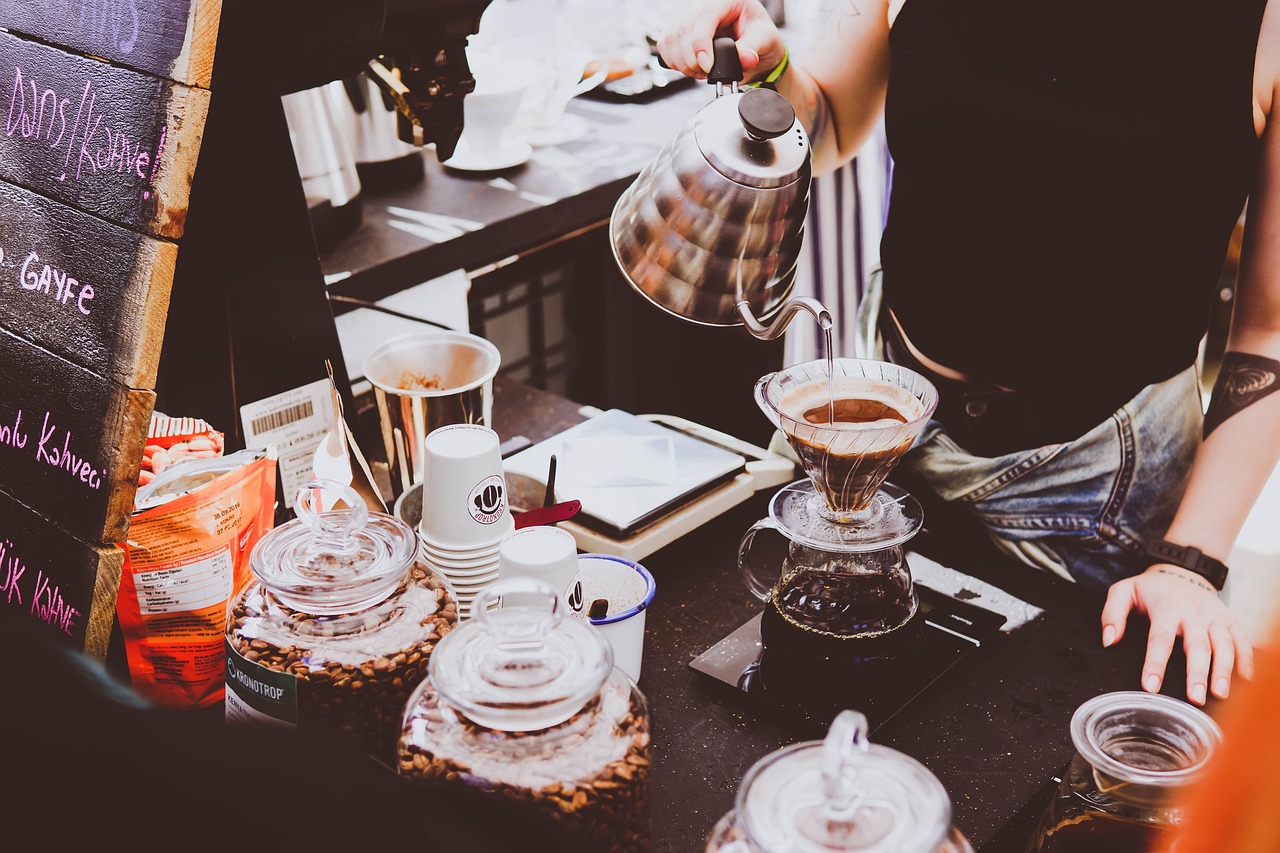
- Digital scale: Accurate to 0.1 grams for precise coffee and water measurement
- Timer: Track bloom time, individual pours, and total brew time
- Gooseneck kettle: Provides pouring control and ideally temperature control
- Quality burr grinder: Produces consistent particle size critical for even extraction
- Thermometer: Verifies water temperature if your kettle lacks temperature display
When to Blame Your Grinder
Grinder quality significantly impacts results. Blade grinders produce inconsistent particle sizes that make proper extraction nearly impossible. Burr grinders offer dramatic improvement, but even among burr grinders, quality varies.
If you’ve optimized all other variables but still experience inconsistency or can’t achieve balanced extraction, your grinder might be the limitation. Professional baristas consider the grinder more important than the brewing device itself.
🎓 Building Your Pour-Over Intuition
Following troubleshooting flowcharts provides structure, but developing intuitive understanding elevates your coffee craft to the next level. This intuition comes from mindful practice and sensory awareness.
Sensory Training Exercises
Taste coffees side by side with intentionally different variables. Brew one cup slightly over-extracted and another under-extracted to calibrate your palate to these flavor profiles. This comparative tasting sharpens your ability to diagnose problems quickly.
Pay attention to how coffee feels in your mouth, not just how it tastes. Body, texture, and finish all provide information about extraction quality. A well-extracted pour-over should feel balanced and complete, with no harsh edges or missing elements.
Learning from Every Cup
Even imperfect brews teach valuable lessons. When something goes wrong, resist the urge to immediately pour it out. Analyze what you’re tasting and hypothesize what caused it. This active engagement accelerates learning far more than passive recipe-following.
Every coffee origin, roast level, and freshness stage behaves differently. The troubleshooting skills you develop transcend specific recipes and enable you to adapt to any coffee you encounter.
🚀 Taking Your Pour-Over Skills Beyond Troubleshooting
Once you’ve mastered consistent, balanced extraction, you can explore creative variations that showcase different aspects of your coffee.
Intentional Flavor Manipulation
Understanding extraction allows you to emphasize certain flavor notes deliberately. Want to highlight bright acidity? Use slightly cooler water and a bit coarser grind for gentle under-extraction. Prefer fuller body and sweetness? Push extraction slightly with finer grinding and hotter water.
These intentional adjustments differ from troubleshooting problems—you’re making conscious choices to achieve specific flavor profiles rather than correcting errors.
Exploring Different Pour-Over Methods
Each pour-over device has unique characteristics. The V60’s large opening and spiral ribs encourage faster flow and brighter flavors. The Chemex’s thick filters produce exceptional clarity and lighter body. The Kalita Wave’s flat bottom promotes even extraction and balanced cups.
Apply your troubleshooting knowledge across different brewers to discover which best suits your taste preferences and which coffees shine in each device.
🏆 Your Path to Pour-Over Mastery
Mastering pour-over coffee represents a journey rather than a destination. Every bag of beans presents new challenges and opportunities for refinement. The troubleshooting framework provided here gives you structured problem-solving tools while leaving room for creativity and personal expression.
Remember that even world-class baristas continuously adjust and experiment. Coffee’s natural variation—from crop to crop, roast to roast—means that adaptation never stops. This ongoing learning process keeps pour-over coffee endlessly fascinating.
Start with the basics: proper ratio, appropriate grind size, correct temperature, and controlled technique. When problems arise, systematically work through the troubleshooting flowchart, changing one variable at a time. Document your process, taste critically, and trust that consistency comes with practice.
The reward for this effort extends beyond delicious coffee. You’ll develop sensory awareness, scientific thinking, and the satisfaction of crafting something excellent with your own hands. Each morning becomes an opportunity to refine your skills and enjoy the fruits of your brewing mastery.
Pour-over coffee demands more attention than pressing a button on an automatic machine, but this engagement transforms a mundane routine into a mindful ritual. You’re not just making coffee—you’re participating in a craft tradition that celebrates quality, patience, and the pursuit of perfection in small, daily moments.