Every coffee lover knows the frustration of brewing a cup that falls flat—either too weak to wake you up or so muddy it’s hard to swallow. The good news? With a few simple adjustments, you can transform your daily brew into a consistently delicious experience.

Whether you’re battling bitter sludge at the bottom of your cup or staring at pale, watery coffee that tastes like disappointment, understanding what went wrong is the first step toward brewing perfection. Let’s dive into the most common coffee brewing problems and explore practical solutions that will elevate your coffee game from mediocre to magnificent.
🔍 Understanding What Makes Coffee Weak or Muddy
Before we fix the problem, we need to understand what’s actually happening in your cup. Weak coffee typically results from under-extraction, meaning water passes through your grounds too quickly or at the wrong temperature, failing to extract enough flavor compounds. On the flip side, muddy coffee—that gritty, over-thick brew with sediment—usually indicates over-extraction, wrong grind size, or issues with your brewing equipment.
The perfect cup of coffee exists in a delicate balance where water temperature, contact time, grind size, and coffee-to-water ratio all work together harmoniously. When even one element is off, your entire cup suffers. Think of it like a recipe: skip an ingredient or change the proportions, and you won’t get the intended result.
☕ The Critical Role of Coffee Grind Size
Your grind size might be the single most important factor in determining whether your coffee turns out weak, perfect, or muddy. Different brewing methods require specific grind sizes, and using the wrong one is like trying to fit a square peg in a round hole.
Matching Grind Size to Your Brewing Method
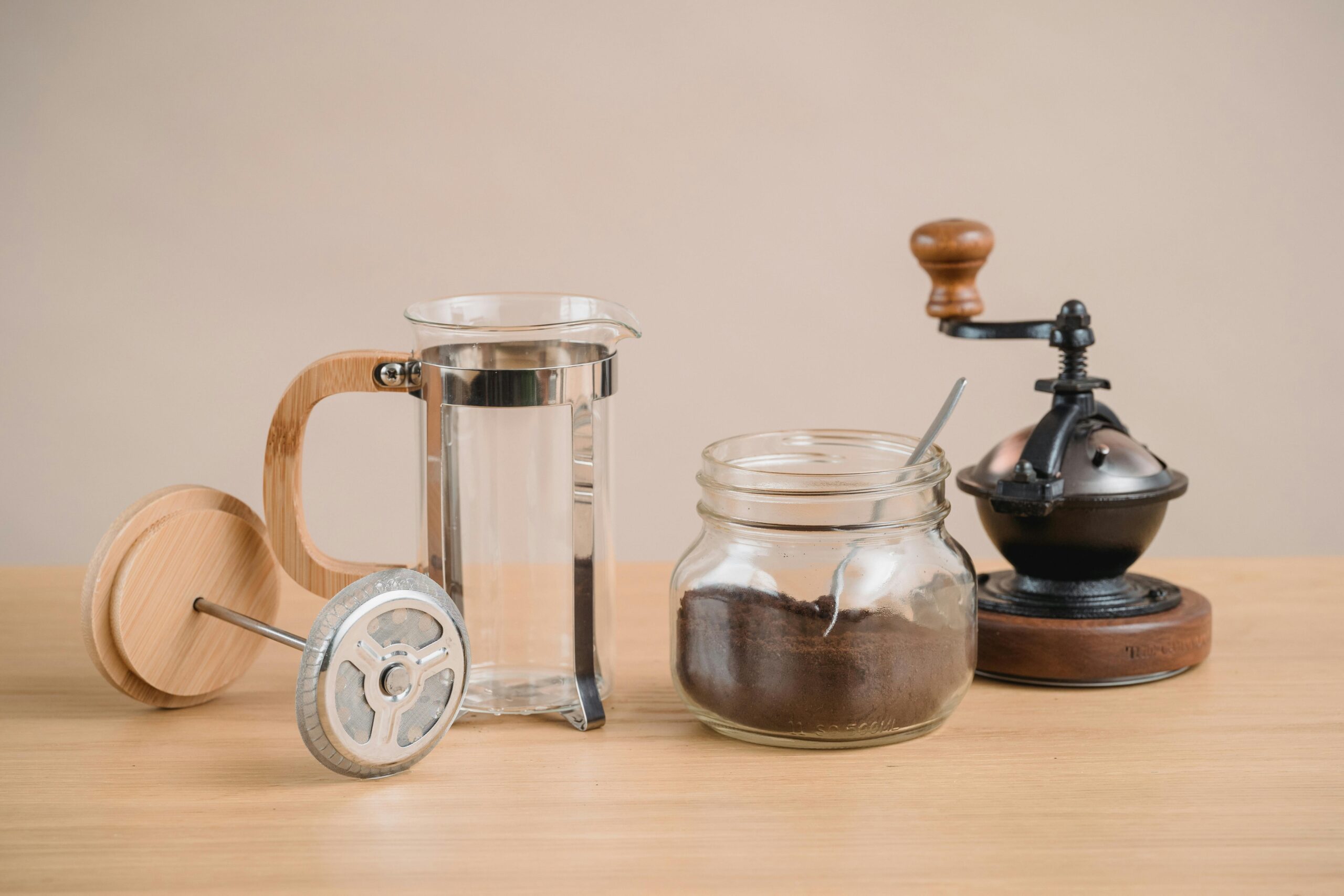
For French press, you need a coarse grind—about the consistency of sea salt. If your French press coffee is muddy, you’re likely grinding too fine, allowing particles to slip through the mesh filter. Conversely, if it tastes weak, your grind might actually be too coarse, preventing proper extraction during the steeping time.
Drip coffee makers work best with a medium grind, similar to granulated sugar. Too fine, and water can’t flow through properly, leading to over-extraction and bitterness. Too coarse, and water rushes through too quickly, resulting in weak, flavorless coffee.
Espresso demands a fine grind—almost powder-like—to create the resistance needed for proper extraction under pressure. Pour-over methods like Chemex or V60 typically require a medium-fine grind, while cold brew needs extra coarse grounds for its long steeping process.
Investing in a Quality Grinder
If you’re still using pre-ground coffee or a blade grinder, this might be your primary issue. Blade grinders create inconsistent particle sizes—some powder-fine, others chunky—leading to simultaneous under-extraction and over-extraction. The result? Weak AND bitter coffee at the same time. 😖
Burr grinders produce uniform particle sizes, giving you much better control over extraction. You don’t need to spend hundreds of dollars; even entry-level burr grinders significantly outperform blade grinders and will immediately improve your coffee quality.
💧 Water Temperature: The Goldilocks Principle
Water temperature is another crucial variable that many home brewers overlook. The ideal brewing temperature falls between 195°F and 205°F (90°C to 96°C). This range is hot enough to extract desirable flavor compounds but not so hot that it pulls out excessive bitterness.
If your coffee tastes weak and sour, your water might be too cool, resulting in under-extraction. The water isn’t hot enough to dissolve the flavorful compounds trapped in the coffee grounds. Conversely, boiling water (212°F/100°C) can scorch your grounds, creating harsh, bitter flavors that taste muddy and unpleasant.
How to Control Water Temperature
If you’re boiling water in a kettle, let it sit for about 30-45 seconds after reaching a boil before pouring. This brings the temperature down into the optimal range. Better yet, invest in a variable temperature electric kettle that lets you set the exact temperature you want—a game-changer for consistent brewing.
For automatic drip machines, check if yours heats water to the proper temperature. Many budget models don’t reach adequate temperatures, which could explain why your coffee consistently tastes weak. This is one reason why certified coffee makers (those meeting Specialty Coffee Association standards) produce noticeably better results.
⚖️ Getting Your Coffee-to-Water Ratio Right
The golden ratio for coffee brewing is generally accepted as 1:16—one part coffee to sixteen parts water. In practical terms, that’s about 1 to 2 tablespoons of coffee per 6 ounces of water, or roughly 60 grams of coffee per liter of water.
Using too little coffee is an obvious cause of weak brew, but the solution isn’t always just adding more grounds. If you’re already using a decent amount of coffee and it still tastes weak, the problem lies elsewhere—likely in grind size, water temperature, or brew time.
Measuring for Consistency
Stop eyeballing your coffee measurements. Invest in a simple digital kitchen scale and weigh your coffee and water. Volume measurements are inconsistent because different roasts and grind sizes occupy different amounts of space. Twenty grams of coffee will always be twenty grams, but it might fill your scoop differently depending on various factors.
Once you find your perfect ratio, write it down. Consistency is key to replicating great coffee every single time you brew.
⏱️ Brew Time: Patience vs. Speed
Different brewing methods require different contact times between water and coffee grounds. Get this wrong, and you’ll end up with weak or muddy results regardless of everything else you do right.
- French Press: 4 minutes steep time
- Drip Coffee Maker: 5-6 minutes total brew time
- Pour-Over (V60, Chemex): 3-4 minutes
- Espresso: 25-30 seconds
- Cold Brew: 12-24 hours
- AeroPress: 1-2 minutes
If your French press coffee is weak, try extending the steep time by 30-60 seconds. If it’s bitter and muddy, reduce it slightly. For automatic drip machines, if the brew cycle completes too quickly (under 4 minutes), your grind is likely too coarse. If it takes forever (over 8 minutes), you’re grinding too fine.
🧼 The Often-Overlooked Issue: Equipment Cleanliness
When was the last time you thoroughly cleaned your coffee maker? Old coffee oils accumulate in your equipment, turning rancid and contributing off-flavors that make fresh coffee taste muddy, bitter, or just “off.”
French presses need to be completely disassembled and cleaned regularly. Those fine mesh filters trap oils that become bitter over time. Drip coffee makers should be descaled monthly using either white vinegar or a commercial descaling solution to remove mineral buildup that affects water flow and temperature.
Even your grinder needs cleaning. Coffee oils coat the burrs, affecting grind consistency and contaminating fresh beans with stale flavors. Use grinder cleaning tablets or simply run some dry rice through it occasionally to absorb oils and remove residue.
🌟 Fresh Coffee: The Foundation of Flavor
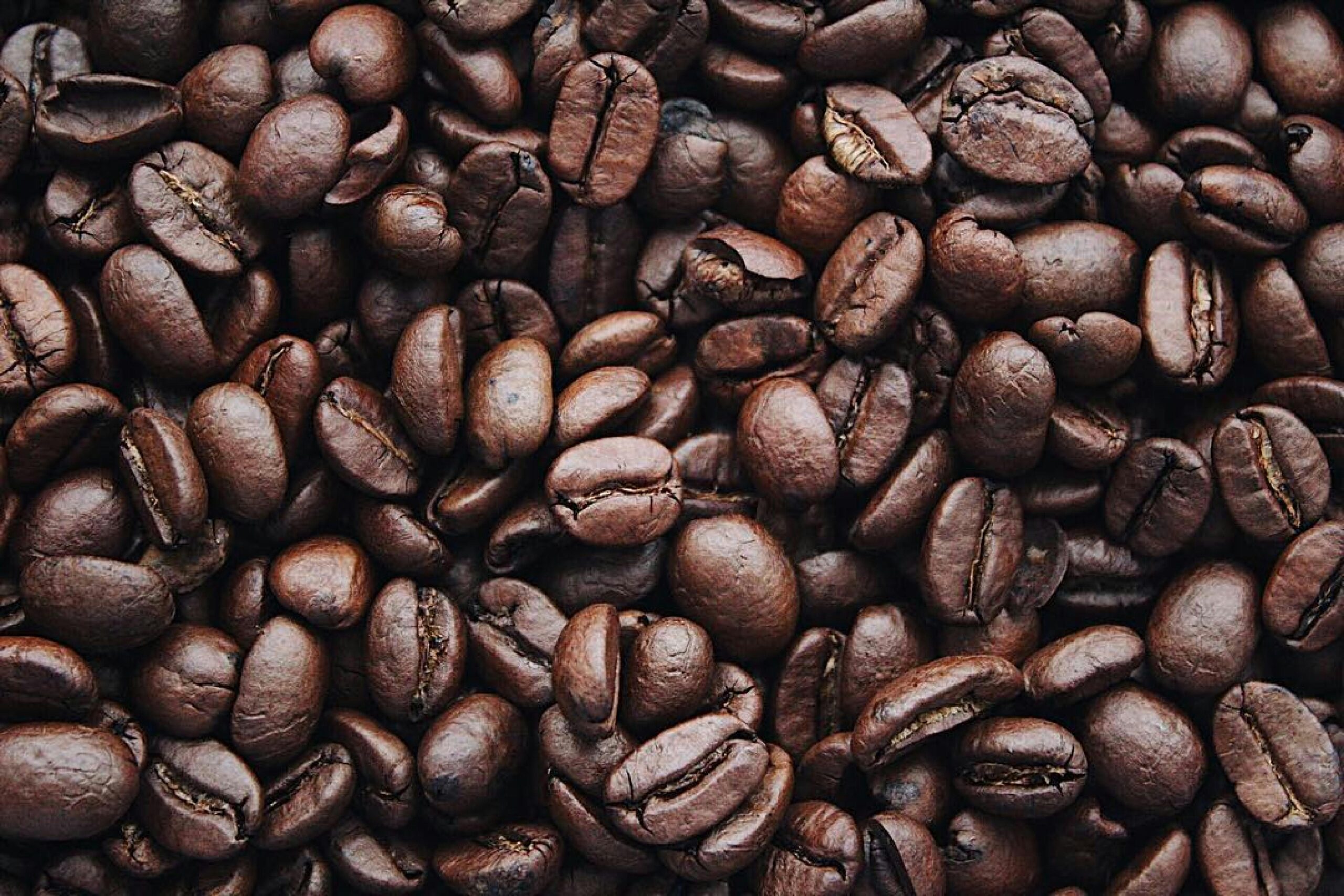
You can perfect every technical aspect of brewing, but if your coffee beans are stale, you’ll never achieve a truly exceptional cup. Coffee begins losing flavor within days of roasting, and ground coffee goes stale even faster due to increased surface area exposed to oxygen.
How to Keep Coffee Fresh
Buy whole beans in quantities you’ll use within 2-3 weeks. Store them in an airtight container away from light, heat, and moisture—not in the fridge or freezer, which introduce moisture and odors. Grind only what you need immediately before brewing.
Check the roast date on your coffee bags. If there isn’t one, or if it’s more than a month old, that’s likely contributing to weak, flat-tasting coffee. Fresh coffee has vibrant aromas and produces a beautiful bloom when you first add water—a sign that CO2 is still present in the beans.
🔧 Troubleshooting Specific Brewing Methods
French Press Producing Muddy Coffee
If your French press coffee has excessive sediment, you’re dealing with grounds that are too fine or a damaged filter. Grind coarser—aim for breadcrumb-sized particles. Pour slowly and steadily rather than aggressively to avoid disturbing settled grounds. Stop pressing and pouring before you reach the very bottom where sediment collects.
Inspect your French press filter. If the mesh is damaged or worn, it won’t filter properly. These filters are replaceable and inexpensive—don’t let a faulty $5 part ruin your $15 bag of coffee.
Drip Coffee Maker Brewing Weak Coffee
First, verify you’re using enough coffee—at least 1 tablespoon per 6 ounces of water, preferably slightly more. Check that your machine is actually heating water sufficiently; if it’s an old machine, it might not reach proper temperatures anymore.
Try a slightly finer grind to increase extraction. Clean your machine thoroughly, including the water reservoir, filter basket, and carafe. Mineral deposits can restrict water flow and reduce brewing temperature, both resulting in weak coffee.
Pour-Over Tasting Inconsistent
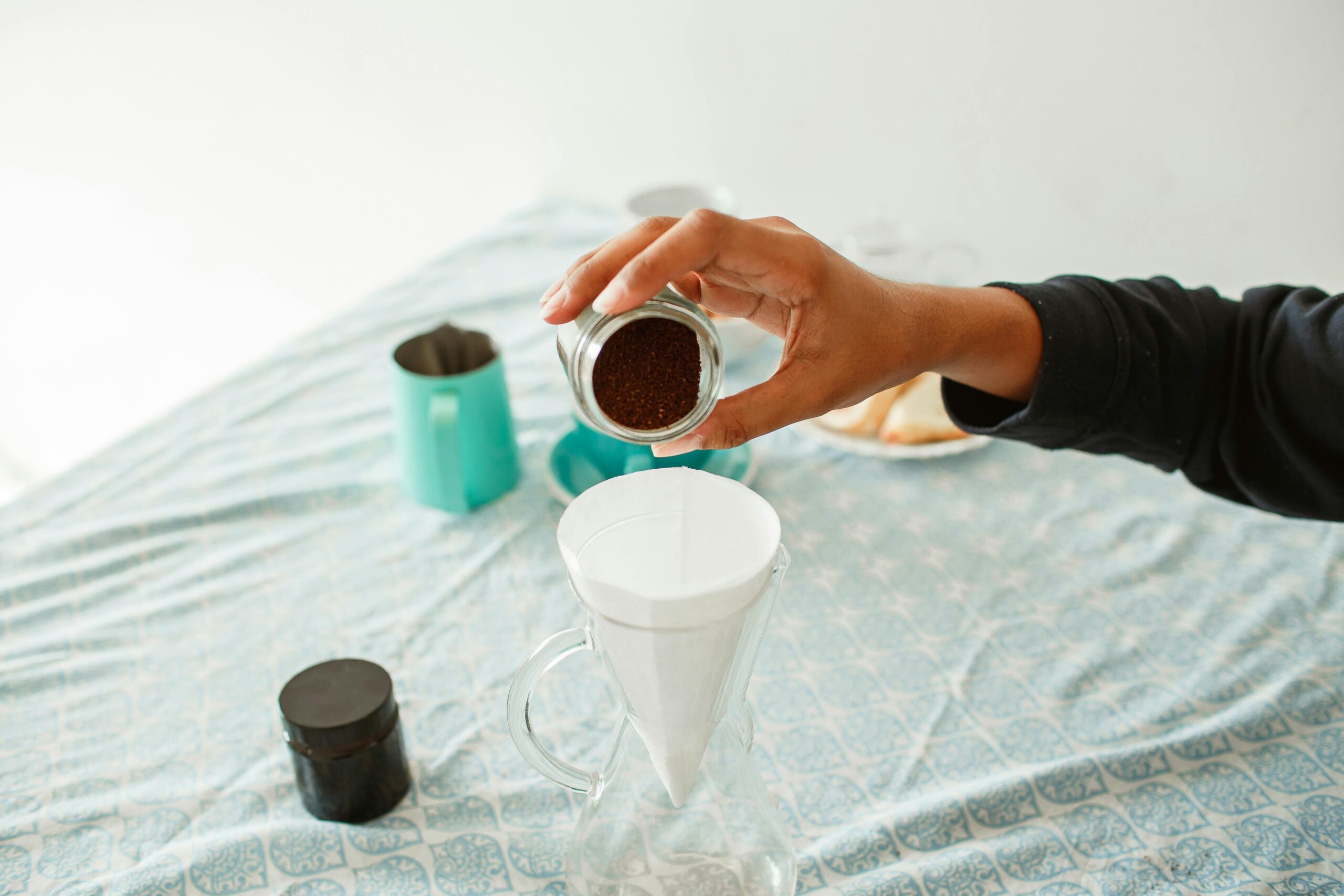
Pour-over methods give you maximum control but also maximum opportunity for variation. Use a gooseneck kettle for precise pouring. Start with a 30-second bloom phase, where you pour just enough water to saturate the grounds and let them release CO2. Then pour in slow, steady circles, maintaining consistent water level.
If coffee drains too quickly (weak coffee), grind finer. If it pools and drains slowly (bitter, muddy coffee), grind coarser. Take notes on your grind setting, pour technique, and timing until you find your sweet spot.
🎯 Advanced Tips for Coffee Perfection
Water Quality Matters
Coffee is 98% water, so water quality dramatically affects flavor. Heavily chlorinated tap water or very hard water can make coffee taste off. If your tap water doesn’t taste good plain, it won’t make good coffee. Use filtered water or bottled spring water for noticeable improvement.
However, completely distilled water lacks minerals needed for proper extraction. You want water with some mineral content—filtered tap water or spring water hits the sweet spot.
Preheating Your Equipment
Before brewing, rinse your French press, pour-over cone, or coffee mug with hot water. Cold equipment drops brewing temperature quickly, leading to under-extraction and weak coffee. This simple step makes a measurable difference, especially with smaller brew volumes.
Bloom Your Coffee
For pour-over and French press, try blooming your coffee: add just enough water to saturate the grounds, then wait 30-45 seconds before adding the rest. This allows CO2 to escape, enabling better water penetration and more even extraction. You’ll notice a significant improvement in flavor clarity and strength.
📊 Quick Reference Guide for Common Problems
| Problem | Likely Cause | Solution |
|---|---|---|
| Weak, watery coffee | Grind too coarse, water too cool, insufficient coffee | Use finer grind, hotter water, more coffee |
| Muddy, gritty texture | Grind too fine for method, damaged filter | Coarsen grind, replace filter |
| Bitter, over-extracted | Water too hot, brew time too long, grind too fine | Lower temperature, shorter brew, coarser grind |
| Sour, under-extracted | Water too cool, brew time too short, grind too coarse | Hotter water, longer brew, finer grind |
| Inconsistent results | Inconsistent measurements, equipment not clean | Use scale, establish routine, clean equipment |
✨ Creating Your Perfect Coffee Ritual
Brewing exceptional coffee doesn’t require expensive equipment or barista-level skills. It requires attention to fundamental variables: grind size, water temperature, brew time, ratio, and freshness. Once you understand how these elements interact, troubleshooting becomes intuitive.
Start by addressing the most likely culprit—usually grind size—then systematically adjust other variables. Keep notes on what works and what doesn’t. Coffee brewing is both science and art; the science gives you a framework, but the art comes from fine-tuning to your personal preferences.
Remember that “perfect” coffee is subjective. Some people prefer a stronger, bolder cup while others enjoy lighter, more delicate flavors. Use these troubleshooting tips as a foundation, then adjust to create your ideal brew. The goal isn’t to follow rigid rules but to gain enough control over the process that you can consistently produce coffee you love.
With fresh beans, proper grind size, correct water temperature, accurate ratios, and clean equipment, you’ll eliminate weak and muddy coffee from your life. Each morning becomes an opportunity to enjoy a flavorful, perfectly balanced cup that provides not just caffeine but genuine pleasure. That’s the difference between merely drinking coffee and truly savoring it—and now you have all the tools to make it happen. ☕