Every coffee lover knows the excitement of brewing a fresh cup, only to be met with an unexpected off-taste that ruins the entire experience. Understanding what went wrong can transform your brewing skills and elevate every sip to perfection.

Whether you’re a seasoned barista or a home brewing enthusiast, flavor faults can strike at any moment, turning what should be a delightful ritual into a disappointing ordeal. The good news is that most brewing mistakes are entirely preventable once you understand their root causes and learn how to identify the telltale signs of common flavor defects.
☕ The Science Behind Coffee Flavor Faults
Coffee flavor is a delicate balance of hundreds of chemical compounds that develop during roasting and extraction. When something goes wrong in the brewing process, these compounds can become unbalanced, creating off-flavors that mask the coffee’s natural characteristics. Understanding the chemistry behind these faults is the first step toward brewing excellence.
The extraction process is particularly critical. Water acts as a solvent, pulling various compounds from the ground coffee at different rates. Acids and sugars extract quickly, followed by oils and bitter compounds. When this process is disrupted or unbalanced, the resulting brew can exhibit a range of unpleasant flavors.
🔍 Common Flavor Faults and Their Culprits
Over-Extraction: The Bitter Truth
Over-extraction occurs when water pulls too many compounds from the coffee grounds, resulting in an excessively bitter, astringent cup with a dry, unpleasant aftertaste. This happens when brewing time is too long, water temperature is too high, or the grind is too fine for your brewing method.
The telltale signs of over-extraction include a harsh bitterness that lingers on the palate, a hollow or empty flavor profile, and sometimes a sensation of dryness in your mouth. The coffee may also appear darker and more opaque than usual, with visible particles suspended in the liquid.
To fix over-extraction, try coarsening your grind slightly, reducing brew time, or lowering your water temperature to around 195-205°F (90-96°C). These adjustments allow for more controlled extraction, bringing out sweetness and complexity rather than harsh bitterness.
Under-Extraction: When Coffee Falls Flat
The opposite problem, under-extraction, creates a sour, acidic cup that lacks body and sweetness. This occurs when water doesn’t have sufficient contact time with the grounds, the temperature is too low, or the grind is too coarse.
Under-extracted coffee tastes salty, sour, or grassy, with weak body and a thin mouthfeel. The acidity is sharp and unpleasant rather than bright and fruity. You might also notice that the crema on espresso is thin and dissipates quickly, or that your pour-over drains too rapidly.
Correcting under-extraction requires finer grinding, longer brew times, or hotter water. Ensuring proper agitation during brewing can also help by increasing contact between water and coffee particles, promoting more complete extraction of desirable compounds.
Stale Coffee: The Flavor Thief 📦
Freshness is paramount in coffee brewing. Once roasted, coffee begins losing its flavor compounds through oxidation and degassing. Stale coffee produces flat, cardboard-like flavors with muted aromatics and no complexity.
Coffee reaches peak flavor typically between 3-14 days after roasting, though this varies by roast level and bean origin. Beyond four weeks, most coffee has lost significant character. Ground coffee deteriorates even faster, losing freshness within hours due to increased surface area exposure to oxygen.
Always buy whole beans with a clearly marked roast date, and grind just before brewing. Store coffee in an airtight container away from light, heat, and moisture. Never refrigerate or freeze coffee unless properly vacuum-sealed, as condensation can damage the beans.
Water Quality Issues: The Hidden Variable
Since coffee is 98% water, the quality of your brewing water dramatically impacts flavor. Water that’s too hard creates mineral buildup and can produce metallic or chalky flavors, while overly soft water fails to extract properly and yields flat, lifeless coffee.
Chlorine and chloramine, common municipal water additives, impart distinct chemical flavors that overpower coffee’s subtle notes. Similarly, water with high mineral content can emphasize bitterness while masking sweetness and acidity.
The ideal brewing water has total dissolved solids (TDS) between 75-250 ppm, with balanced calcium and magnesium content. Using filtered water or third-wave water packets designed specifically for coffee can dramatically improve your results without investing in complex filtration systems.
🎯 Temperature Troubles and Timing Mistakes
The Goldilocks Zone of Brewing Temperature
Water temperature significantly affects extraction rates and which compounds dissolve into your brew. Too hot, and you’ll extract excessive bitterness and tannins; too cold, and you’ll miss the sweet spot of balanced extraction.
The optimal brewing temperature range is 195-205°F (90-96°C) for most methods. Lighter roasts generally benefit from the higher end of this range, as their denser structure requires more energy to extract flavors properly. Darker roasts, being more porous and soluble, perform better at slightly lower temperatures.
Boiling water (212°F/100°C) should never make direct contact with coffee grounds, as it can scald the coffee and extract unpleasant burned flavors. Conversely, water below 190°F (88°C) won’t have sufficient energy to extract oils and sugars, resulting in sour, underwhelming coffee.
Timing Is Everything ⏱️
Each brewing method has an optimal contact time between water and coffee. Deviating from these guidelines typically produces extraction faults that compromise flavor quality.
French press requires approximately four minutes of steep time, espresso extracts in 25-30 seconds, pour-over takes 2.5-3.5 minutes, and cold brew needs 12-24 hours. These times have been refined through extensive testing to achieve balanced extraction for each method’s unique characteristics.
Rushing the process by reducing contact time inevitably leads to under-extraction, while extending it past recommended durations causes over-extraction. Consistency in timing is just as important as hitting the right duration initially.
⚙️ Equipment-Related Flavor Faults
Dirty Equipment: The Silent Saboteur
Old coffee oils and residue accumulate on brewing equipment, turning rancid and imparting stale, bitter flavors to fresh brews. This is one of the most overlooked causes of persistent off-tastes in otherwise well-executed brewing.
Coffee oils contain lipids that oxidize over time, creating compounds with unpleasant flavors reminiscent of old crayons or rancid nuts. These residues coat grinder burrs, brewing baskets, carafes, and internal tubing in machines, contaminating every subsequent brew.
Establish a regular cleaning schedule: rinse removable parts daily, deep clean weekly with specialized coffee equipment cleaner or a solution of water and white vinegar, and backflush espresso machines according to manufacturer recommendations. Don’t forget grinders, which accumulate oils particularly quickly.
Grinder Inconsistencies
An inconsistent grind creates a mix of particle sizes that extract at different rates, producing simultaneously over-extracted fines and under-extracted boulders. The result is muddled, unbalanced coffee with conflicting flavors.
Blade grinders are particularly problematic, creating wildly inconsistent particle sizes. Burr grinders, whether flat or conical, produce far more uniform grinds. Within burr grinders, quality varies significantly—commercial-grade grinders maintain consistency better than entry-level models.
Worn burrs also compromise grind quality. If your grinder is several years old and produces noticeably more fines (dusty particles) than it used to, the burrs may need replacement. This investment dramatically improves coffee quality.
📊 Ratio and Recipe Mistakes
Getting the Coffee-to-Water Ratio Right
The brew ratio—the relationship between coffee mass and water volume—fundamentally determines strength and extraction. Too little coffee creates weak, over-extracted brew; too much produces strong but under-extracted coffee.
The Specialty Coffee Association recommends a starting ratio of 1:16 to 1:17 (coffee to water by weight). This translates to approximately 60 grams of coffee per liter of water. However, personal preference, roast level, and brewing method may warrant adjustments.
Always measure by weight rather than volume, as coffee density varies significantly between roasts and origins. A digital scale is an inexpensive investment that dramatically improves consistency and allows you to replicate successful brews or troubleshoot problematic ones.
Dose Adjustments and Fine-Tuning
Once you’ve established a baseline ratio, fine-tuning becomes possible. If coffee tastes weak and sour, increase the dose slightly or grind finer. If it’s bitter and harsh, reduce the dose or grind coarser. These adjustments work together with grind size and brewing time to achieve extraction balance.
Keep detailed notes when experimenting with ratios. Recording your recipe, grind setting, brew time, and tasting notes creates a reference that accelerates your learning curve and helps identify patterns in your preferences.
🌡️ Environmental Factors That Affect Brewing
Altitude and Pressure Considerations
At higher altitudes, water boils at lower temperatures due to reduced atmospheric pressure. This seemingly small difference can significantly impact extraction, requiring adjustments to grind size or brew time to compensate.
If you’re brewing at elevation, aim for water just off boil, which may only reach 190-195°F rather than the typical 200-205°F at sea level. Compensate by grinding slightly finer or extending brew time to maintain proper extraction.
Ambient Temperature and Humidity
Coffee beans are hygroscopic, meaning they absorb moisture from humid environments. This affects grind consistency, extraction rates, and even how coffee flows during espresso preparation. Very dry conditions can create static in grinders, while excessive humidity may require grind adjustments.
Store coffee in a stable environment away from temperature fluctuations and humidity extremes. If you notice significant changes in how your coffee brews between seasons, slight recipe adjustments may be necessary.
💡 Advanced Techniques for Flavor Perfection
Pre-Infusion and Blooming
Pre-infusion—saturating grounds with a small amount of water before full brewing—allows coffee to degas and swell, promoting more even extraction. This technique is particularly valuable for pour-over methods and espresso.
For pour-over, bloom with about twice the weight of water as coffee (e.g., 60g water for 30g coffee) for 30-45 seconds before continuing. This simple step releases trapped CO2 that can create channels and prevent water from evenly saturating all grounds.
Agitation and Distribution
Proper agitation ensures all coffee particles contact water equally. For immersion methods like French press, gentle stirring after adding water promotes even extraction. For pour-over, strategic pouring patterns replace mechanical agitation.
WDT (Weiss Distribution Technique) for espresso involves using a thin needle or tool to break up clumps and evenly distribute grounds in the portafilter before tamping. This prevents channeling, where water finds paths of least resistance and extracts some grounds excessively while bypassing others.
🎓 Developing Your Palate
Training Your Taste Perception
Identifying specific flavor faults requires developing sensory awareness. Cupping—tasting coffee systematically to evaluate its characteristics—is how professionals assess quality and identify defects.
Practice comparative tasting by brewing the same coffee with intentional variations: one batch over-extracted, one under-extracted, one with old beans, and one brewed properly. This side-by-side comparison trains your palate to recognize specific fault characteristics.
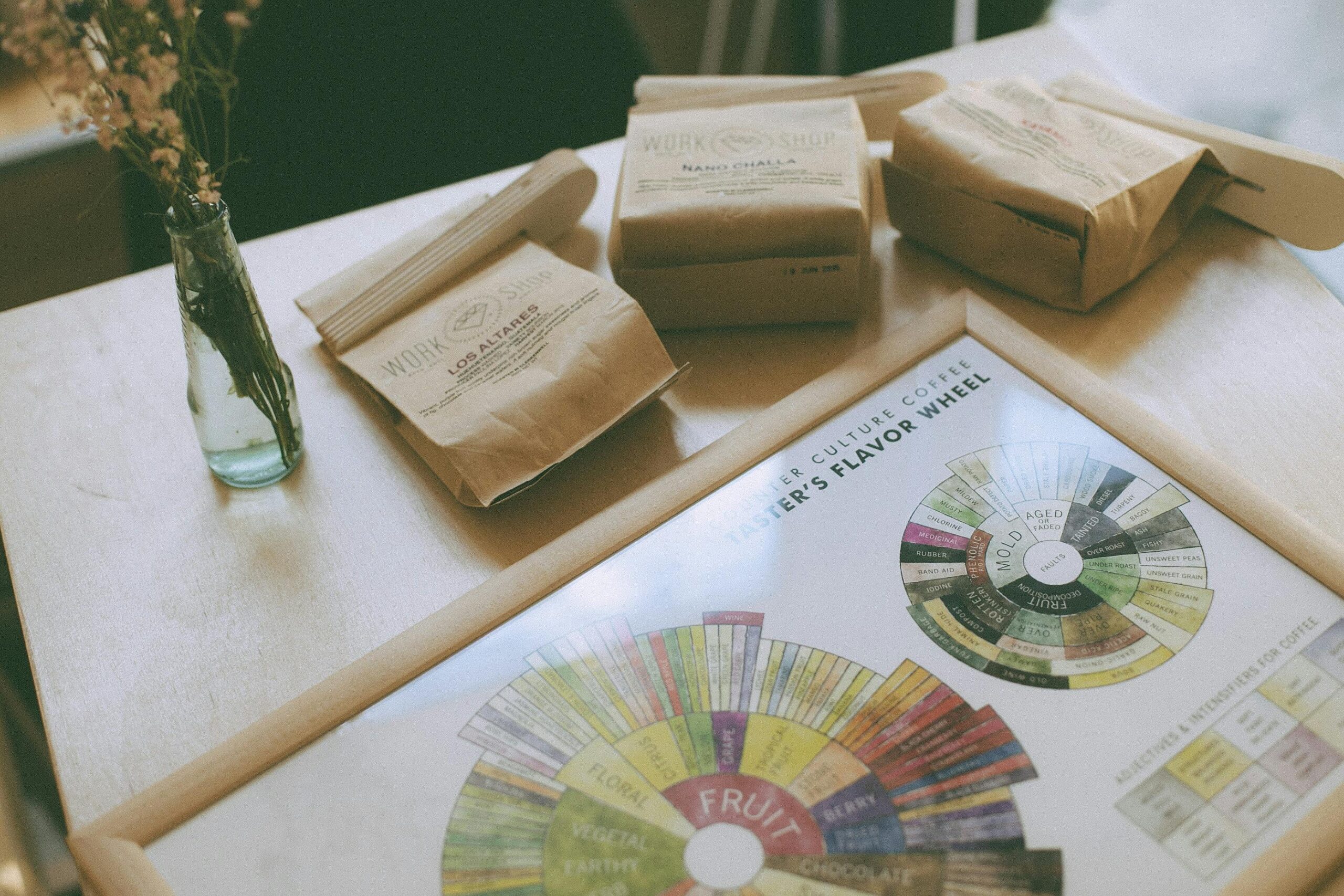
Use a flavor wheel to expand your descriptive vocabulary. Being able to articulate that coffee tastes “papery” rather than just “off” helps pinpoint whether the issue is stale beans, poor water quality, or paper filter contamination.
Keeping a Brewing Journal 📝
Documentation is crucial for improvement. Record your coffee’s origin, roast date, grind setting, brew ratio, water temperature, total brew time, and tasting notes. Over time, patterns emerge that reveal your preferences and common mistakes.
When you brew an exceptional cup, having detailed notes allows you to replicate it. When something goes wrong, your journal helps identify variables that may have changed and provides data for troubleshooting.
🚀 Troubleshooting Your Brew: A Systematic Approach
When faced with off-tasting coffee, methodically eliminate variables rather than changing everything at once. Start with the most common culprits: check your beans’ roast date, verify your water quality, ensure equipment is clean, and confirm your grind setting is appropriate.
If coffee consistently tastes bad across different brewing attempts, the issue likely lies with bean quality, water, or equipment cleanliness. If quality varies dramatically from brew to brew, technique inconsistencies are probably responsible—focus on measuring precisely and maintaining consistent timing.
Remember that not all flavor preferences are universal. What tastes over-extracted to one person might be perfectly balanced to another. Once you’ve eliminated true faults, trust your palate and adjust recipes to suit your taste rather than rigidly following guidelines.
🌟 The Path to Consistently Excellent Coffee
Mastering coffee brewing is a journey rather than a destination. Each variable—from bean selection to water chemistry, grind size to brew time—interacts in complex ways that influence the final cup. By understanding common flavor faults and their causes, you gain the knowledge to troubleshoot problems and intentionally craft the coffee experience you desire.
Start with quality, fresh beans as your foundation. Invest in consistent equipment, particularly a good burr grinder and accurate scale. Use filtered water heated to the appropriate temperature range. Measure precisely, time consistently, and keep your equipment impeccably clean.
Most importantly, taste critically and adjust thoughtfully. Every brew teaches you something about the process and your preferences. With attention to detail and willingness to experiment, those disappointing off-tastes will become increasingly rare as you perfect your technique and create exceptional coffee with every sip.