Perfect espresso begins long before the first drop hits your cup. The foundation of exceptional espresso lies in proper puck preparation, a crucial step that separates amateur shots from professional-quality extractions.

Every barista, whether seasoned or novice, has pulled imperfect shots due to puck prep errors. Understanding these mistakes and learning how to correct them transforms your espresso-making skills and ensures consistency with every brew.
Understanding the Critical Role of Espresso Puck Preparation ☕
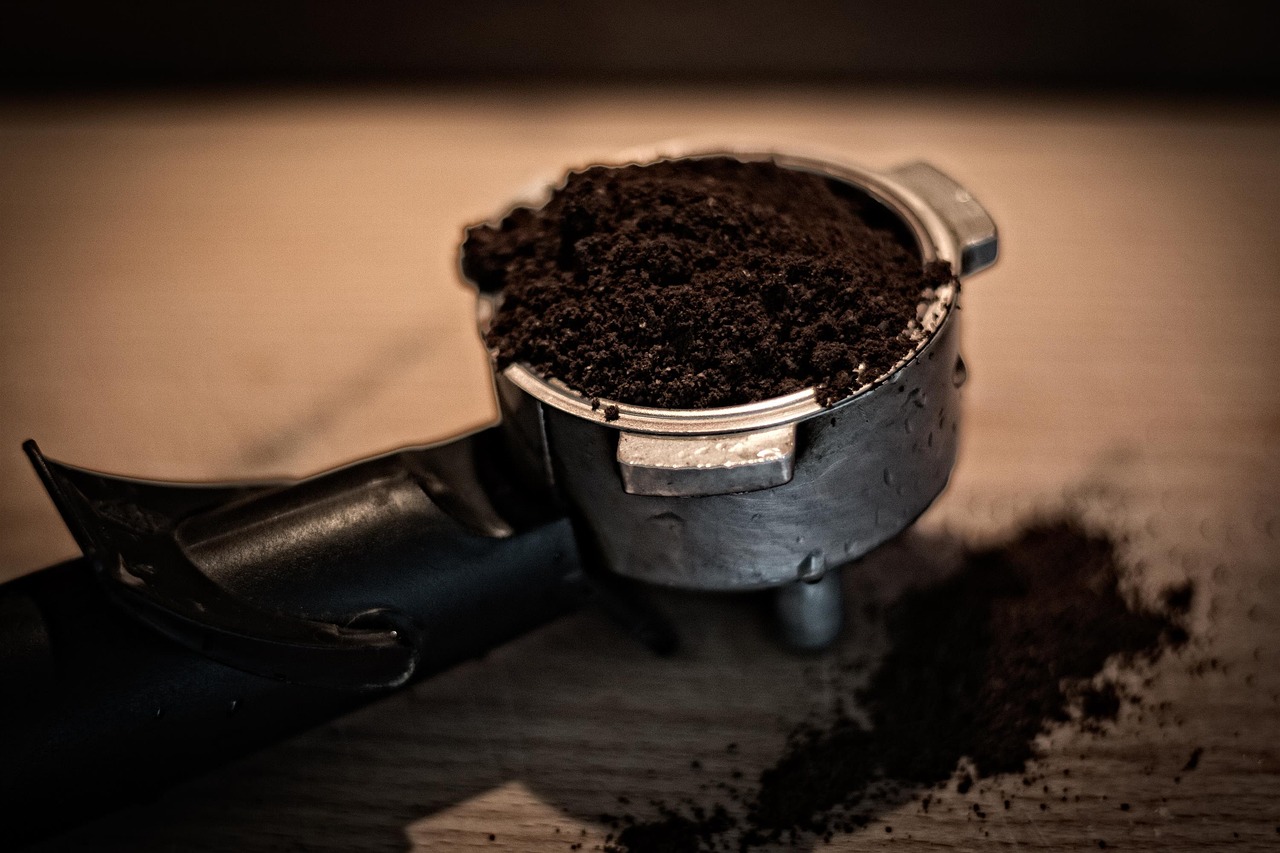
Espresso puck preparation represents the methodical process of distributing and compressing coffee grounds in the portafilter basket. This seemingly simple task dramatically influences extraction quality, affecting everything from flavor balance to crema formation. When executed properly, puck prep creates uniform resistance throughout the coffee bed, allowing water to flow evenly and extract the optimal compounds from your beans.
The espresso puck acts as a filtration medium during extraction. Water, pressurized to approximately 9 bars, seeks the path of least resistance through the coffee grounds. Any inconsistencies in density, distribution, or compaction create channels where water flows too quickly, resulting in under-extraction in some areas and over-extraction in others.
The Most Common Espresso Puck Prep Mistakes
Uneven Coffee Distribution Creating Channeling Issues
Channeling remains the most prevalent problem in espresso preparation. This occurs when water finds preferential pathways through the puck rather than flowing uniformly through all the coffee. Visual indicators include uneven extraction patterns, with some areas of the puck appearing lighter while others look darker after extraction.
The primary cause of channeling stems from uneven coffee distribution before tamping. When grounds accumulate more densely in certain areas, those regions offer greater resistance to water flow. Consequently, water rushes through less dense sections, extracting poorly and creating sour, weak flavors mixed with bitter notes.
Incorrect Tamping Pressure and Technique
Tamping pressure has sparked countless debates among coffee professionals. While the traditional recommendation suggests 30 pounds of pressure, consistency matters more than absolute force. Applying uneven pressure creates a tilted puck surface, encouraging water to flow preferentially toward the lower side.
Many beginners either tamp too lightly, leaving the puck insufficiently compressed, or apply excessive force inconsistently. Both scenarios produce problematic extractions with fast flow rates and sour, under-extracted espresso.
Dosing Inconsistencies Affecting Extraction
Fluctuating coffee doses create extraction variability that no technique can overcome. Using 17 grams one shot and 19 grams the next fundamentally changes water flow dynamics, contact time, and flavor extraction. Professional baristas maintain dose precision within 0.1-0.2 grams for consistent results.
Neglecting Coffee Freshness and Grind Quality
Even perfect puck preparation cannot compensate for stale coffee or poor grind quality. Coffee reaches peak espresso performance between 7-21 days post-roast for most varieties. Beyond this window, degassing diminishes, affecting crema production and flavor complexity.
Grind uniformity significantly impacts extraction consistency. Blade grinders and lower-quality burr grinders produce wide particle size distributions, with fine particles over-extracting while larger chunks under-extract simultaneously.
Step-by-Step Guide to Flawless Puck Preparation 🎯
Proper Dosing Techniques
Begin by determining your optimal dose based on your basket size and coffee characteristics. Most modern espresso baskets accommodate 16-20 grams, with precision baskets performing best within their specified range. Invest in a reliable scale accurate to 0.1 grams and weigh every dose.
Grind directly into the portafilter when possible to minimize static and coffee waste. If your grinder produces clumps or static-charged grounds, consider using a spray bottle with minimal water mist or a declumping tool before distribution.
Distribution Methods That Actually Work
Distribution techniques level the coffee bed and break up clumps before tamping. Several effective methods exist, each with distinct advantages:
- Weiss Distribution Technique (WDT): Using a thin needle or specialized tool, stir the grounds in circular and vertical motions to break clumps and achieve uniform density throughout the basket.
- Stockfleth Move: With your finger, sweep grounds from higher areas to lower areas in a circular motion, creating a level surface.
- Tapping Method: Gentle taps on the portafilter sides settle grounds, though this alone proves insufficient for proper distribution.
- Distribution Tools: Commercial levelers and distribution tools with adjustable depth settings ensure consistent surface leveling.
Mastering the Tamp
Proper tamping creates a level, uniformly compressed coffee bed. Hold the tamper with your thumb and fingers around the handle, keeping your wrist straight and elbow at 90 degrees. Position the portafilter on a stable surface at a comfortable height.
Apply smooth, even pressure directly downward, ensuring the tamper remains perfectly level. Push until you feel firm resistance from the compressed coffee bed. The exact pressure matters less than consistency and levelness across shots.
After tamping, perform a “polish” by giving the tamper a slight twist while maintaining downward pressure. This smooths the puck surface without adding compression. Lift the tamper straight up to avoid disturbing the edges.
Advanced Troubleshooting for Extraction Problems
Diagnosing Fast Shots and Weak Espresso
When espresso flows too quickly (under 20 seconds for a double shot), several puck prep issues might be responsible. The coffee may be ground too coarsely, dosed insufficiently, distributed poorly, or tamped too lightly. Fast shots typically taste sour, weak, and lack body.
To troubleshoot, first verify your dose accuracy. Then examine the spent puck for signs of channeling—look for holes or significantly lighter patches indicating preferential flow paths. Adjust your grind finer incrementally, improving distribution technique before changing other variables.
Solving Slow Shots and Over-Extraction
Excessively slow extractions (over 35 seconds) produce bitter, astringent espresso with harsh flavors. Common causes include too-fine grinding, excessive dosing, over-tamping, or uneven distribution creating high-density pockets.
Check for “puck suction” when removing the portafilter after extraction—a sign that the puck was compressed too tightly or the grind was too fine. Inspect the spent puck for uniform saturation and solid structural integrity. Adjust grind coarser gradually while maintaining consistent puck prep technique.
Addressing Uneven Extraction Patterns
When the bottom of your portafilter basket shows uneven coloring or when watching bottomless portafilter extractions reveal multiple jets instead of uniform flow, distribution problems exist. This often results from inadequate WDT technique, tilted tamping, or coffee clumping.
Focus on improving pre-tamp distribution using thorough WDT stirring, paying special attention to the edges and center of the basket. Ensure your tamper fits your basket properly—gaps around the edge allow water to channel along the sidewalls.
Equipment Considerations for Better Puck Prep 🔧
Choosing the Right Grinder Settings
Your grinder represents the most critical investment for espresso quality. Burr geometry, motor power, and adjustment precision all influence particle size distribution and grinding consistency. Stepped grinders offer predetermined adjustment points, while stepless grinders provide infinite adjustment capability.
For espresso, prioritize grinders with burrs specifically designed for fine grinding. Flat burrs typically produce more uniform particle distribution, while conical burrs generate slightly wider distributions that some prefer for flavor complexity.
Tampers and Distribution Tools Worth Investing In
A properly fitted tamper matches your basket diameter precisely, typically 58mm for commercial machines or 54mm for many home machines. The base should be flat or slightly convex, never concave. Handle ergonomics matter for consistency—choose a shape comfortable for your hand that promotes level tamping.
Distribution tools like the OCD (Ona Coffee Distributor) or similar levelers help achieve consistent distribution faster than manual techniques alone. However, these work best in conjunction with WDT rather than as replacement methods.
Basket Selection and Maintenance
Precision baskets with tighter hole tolerances promote more even extraction than standard baskets. Brands like VST, IMS, and Pullman manufacture baskets with superior specifications that reduce channeling and improve consistency.
Maintain basket cleanliness through regular backflushing and periodic soaking in espresso machine cleaner. Coffee oils accumulate in basket holes, restricting flow and causing extraction problems. Inspect baskets regularly for damage or warping.
Environmental Factors Affecting Puck Preparation
Humidity and Static Electricity Management
Ambient humidity significantly affects coffee behavior during grinding and distribution. Low humidity environments generate more static electricity, causing grounds to cling to surfaces and distribute unevenly. High humidity can cause clumping as grounds absorb atmospheric moisture.
Combat static through the Ross Droplet Technique (RDT)—spraying beans with minimal water before grinding. A single spray for 18 grams of beans suffices. This dramatically reduces static without affecting grind quality or extraction.
Temperature Considerations
Coffee temperature influences extraction dynamics. Extremely cold beans from freezer storage require slightly finer grinding than room-temperature beans. Additionally, cold portafilters can affect the first shot’s temperature profile. Many professionals keep portafilters in the group head to maintain temperature stability.
Developing Consistent Puck Prep Routines
Creating Your Personal Workflow
Consistency emerges from repeatable routines. Develop a systematic workflow that you follow identically for every shot. A typical professional sequence includes:
- Purge the group head briefly
- Wipe and dry the portafilter basket
- Dose precisely into the basket
- Perform WDT distribution
- Level the grounds surface
- Tamp with consistent pressure and levelness
- Clean portafilter rim and lugs
- Lock into group head immediately
- Start extraction promptly
Tracking and Adjusting Variables
Maintain extraction notes when learning or troubleshooting. Record dose, grind setting, extraction time, yield, and tasting notes. This data reveals patterns and helps isolate problematic variables when results become inconsistent.
Change only one variable at a time when troubleshooting. Adjusting multiple factors simultaneously makes it impossible to determine which change produced the improvement or decline in quality.
Reading the Spent Puck for Diagnostic Clues 🔍
The spent puck after extraction provides valuable feedback about your puck prep quality. An ideal spent puck appears uniformly saturated, holds together as a solid disk when tapped out, and shows no signs of channeling or dry spots.
Soupy, muddy pucks indicate the grind was too fine or the dose too high. Dry, crumbly pucks suggest coarse grinding or insufficient dosing. Pucks that break apart easily or show channeling holes reveal distribution or tamping problems requiring attention.
Examine the puck’s underside (the extraction surface) for even coloring. Lighter patches indicate those areas extracted more quickly, while darker regions faced greater resistance or over-extraction. This visual feedback guides distribution and tamping improvements.
Taking Your Espresso to Professional Standards
Practice Drills for Skill Development
Mastery requires deliberate practice. Set aside practice sessions focused purely on puck prep without the pressure of serving drinks. Pull multiple shots adjusting only one variable, tasting systematically to understand how each factor influences flavor.
Practice tamping on a scale to develop consistent pressure feel. Place your tamper on a scale and press to your target weight repeatedly until you can hit it reliably without looking. This trains muscle memory for consistent compression.
When to Seek Further Adjustment
If you’ve optimized puck prep but still experience extraction problems, investigate other variables. Machine temperature stability, pump pressure accuracy, water quality, and coffee freshness all significantly impact results independent of puck preparation.
Consider professional equipment calibration if shots remain inconsistent despite proper technique. Many espresso machines develop temperature or pressure inconsistencies over time, requiring technical service for optimal performance.
Refining Your Espresso Craft Through Deliberate Practice
Mastering espresso puck preparation transforms your coffee experience from hit-or-miss to consistently excellent. The techniques outlined here provide a comprehensive framework for diagnosing and correcting common mistakes that plague espresso enthusiasts at every skill level.
Remember that exceptional espresso results from countless small details executed properly and consistently. Puck preparation represents perhaps the most controllable variable in the espresso equation, making it worthy of focused attention and continuous refinement.
Start by implementing one improvement at a time, allowing yourself to develop muscle memory and understand how each adjustment affects your results. With patient practice and attention to detail, you’ll develop the intuitive feel for proper puck prep that characterizes skilled baristas worldwide. Your perfect shot awaits—built from the ground up with precision, care, and proper technique. ☕✨