Building a stellar coffee setup doesn’t require emptying your savings account. With smart choices and strategic investments, you can brew café-quality beverages at home while keeping your budget intact.

The coffee revolution has democratized quality brewing equipment, making it accessible to enthusiasts at every price point. Whether you’re transitioning from instant coffee or upgrading from a basic drip machine, understanding where to invest and where to save transforms your daily ritual without financial strain. The key lies in prioritizing equipment that directly impacts flavor while finding budget-friendly alternatives for less critical components.
☕ Understanding Your Coffee Brewing Priorities
Before diving into specific equipment, identifying your brewing preferences establishes a foundation for smart purchasing decisions. Different brewing methods require distinct tools, and matching your gear to your taste preferences prevents wasteful spending on equipment you’ll rarely use.
Consider how you currently enjoy coffee. Do you prefer espresso-based drinks with milk, or do you lean toward black coffee that highlights origin characteristics? Your answer dramatically influences which budget-friendly path makes the most sense. Someone craving cappuccinos needs different equipment than a pour-over purist.
The frequency of your coffee consumption also matters tremendously. Brewing multiple cups daily justifies investing slightly more in durable equipment that withstands repeated use, while occasional weekend brewing allows for more minimal setups.
🔧 The Essential Foundation: Grinder Selection
Coffee experts universally agree that a quality grinder represents the single most impactful purchase for improving your coffee. Pre-ground coffee loses flavor compounds rapidly, while freshly ground beans preserve aromatic oils and nuanced flavors that define exceptional coffee.
Manual Grinders: Maximum Value for Minimal Investment
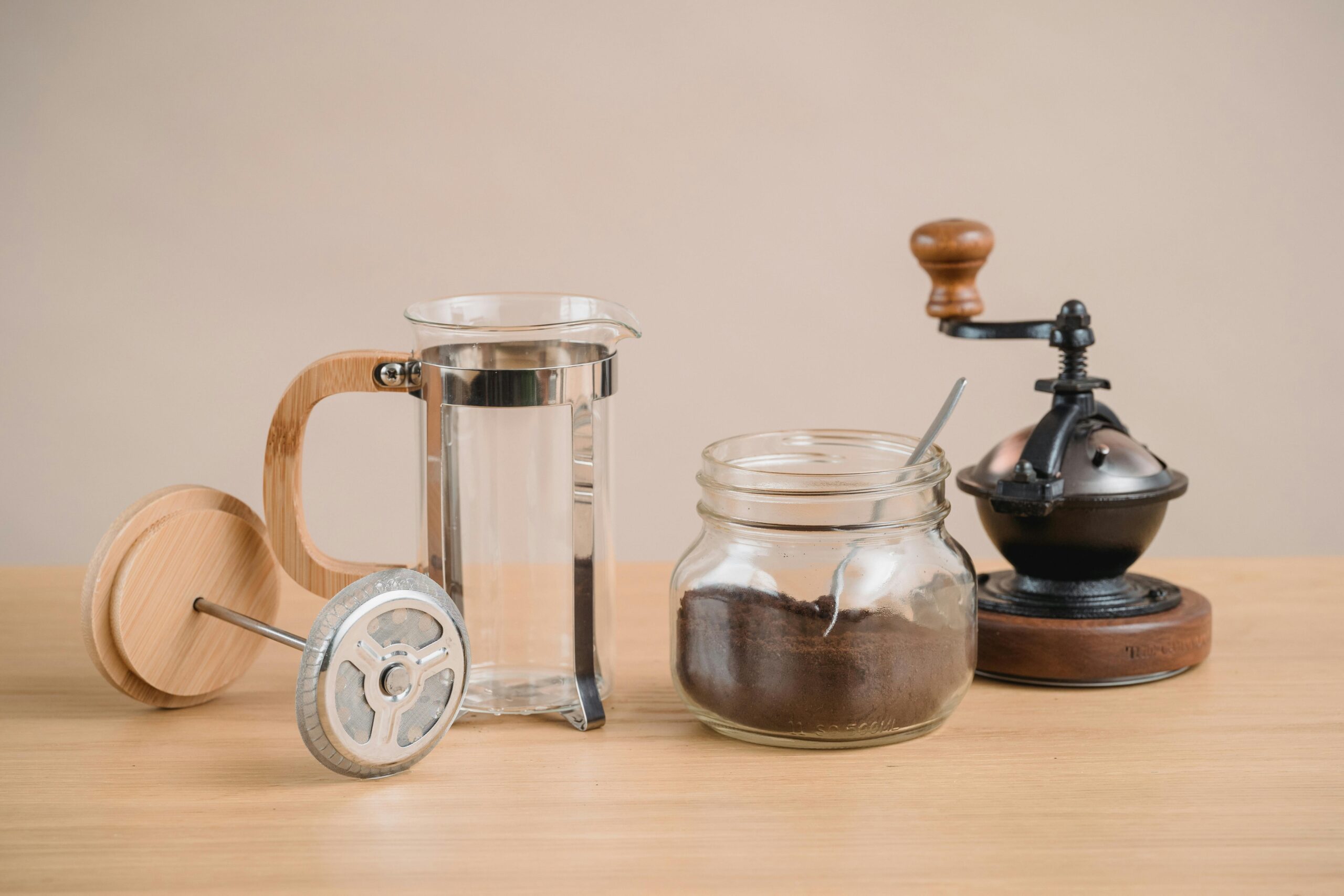
Hand grinders deliver remarkable grinding consistency at fraction of electric grinder costs. Models like the Hario Slim or Timemore C2 produce grind quality comparable to electric grinders costing three times as much. The tradeoff involves physical effort—expect 1-2 minutes of grinding per cup—but for budget-conscious enthusiasts, this represents an exceptional value proposition.
Manual grinders excel for single-cup brewing methods and travel scenarios. Their compact footprint suits small kitchens, and the absence of electric components means fewer potential failure points. Quality manual grinders often outlast budget electric alternatives by years.
Budget Electric Options Worth Considering
If manual grinding feels impractical for your lifestyle, entry-level burr grinders from brands like Baratza Encore or Capresso Infinity offer acceptable performance without premium pricing. Avoid blade grinders entirely—their inconsistent particle size creates uneven extraction that undermines even the finest beans.
Refurbished grinders from reputable manufacturers provide another avenue for savings. Many brands offer factory-refurbished units with full warranties at 20-30% discounts, delivering identical performance to new models.
☕ Brewing Methods That Maximize Quality While Minimizing Cost
The brewing device itself presents numerous budget-friendly options, each offering distinct flavor profiles and user experiences. Understanding these differences helps match methods to preferences without overspending.
Pour Over: Simplicity Meets Excellence
Pour-over brewing represents perhaps the best quality-to-cost ratio available. A basic Hario V60 dripper costs under $10, requires only paper filters, and produces clean, nuanced coffee that highlights bean characteristics. The technique demands attention and practice but rewards with exceptional control over extraction variables.
Alternative pour-over designs like the Melitta or Bee House offer slightly more forgiving brewing for beginners. These cone shapes naturally regulate flow rate, making consistent results easier while maintaining the clean flavor profile that defines pour-over coffee.
French Press: Bold Flavors Without Complexity
French press brewing delivers full-bodied coffee with substantial mouthfeel at minimal equipment cost. Quality models from Bodum or generic alternatives work identically—the simple mechanism leaves little room for meaningful performance differences. Expect to spend $15-30 for a durable press that lasts years.
The immersion brewing style produces forgiving results, making French press ideal for beginners. Slight variations in technique or timing rarely ruin the cup, unlike more sensitive pour-over methods.
Aeropress: Versatility in a Compact Package
The Aeropress occupies a unique position—more expensive than basic pour-overs but remarkably versatile. Its pressure-based extraction creates smooth coffee with lower acidity, while the included filter cap accommodates both paper and metal filters for texture variations.
Durability stands out with Aeropress units. The plastic construction survives drops that would shatter glass pour-over drippers, and the complete absence of breakable components suits travel or clumsy coffee enthusiasts.
Moka Pot: Stovetop Espresso Alternative
For those craving concentrated coffee without espresso machine investment, Moka pots deliver robust, intense brews. Bialetti models cost $25-40 and produce coffee stronger than drip but less intense than true espresso. The learning curve proves steeper than other methods, but mastering technique yields rewarding results.
💧 Water Matters More Than You Think
Coffee comprises 98% water, making water quality crucial for optimal flavor. Fortunately, addressing water doesn’t require expensive filtration systems—simple, affordable solutions dramatically improve brewing results.
Basic carbon filters like Brita pitchers remove chlorine and impurities that create off-flavors. For coffee purposes, these inexpensive filters provide sufficient purification without the cost of reverse osmosis or specialized coffee water systems.
Mineral content affects extraction chemistry significantly. Extremely soft or hard water both create problems—soft water under-extracts while hard water over-extracts and causes scale buildup. Third-wave water packets or DIY mineral recipes cost pennies per gallon and optimize water composition specifically for coffee brewing.
⚖️ Scales and Measurement: Precision Without Premium Pricing
Consistent coffee requires accurate measurement—both coffee dose and water volume. Fortunately, precision scales suitable for brewing cost significantly less than specialized coffee scales.
Basic kitchen scales with 0.1-gram accuracy and sufficient capacity work perfectly for coffee brewing. Features like timers and auto-off functions prove helpful but aren’t essential. Expect to spend $15-25 for reliable options that serve dual purposes in your kitchen.
Measuring coffee by weight rather than volume eliminates variability from bean density differences. This simple practice immediately improves consistency across different coffees and roast levels.
🌡️ Temperature Control on a Budget
Water temperature profoundly impacts extraction—too hot creates bitter, astringent coffee while too cool produces sour, under-extracted brews. Precise temperature control traditionally required expensive kettles, but budget alternatives now exist.
Affordable Electric Kettles
Variable temperature kettles from brands like Cosori or Hamilton Beach cost $40-60 and provide adequate temperature selection for different coffee types. While lacking the precision of premium models, their 5-10 degree variance proves acceptable for most brewing.
The Analog Approach
Any kettle paired with an instant-read thermometer works perfectly well with minimal additional effort. Boil water, check temperature, and wait if necessary—this method costs under $20 total and delivers precise results.
For pour-over brewing, gooseneck spouts facilitate controlled pouring. Budget gooseneck kettles without temperature control cost $20-30, or standard kettles work adequately with careful pouring technique.
📊 Building Complete Setups for Different Budgets
Understanding individual components helps, but seeing complete setups at various price points provides actionable guidance for building your coffee station.
| Budget Level | Equipment List | Total Cost | Best For |
|---|---|---|---|
| Minimal ($50-75) | Manual grinder, French press, basic kettle, kitchen scale | ~$60 | Beginners exploring coffee |
| Enthusiast ($100-150) | Quality manual grinder, V60 + Aeropress, gooseneck kettle, dedicated scale | ~$125 | Daily brewing with variety |
| Serious ($200-300) | Entry electric grinder, multiple brewing methods, variable temp kettle, precision scale | ~$250 | Multiple cups daily, entertaining |
🛒 Smart Shopping Strategies
Where and when you purchase equipment significantly impacts total costs. Strategic shopping extends your budget considerably further than impulse buying.
Timing Your Purchases
Major sales events like Black Friday, Prime Day, and post-holiday clearances offer 20-40% discounts on coffee equipment. Planning purchases around these events maximizes savings, particularly for larger items like grinders.
End-of-model-year clearances present another opportunity. When manufacturers release updated versions, retailers discount remaining stock of previous models that often perform identically to newer iterations.
Exploring Alternative Retailers
Restaurant supply stores stock commercial-grade equipment at competitive prices. Items like Moka pots, French presses, and basic scales often cost less than retail coffee specialty shops while offering identical or superior durability.
Online marketplaces like eBay or Facebook Marketplace feature gently used equipment from upgrading enthusiasts. Quality brewing devices have minimal wear points—a used V60 or Aeropress performs identically to new versions at fraction of retail price.
Avoiding False Economy
While budget consciousness guides these recommendations, certain ultra-cheap options waste money rather than save it. Blade grinders, poorly constructed French presses that break after months, and kettles with safety issues cost more long-term through replacements and ruined coffee.
Focus spending on items directly contacting coffee—grinder, brewing device, and filters—while economizing on peripheral items like storage containers or decorative elements.
☕ Maximizing Your Beans Budget
Equipment represents only half the equation—coffee beans themselves require budget consideration. Even the finest equipment cannot rescue stale, low-quality beans.
Local roasters often sell “day-old” beans at discounts—coffee roasted yesterday rather than this morning performs virtually identically at 20-30% savings. Many roasters also offer subscription discounts for regular customers.
Buying slightly larger quantities when fresh coffee goes on sale makes economic sense, provided you store beans properly. Airtight containers in cool, dark locations preserve beans for 2-3 weeks after roasting without significant quality loss.
Online retailers like Happy Mug or other budget-focused specialty roasters deliver freshly roasted beans at prices competitive with supermarket coffee while offering dramatically superior quality.
🔄 Maintaining Your Equipment for Longevity
Budget-friendly doesn’t mean disposable—proper maintenance extends equipment lifespan significantly, protecting your investment and preventing replacement costs.
Daily Cleaning Routines
Rinsing brewing devices immediately after use prevents coffee oil buildup that creates rancid flavors. This simple habit takes seconds but dramatically impacts both flavor and equipment longevity.
Grinders accumulate oils and fine particles that eventually turn rancid and contaminate fresh coffee. Brushing out your grinder weekly and occasionally grinding rice to absorb oils maintains performance without expensive cleaning products.
Descaling and Deep Cleaning
Hard water deposits accumulate in kettles and brewing devices over time, affecting heat transfer and flavor. Descaling solutions cost little, or simple white vinegar works effectively. Quarterly descaling prevents buildup that shortens equipment life.
French press and Aeropress components benefit from occasional deep cleaning with baking soda solutions. This removes stubborn coffee oils that regular rinsing misses, maintaining clean flavor profiles.
📱 Leveraging Technology for Better Brewing
Smartphone apps provide brewing guidance, ratio calculators, and technique tutorials without additional hardware costs. These digital resources accelerate your learning curve significantly.
Brewing ratio calculators help dial in your preferred strength across different coffee amounts and brewing methods. Timer apps with interval notifications guide pour-over technique, while note-taking apps let you record successful recipes for repeatability.
🎯 Your Path Forward: Starting Small and Scaling Smart
Building a complete coffee setup overnight isn’t necessary—starting with basics and gradually expanding prevents both financial strain and buyer’s remorse from purchasing unnecessary equipment.
Begin with a quality grinder and single brewing method matching your preferences. Master this combination before adding complexity. Each new brewing device or accessory should address a specific limitation or desire rather than impulse acquisition.
The coffee journey rewards patience and intentionality. A modest setup used skillfully produces better results than expensive equipment operated carelessly. Focus on technique development alongside gear acquisition—numerous free resources online teach proper brewing methods for every device mentioned here.
🌟 Brewing Excellence Within Reach
Quality coffee at home doesn’t demand luxury budgets or professional equipment. By prioritizing components that matter most—fresh beans and capable grinders—while economizing on less critical elements, anyone can build a setup producing exceptional coffee.
The recommendations outlined here represent starting points rather than rigid prescriptions. Your preferences, space constraints, and aesthetic desires rightfully influence choices. However, understanding where quality matters most and where budget alternatives suffice empowers confident purchasing decisions.
Every coffee enthusiast began somewhere, often with modest equipment and developing palates. The journey from first pour-over attempt to consistently excellent cups provides satisfaction beyond the beverage itself. Your budget-friendly setup becomes the foundation for years of morning rituals, afternoon pick-me-ups, and the simple pleasure of coffee crafted with care.
Start brewing better today—your perfect cup awaits, and it costs less than you imagined. ☕