Coffee enthusiasts know that the journey to a perfect cup begins long before hot water meets grounds. The grinder you choose fundamentally shapes every brewing experience, influencing flavor extraction, aroma release, and overall cup quality in ways that even premium beans cannot overcome with poor grinding equipment.

Whether you’re taking your first steps beyond pre-ground coffee or considering an upgrade from your trusty blade grinder, understanding the distinctions between entry-level, mid-range, and prosumer grinders will help you make an informed investment. This comprehensive guide explores what each category offers, helping you match your brewing ambitions with the right grinding solution.
Why Your Grinder Matters More Than You Think ☕
Many coffee newcomers invest heavily in expensive beans, elaborate brewing devices, and precision kettles while overlooking the most critical piece of equipment: the grinder. The truth is that freshly roasted beans ground poorly will always produce inferior results compared to decent beans ground well.
Grind consistency determines how evenly water extracts flavors from your coffee. Inconsistent particle sizes create a problematic mix—fine particles over-extract, becoming bitter, while larger chunks under-extract, tasting sour and weak. This extraction chaos muddles the intended flavor profile regardless of bean quality.
Particle size distribution also affects brewing method compatibility. Espresso demands extremely fine, uniform grounds to create proper resistance for pressure extraction. Pour-over methods need medium-fine consistency for controlled flow rates. French press requires coarse, even grounds to prevent over-extraction and excessive sediment.
Entry-Level Grinders: Starting Your Journey Right
Entry-level grinders typically range from $30 to $150, offering significant improvements over blade grinders without breaking the bank. These grinders suit casual coffee drinkers, those new to specialty coffee, or anyone brewing primarily with drip machines, French press, or pour-over methods.
Blade Grinders: The Budget Option to Avoid
While technically entry-level, blade grinders represent a false economy. These devices chop beans randomly rather than grinding them uniformly, creating wildly inconsistent particle sizes. The spinning blade also generates excessive heat, potentially damaging delicate flavor compounds before brewing even begins.
Blade grinders cost between $15-$40, making them tempting for beginners. However, the poor grind quality limits your ability to taste what specialty coffee truly offers. If budget constraints exist, consider hand grinders as a better alternative at similar price points.
Manual Hand Grinders: Maximum Value
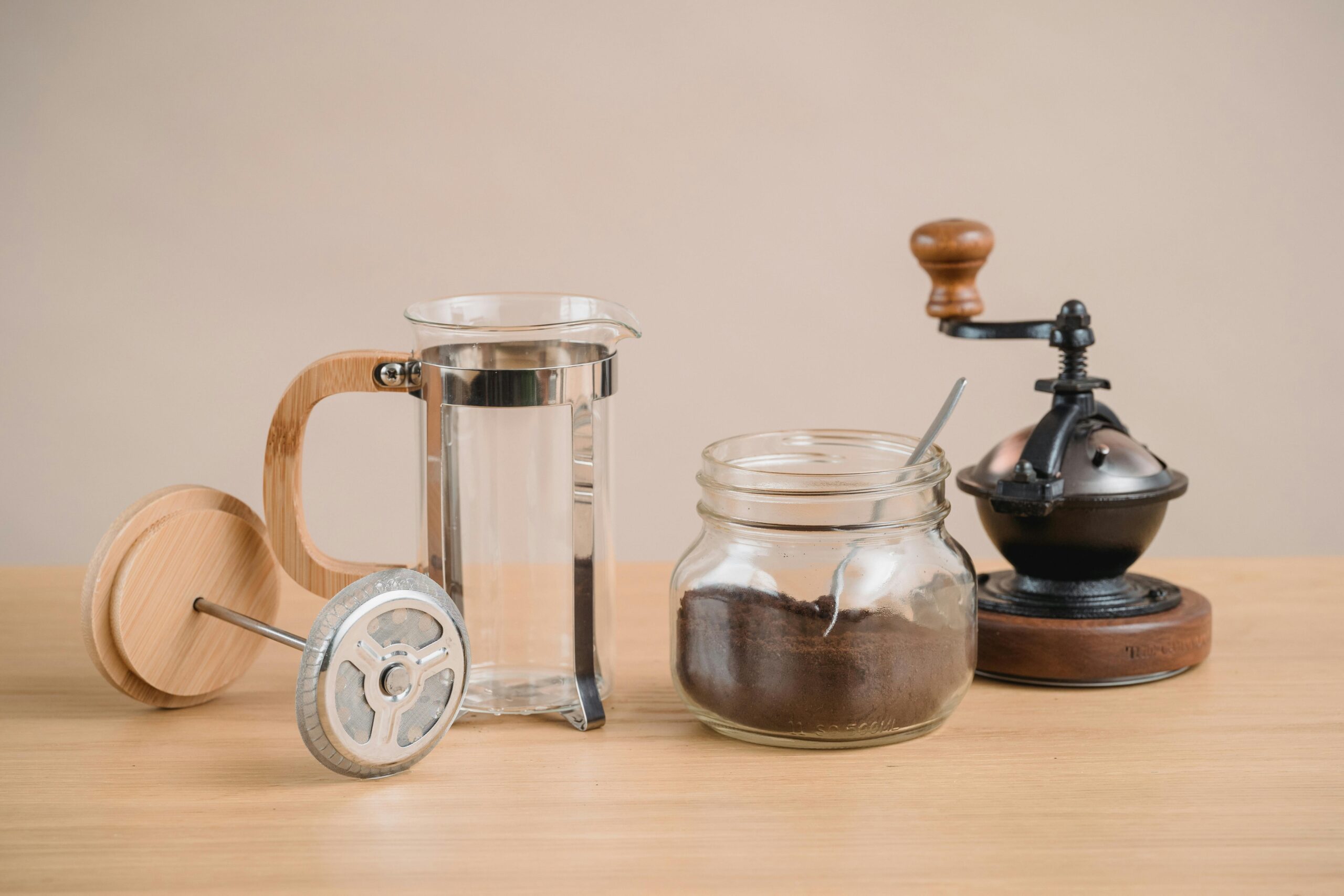
Hand grinders deliver remarkable grind quality for their price, often matching or exceeding electric grinders costing two or three times more. Popular models like the Hario Mini Mill, Porlex, and JavaPresse feature conical burrs that produce consistent grounds suitable for most brewing methods.
The primary trade-off is convenience—grinding beans manually requires physical effort and time, typically 1-2 minutes for a single serving. For those brewing one or two cups daily, this investment of time and energy remains manageable and even meditative for some users.
Hand grinders excel for travelers, office use, or anyone with limited counter space. Their compact designs, lack of electrical requirements, and quiet operation make them exceptionally versatile. Premium hand grinders like the 1Zpresso or Comandante approach mid-range electric grinder performance at lower costs.
Entry-Level Electric Burr Grinders
Electric burr grinders in this category include models like the Bodum Bistro, Capresso Infinity, and Baratza Encore. These grinders feature conical or flat burrs that crush beans between two surfaces, creating relatively consistent particle sizes suitable for most home brewing methods.
These grinders typically offer 15-40 grind settings, allowing adjustment from coarse French press to fine drip coffee grounds. While not precise enough for espresso, they handle filter coffee methods admirably, representing excellent value for developing palates.
Durability varies in this category. The Baratza Encore stands out for its repairable design, available replacement parts, and strong customer support—factors that extend its usable life considerably compared to sealed competitors. This serviceability often makes it worth the slight premium over alternatives.
Mid-Range Grinders: Serious Performance Without Professional Prices
Mid-range grinders occupy the $200-$500 space, delivering substantial performance improvements over entry options. These grinders suit dedicated home brewers, those exploring espresso, or anyone who tastes the difference that grind quality makes and wants to optimize their brewing results.
What Distinguishes Mid-Range Performance
The jump to mid-range brings several meaningful upgrades. Burr quality improves significantly, with precision-manufactured cutting surfaces that create more uniform particle sizes. Motor quality increases, providing consistent grinding speeds that prevent overheating during extended use.
Grind adjustment mechanisms become more precise, with some models offering stepless adjustment for infinite tuning between settings. This precision matters enormously for espresso, where minor adjustments dramatically impact extraction quality and timing.
Build quality improves substantially in this range. Metal components replace plastic in critical areas, reducing vibration and improving alignment stability. Better materials and construction translate to longer operational life and more consistent performance over thousands of grinding sessions.
Notable Mid-Range Electric Grinders
The Baratza Virtuoso and Sette 270 represent different approaches within this category. The Virtuoso offers 40 grind settings covering all brewing methods, with commercial-grade conical burrs that balance speed and consistency. Its simple interface and reliable performance make it ideal for multi-method brewers.
The Sette 270 targets espresso specifically, with a unique vertical grinding mechanism and micro-adjustment features that allow precise dialing-in. While less versatile for coarse grinds, its espresso performance rivals grinders costing significantly more, making it exceptional value for dedicated espresso enthusiasts.
The Eureka Mignon series offers Italian engineering at competitive prices. Models like the Manuale, Specialita, and Silenzio feature 55mm flat burrs, stepless adjustment, and remarkably quiet operation. Their compact footprint and elegant design suit smaller kitchens without compromising grind quality.
Fellow’s Ode grinder specifically targets filter coffee brewing, with 64mm flat burrs optimized for medium to coarse grinding. Its modern aesthetic, intuitive controls, and excellent grind consistency for pour-over methods appeal to design-conscious coffee enthusiasts who prioritize filter brewing over espresso.
When Mid-Range Makes Sense 🎯
Upgrading to mid-range becomes worthwhile when you consistently taste extraction issues despite proper technique, when exploring espresso requires more precision than entry grinders provide, or when daily grinding volume justifies investing in durability and speed.
These grinders also suit households where multiple people brew coffee throughout the day. Better motors and construction handle frequent use without degrading performance, while faster grinding speeds reduce wait times during busy mornings.
Consider mid-range grinders as the “sweet spot” for serious hobbyists—they provide genuinely excellent results without the extreme costs of professional equipment. Most coffee enthusiasts find this category delivers diminishing returns beyond this point unless specific needs justify prosumer investments.
Prosumer Grinders: Approaching Commercial Quality at Home
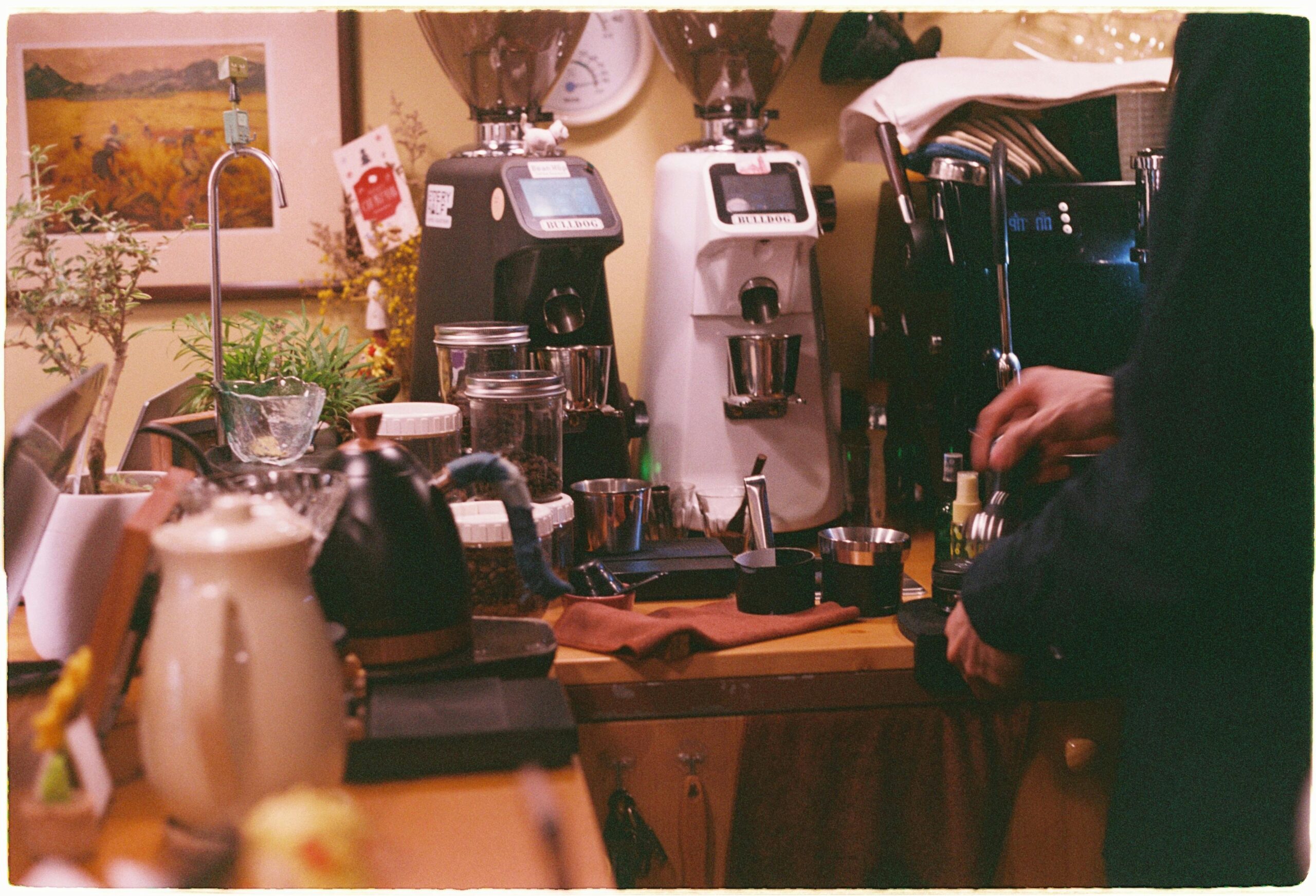
Prosumer grinders span roughly $500-$1500, occupying the space between advanced home equipment and entry-level commercial machines. These grinders deliver exceptional performance, featuring components and construction quality that enable consistent results matching or exceeding many café standards.
Professional Features for Home Use
Prosumer grinders incorporate large burr sets (typically 64-83mm) that maintain cooler operating temperatures and process beans faster while maintaining consistency. These substantial burrs create more uniform particle distributions, improving extraction quality noticeably even to non-expert palates.
Advanced grind adjustment systems offer extreme precision, with some models featuring digital controls allowing repeatable settings saved to memory. This repeatability matters when switching between different coffees, brewing methods, or espresso recipes throughout the day.
Build quality reaches semi-commercial standards, with heavy-duty motors, metal chassis construction, and components designed for sustained daily use over many years. Many prosumer grinders share parts with commercial equipment, ensuring longevity and repairability that justifies their significant investment.
Leading Prosumer Models
The Niche Zero revolutionized the prosumer category with its single-dose approach, eliminating retention and allowing easy switching between coffees. Its 63mm conical burrs, stepless adjustment, and minimal waste appeal to enthusiasts who appreciate coffee variety and grinding precisely what they’ll brew immediately.
Baratza’s Forte series offers either ceramic or steel burrs with 260 grind settings and programmable dosing by time or weight. The Forte BG (brew grinder) excels at filter methods, while the Forte AP (all-purpose) handles both espresso and brewed coffee with exceptional versatility.
The Eureka Atom series represents Italian engineering at its finest, with 65mm flat burrs, stepless micrometric adjustment, and remarkably low retention. These grinders operate quietly despite powerful motors, making them suitable for apartments or shared living spaces where noise matters.
Lagom P64 and other “flat burr” specialty grinders target discerning espresso enthusiasts, offering massive 64mm burrs, precision adjustment mechanisms, and ultra-low retention designs. These grinders produce exceptionally uniform particle distributions that enable advanced espresso techniques and nuanced flavor clarity.
Who Benefits from Prosumer Investment
Prosumer grinders suit multiple scenarios: serious espresso enthusiasts seeking café-quality results at home, households with high daily coffee consumption justifying premium durability, or those who’ve developed palates sensitive to the improvements these grinders provide.
They also appeal to coffee professionals working from home, anyone operating small-scale coffee businesses (like pop-ups or subscription services), or enthusiasts for whom coffee represents a primary hobby worthy of significant investment.
The performance gap between mid-range and prosumer grinders is real but narrower than between entry and mid-range. Unless you’ve maximized other variables—water quality, bean freshness, brewing technique—the improvements may not justify the cost. However, for those seeking ultimate quality, prosumer grinders deliver tangible benefits.
Comparing Key Features Across Categories
| Feature | Entry-Level | Mid-Range | Prosumer |
|---|---|---|---|
| Price Range | $30-$150 | $200-$500 | $500-$1500+ |
| Burr Size | 38-40mm | 40-55mm | 64-83mm |
| Grind Consistency | Good for filter | Good for espresso | Excellent for all methods |
| Build Quality | Plastic components | Mixed materials | Premium metals |
| Adjustment Precision | 15-40 settings | 40+ settings/stepless | Stepless/digital |
| Retention | 2-4 grams | 0.5-2 grams | 0.1-0.5 grams |
| Lifespan | 2-5 years | 5-10 years | 10+ years |
Matching Grinder Category to Brewing Method
Different brewing methods demand varying grind consistencies and adjustment precision. Understanding these requirements helps identify which grinder category best suits your primary brewing approach.
French Press and Cold Brew
These immersion methods require coarse, uniform grounds to prevent over-extraction and excessive sediment. Entry-level burr grinders handle this grind size admirably, making them perfectly adequate for French press devotees. The forgiving nature of immersion brewing means that slight inconsistencies don’t dramatically impact results.
Pour-Over and Drip Coffee
Filter methods benefit from medium-fine grounds with good consistency to maintain proper flow rates and even extraction. Entry-level grinders work acceptably well here, though mid-range options provide noticeably better clarity and balance through improved particle uniformity.
Espresso: The Most Demanding Method ⚡
Espresso absolutely requires precise, consistent grinding to create proper resistance for pressure extraction. While high-end entry grinders can produce espresso, results remain inconsistent and dialing-in proves frustrating. Mid-range grinders designed for espresso deliver reliable results, while prosumer options enable the precision necessary for advanced techniques.
The extremely fine grind size, tiny adjustment increments required, and sensitivity to even minor variations make espresso the benchmark for grinder quality. If espresso represents your primary interest, budgeting appropriately for a capable grinder matters more than any other equipment purchase.
Making Your Decision: Practical Considerations
Beyond performance specifications, several practical factors influence which grinder category suits your situation best. Consider these elements alongside your budget and brewing preferences.
Kitchen Space and Aesthetics
Prosumer grinders often occupy substantial counter space, with footprints comparable to espresso machines. If kitchen real estate is limited, compact mid-range options or hand grinders might better suit your space constraints without significantly compromising quality for most brewing methods.
Design preferences also matter if your grinder remains visible. Some prefer the industrial aesthetic of commercial-style equipment, while others appreciate sleek, minimalist designs that integrate seamlessly with modern kitchens. Fortunately, attractive options exist across all categories.
Noise Levels
Grinding coffee inevitably creates noise, but volume varies considerably between models. If you brew early mornings in shared living spaces or apartments with thin walls, grinder noise becomes a genuine concern. Hand grinders offer silent operation, while certain electric models specifically engineer for quiet performance.
The Eureka Mignon series, for example, operates remarkably quietly despite powerful motors, while other grinders at similar price points produce significantly more noise. If this matters to your situation, research specific models’ noise characteristics before purchasing.
Cleaning and Maintenance Requirements 🧹
All grinders require periodic cleaning to remove accumulated oils and fine particles that affect performance and taste over time. Entry-level grinders often feature simpler designs that ease disassembly and cleaning, while some prosumer models require more involved processes or specialized tools.
Consider your willingness to perform regular maintenance. Some enthusiasts enjoy the hands-on aspect of equipment care, while others prefer simple, low-maintenance designs. Grinders with removable burrs, accessible grinding chambers, and clear maintenance instructions suit those who’ll actually perform regular cleaning.
Upgrading Your Grinder: When and Why
Many coffee enthusiasts start with entry-level equipment and upgrade as their interest deepens. Recognizing the right time to upgrade prevents premature spending while avoiding prolonged frustration with inadequate equipment.
Consider upgrading when you consistently identify grind quality as the limiting factor in your brewing results, when exploring new brewing methods (especially espresso) that exceed your current grinder’s capabilities, or when your grinder struggles with your daily volume requirements.
Also upgrade when you’ve optimized other variables—using fresh, quality beans, proper water, correct brewing parameters—yet results still disappoint. If technique and ingredients are solid, equipment becomes the logical next improvement.
Conversely, delay upgrading if you’re still developing basic brewing skills, inconsistently source quality beans, or haven’t fully explored your current grinder’s capabilities. Better equipment won’t compensate for fundamental technique issues or stale beans, and premature upgrades waste money better spent on quality coffee to practice with.
The Long-Term Investment Perspective 💰
Viewing grinder purchases through a long-term lens changes the calculation considerably. A $400 mid-range grinder used daily for seven years costs roughly 15 cents per day—negligible compared to café prices. Even prosumer grinders, used for a decade or more, represent modest daily investments.
Quality grinders also retain resale value reasonably well, particularly sought-after models from reputable manufacturers. A well-maintained Baratza, Eureka, or Niche grinder sells used for 50-70% of retail price, effectively reducing your net investment considerably if you eventually upgrade.
Factor in the improved coffee quality over thousands of cups. If better grinding elevates your daily coffee from “acceptable” to “genuinely enjoyable,” the cumulative satisfaction over years of use justifies virtually any reasonable grinder investment for true coffee enthusiasts.
Finding Your Perfect Grinding Partner
Choosing a coffee grinder ultimately involves balancing performance needs, budget realities, and practical considerations specific to your situation. Entry-level grinders serve casual brewers and filter coffee enthusiasts perfectly well, offering dramatic improvements over pre-ground coffee without substantial investment.
Mid-range grinders represent the sweet spot for serious hobbyists, delivering excellent performance across brewing methods including espresso, with durability and features that satisfy demanding users without extreme costs. These grinders suit anyone who’s moved beyond casual interest into genuine coffee enthusiasm.
Prosumer equipment targets perfectionist tendencies, offering commercial-quality results for those who taste the difference and value the improvements enough to justify significant investment. These grinders serve professional standards in home environments, satisfying the most discerning palates.
Regardless of which category suits your needs, prioritize consistent burr grinding over blade chopping, buy from reputable manufacturers with available support and parts, and remember that even modest grinders vastly improve your coffee experience compared to pre-ground alternatives. The perfect cup starts with the grind—choose equipment that matches your brewing ambitions and enjoy the journey toward coffee mastery.