Finding the perfect espresso machine can transform your daily coffee ritual from ordinary to extraordinary. Whether you’re a beginner or seasoned barista, understanding your options makes all the difference.

The world of espresso machines is vast and exciting, filled with options ranging from budget-friendly manual models to professional-grade automatic systems. With so many choices available, selecting the right machine for your needs and budget requires careful consideration of features, functionality, and long-term value.
☕ Understanding the Different Types of Espresso Machines
Before diving into specific models and price points, it’s essential to understand the main categories of espresso machines available on the market today. Each type offers distinct advantages and comes with its own learning curve and investment level.
Manual Espresso Machines: The Purist’s Choice
Manual espresso machines, also known as lever machines, give you complete control over every aspect of the brewing process. These machines require you to manually generate pressure to extract espresso, making them ideal for enthusiasts who want to master the craft. While they demand more skill and patience, manual machines offer unparalleled control over extraction and can produce exceptional results in experienced hands.
Semi-Automatic Machines: The Perfect Balance
Semi-automatic espresso machines strike an excellent balance between control and convenience. They automate water temperature and pressure while allowing you to control grind size, tamping pressure, and extraction time. This category represents the sweet spot for many home baristas who want quality results without excessive complexity.
Automatic and Super-Automatic Options
Automatic machines handle most of the brewing process with the push of a button, while super-automatic models can grind beans, dose, tamp, brew, and even froth milk automatically. These machines prioritize convenience and consistency, making them perfect for busy households or those who want café-quality drinks without the learning curve.
💰 Budget-Friendly Options: Under $300
Starting your espresso journey doesn’t require breaking the bank. Several excellent entry-level machines deliver surprising quality and help you develop barista skills without a massive investment.
The De’Longhi EC155 stands out as an excellent starter machine, offering reliable performance at an accessible price point. This compact unit features a manual frother and can use both ground coffee and ESE pods, providing flexibility for beginners. While it won’t match professional-grade equipment, it delivers respectable crema and allows you to practice fundamental techniques.
Another worthy contender in this price range is the Mr. Coffee Café Barista. This machine includes an automatic milk frother and one-touch controls, making it incredibly user-friendly for those just starting out. It’s particularly appealing for families or individuals who prioritize convenience over absolute control.
Key Features to Expect in Budget Machines
- Basic pressure systems (typically 15 bars)
- Plastic construction with some metal components
- Manual or basic automatic milk frothing
- Single or double shot portafilters
- Compact footprint suitable for small kitchens
- Limited temperature stability
Budget machines teach you essential skills and help you determine whether espresso-making is a hobby you’ll pursue long-term before committing to a more substantial investment.
🎯 Mid-Range Machines: $300-$800
The mid-range category offers significant quality improvements and features that serious home baristas will appreciate. These machines typically include better build quality, more precise temperature control, and enhanced steam power for milk-based drinks.
The Breville Bambino Series
Breville’s Bambino and Bambino Plus models have revolutionized the entry-to-mid-range segment. These compact machines heat up in just three seconds and feature automatic milk texturing (in the Plus model). With precise digital temperature control and excellent build quality, they punch well above their weight class and produce consistently excellent results.
Gaggia Classic Pro: The Enthusiast’s Darling
The Gaggia Classic Pro has earned legendary status among espresso enthusiasts. This semi-automatic machine features commercial-grade components, including a 58mm portafilter and brass boiler. It’s highly moddable, allowing you to upgrade components over time, and many users keep their Gaggia machines for decades.
This price range also introduces machines with PID controllers, which maintain precise water temperature—a critical factor in extracting the best flavors from your coffee beans. The investment in temperature stability alone can dramatically improve shot consistency and quality.
What Mid-Range Investment Gets You
- Stainless steel or brass boilers for better heat retention
- Commercial-style portafilters (often 58mm)
- PID temperature control on select models
- Powerful steam wands for quality microfoam
- Pre-infusion capabilities
- Improved pressure profiling
- Better long-term durability and serviceability
⭐ Premium Machines: $800-$2,000
Premium machines bring you into territory where quality, features, and performance approach commercial standards. These machines are built to last and can satisfy even the most discerning coffee connoisseurs.
Rocket Appartamento: Italian Engineering Excellence
The Rocket Appartamento represents Italian espresso tradition at its finest. This heat exchange machine allows simultaneous brewing and steaming, featuring a distinctive circular display and copper boiler. The build quality is exceptional, with attention to detail that makes it as much a kitchen showpiece as a functional appliance.
Profitec Pro 300: German Precision
German engineering shines in the Profitec Pro 300, a compact dual boiler machine that delivers professional-grade performance. Separate boilers for brewing and steaming mean you can work efficiently without temperature compromises. The PID controller ensures precision, while the rotary pump operates quietly compared to vibratory pump alternatives.
At this level, you’ll also encounter machines like the Lelit Bianca, which offers flow control and pressure profiling—features that let you manipulate pressure throughout the extraction process to highlight specific flavor characteristics in different beans.
Premium Machine Advantages
- Dual boiler systems for optimal workflow
- E61 or similar commercial groupheads
- Rotary pumps for quieter operation and plumbing options
- Advanced pressure profiling capabilities
- Professional-grade steam performance
- Exceptional build quality with premium materials
- Extensive customization options
- Long-term reliability with serviceable components
🏆 Professional-Grade Home Machines: $2,000+
At the top tier, you’re investing in machines that can legitimately compete with commercial café equipment. These are serious tools for serious coffee lovers who want the absolute best home espresso experience possible.
The La Marzocco Linea Mini brings genuine café technology into home kitchens. This scaled-down version of the legendary Linea Classic features dual boilers, PID control, and the same saturated grouphead used in professional settings. The smartphone connectivity allows you to preheat the machine remotely and monitor performance metrics.
Another exceptional option is the Decent Espresso Machine, which takes a radically different approach with its tablet-controlled interface and advanced pressure profiling. This machine appeals to data-driven enthusiasts who want to explore every variable in espresso extraction and can save and share detailed shot profiles.
🔍 Essential Features to Consider Regardless of Budget
Certain features matter across all price points when evaluating espresso machines. Understanding these elements helps you make informed decisions within your budget constraints.
Temperature Stability: The Foundation of Quality
Consistent water temperature is arguably the most critical factor in producing excellent espresso. Even budget-conscious buyers should prioritize machines with decent thermal stability. Look for brass or stainless steel boilers rather than aluminum, and consider whether temperature control is manual or automated.
Pressure and Pump Quality
Most espresso machines advertise 15-bar pressure, but the pump type matters more than the number. Vibratory pumps are common and affordable but louder. Rotary pumps, found in premium machines, run quieter and allow for direct water line plumbing. Quality pressure delivery at the grouphead (ideally 9 bars during extraction) trumps maximum pump pressure.
Steam Wand Performance
If you enjoy milk-based drinks like cappuccinos and lattes, steam wand quality becomes crucial. Single-hole steam tips struggle to create proper microfoam, while multi-hole commercial-style wands provide better control and faster steaming. The steam boiler size also impacts how quickly you can steam milk and how much volume you can process.
📊 Comparing Value Across Price Ranges
| Price Range | Best For | Key Advantages | Limitations |
|---|---|---|---|
| Under $300 | Beginners exploring espresso | Low commitment, basic functionality, compact size | Inconsistent results, plastic construction, limited control |
| $300-$800 | Serious home enthusiasts | Commercial components, better control, good steam power | Single boiler workflow, may require modifications |
| $800-$2,000 | Dedicated coffee lovers | Dual boilers, professional quality, excellent consistency | Higher maintenance, larger footprint, longer heat-up |
| $2,000+ | Ultimate performance seekers | Café-quality results, advanced features, superior durability | Significant investment, complex features, requires dedication |
🛠️ Don’t Forget the Grinder!
Many first-time buyers make the mistake of investing heavily in an espresso machine while neglecting the grinder. This approach is fundamentally backwards—your grinder impacts espresso quality as much as or more than the machine itself.
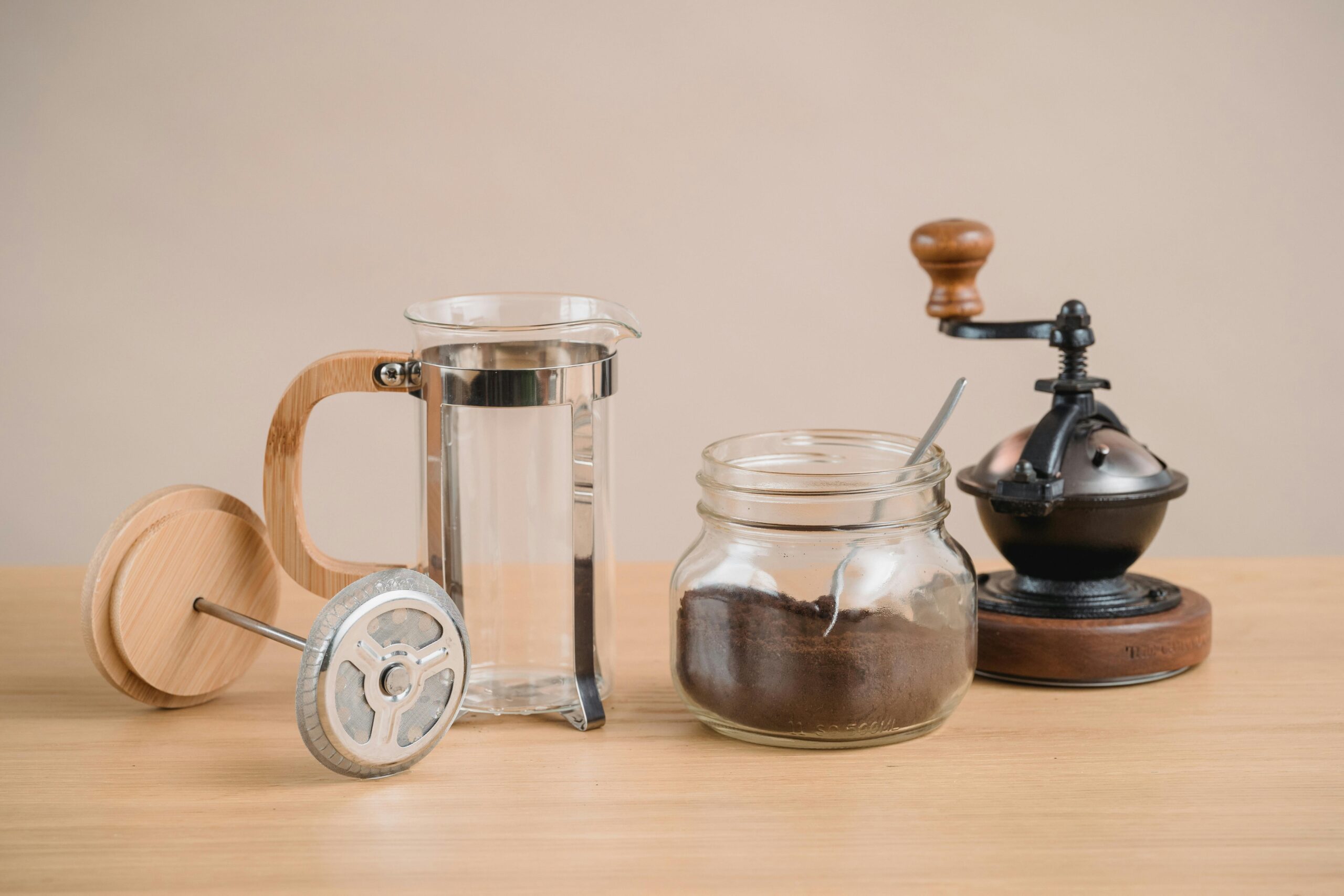
A quality burr grinder with stepless or very fine adjustment is essential for dialing in espresso properly. Budget at least 30-40% of your espresso machine cost for a capable grinder. Popular options include the Baratza Sette 270 for mid-range budgets and the Niche Zero or Eureka Mignon Specialita for premium setups.
Why Grinder Quality Matters
Pre-ground coffee or inadequate grinders produce inconsistent particle sizes, leading to channeling and poor extraction. A quality grinder ensures uniform particles, allowing water to flow evenly through the coffee puck. This consistency is the difference between mediocre and magnificent espresso.
💡 Making Your Final Decision
Choosing the best espresso machine for your budget involves honest assessment of your commitment level, space constraints, and coffee preferences. Consider these questions before purchasing:
- How many drinks will you make daily?
- Do you primarily enjoy straight espresso or milk-based beverages?
- How much counter space can you dedicate?
- Are you willing to invest time learning proper technique?
- Do you value convenience or control?
- What’s your realistic budget including grinder and accessories?
First-time buyers often benefit from starting in the mid-range category with machines like the Gaggia Classic Pro or Breville Bambino Plus. These provide room to grow your skills without overwhelming complexity or excessive investment. If budget allows, prioritizing a quality grinder alongside a modest machine often yields better results than an expensive machine with an inadequate grinder.
🎓 The Learning Curve and Long-Term Satisfaction
Making exceptional espresso is genuinely challenging, regardless of your machine’s price point. The learning process involves understanding extraction principles, dialing in grind settings, perfecting tamping pressure, and mastering milk steaming technique. This journey is part of the appeal for many enthusiasts but can frustrate those expecting instant results.
Set realistic expectations based on your chosen machine category. Budget machines require more skill to overcome their limitations, while premium machines provide more forgiveness and consistency. However, even top-tier equipment demands proper technique and quality beans to shine.
Resources for Continued Learning
The espresso community is incredibly supportive and knowledge-rich. Online forums, YouTube channels, and local barista workshops provide invaluable learning opportunities. Engaging with these resources accelerates your skills development and helps troubleshoot challenges as they arise.
🌟 Maximizing Your Investment
Once you’ve selected and purchased your espresso machine, certain practices help ensure long-term satisfaction and performance. Regular maintenance, quality water, and proper cleaning routines protect your investment and maintain shot quality over years of use.
Backflushing your machine weekly with appropriate detergent prevents coffee oil buildup in the grouphead. Descaling every few months removes mineral deposits that affect temperature control and flow rate. Using filtered water reduces scale formation and improves taste while extending machine longevity.
Replace gaskets and shower screens as needed—these inexpensive components significantly impact extraction quality. Many enthusiasts enjoy performing their own maintenance, while others prefer professional servicing annually. Either approach works, provided you stay consistent.
🚀 Your Journey to Better Espresso Starts Now
The perfect espresso machine exists for every budget and skill level. Whether you invest $200 or $5,000, understanding what features matter most and aligning your purchase with your actual needs ensures satisfaction. Remember that technique and quality beans matter as much as equipment—a skilled barista can produce impressive results even on modest machines.
Start where your budget allows, focus on developing proper technique, and upgrade strategically as your skills and passion grow. The journey from novice to accomplished home barista is immensely rewarding, transforming your relationship with coffee and bringing daily moments of caffeinated joy.
Most importantly, enjoy the process! Espresso making combines science, art, and ritual into a uniquely satisfying practice. Each shot provides opportunity for refinement and experimentation, keeping the experience fresh and engaging for years to come. Your perfect machine awaits—choose wisely, practice diligently, and savor every delicious result.