Finding the perfect milk frother doesn’t mean emptying your wallet. The right tool can transform your morning coffee into a café-quality experience right at home.

Whether you’re a latte lover, cappuccino enthusiast, or simply someone who enjoys perfectly textured milk, budget-friendly frothers have come a long way in recent years. Gone are the days when quality foam required expensive equipment or barista training. Today’s market offers surprisingly capable options that deliver professional results without the premium price tag, making it easier than ever to elevate your daily coffee ritual.
Why Invest in a Milk Frother? ☕
The transformation from regular milk to silky, velvety foam might seem like a small detail, but it fundamentally changes your coffee experience. A quality frother creates microfoam with tiny, uniform bubbles that blend seamlessly with espresso, creating that signature café texture you’ve been craving.
Beyond aesthetics, frothed milk enhances flavor perception. The aeration process brings out milk’s natural sweetness and creates a creamier mouthfeel. You’ll notice subtle flavors in your coffee that were previously masked, and the temperature control that comes with proper frothing ensures every sip is at the perfect warmth.
The financial argument is equally compelling. Consider that a single specialty coffee drink costs between $4 to $6 at most coffee shops. A budget-friendly frother pays for itself after just 10-15 home-brewed beverages. Over a year, you could save hundreds of dollars while enjoying unlimited customization of your drinks.
Understanding Different Types of Milk Frothers
The milk frother market offers several distinct categories, each with unique advantages depending on your needs, space constraints, and usage frequency. Understanding these differences helps you make an informed choice that aligns perfectly with your lifestyle.
Handheld Electric Frothers 🔋
These battery-operated wands represent the most affordable entry point into milk frothing. Priced typically between $10-$25, they’re compact, portable, and incredibly simple to operate. You simply insert the whisk end into heated milk and activate the motor for 15-30 seconds until your desired foam consistency appears.
The main advantage is convenience and minimal cleanup. They work directly in your cup or any container, requiring no dedicated vessel. They’re perfect for single servings and take up virtually no counter space. However, they require you to heat milk separately and demand a steady hand to prevent splashing.
Automatic Electric Frothers
Standing as the middle-ground option, automatic frothers typically range from $30-$80 in the budget category. These standalone appliances both heat and froth milk with the press of a button, offering hands-free convenience that busy mornings demand.
Most models feature multiple settings for hot foam, cold foam, and hot milk without foam. The built-in heating element eliminates the need for separate milk warming, streamlining your routine. Capacity varies from single servings to enough foam for multiple drinks, making them suitable for households with several coffee drinkers.
Manual Pump Frothers
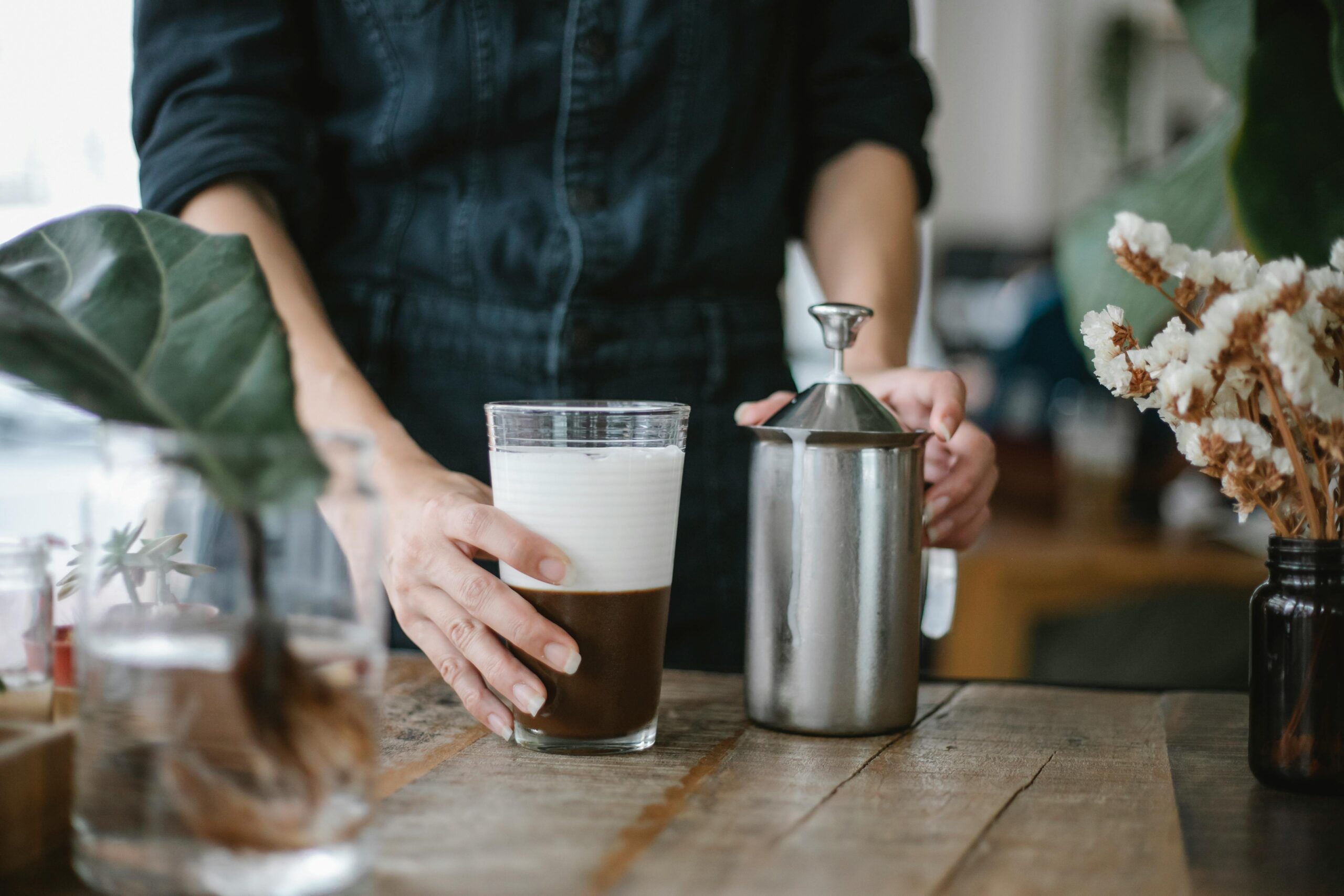
These mechanical devices require no electricity whatsoever. Resembling a French press, they use a plunging mesh screen to incorporate air into milk through manual pumping action. Priced between $15-$35, they’re reliable, portable, and environmentally friendly.
The foam quality can be excellent with proper technique, though it requires more physical effort and practice to master. They’re ideal for camping, travel, or situations without electrical access. The glass or stainless steel construction also allows for direct stovetop or microwave heating in some models.
Top Budget-Friendly Frothers: Detailed Comparison 🏆
The Handheld Champions
Among handheld frothers, several models consistently receive praise for performance that belies their modest price. The PowerLix frother, typically priced around $15, has earned thousands of positive reviews for its powerful motor and durable stainless steel whisk. It creates impressively dense foam in approximately 20 seconds and runs on two AA batteries that last for months with daily use.
The Zulay Kitchen frother offers similar performance with slightly different ergonomics, featuring a comfortable grip that reduces hand fatigue during use. Its standout feature is the stand base, solving the common problem of where to place a foam-covered wand between uses.
For those seeking maximum power, the Aerolatte frother delivers professional-grade results despite its compact size. The premium stainless steel construction feels substantial, and the motor operates more quietly than competitors while still producing excellent microfoam. At around $20, it represents excellent value for the quality delivered.
Automatic Frother Standouts
The Miroco milk frother has become a budget category favorite, typically available for $35-$45. It features a non-stick interior coating for easy cleaning, four function settings, and capacity for up to 240ml of froth or 450ml of warm milk. The magnetic whisk attachment ensures proper alignment and consistent results every time.
Another strong contender is the Secura automatic frother, which includes both frothing and heating discs. The double-wall construction keeps the exterior cool to touch while maintaining ideal internal temperatures. It shuts off automatically when complete, preventing over-frothing or burning, a safety feature appreciated by multitasking morning routines.
The Elementi Premier frother distinguishes itself with a particularly quiet operation and sleek design that complements modern kitchens. It produces notably smooth foam texture and includes a cold foam setting perfect for iced lattes during warmer months. The scratch-resistant coating has proven durable even with daily use over extended periods.
Manual Pump Performers
The Bodum Latteo stands as the gold standard among manual frothers, combining elegant French design with practical functionality. The heat-resistant borosilicate glass container allows visual monitoring of your foam development, while the fine-mesh plunger creates remarkably consistent microfoam. Priced around $30, it’s microwave-safe and dishwasher-friendly.
The Bialetti Tutto Crema offers an affordable alternative at roughly $25, featuring a similar pump mechanism in a slightly more compact format. The Italian engineering shows in the smooth plunger action and reliable foam production. The smaller capacity makes it ideal for individual servings or couples.
Key Features Worth Your Attention 🎯
Build Quality and Materials
Even among budget options, material selection dramatically impacts longevity and performance. Stainless steel construction resists corrosion and maintains appearance over time, whereas plastic components may discolor or develop odors. The whisk or frothing mechanism should be robust enough to withstand daily use without bending or breaking.
Non-stick coatings in automatic frothers simplify cleaning but vary in quality. PFOA-free certifications ensure safety, while thick, well-applied coatings resist scratching better than thin layers. Check user reviews for reports of coating degradation, as this indicates poor quality control.
Ease of Cleaning
This seemingly minor consideration becomes crucial with daily use. Milk residue left inside frothers can create unpleasant odors and affect taste if not properly cleaned. Automatic frothers with removable components and wide openings simplify this process considerably.
Some automatic models are dishwasher-safe, though hand washing often extends their lifespan. Handheld frothers with detachable whisks clean more thoroughly than permanently attached versions. Consider how much time you’re willing to invest in post-coffee cleanup when making your selection.
Versatility Across Milk Types
Not all frothers perform equally across different milk varieties. Whole milk froths most reliably due to higher fat content, but many coffee enthusiasts prefer alternatives. Oat milk has gained popularity for its naturally creamy texture and excellent frothing properties when using barista-blend versions.
Almond, soy, and coconut milk present more challenges, often requiring specific techniques or more powerful motors to achieve stable foam. If you primarily use non-dairy alternatives, research which frothers specifically excel with these options, as some are optimized for traditional dairy while others accommodate plant-based milks more successfully.
Making the Most of Your Milk Frother 💡
Temperature Matters
The ideal frothing temperature ranges between 140-155°F (60-68°C). Too cold, and proteins don’t properly denature to create stable foam structure. Too hot, and you’ll scald the milk, producing a burnt taste and breaking down the foam bubbles you’ve worked to create.
For handheld frothers requiring separate heating, a kitchen thermometer helps maintain consistency until you develop an intuitive feel for proper temperature. Many users find that 30-40 seconds in the microwave for a standard cup achieves the sweet spot, though this varies by microwave wattage and milk quantity.
Technique Tips for Perfect Foam
With handheld frothers, position the whisk just below the milk surface initially to incorporate maximum air, then gradually lower as foam develops. Keep the whisk at a slight angle rather than perfectly vertical to create better circulation. Avoid overworking the milk—15-30 seconds usually suffices for most handheld models.
For automatic frothers, don’t exceed the maximum fill line, as foam expands significantly and may overflow. Cold milk froths better than room temperature milk, so keep your preferred milk refrigerated until use. The initial temperature difference gives more frothing time before reaching the ideal serving temperature.
With manual pump frothers, vigorous plunging for 30-60 seconds creates the best results. Maintain a steady rhythm rather than varying speed randomly. The foam will continue to thicken slightly after you stop pumping, so stop just before reaching your desired consistency.
Common Mistakes to Avoid ⚠️
New frother owners frequently overheat their milk in pursuit of hot drinks, not realizing this destroys foam stability. Remember that milk continues cooking slightly after heat removal, so stopping just before your target temperature prevents overshooting.
Using too little milk ranks as another common error. Most frothers require minimum quantities to function effectively—typically at least one-third cup. Insufficient volume prevents proper circulation and air incorporation, resulting in large bubbles rather than silky microfoam.
Neglecting regular deep cleaning allows milk residue buildup that harbors bacteria and creates off-flavors. Even if your frother looks clean, milk proteins and fats accumulate in crevices and under attachments. Weekly thorough cleaning with proper disassembly maintains both hygiene and performance.
Maximizing Value and Longevity 🛠️
Proper maintenance extends the life of budget frothers considerably. For battery-operated models, remove batteries if storing unused for extended periods to prevent corrosion. Replace batteries at first signs of decreased power rather than waiting for complete failure, as weak batteries strain motors unnecessarily.
Store automatic frothers with lids slightly ajar to allow air circulation and prevent moisture accumulation. This simple habit prevents musty odors and potential mold growth in humid climates. Keep electrical bases dry and wipe spills immediately to protect internal components.
For all frother types, descaling every few months removes mineral buildup from hard water. A solution of equal parts white vinegar and water, run through a frothing cycle or left to soak for 15 minutes, dissolves deposits effectively. Rinse thoroughly afterward to eliminate any vinegar taste.
When to Upgrade Beyond Budget Options
Budget frothers serve most home users excellently, but certain situations warrant considering premium alternatives. If you’re preparing multiple drinks consecutively several times daily, commercial-grade durability becomes worthwhile. Heavy use quickly reveals quality differences that occasional users might never notice.
Serious espresso enthusiasts seeking competition-level microfoam for latte art will eventually outgrow budget options. The precise temperature control and steam pressure of prosumer machines creates foam textures that electric frothers can’t quite replicate, though the difference matters primarily to perfectionists.
However, for the vast majority of home coffee lovers, modern budget frothers deliver satisfaction that makes expensive upgrades unnecessary. The performance gap has narrowed dramatically in recent years, with well-designed affordable options producing results that would have required professional equipment just a decade ago.
Your Perfect Frother Awaits ☕
Choosing among budget-friendly milk frothers ultimately depends on your specific priorities. If counter space is limited and you primarily make single servings, handheld electric frothers offer unbeatable convenience and value. Their portability also makes them ideal for office use or travel.
Households with multiple coffee drinkers or those valuing hands-free operation will appreciate automatic electric frothers despite the slightly higher investment. The time saved during busy mornings and consistent results justify the additional cost for many users.
Manual pump frothers appeal to those seeking reliability without batteries or electricity, plus the satisfaction of hands-on control over foam texture. They’re also quieter than electric alternatives, important for early risers sharing space with late sleepers.
Whatever your choice, remember that the best frother is the one you’ll actually use consistently. A $15 handheld model used daily delivers more value than a $50 automatic frother gathering dust in a cabinet. Consider your realistic habits rather than aspirational ones when deciding.
The transformation of your home coffee routine doesn’t require premium prices. Budget-friendly frothers have democratized café-quality drinks, proving that perfect foam is accessible to everyone. Your morning ritual deserves that velvety texture and enhanced flavor that proper frothing provides—without breaking the bank to achieve it.