Every coffee lover knows that brewing the perfect cup involves more than just quality beans. The filter paper you choose plays a crucial role in determining both your wallet’s health and your coffee’s final taste profile.

With countless filter paper options flooding the market, from budget-friendly bleached varieties to premium Japanese imports, making an informed decision requires understanding the delicate balance between cost-effectiveness and flavor enhancement. This comprehensive guide will help you navigate the world of coffee filter papers, examining how different types affect extraction, taste, and your overall brewing experience.
🔍 Understanding Coffee Filter Paper Basics
Filter paper serves as the barrier between coffee grounds and your final brew, capturing oils, sediments, and fine particles while allowing water-soluble compounds to pass through. The material composition, thickness, and manufacturing process all significantly impact how your coffee tastes and how much you’ll spend over time.
Most coffee filters are made from paper fibers, typically sourced from wood pulp or bamboo. The density and quality of these fibers determine the filter’s ability to trap unwanted elements while maintaining optimal flow rate. Understanding these fundamentals helps you appreciate why price differences exist and whether premium options justify their cost.
Bleached vs. Unbleached Filter Papers
The most fundamental distinction in filter papers revolves around the bleaching process. Bleached filters undergo treatment with chlorine or oxygen to achieve their characteristic white appearance, while unbleached filters retain their natural brown color. This difference extends beyond aesthetics, affecting both environmental impact and taste.
Bleached filters typically cost slightly more but offer a completely neutral taste profile. They require rinsing before use to eliminate any residual processing chemicals, though modern oxygen-bleached varieties minimize this concern. Unbleached filters present an eco-friendlier option at marginally lower prices, though some users detect a subtle papery taste if not properly rinsed.
💰 Breaking Down the Cost Spectrum
Coffee filter papers range dramatically in price, from economy packs offering hundreds of filters for a few dollars to artisanal Japanese options costing several cents per filter. Understanding this spectrum helps you determine where your priorities lie between budget consciousness and potential quality improvements.
| Filter Category | Average Cost Per Filter | Annual Cost (1 cup/day) | Key Characteristics |
|---|---|---|---|
| Budget Brands | $0.02-$0.04 | $7-$15 | Basic filtration, variable quality |
| Mid-Range Options | $0.05-$0.10 | $18-$37 | Consistent performance, reliable |
| Premium Specialty | $0.15-$0.30 | $55-$110 | Enhanced flavor clarity, superior materials |
| Ultra-Premium Japanese | $0.35-$0.60 | $128-$219 | Exceptional clarity, artisanal production |
When evaluating cost-effectiveness, consider your brewing frequency and coffee quality. Using premium filters with supermarket pre-ground coffee rarely makes financial sense, while pairing specialty filter papers with freshly roasted single-origin beans can reveal nuances you’d otherwise miss.
The Hidden Economics of Filter Paper Quality
Beyond the sticker price, filter paper quality affects other cost factors in your brewing routine. Inferior filters may tear or collapse, wasting both coffee and time. They might also allow excessive sediment through, requiring additional cleanup and potentially affecting your brewing equipment’s longevity.
Premium filters often feature better structural integrity, allowing for proper bloom and even extraction. This means you can potentially use slightly less coffee per brew while achieving comparable strength, offsetting some of the additional filter cost over time.
☕ How Filter Paper Impacts Coffee Flavor
The relationship between filter paper and flavor proves more complex than many home brewers realize. Filter material doesn’t just passively separate grounds from liquid—it actively participates in the extraction process, influencing body, clarity, and the presence of specific flavor compounds.
Thicker, denser filters trap more coffee oils and suspended solids, producing a cleaner cup with enhanced clarity and brightness. These characteristics appeal to those who appreciate delicate flavor notes and lighter roasts. Conversely, thinner filters allow more oils through, creating fuller body and richer mouthfeel that complements medium to dark roasts.
The Oil Question: Body vs. Clarity
Coffee oils carry significant flavor compounds but also contribute to bitterness and can muddy subtle taste notes. Premium filter papers typically use finer fiber weaving that captures these oils more effectively, resulting in what coffee professionals call “sweetness”—the perception of clean, bright flavors without harsh edges.
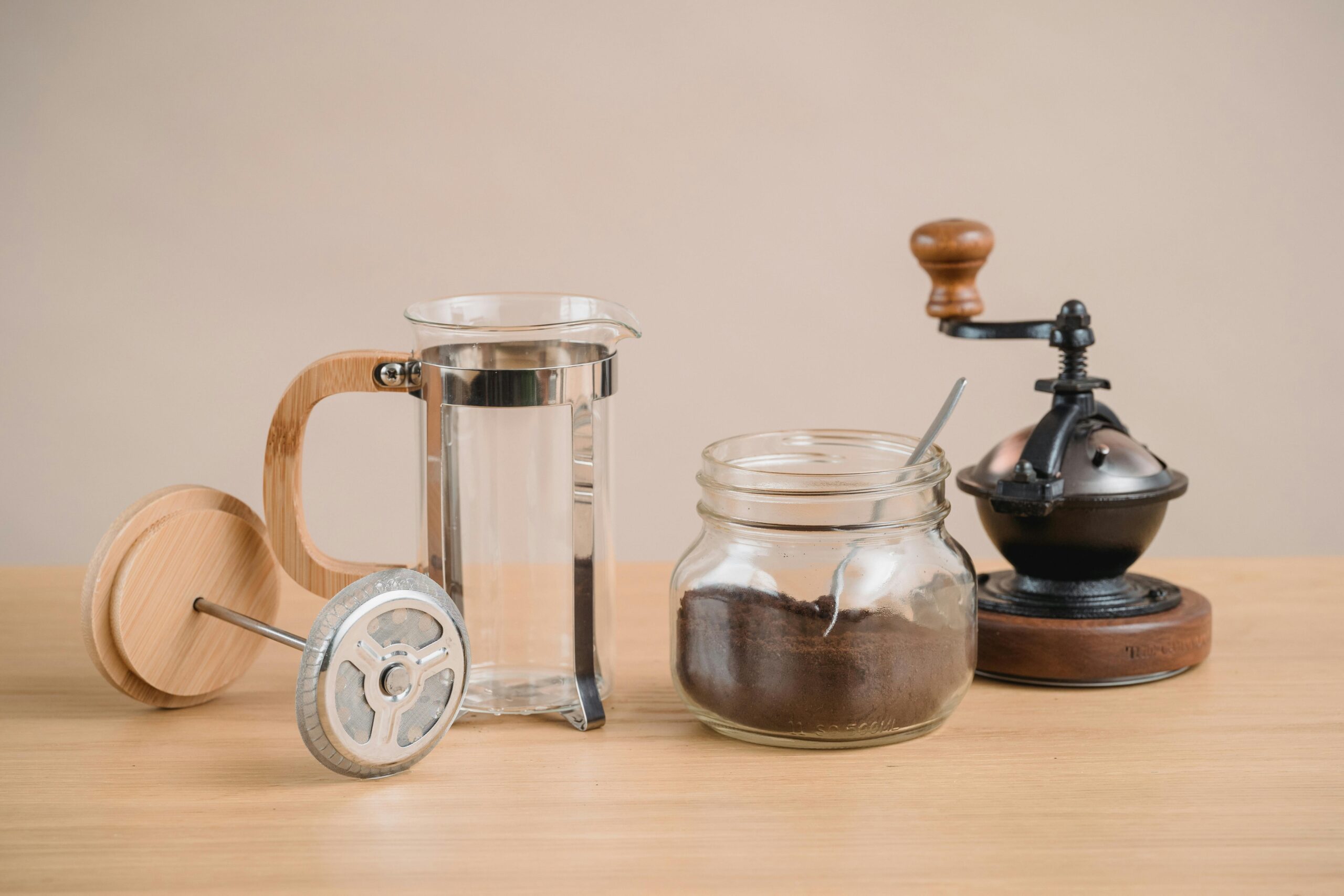
Budget filters with looser fiber structures permit more oil passage, which some coffee drinkers prefer. This isn’t necessarily inferior; it’s a matter of taste preference. French press enthusiasts who enjoy full-bodied coffee might find premium filter papers remove too much character from their brew.
🧪 Material Science: What Makes Quality Filters Different
Not all paper filters are created equal, and understanding the material science reveals why price variations exist. The source material, fiber length, bonding methods, and manufacturing precision all contribute to performance differences that directly impact your coffee experience.
Premium filters often utilize longer fibers, creating more consistent pore sizes and uniform thickness throughout the filter. This consistency ensures even water flow and balanced extraction across all coffee grounds. Budget options may have irregular thickness or varying pore sizes, leading to channeling where water flows through preferred paths rather than saturating all grounds evenly.
Japanese Filter Technology
Japanese manufacturers like Hario, Kalita, and Cafec have elevated filter paper production to an art form. These companies employ specialized manufacturing processes that create exceptionally uniform fiber distribution and precise thickness control, typically ranging from 0.15mm to 0.25mm with minimal variation.
The result is noticeably improved flavor clarity and extraction consistency. Many specialty coffee professionals swear by these premium options when showcasing expensive single-origin coffees, arguing that the filter cost becomes negligible when protecting a $25+ bag of exceptional beans from suboptimal brewing.
📊 Conducting Your Own Filter Comparison
The most valuable way to assess filter papers involves systematic testing with your specific brewing setup and coffee preferences. Professional cuppers use standardized protocols, but home brewers can conduct meaningful comparisons with simple methods.
Start by selecting three to four filter types across different price points. Use the same coffee, grind setting, water temperature, and brewing method for all tests. Brew multiple cups with each filter type, ideally on different days to account for palate variation, and take notes on body, clarity, aftertaste, and overall enjoyment.
Key Evaluation Criteria
- Flow Rate: Time how long each filter takes to drain completely. Faster isn’t always better—optimal extraction requires appropriate contact time.
- Sediment Level: Examine your cup’s bottom after cooling. Excessive sediment indicates inadequate filtration.
- Clarity vs. Body: Assess whether the coffee tastes clean and bright or rich and heavy. Neither is superior; it depends on your preference.
- Consistency: Repeat brews should taste similar. Variable results suggest quality control issues with the filter paper.
- Structural Integrity: Note any tearing, collapsing, or deformation during brewing, especially near the seam.
🌍 Environmental Considerations in Filter Selection
Sustainability-conscious coffee drinkers must weigh environmental impact alongside cost and flavor. Single-use paper filters generate waste, though they’re generally compostable and biodegradable. The bleaching process, material sourcing, and manufacturing energy all contribute to environmental footprint.
Unbleached filters from sustainably managed forests or bamboo sources represent the most eco-friendly disposable option. Some premium brands now offer certified organic filters produced with renewable energy. While slightly more expensive, these choices align brewing habits with environmental values without requiring reusable metal filters that significantly alter flavor profiles.
The Reusable Alternative Reality
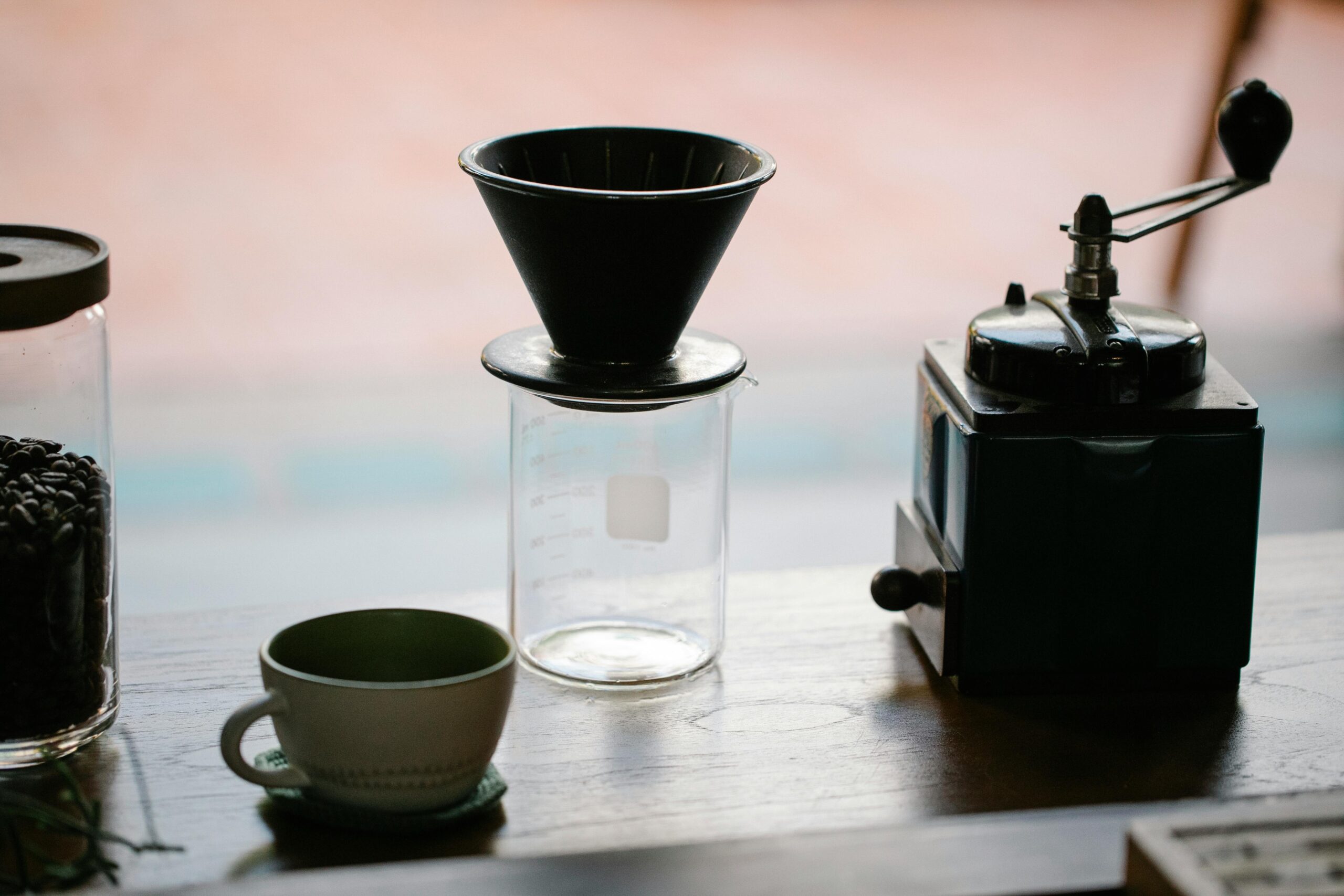
Permanent metal or cloth filters eliminate ongoing paper costs and waste, but they fundamentally change coffee character. Metal filters produce fuller body with more oils and sediment, resembling French press coffee. This makes direct comparison with paper filters challenging—you’re essentially choosing different brewing methods rather than optimizing a single approach.
For dedicated pour-over enthusiasts who value clarity and bright flavor notes, paper filters remain preferable despite environmental drawbacks. Using compostable, sustainably sourced options mitigates ecological concerns while preserving desired taste characteristics.
💡 Smart Buying Strategies for Coffee Filters
Maximizing value from filter paper purchases requires strategic thinking beyond simply buying the cheapest option. Bulk purchasing, seasonal sales, and matching filter quality to coffee quality all contribute to smarter spending without compromising your brewing results.
For daily brewing with mid-range coffee, purchase mid-tier filters in bulk quantities. The per-unit savings add up significantly over a year, and storage space for a few hundred filters rarely poses problems. Reserve premium filters for special occasions when brewing exceptional coffee that deserves optimal treatment.
When to Splurge and When to Save
Premium filters make the most sense when brewing light roast, specialty-grade coffee where subtle flavor notes justify the enhanced clarity. Dark roasts with bold, robust profiles show less dramatic improvement with expensive filters, making mid-range options more cost-effective.
Consider your brewing method too. Complex pour-over techniques with precise temperature control and bloom timing benefit more from premium filters than simple auto-drip machines. Match your filter investment to your overall brewing sophistication level for the best return on investment.
🎯 Finding Your Perfect Filter Match
Ultimately, the ideal filter paper balances cost, flavor impact, and personal preferences in ways that vary for each coffee enthusiast. Someone brewing two cups daily with supermarket beans has different optimal choices than a weekend sipper savoring expensive specialty coffee.
Start with a mid-range option from a reputable brand, then experiment upward or downward based on your experience. Pay attention to how filters interact with your specific coffee, water, and brewing method. The “best” filter isn’t universal—it’s the one that delivers your preferred taste profile at a price point you find reasonable.
Track your experiments in a simple notebook or phone app, noting which filters work best with which coffees. Over time, you’ll develop personal guidelines that optimize your brewing results while keeping costs manageable. This knowledge transforms filter paper from an afterthought into a deliberate tool for improving your daily coffee ritual.
🏆 Making the Final Decision
After considering cost factors, flavor implications, and practical considerations, most coffee enthusiasts find success with a tiered approach. Keep premium filters on hand for special coffees while using quality mid-range options for daily brewing. This strategy balances budget consciousness with the ability to showcase exceptional beans when they deserve it.
Remember that filter paper represents just one variable in the complex equation of coffee brewing. Consistent results depend more on proper grind size, water quality, temperature control, and technique than on filter paper alone. However, for those who’ve already optimized other variables, upgrading filter quality provides noticeable refinement.
The modest annual cost difference between budget and mid-range filters—often less than the price of two cafe lattes—makes experimentation low-risk. Try several options, trust your palate, and let your personal taste preferences guide your choice rather than blindly following recommendations or defaulting to the cheapest option.
Brewing smarter means understanding how every element contributes to your cup, from bean selection through filter paper to serving vessel. When you appreciate the role each component plays, you can make informed decisions that elevate your coffee experience without unnecessary expense. Your perfect cup awaits, filtered through knowledge and refined by experimentation. ☕