Finding the right thermometer can transform how you monitor temperature in your daily life. Whether you’re checking body temperature, cooking the perfect steak, or monitoring your home’s climate, having the right tool makes all the difference.

Temperature measurement has evolved significantly over the years, moving from basic mercury thermometers to sophisticated digital devices and smart sensors. Today’s market offers an overwhelming variety of options, each designed for specific purposes and environments. Understanding which thermometer best suits your needs requires knowledge of the different types available, their accuracy levels, and their practical applications in real-world scenarios.
🌡️ Understanding the Different Types of Thermometers
The thermometer landscape has expanded dramatically, offering consumers numerous choices for various applications. Each type operates on different principles and serves distinct purposes, making it essential to understand their core characteristics before making a purchase decision.
Digital Thermometers: The Modern Standard
Digital thermometers have become the go-to choice for most households and professionals. These devices use electronic sensors to detect temperature changes and display results on an LCD screen. They’re fast, accurate, and easy to read, making them ideal for medical purposes, cooking, and general temperature monitoring.
The primary advantage of digital thermometers lies in their precision and speed. Most models provide readings within seconds, and their accuracy typically ranges from ±0.1°C to ±0.2°C. They’re battery-operated, portable, and often come with additional features like memory storage, fever alerts, and waterproof designs.
Infrared Thermometers: Contactless Convenience
Infrared technology has revolutionized temperature measurement by allowing contactless readings. These thermometers detect infrared radiation emitted by objects and convert it into temperature data. They’re particularly useful for checking surface temperatures, scanning large areas quickly, or measuring temperature from a distance.
Healthcare facilities widely adopted infrared thermometers during recent global health concerns, as they enable quick screening without physical contact. They’re also invaluable in industrial settings, HVAC maintenance, and cooking applications where direct contact isn’t feasible or safe.
Traditional Glass Thermometers: The Classic Approach
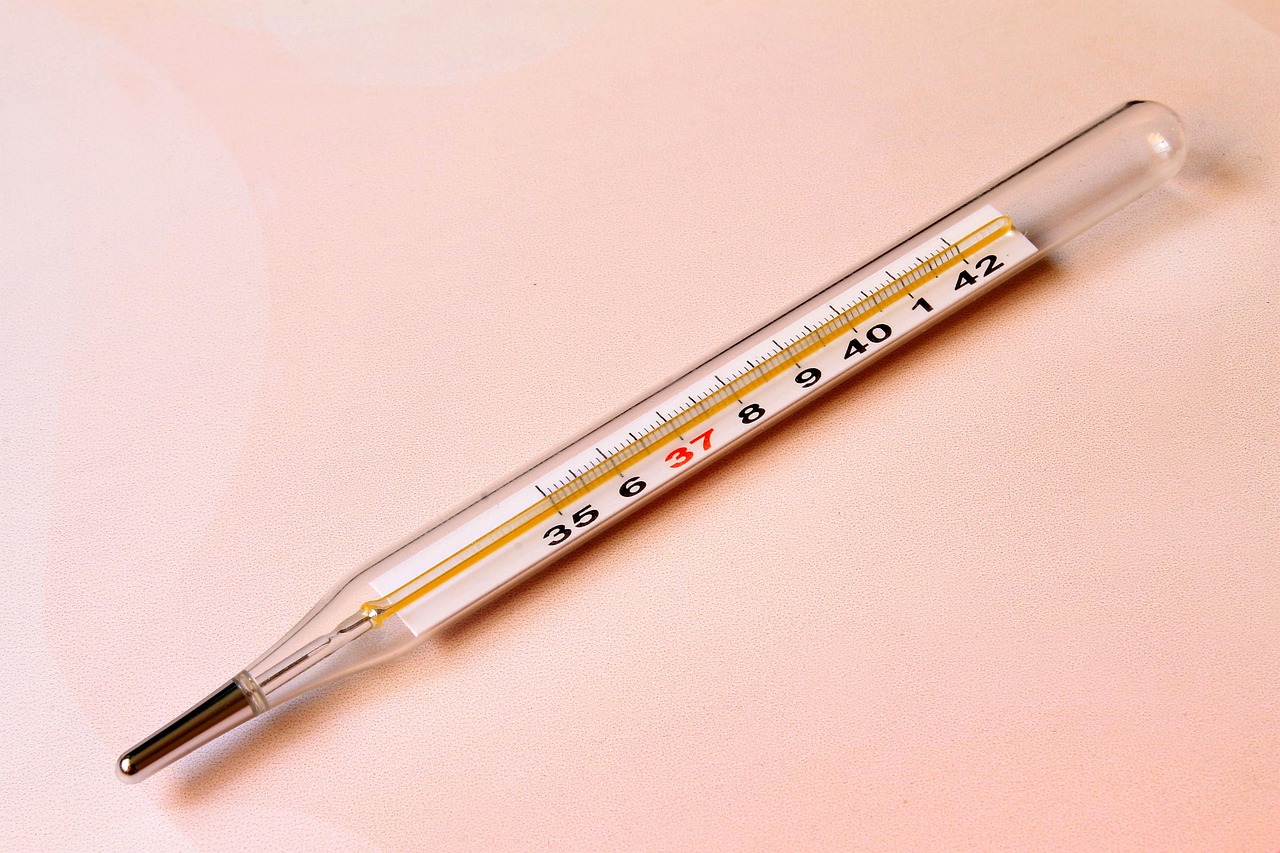
While less common today, traditional glass thermometers still have their place in certain applications. Modern versions use alcohol or gallium instead of mercury for safety reasons. These thermometers are reliable, require no batteries, and can last for years with proper care.
However, they’re slower to read, more fragile, and require careful interpretation. They’re best suited for situations where precision matters more than speed, such as laboratory work or specific medical applications.
🏥 Medical Thermometers: Accuracy When It Matters Most
When monitoring health, accuracy and reliability are non-negotiable. Medical thermometers must meet strict regulatory standards and provide consistent, dependable readings that healthcare providers can trust.
Oral and Rectal Digital Thermometers
These traditional digital thermometers remain the gold standard for accuracy in home health monitoring. Oral thermometers typically provide readings within 10-30 seconds, while rectal thermometers are considered the most accurate method for infants and young children.
Quality medical thermometers feature flexible tips for comfort, waterproof designs for easy cleaning, and automatic shut-off to preserve battery life. Many models include fever indicators that beep or change color when detecting elevated temperatures.
Temporal Artery Thermometers
These specialized devices scan the temporal artery in the forehead to measure core body temperature. They’re fast, non-invasive, and particularly useful for sleeping children or uncooperative patients. The technology is sophisticated but requires proper technique for accurate results.
Professional-grade temporal thermometers can cost significantly more than basic digital models but offer unmatched convenience in clinical and home settings.
Smart Thermometer Apps and Connected Devices
Modern technology has introduced smartphone-connected thermometers that sync with health tracking apps. These devices store temperature history, track trends over time, and can share data directly with healthcare providers.
Some dedicated thermometer apps use your smartphone’s sensors to measure ambient temperature or connect to external Bluetooth thermometers for more accurate readings. These digital solutions appeal to tech-savvy users who want comprehensive health data at their fingertips.
🍳 Kitchen Thermometers: Cooking with Precision
Culinary success often depends on precise temperature control. Whether you’re roasting meat, making candy, or brewing coffee, the right thermometer ensures perfect results every time.
Instant-Read Thermometers for Quick Checks
These versatile tools provide rapid temperature readings for meats, liquids, and other foods. Quality instant-read thermometers respond in 2-5 seconds and feature thin probes that minimize puncture damage to foods.
Professional chefs rely on these thermometers to check doneness without cutting into meats, preserving juiciness and presentation. They’re essential for food safety, ensuring proteins reach safe internal temperatures that kill harmful bacteria.
Oven and Grill Thermometers
Built-in oven thermometers aren’t always accurate, making standalone oven thermometers valuable kitchen tools. These devices verify actual cooking temperatures, helping you adjust settings for perfect baking and roasting results.
For outdoor cooking enthusiasts, wireless grill thermometers with remote monitors allow you to track meat temperatures from a distance. Some advanced models feature multiple probes to monitor several items simultaneously and connect to smartphone apps for alerts and guidance.
Specialty Thermometers for Advanced Techniques
Candy and deep-fry thermometers withstand extreme temperatures and provide precise readings crucial for sugar work and safe frying. Milk frothing thermometers help baristas achieve perfect microfoam for lattes and cappuccinos.
These specialized tools demonstrate how thermometer technology has adapted to meet specific culinary needs, enabling home cooks to achieve professional-level results.
🏠 Environmental Thermometers: Climate Control and Comfort
Monitoring ambient temperature helps maintain comfortable living spaces, protect sensitive items, and optimize energy efficiency. Environmental thermometers serve various purposes in homes, offices, and specialized storage areas.
Indoor/Outdoor Weather Stations
Comprehensive weather stations measure temperature, humidity, barometric pressure, and more. They typically include wireless outdoor sensors that transmit data to an indoor display unit, providing real-time environmental information.
These systems help homeowners make informed decisions about heating, cooling, and ventilation. Some models forecast weather patterns based on pressure trends and connect to home automation systems for intelligent climate control.
Hygrometer-Thermometer Combinations
Temperature and humidity are closely linked factors in comfort and health. Combination devices monitor both metrics, helping you maintain ideal conditions for health, comfort, and preservation of furniture, musical instruments, and collectibles.
Digital hygrometer-thermometer units often include data logging features that track conditions over time, identifying patterns and potential problems before they cause damage or discomfort.
🔬 Industrial and Scientific Applications
Professional environments demand thermometers with exceptional accuracy, durability, and specialized capabilities. These tools often cost significantly more than consumer models but deliver performance that justifies their price in critical applications.
Laboratory-Grade Precision Instruments
Scientific research requires thermometers calibrated to exacting standards with traceability to national measurement institutes. These devices may offer accuracy to ±0.01°C or better, with stability across wide temperature ranges.
Platinum resistance thermometers (PRTs) and thermocouples represent the pinnacle of temperature measurement technology, used in research laboratories, pharmaceutical manufacturing, and aerospace applications where precision is paramount.
Industrial Process Monitoring
Manufacturing processes often depend on precise temperature control. Industrial thermometers must withstand harsh conditions including extreme temperatures, chemicals, pressure, and vibration while maintaining accuracy.
These rugged instruments often integrate with control systems, triggering automated responses when temperatures deviate from target ranges. They’re essential for quality control, safety compliance, and process optimization across countless industries.
📊 Key Features to Compare When Choosing a Thermometer
With so many options available, evaluating thermometers requires a systematic approach. Consider these critical factors to identify the best tool for your specific needs.
Accuracy and Precision
Accuracy indicates how close a reading is to the true temperature, while precision refers to repeatability. Medical and scientific applications demand high accuracy, typically ±0.1°C to ±0.2°C. Cooking thermometers can tolerate slightly lower accuracy, around ±1°C to ±2°C, while still delivering excellent results.
Always check manufacturer specifications for accuracy ratings across the device’s operating range, as performance may vary at temperature extremes.
Response Time and Speed
How quickly you need a reading influences which thermometer type suits your needs. Instant-read cooking thermometers provide results in 2-5 seconds, while traditional digital medical thermometers may require 30-60 seconds for accurate oral readings.
Infrared thermometers offer nearly instantaneous readings but may sacrifice some accuracy compared to contact methods. Balance speed against precision based on your application priorities.
Temperature Range
Different thermometers operate across different temperature ranges. Medical thermometers typically measure from 32°C to 43°C, sufficient for fever detection but useless in a kitchen. Cooking thermometers might range from -50°C to 300°C, while industrial models may handle -200°C to 1000°C or beyond.
Ensure the thermometer you choose covers the temperatures you’ll actually encounter in your intended application.
Durability and Build Quality
Consider the environment where you’ll use the thermometer. Kitchen models should be waterproof and withstand heat, steam, and occasional drops. Medical thermometers need easy sanitization. Industrial thermometers require rugged construction to survive harsh conditions.
Higher-quality materials and construction cost more initially but often prove more economical long-term through extended lifespan and reliable performance.
💡 Smart Technology and Connected Thermometers
The Internet of Things has transformed temperature monitoring through smart thermometers that connect to smartphones and cloud services. These devices offer features impossible with traditional thermometers.
Bluetooth and Wi-Fi Connectivity
Connected thermometers transmit data wirelessly to your smartphone or tablet, enabling remote monitoring from anywhere. Smart meat thermometers let you track cooking progress from your living room, while smart nursery thermometers alert parents if a baby’s room becomes too hot or cold.
These devices typically include apps with additional features like guided cooking programs, temperature history graphs, and customizable alerts that enhance their utility beyond simple measurement.
Integration with Smart Home Systems
Advanced thermometers integrate with smart home ecosystems like Google Home, Amazon Alexa, or Apple HomeKit. This integration enables voice control, automated responses based on temperature readings, and coordination with other smart devices.
Imagine your smart thermometer detecting a cold room and automatically adjusting your smart thermostat or turning on a connected space heater—that’s the power of integrated temperature monitoring.
🎯 Making Your Final Decision
Selecting the perfect thermometer requires matching device capabilities with your specific requirements. Start by clearly defining your primary use case and essential features.
Budget Considerations
Thermometer prices range from a few dollars for basic models to hundreds or thousands for professional-grade instruments. Determine your budget realistically, remembering that accuracy and reliability often correlate with price.
For most household applications, mid-range options between $20-$60 offer excellent value, combining good accuracy with useful features. Specialized professional needs justify premium pricing when accuracy and durability are critical.
Brand Reputation and Warranty
Established brands with strong reputations typically deliver better quality control and customer support. Research user reviews and professional evaluations to identify reliable manufacturers.
Warranty coverage provides peace of mind and indicates manufacturer confidence in their product. Look for at least a one-year warranty on quality thermometers, with longer coverage on premium models.
Calibration and Maintenance Requirements
All thermometers can drift from accuracy over time. Some allow user calibration, while others require professional recalibration. Medical and scientific applications often mandate regular calibration documentation for compliance.
Consider ongoing maintenance costs and requirements when evaluating thermometer options, especially for professional applications where accuracy verification is essential.
🌟 Maximizing Your Thermometer’s Performance
Proper use and maintenance ensure your thermometer delivers accurate, reliable results throughout its lifespan. Follow these best practices to optimize performance.
Always read the manufacturer’s instructions thoroughly before first use. Different thermometer types have specific placement requirements and techniques that affect accuracy. For medical thermometers, proper probe positioning and sufficient measurement time are crucial.
Clean and sanitize thermometers according to manufacturer guidelines after each use, especially medical and cooking models. Store thermometers in protective cases away from extreme temperatures and humidity when not in use.
Regularly verify accuracy using reference points like ice water (0°C) or boiling water (100°C at sea level), adjusting for altitude if necessary. Replace batteries promptly when low-battery indicators appear, as weak batteries can affect measurement accuracy.
🔄 When to Replace or Upgrade Your Thermometer
Even quality thermometers don’t last forever. Recognize signs that indicate replacement time: inconsistent readings, slow response times, physical damage, or inability to calibrate within acceptable tolerances.
Technology advances may also motivate upgrades. If your current thermometer lacks features that would significantly improve your workflow or results, upgrading to a more capable model makes practical sense.
Medical thermometers showing signs of inaccuracy should be replaced immediately, as reliable health monitoring depends on precise measurements. In professional settings, follow industry standards and regulations regarding thermometer lifespan and replacement schedules.
By understanding the diverse thermometer options available and carefully evaluating your specific needs, you can confidently select the perfect temperature measurement tool. Whether monitoring health, perfecting culinary creations, or maintaining comfortable living spaces, the right thermometer transforms temperature from an abstract concept into actionable, accurate information that improves your daily life and professional work.