Transforming your kitchen into a professional-grade coffee laboratory doesn’t require a fortune or a barista certification. With the right starter gear and knowledge, you can craft café-quality beverages from the comfort of your home while staying within budget.

The journey to becoming a home brewing expert starts with understanding that expensive equipment doesn’t always guarantee better coffee. Smart investments in essential tools, combined with proper technique, will elevate your daily cup from ordinary to extraordinary. Whether you’re a complete beginner or looking to upgrade from instant coffee, building your starter coffee lab is an exciting adventure that pays dividends with every delicious sip.
☕ Understanding the Foundation of Home Coffee Brewing
Before diving into equipment purchases, it’s crucial to understand what makes exceptional coffee. The quality of your final cup depends on several controllable variables: water temperature, grind consistency, brewing time, coffee-to-water ratio, and bean freshness. Professional baristas spend years mastering these elements, but with the right starter gear, you can shortcut much of this learning curve.
Home brewing differs from commercial operations primarily in scale, not in principle. The same extraction science that applies in specialty cafés works in your kitchen. The key is selecting equipment that gives you control over these variables without overwhelming complexity or excessive cost. Budget-conscious brewing means prioritizing versatility and precision over brand names and unnecessary features.
🎯 The Essential Starter Coffee Lab Equipment List
Building your coffee laboratory requires strategic thinking about which tools deliver the most value. A well-equipped starter setup should cost between $150-300 and provide everything needed for consistently excellent results. Let’s break down each essential component and why it matters.
The Grinder: Your Most Important Investment
If you’re working with a limited budget, allocate the largest portion to a quality burr grinder. Pre-ground coffee loses flavor within hours of grinding, while whole beans maintain freshness for weeks. A consistent grind is the single most important factor in extraction quality, making this tool non-negotiable for serious home brewers.
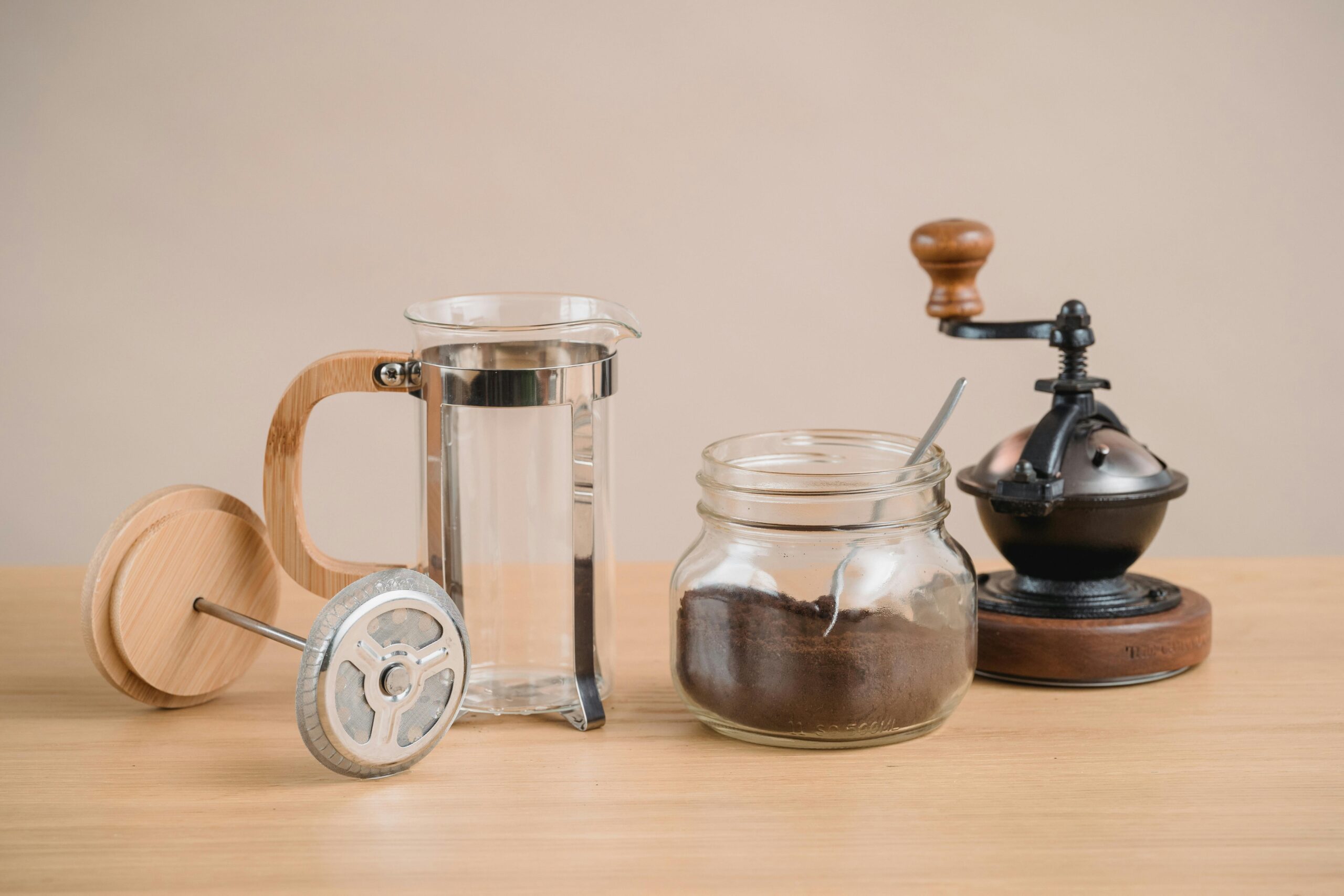
Manual burr grinders like the Hario Skerton Plus or Porlex Mini offer excellent grind consistency at $40-60. These require physical effort but produce results comparable to electric grinders costing three times more. For those willing to invest more, entry-level electric burr grinders from brands like Baratza Encore ($140) provide convenience without sacrificing quality.
Avoid blade grinders at all costs. They produce inconsistent particle sizes that result in simultaneous over-extraction and under-extraction, creating bitter yet sour coffee that no brewing technique can fix.
Brewing Device: Choosing Your Primary Method
Your brewing device shapes your daily coffee ritual and flavor profile. Budget-friendly options deliver professional results when used correctly:
- Pour Over (V60 or Chemex): These classic methods cost $20-45 and offer exceptional clarity and flavor brightness. They require practice but provide ultimate control over extraction.
- AeroPress: At around $35, this versatile device is nearly indestructible and allows experimentation with immersion and pressure brewing. It’s perfect for travel and produces clean, rich coffee.
- French Press: The most affordable option at $15-30, offering full-bodied coffee with minimal technique required. Ideal for beginners seeking immediate results.
- Moka Pot: For espresso-style coffee without espresso machine prices, quality Moka pots cost $25-40 and produce intense, concentrated brews.
Each method has strengths, and many home brewers eventually own multiple devices. Start with one that matches your taste preferences and lifestyle, then expand your collection as your palate develops.
📊 Precision Tools That Make the Difference
Professional brewing relies on measurements, not guesswork. These affordable precision tools transform inconsistent experiments into repeatable recipes.
Digital Scale: The Secret to Consistency
A kitchen scale with 0.1-gram precision and built-in timer costs $15-25 and revolutionizes your brewing. By weighing coffee and water rather than using volume measurements, you eliminate variables that cause batch-to-batch inconsistency. Look for models that can accommodate your brewing device, with at least 2kg capacity and a tare function.
Recording your ratios allows you to replicate successful brews and troubleshoot unsuccessful ones. The standard starting point is 1:16 coffee-to-water ratio (for example, 20 grams of coffee to 320 grams of water), which you can adjust based on taste preferences.
Temperature Control: Gooseneck Kettle Essentials
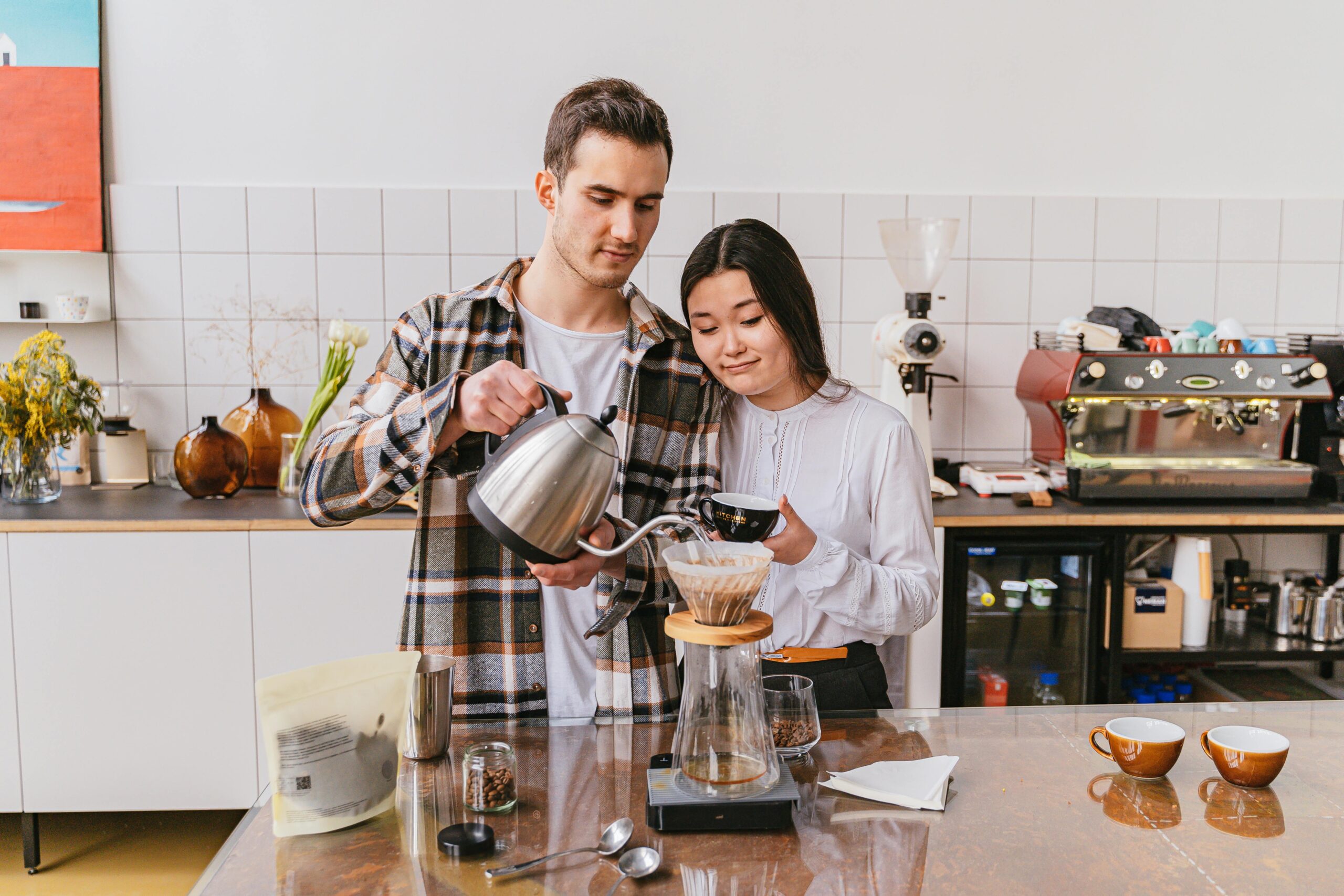
Water temperature dramatically affects extraction, with the ideal range between 195-205°F (90-96°C). A gooseneck kettle provides precise pouring control essential for pour-over methods. Basic stovetop versions start at $25, while electric models with temperature control range from $50-80.
The long, curved spout allows you to control flow rate and target specific areas of your coffee bed, ensuring even saturation. Temperature-controlled electric kettles eliminate guesswork and maintain consistency, making them worthwhile investments for serious home brewers.
💰 Budget Breakdown: Three Starter Lab Configurations
Different budgets and priorities call for different configurations. Here are three proven starter setups organized by investment level:
| Equipment | Minimal ($150) | Balanced ($250) | Enthusiast ($350) |
|---|---|---|---|
| Grinder | Manual Burr ($50) | Manual Burr ($60) | Electric Burr ($140) |
| Brewer | French Press ($20) | AeroPress ($35) | Pour Over + AeroPress ($60) |
| Scale | Basic Digital ($15) | Timer Scale ($25) | Precision Scale ($30) |
| Kettle | Standard ($20) | Gooseneck Stovetop ($35) | Electric Temp Control ($75) |
| Accessories | Filters + Storage ($15) | Filters + Storage ($20) | Filters + Storage + Server ($45) |
| Coffee Beans | Fresh Local ($30) | Specialty Beans ($50) | Variety Pack ($50) |
Each configuration provides everything needed to start brewing immediately. The minimal setup focuses on essential functionality, while higher tiers add convenience and precision. All three will produce dramatically better coffee than pod machines or drip brewers costing similar amounts.
🔬 Setting Up Your Coffee Laboratory Space
Creating a dedicated brewing station enhances consistency and makes the process more enjoyable. You don’t need a separate room—just organized counter space with access to water and power.
Organizing for Efficiency
Arrange your equipment to follow your brewing workflow: grinder first, then scale, brewing device, and kettle within easy reach. Store beans in airtight containers away from light, heat, and moisture. A small drawer or basket for filters, spoons, and cleaning supplies keeps everything accessible.
Good lighting helps you observe extraction, especially important for pour-over methods where you watch coffee bloom and flow rates. A clean workspace prevents contamination from other kitchen flavors and makes cleanup easier.
Water Quality Considerations
Coffee is 98% water, making water quality critical. Tap water varies dramatically by location, and heavily chlorinated or mineral-rich water negatively impacts flavor. If your tap water tastes unpleasant plain, it will taste unpleasant in coffee.
Solutions range from simple Brita filters ($30) to bottled spring water to specialized coffee water recipes. The goal is water with balanced mineral content—not distilled, which extracts poorly, but not excessively hard, which creates flat, chalky flavors.
☕ Sourcing Quality Beans Without Breaking the Bank
Even perfect equipment can’t compensate for stale or low-quality beans. Fortunately, the specialty coffee revolution has made excellent beans accessible at reasonable prices.
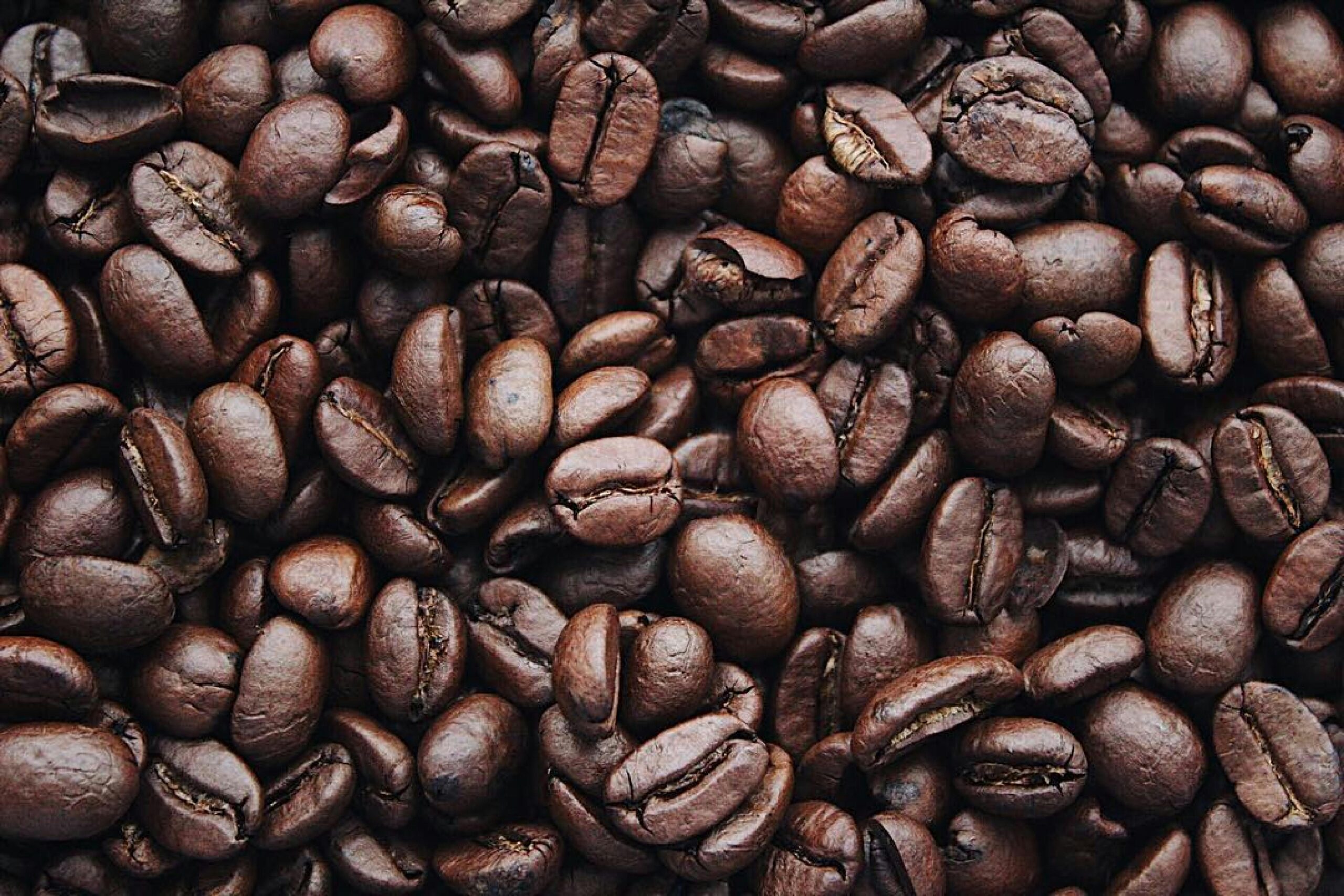
Local roasters often offer better value than supermarket brands, with beans roasted within days rather than months. Many provide free tastings and brewing advice, transforming your bean purchase into an educational experience. Expect to pay $12-18 per pound for quality single-origin or blend coffee.
Buy whole beans in quantities you’ll consume within 2-3 weeks. Larger purchases might seem economical, but flavor degradation after the first month diminishes your investment. Store beans in opaque, airtight containers at room temperature—never in the refrigerator or freezer, where condensation damages cell structure.
Online subscription services from roasters like Trade Coffee or directly from roasters provide variety and convenience, often with introductory discounts. This approach lets you explore different origins and roast levels while building palate knowledge.
🎓 Mastering Basic Brewing Techniques
Equipment alone doesn’t create great coffee—technique matters equally. Fortunately, fundamental skills are accessible to beginners and yield immediate improvements.
The Universal Brewing Framework
Regardless of your brewing device, follow this basic process: measure coffee and water by weight, grind immediately before brewing, ensure proper water temperature, control contact time, and maintain consistent technique. This framework applies whether you’re using a French press or pour-over.
Start with a 1:16 ratio as your baseline. If coffee tastes weak or sour, it’s under-extracted—use finer grind, hotter water, or longer contact time. If it tastes bitter or astringent, it’s over-extracted—use coarser grind, cooler water, or shorter contact time. Small adjustments between batches help you dial in your perfect cup.
Developing Your Palate
Professional tasters develop sensitivity through deliberate practice, and you can too. Taste coffee at different temperatures as it cools—flavors evolve dramatically. Compare beans side-by-side to identify characteristics. Keep simple notes about what you taste and which variables you adjusted.
Many coffee enthusiasts use cupping protocols—a formal tasting process professionals use for quality control. This requires only additional bowls and spoons but provides structured palate training that accelerates your learning curve.
🛠️ Maintenance and Longevity: Protecting Your Investment
Proper care extends equipment life and maintains performance. Most maintenance takes minutes and prevents expensive replacements.
Clean your grinder weekly by removing residual oils and grounds. Many issues attributed to “bad coffee” actually result from rancid oil buildup in grinders. Disassemble according to manufacturer instructions and brush away debris with a dedicated cleaning brush.
Descale your kettle monthly if using tap water, following product instructions. Mineral buildup affects temperature accuracy and eventually damages heating elements. Brewing devices need rinsing after each use and deep cleaning weekly to prevent oil accumulation that creates off-flavors.
Replace paper filters as needed—never reuse them, as they trap oils and fine particles. Metal filters in French presses and some pour-overs require periodic replacement when mesh begins wearing or tearing.
📈 Expanding Your Coffee Lab Over Time
Once you’ve mastered basic equipment and techniques, strategic upgrades provide new capabilities and experiences. Plan expansions based on identified limitations rather than impulse purchases.
Additional brewing devices let you explore different flavor profiles from the same beans. A $25 Clever Dripper combines pour-over clarity with French press simplicity. A $15 Vietnamese phin produces unique iced coffee. These additions broaden your repertoire without significant investment.
Upgrading your grinder delivers the most noticeable improvement. Moving from manual to electric or from entry-level to mid-range models reduces effort and improves consistency. However, this upgrade matters most after you’ve developed skills to appreciate the difference.
Specialized tools like refractometers ($120+) or advanced scales with flow rate measurement ($200+) interest some enthusiasts but aren’t necessary for excellent home brewing. Prioritize skill development and bean quality over gadgets.
🌟 Common Mistakes and How to Avoid Them
New home brewers often encounter predictable challenges that simple awareness prevents. Understanding these pitfalls saves frustration and wasted coffee.
Buying too much equipment initially creates confusion about which variables affect your results. Master one brewing method before adding others. This focused approach builds foundational skills that transfer across devices.
Ignoring grind size is perhaps the most common error. Each brewing method requires specific grind ranges—espresso needs powder-fine, French press needs coarse like sea salt, pour-over falls between. Using wrong grind size guarantees disappointing results regardless of other factors.
Treating all coffee identically overlooks the fact that different beans, roast levels, and origins require recipe adjustments. Light roasts typically need hotter water and finer grinds than dark roasts. Single-origin coffees express distinct characteristics that generic recipes may not showcase optimally.
Neglecting cleanliness allows rancid oils to accumulate, creating bitter, unpleasant flavors attributed mistakenly to technique or bean quality. Regular cleaning is non-negotiable for consistently good coffee.
🎯 Achieving Professional Results at Home
The gap between home and commercial brewing has narrowed dramatically. With quality starter gear and deliberate practice, you can produce coffee rivaling specialty cafés—often at a fraction of the cost per cup.
Calculate your investment payback by comparing home brewing costs to café purchases. A $12 cappuccino daily costs $360 monthly, while home brewing the same quality costs approximately $40-60 monthly for beans plus minimal equipment amortization. Your starter lab pays for itself within weeks.
Beyond economics, home brewing provides creative satisfaction and customization impossible in commercial settings. You control every variable, experiment without judgment, and develop expertise that deepens appreciation for this remarkable beverage. Your kitchen becomes a laboratory where curiosity and consistency create daily moments of excellence.
The journey from beginner to confident home brewer follows a clear path: invest in essential equipment emphasizing grind quality and precision, source fresh beans, master fundamental techniques, maintain your gear properly, and expand strategically based on experience. This approach transforms coffee from a mindless morning routine into an engaging craft that rewards attention with exceptional flavor.
Start your coffee lab today with whatever budget you can allocate. The principles remain constant whether you spend $150 or $350—control variables, measure precisely, brew consistently, and taste critically. Professional results come not from expensive equipment but from understanding extraction and respecting the process. Your perfect cup awaits, and building the skills to create it repeatedly is more accessible than you imagined.