Coffee brewing is both an art and a science, where precision meets personal preference. The key to unlocking extraordinary flavor lies in understanding the delicate balance between water and coffee grounds.

Whether you’re a morning coffee ritualist or an afternoon espresso enthusiast, mastering the water-to-coffee ratio transforms your daily brew from ordinary to exceptional. This comprehensive guide explores optimal ratios for every brewing method, helping you achieve consistency and excellence in every cup you prepare.
☕ Understanding the Golden Ratio: Why Water-to-Coffee Balance Matters
The relationship between water and coffee determines extraction efficiency, flavor intensity, and overall taste profile. Too much water creates weak, under-extracted coffee lacking complexity. Conversely, insufficient water produces bitter, over-extracted brews that overwhelm your palate with unpleasant flavors.
Professional baristas and coffee experts traditionally reference the “Golden Ratio” of 1:15 to 1:18 (coffee to water). This means for every gram of coffee, you use between 15 to 18 grams of water. However, this standard varies significantly depending on your brewing method, coffee bean origin, roast level, and personal taste preferences.
Understanding these ratios empowers you to reproduce consistent results while providing a framework for experimentation. Once you grasp the fundamentals, adjusting ratios becomes intuitive, allowing you to customize strength and flavor according to your exact specifications.
🎯 Drip Coffee Maker: The American Classic
Automatic drip coffee makers remain the most popular home brewing method in North America. These machines require specific ratios to compensate for their brewing characteristics and temperature stability.
Optimal Ratio for Drip Coffee
The standard ratio for drip coffee makers sits at 1:17, meaning one gram of coffee to seventeen grams of water. For practical measurement, this translates to approximately two tablespoons of ground coffee per six ounces of water.
For a standard 12-cup drip maker (which actually produces about 60 ounces), you’ll need roughly 10 tablespoons or 60 grams of coffee. This produces a medium-strength brew that satisfies most preferences while showcasing the coffee’s natural characteristics.
Adjusting for Taste Preferences
If you prefer stronger coffee, shift toward a 1:15 ratio. For lighter brews, move to 1:18 or even 1:20. Remember that drip machines typically brew at slightly lower temperatures than ideal, so using too little coffee can result in watery, flavorless results.
🇫🇷 French Press: Full-Bodied Excellence
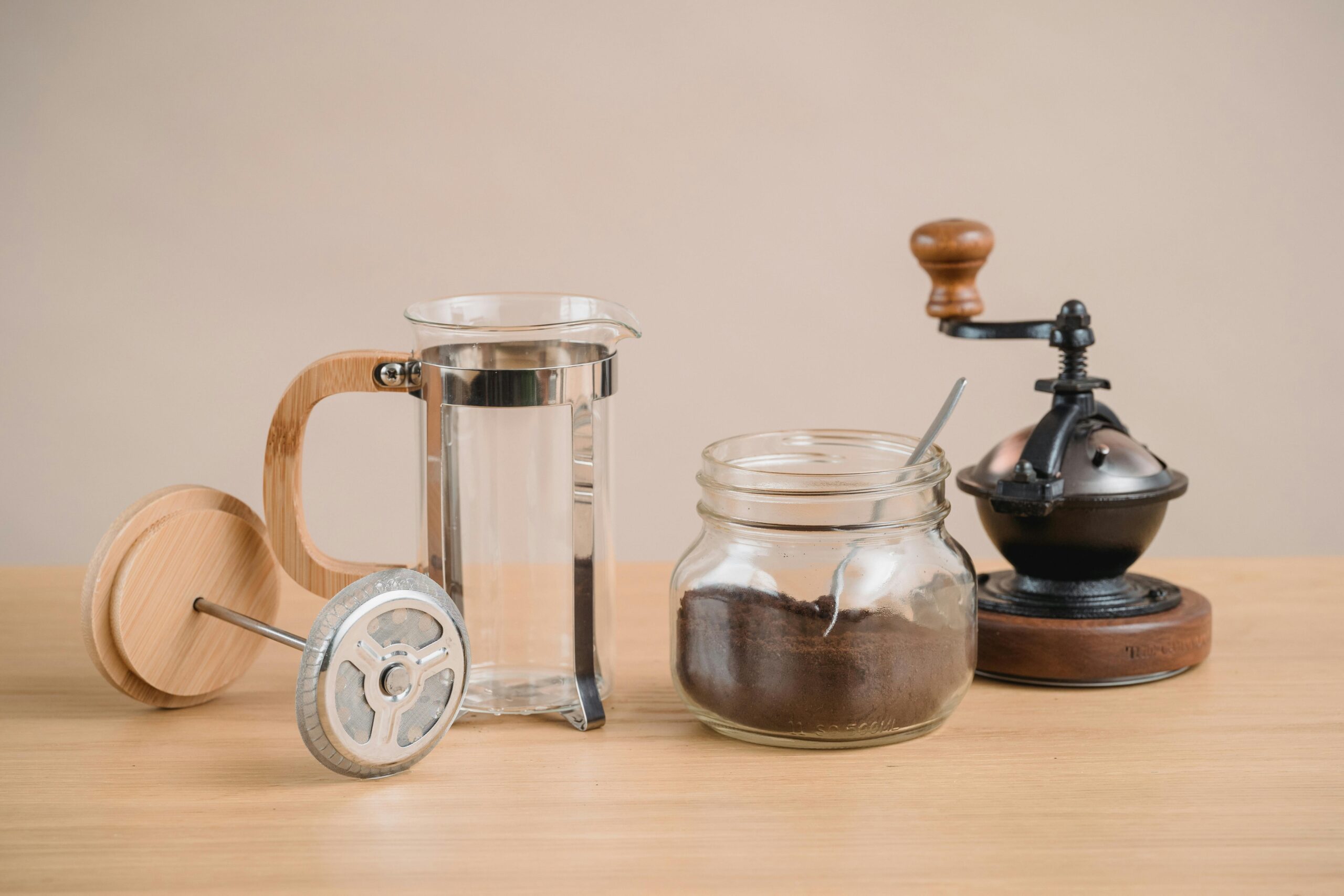
The French press, or cafetière, produces rich, full-bodied coffee with prominent oils and sediment that paper filters would otherwise remove. This brewing method requires coarser grounds and a different approach to ratios.
Recommended French Press Ratio
French press coffee works best with a 1:12 to 1:15 ratio, slightly stronger than drip coffee due to the immersion brewing method. For a standard 34-ounce (1-liter) French press, use 60-70 grams of coarsely ground coffee.
The coarser grind prevents over-extraction during the four-minute steeping time while allowing proper flavor development. Finer grinds create muddy, bitter coffee and make plunging difficult.
Step-by-Step French Press Brewing
- Heat water to 195-205°F (90-96°C), just below boiling
- Add coarsely ground coffee to the empty carafe
- Pour water in circular motions to saturate all grounds
- Stir gently after 30 seconds to ensure even extraction
- Place lid on and steep for 4 minutes total
- Press plunger slowly and serve immediately
☕ Pour Over: Precision and Control
Pour-over methods like Chemex, Hario V60, and Kalita Wave offer unparalleled control over brewing variables. These methods highlight clarity, brightness, and nuanced flavor notes that other techniques might obscure.
Pour Over Ratio Guidelines
Pour-over coffee typically uses a 1:16 to 1:17 ratio, though this varies with specific devices. Chemex often works better with 1:15 due to its thicker filters, while V60 excels at 1:16 or 1:17 with its faster flow rate.
For a single cup (12 ounces/350ml), use approximately 21-22 grams of medium-fine ground coffee. The precise pouring technique and bloom phase significantly impact extraction, making ratio consistency even more critical.
Mastering the Pour Technique
Start with a 30-45 second bloom using twice the weight of water as coffee. This releases carbon dioxide and prepares grounds for even extraction. Follow with slow, circular pours maintaining consistent water level throughout the brewing process.
⚡ Espresso: Concentrated Power
Espresso represents the most concentrated coffee brewing method, serving as the foundation for lattes, cappuccinos, and Americanos. The extreme pressure and short extraction time require dramatically different ratios.
Traditional Espresso Ratios
Classic espresso uses a 1:2 ratio, meaning 18 grams of finely ground coffee produces approximately 36 grams of liquid espresso in 25-30 seconds. This “normale” shot balances sweetness, acidity, and body.
Ristretto shots use a 1:1.5 ratio for more concentrated, sweeter results. Lungo shots extend to 1:3 or 1:4, producing larger volumes with increased bitterness and less intensity. Modern specialty coffee sometimes explores ratios up to 1:2.5 for specific flavor profiles.
Variables Affecting Espresso Extraction
Grind size, tamping pressure, water temperature, and machine pressure all dramatically impact espresso quality. Even slight adjustments to any variable require ratio compensation. Professional baristas often adjust doses throughout the day as environmental conditions change.
| Espresso Style | Ratio | Coffee Dose | Output |
|---|---|---|---|
| Ristretto | 1:1.5 | 18g | 27g |
| Normale | 1:2 | 18g | 36g |
| Lungo | 1:3 | 18g | 54g |
🌊 Cold Brew: Smooth and Concentrated
Cold brew coffee requires extended steeping in room temperature or cold water, producing smooth, low-acid concentrate that you dilute before serving. The prolonged extraction time necessitates specific ratio considerations.
Cold Brew Concentrate Ratios
Cold brew concentrate typically uses a 1:4 to 1:5 ratio, significantly stronger than hot brewing methods. For a large batch using one pound (454g) of coarsely ground coffee, combine with approximately 8 cups (1.8 liters) of water.
Steep for 12-24 hours at room temperature or in the refrigerator. Longer steep times extract more caffeine and create deeper flavor profiles. After straining, dilute the concentrate with equal parts water, milk, or ice before drinking.
Ready-to-Drink Cold Brew
If you prefer brewing ready-to-drink cold brew without dilution, use a 1:8 ratio. This produces coffee with similar strength to hot brewed varieties but with characteristic cold brew smoothness and sweetness.
🔄 AeroPress: Versatile Innovation
The AeroPress combines immersion and pressure brewing, offering remarkable versatility. Countless recipe variations exist, from espresso-like concentrates to clean, tea-like brews.
Standard AeroPress Ratios
Traditional AeroPress recipes use approximately 1:16 ratio, similar to pour-over coffee. Using 17 grams of medium-fine ground coffee with 270 grams of water produces one generous cup with balanced extraction.
Inverted method enthusiasts often prefer slightly stronger ratios around 1:14, compensating for the different brewing dynamics. Championship recipes sometimes explore extreme ratios from 1:10 to 1:20, demonstrating the AeroPress’s adaptability.
🇹🇷 Turkish Coffee: Ancient Tradition
Turkish coffee represents one of the oldest preparation methods, brewing ultra-fine grounds with sugar directly in water. The unique approach creates thick, rich coffee with distinctive character.
Turkish Coffee Measurements
Turkish coffee uses approximately 1:10 ratio, much stronger than most methods. For each demitasse cup (2-3 ounces), use one heaping teaspoon (7-8 grams) of finely powdered coffee with about 70-80ml of cold water.
Add sugar to taste before heating, as stirring after brewing is considered improper. Heat slowly until foam rises three times, then pour immediately into cups, ensuring each serving receives equal amounts of foam.
📊 Factors That Influence Your Ideal Ratio
While standard ratios provide excellent starting points, multiple variables affect your perfect balance between water and coffee.
Coffee Bean Characteristics
Light roasts typically require slightly higher ratios (more water) to fully extract delicate flavors without bitterness. Dark roasts work better with less water, as they extract more readily and can become harsh when over-extracted.
Bean origin, processing method, and age all impact solubility and extraction speed. Ethiopian naturals might need different treatment than washed Colombian beans, even at the same roast level.
Water Quality and Temperature
Water composition dramatically affects extraction efficiency and flavor. Mineral content, pH level, and temperature all play crucial roles. Water between 195-205°F (90-96°C) extracts optimally for most hot brewing methods.
Distilled water lacks minerals necessary for proper extraction, while heavily mineralized water can create off-flavors. Ideal water contains 50-175 ppm total dissolved solids with balanced calcium and magnesium content.
Grind Size Considerations
Grind size directly correlates with extraction speed and surface area exposure. Finer grinds extract faster, potentially requiring slight ratio adjustments toward more water. Coarser grinds need longer contact time or stronger ratios to achieve proper extraction.
🎓 Measuring Techniques for Consistency
Achieving consistent results requires accurate measurement. While volume measurements work acceptably, weight-based brewing delivers superior precision.
Why Digital Scales Matter
Coffee grounds vary in density based on roast level, origin, and freshness. Volumetric measurements like tablespoons cannot account for these differences. A digital scale measuring to 0.1-gram accuracy ensures repeatable results regardless of coffee variables.
Quality brewing scales with built-in timers cost between $20-50 and dramatically improve your coffee quality. This single investment provides more consistent improvement than expensive grinders or brewers with imprecise measurements.
Volume to Weight Conversions
If scales aren’t available, remember that one tablespoon of ground coffee weighs approximately 5-7 grams depending on grind size and roast level. One fluid ounce of water weighs about 30 grams, making conversions straightforward once you understand the relationships.
🔬 Experimenting to Find Your Perfect Cup
Standard ratios provide foundations, but personal preference ultimately determines your ideal brew. Systematic experimentation helps you discover what works best for your palate.
The Cupping Method
Professional cupping uses a 1:18.18 ratio (8.25 grams per 150ml) as an industry standard for evaluating coffee quality. This relatively weak ratio highlights defects and subtle flavor notes that stronger brews might mask.
Try cupping your coffee using this ratio to better understand its fundamental characteristics before adjusting toward your preferred strength.
Incremental Adjustments
When modifying ratios, change only one variable at a time. Adjust your coffee dose by 1-2 grams while keeping everything else constant. Taste mindfully, taking notes about body, acidity, sweetness, and aftertaste.
Give each ratio variation at least three attempts before drawing conclusions. Variables like water temperature, pour technique, and even your palate condition affect perception significantly.
💡 Troubleshooting Common Brewing Problems
Understanding how ratio adjustments affect flavor helps diagnose and correct brewing issues quickly.
Weak or Watery Coffee
This indicates under-extraction or insufficient coffee dose. Increase your coffee amount by 10-15% while maintaining the same water volume. Alternatively, decrease water slightly while keeping coffee constant. Check that your grind isn’t too coarse.
Bitter or Harsh Flavors
Over-extraction causes bitterness and astringency. Reduce coffee dose slightly, use coarser grounds, or decrease brewing time. Water temperature above 205°F can also extract bitter compounds excessively.
Sour or Acidic Taste
Under-extraction produces sour, acidic coffee lacking sweetness. Increase coffee dose, use finer grounds, raise water temperature, or extend brewing time. Ensure your coffee is fresh, as stale beans won’t extract properly regardless of technique.

🌟 Building Your Personal Coffee Recipe
The journey toward coffee mastery involves developing personalized recipes for different occasions, moods, and coffee varieties. Document your successful experiments, noting ratios, grind settings, and brewing parameters.
Remember that coffee is ultimately about enjoyment and ritual. While precision improves consistency, don’t let perfectionism diminish your pleasure. The best coffee is the one that satisfies you, prepared with care and attention to detail.
Start with recommended ratios, adjust based on taste, and maintain consistency once you discover your preferences. With practice, measuring and brewing become intuitive, allowing you to focus on the sensory experience rather than technical details.
Your perfect brew awaits discovery through patient experimentation and mindful tasting. Whether you prefer bold French press, delicate pour-over, or convenient drip coffee, understanding water-to-coffee ratios unlocks new dimensions of flavor and satisfaction in every cup you prepare.