The journey to a perfect cup of coffee begins long before water touches grounds. Understanding coffee grind size is the foundation of exceptional brewing, transforming ordinary beans into extraordinary experiences.

Every coffee enthusiast knows that mysterious feeling when a cup tastes unexpectedly bitter or disappointingly weak. The culprit often isn’t the beans or brewing temperature—it’s the grind size. This comprehensive guide will take you through the intricate world of coffee grinding, from ultra-fine espresso powder to coarse French press chunks, helping you unlock flavors you never knew existed in your favorite beans.
☕ Why Grind Size Matters More Than You Think
Coffee extraction is a delicate science where water pulls flavors, oils, and compounds from ground beans. The grind size determines how quickly this extraction happens, affecting everything from taste to texture. When you grind coffee beans, you’re creating surface area for water contact—more surface area means faster extraction, less means slower.
Think of grind size as a gatekeeper controlling the flow of flavor. Too fine for your brewing method, and you’ll over-extract bitter compounds that overwhelm the cup. Too coarse, and you’ll under-extract, leaving behind a weak, sour disappointment that doesn’t do justice to your quality beans.
The extraction sweet spot exists in a narrow window where sugars, acids, and oils balance perfectly. This balance depends entirely on matching your grind size to your brewing method, water temperature, and contact time. Master this relationship, and you’ll consistently brew coffee that rivals any specialty café.
🔬 The Science Behind Coffee Particle Size
When water meets coffee grounds, it begins dissolving soluble compounds in a specific order. First come the acids and light, bright flavors. Next, the sugars and balanced notes emerge. Finally, the bitter compounds and heavy oils extract. The grind size controls how quickly this progression happens.
Fine grounds have dramatically more surface area per gram than coarse grounds. This increased exposure means water extracts compounds faster and more completely. For brewing methods with short contact times like espresso, this is essential. For longer steeping methods like cold brew, it would create an undrinkable, over-extracted mess.
Coffee particles aren’t uniform even from the best grinders. Every grind produces a distribution of sizes—some finer, some coarser than your target. Professional grinders minimize this variation, creating more consistent extraction and cleaner flavors. This is why serious coffee lovers invest in quality grinders rather than expensive beans alone.
🎯 The Complete Grind Size Spectrum
Extra Fine Grind: Turkish Coffee Territory
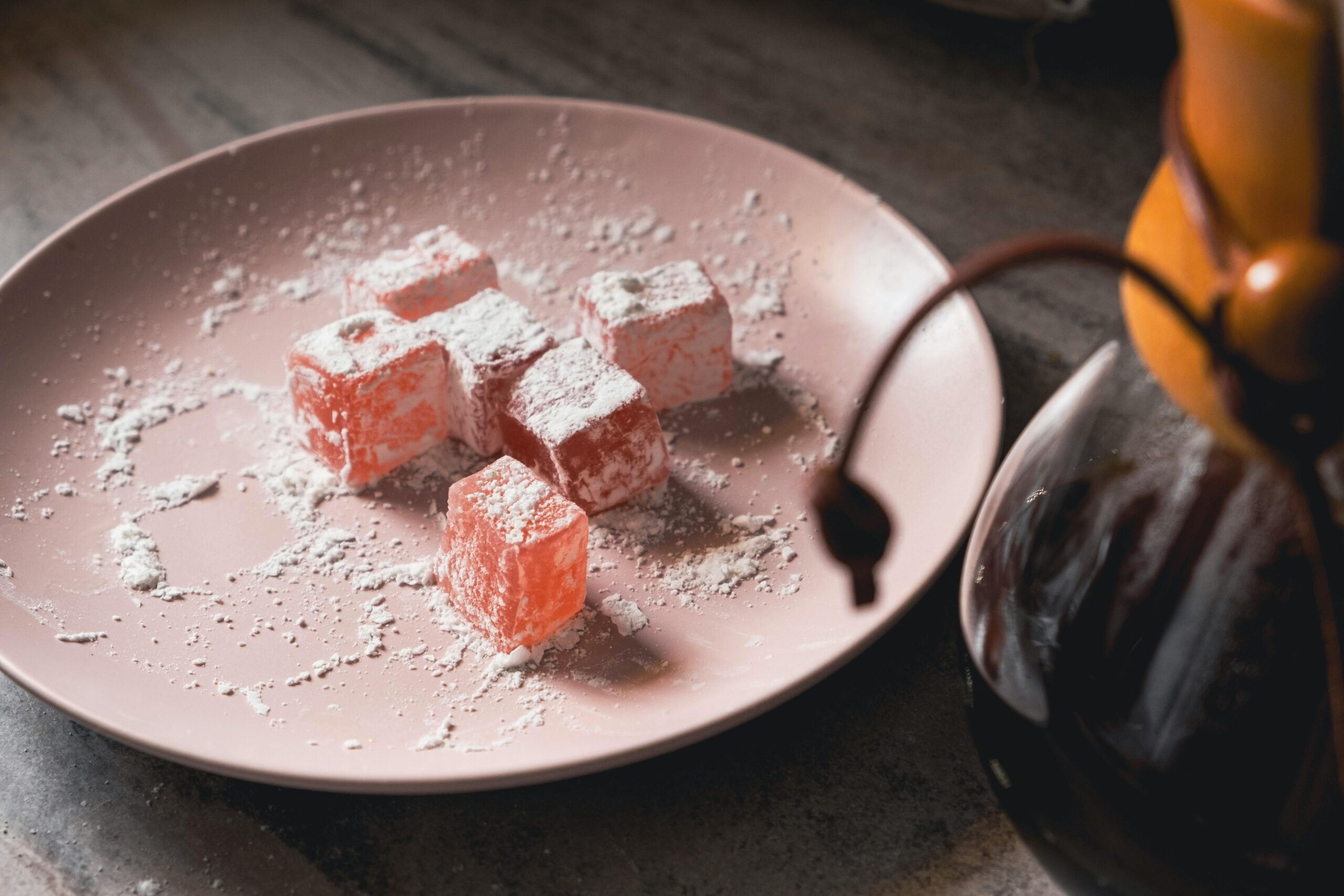
Extra fine grind resembles powdered sugar or flour in texture. This grind is almost exclusively used for Turkish coffee, where grounds remain in the cup throughout drinking. The powder-like consistency allows for intense extraction in mere seconds of boiling water contact.
This grind requires specialized burr grinders or traditional hand grinders designed for Turkish preparation. Standard grinders often can’t achieve this consistency. The resulting coffee is incredibly strong, thick, and rich—an acquired taste that showcases coffee’s most intense characteristics.
Fine Grind: The Espresso Foundation
Fine grind feels like table salt or fine sand between your fingers. This is the domain of espresso machines, where high pressure forces water through tightly packed grounds in 25-30 seconds. The fine particles create resistance, building the pressure necessary for proper espresso extraction.
Getting espresso grind right requires precision. Too fine, and water can’t penetrate the puck, creating a slow, bitter drip. Too coarse, and water rushes through too quickly, producing weak, sour shots. Quality espresso grinders offer micro-adjustments because tiny changes create dramatic taste differences.
Moka pots and AeroPress with short brew times also work well with fine grinds, though slightly coarser than true espresso. These methods don’t generate the same pressure as espresso machines, so they need marginally larger particles to prevent over-extraction while maintaining intensity.
Medium-Fine Grind: Versatile and Forgiving
Medium-fine grind resembles fine beach sand or refined sugar. This versatile size works beautifully for pour-over methods like Hario V60, Kalita Wave, and Chemex with faster flow rates. The grind provides enough resistance for proper extraction without clogging filters.
This grind size is also ideal for AeroPress with standard brew times (1-2 minutes) and siphon brewers. The particle size allows water to extract efficiently while maintaining clarity and brightness. Many coffee professionals consider this the sweet spot for showcasing a coffee’s origin characteristics.
Medium Grind: The Standard Bearer
Medium grind looks like regular beach sand or coarse table salt. This is the most common grind size, perfect for drip coffee makers, flat-bottom pour-overs, and Chemex brewers. Most pre-ground coffee comes in this size because it works acceptably across multiple brewing methods.
The medium grind balances extraction time and flavor development for brewing methods with 3-4 minute contact times. It’s forgiving enough for beginners while still capable of producing excellent results. This is often the best starting point when dialing in a new coffee or brewing method.
Medium-Coarse Grind: Specialty Method Territory
Medium-coarse grind resembles coarse sand or rough sea salt. This size excels in specialty brewers like the Chemex with slower filters and the Clever Dripper, which combines immersion and filtration. The larger particles prevent over-extraction during the extended contact time these methods require.
Some coffee enthusiasts prefer this grind for AeroPress with longer steeping times (3-4 minutes). The coarser particles allow for extended immersion without excessive bitterness, creating a fuller body while maintaining clarity. It’s also suitable for certain percolator-style brewers.
Coarse Grind: Immersion Method Mastery
Coarse grind looks like kosher salt or breadcrumbs. This is the standard for French press, where grounds steep in water for 4-5 minutes before pressing. The large particles prevent grounds from passing through the metal filter while allowing proper extraction during the long immersion period.
Cold brew also demands coarse grinds because of the extremely long steeping time (12-24 hours). Despite the extended contact, the cold water extracts slowly, and coarse grinds prevent the over-extraction that would create astringent, bitter results. The coarse size also makes filtering the final concentrate much easier.
Extra Coarse Grind: The Specialty Outlier
Extra coarse grind consists of large, distinct chunks resembling coarse breadcrumbs or cracked peppercorns. This size is primarily used for cowboy coffee and certain cold brew methods. The massive particles require very long steeping times to extract properly but reward patience with smooth, clean flavors.
⚙️ Grinder Types and Their Impact on Flavor
Not all grinders create equal results, even at the same nominal grind size. Blade grinders chop beans inconsistently, creating a mix of fine dust and large chunks. This uneven distribution causes simultaneous over-extraction and under-extraction, producing muddy, unbalanced flavors regardless of your average grind size.
Burr grinders crush beans between two surfaces, creating much more uniform particles. Flat burr grinders produce the most consistent particle size distribution, ideal for espresso and precision brewing. Conical burr grinders create slightly more variation but excel at preserving aromatics and are generally quieter and more affordable.
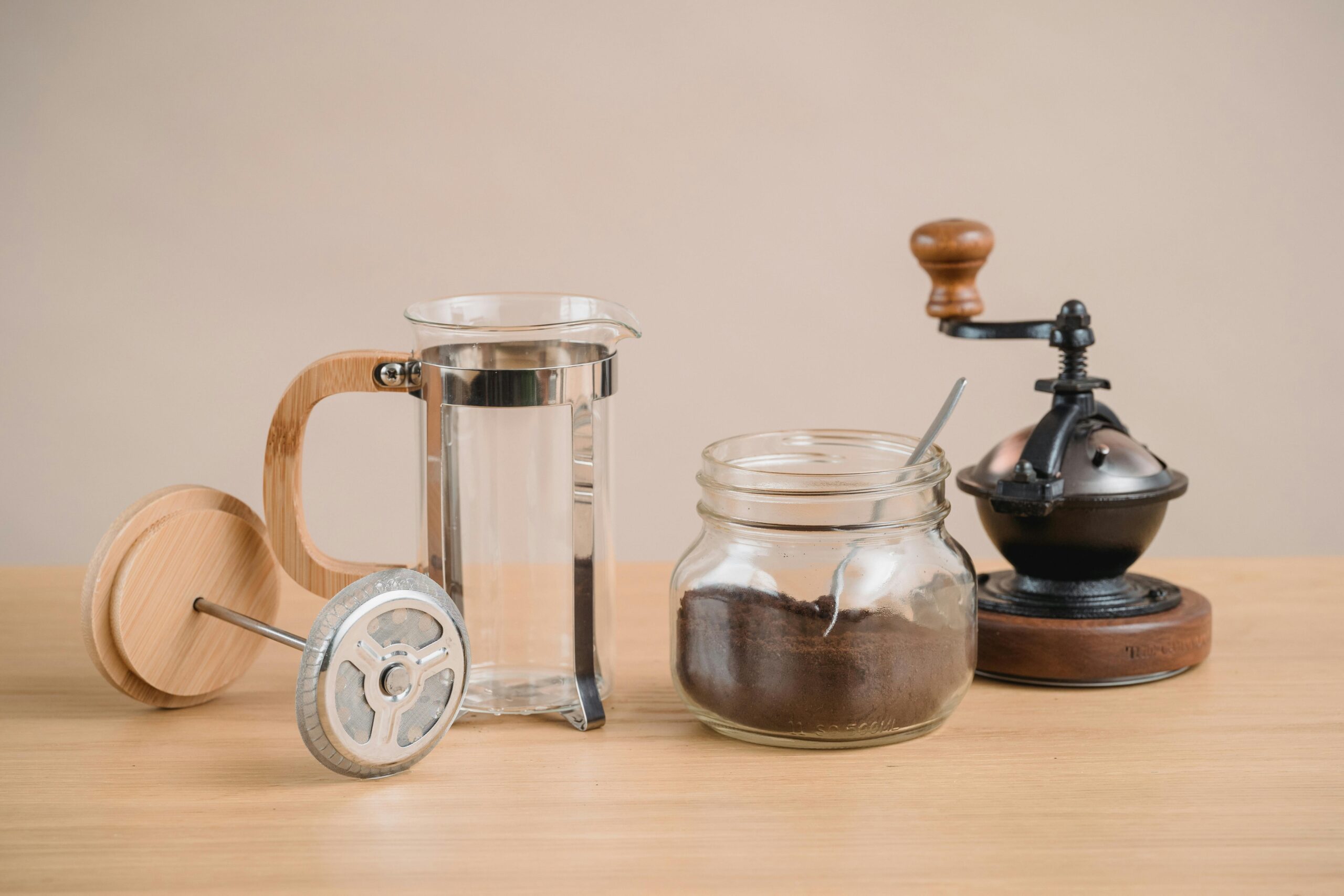
Hand grinders with quality burrs can produce excellent results rivaling electric models, though they require effort. They’re perfect for travel or small-batch brewing. Electric burr grinders offer convenience and consistency, with high-end models featuring stepless adjustment for microscopic grind changes that unlock subtle flavor nuances.
🎨 Dialing In: The Art of Grind Adjustment
Finding the perfect grind for your beans and brewing method requires experimentation. Start with the recommended size for your brewing method, then adjust based on taste. If your coffee tastes sour or weak, grind finer to increase extraction. If it tastes bitter or astringent, grind coarser to reduce extraction.
Keep detailed notes when dialing in new beans. Document your grind setting, brew time, water temperature, and coffee-to-water ratio. Change only one variable at a time so you understand exactly what each adjustment contributes. This systematic approach eliminates guesswork and builds your understanding of extraction principles.
Remember that coffee freshness affects optimal grind size. Freshly roasted beans release CO2 and require slightly coarser grinds initially, then benefit from finer grinds as they degas over the first week. Very fresh espresso can be particularly finicky, often improving significantly 4-7 days after roasting.
⏱️ Timing and Grind Size Relationships
Brew time and grind size work together in determining extraction. Quick methods like espresso (25-30 seconds) need fine grinds to extract adequately in limited time. Medium methods like pour-over (3-4 minutes) use medium grinds for balanced extraction. Long methods like cold brew (12-24 hours) require coarse grinds to prevent over-extraction.
You can manipulate this relationship intentionally. Want a stronger cup from your drip machine without adding more coffee? Grind slightly finer to extract more from the same amount of grounds. Prefer a lighter extraction with more delicate flavors? Grind coarser and extend brew time slightly to maintain extraction balance.
💡 Common Grind Size Mistakes and Solutions
The most frequent mistake is using pre-ground coffee that doesn’t match your brewing method. Store-bought ground coffee optimizes for drip machines, making it wrong for nearly everything else. Invest in a decent grinder and whole beans—the improvement in cup quality will astound you immediately.
Another common error is grinding too much coffee at once. Ground coffee loses freshness exponentially faster than whole beans as oxidation attacks the increased surface area. Grind only what you need for each brewing session, preferably within minutes of brewing for optimal flavor preservation and aromatic complexity.
Many people also never clean their grinders, allowing rancid oils to build up and contaminate fresh coffee. Clean your grinder monthly with grinder-specific cleaning tablets or by grinding rice (for blade grinders only), then wipe thoroughly. This maintenance dramatically improves flavor clarity and extends grinder lifespan.
🌡️ Environmental Factors Affecting Grind Performance
Humidity significantly impacts coffee grinding and extraction. In humid environments, beans absorb moisture, making them softer and causing grinders to produce more fines. You may need to grind slightly coarser to compensate. In dry climates, beans become brittle, shattering into more consistent particles that might require finer settings.
Static electricity plagues coffee grinding, especially in dry conditions. Static causes grounds to cling to containers and clump together, affecting dosing accuracy and distribution. Spritz beans very lightly with water before grinding, or add a tiny drop directly to beans to eliminate static without affecting flavor.
📊 Quick Reference Guide for Brew Methods
| Brewing Method | Grind Size | Brew Time |
|---|---|---|
| Turkish Coffee | Extra Fine | 30-60 seconds |
| Espresso | Fine | 25-30 seconds |
| Moka Pot | Fine | 4-5 minutes |
| AeroPress (short) | Fine to Medium-Fine | 1-2 minutes |
| Pour Over (V60) | Medium-Fine | 2-3 minutes |
| Drip Coffee | Medium | 4-5 minutes |
| Chemex | Medium to Medium-Coarse | 4-5 minutes |
| French Press | Coarse | 4-5 minutes |
| Cold Brew | Coarse to Extra Coarse | 12-24 hours |
🚀 Advanced Techniques for Grind Optimization
Professional baristas often use refractometers to measure total dissolved solids (TDS) and calculate extraction percentage. While not necessary for home brewing, understanding these concepts helps. Ideal extraction typically falls between 18-22%, with TDS between 1.15-1.35% for most preferences, achieved by fine-tuning grind size within the appropriate range.
Sifting grounds removes the finest particles (fines) that cause over-extraction and bitterness, especially with lower-quality grinders. Coffee-specific sieves separate particle sizes, allowing you to remove extremes and create more uniform extraction. This advanced technique can elevate even modest equipment to produce remarkably clean cups.
Some brewing enthusiasts experiment with layered grinding, using different grind sizes in the same brew. A layer of coarse grounds at the bottom provides filtration, while finer grounds on top extract more fully. This technique works particularly well with certain pour-over methods, creating complex flavor profiles impossible with uniform grinding.
🌍 Cultural Perspectives on Coffee Grinding
Different coffee cultures have developed unique relationships with grind size. Turkish coffee requires the finest possible grind, creating a thick, sludgy brew that’s part of social and fortune-telling traditions. Italian espresso culture demands precise fine grinding, with baristas adjusting constantly throughout the day as humidity and temperature shift.
Scandinavian coffee culture often prefers lighter roasts with slightly coarser grinds than typical American drip coffee, emphasizing brightness and origin character. Japanese coffee culture has elevated pour-over to an art form, with extremely precise grind size control and brewing technique creating clarity and balance that borders on meditation.
🎓 Teaching Your Palate to Recognize Grind Issues
Developing sensitivity to grind-related problems takes practice but pays enormous dividends. Sour, sharp, or thin coffee usually indicates under-extraction from grounds that are too coarse. Bitter, harsh, or astringent coffee signals over-extraction from grounds that are too fine. Flat or hollow coffee might indicate stale grounds or an inadequate grinder creating too many fines.
Conduct deliberate taste experiments by brewing the same coffee at three different grind settings—one too coarse, one perfect, and one too fine. This side-by-side comparison trains your palate to identify extraction issues instantly, making future adjustments intuitive rather than guesswork-based.
🔄 Maintaining Consistency: The Key to Repeatable Excellence
Once you’ve dialed in the perfect grind for your favorite coffee and brewing method, maintaining consistency becomes paramount. Mark your grinder’s setting clearly or take photos for reference. Many coffee enthusiasts keep a brewing journal documenting successful recipes, including specific grind settings, ratios, and techniques that produced exceptional cups.
Grinders can drift over time as burrs wear or settings shift slightly. Periodically verify your grind size visually and by taste, adjusting as necessary. High-quality grinders maintain consistency for years, but all equipment eventually requires recalibration or burr replacement to maintain peak performance and flavor output.
✨ The Transformation: From Beans to Brilliance
Mastering grind size transforms coffee from a simple morning beverage into a craft worthy of lifelong learning. The difference between mediocre and extraordinary coffee often comes down to those final adjustments—a quarter turn on your grinder dial, a few seconds of brew time, the decision to sift or not sift your grounds.
Every origin, roast level, and bean variety has unique characteristics that shine at specific grind sizes. Ethiopian naturals might bloom beautifully at medium-fine for pour-over, while Brazilian pulped naturals could prefer medium-coarse to balance their chocolate notes. This infinite variation makes coffee endlessly fascinating for those willing to experiment and refine their approach systematically.
The journey toward perfect extraction never truly ends because variables constantly change—new beans arrive, seasons shift, equipment ages, and your preferences evolve. This dynamic relationship between grind size and flavor keeps coffee exciting, rewarding those who approach it with curiosity, patience, and attention to detail. Master the grind, and you’ve unlocked the foundation for coffee excellence that will elevate every cup you brew, transforming your daily ritual into a consistently remarkable experience.