Pour-over coffee transforms ordinary mornings into extraordinary experiences. Yet, many beginners struggle with achieving that perfect cup, often overwhelmed by ratios, measurements, and brewing variables.

The secret to consistently delicious pour-over coffee isn’t magic—it’s mathematics. Understanding the relationship between coffee grounds and water unlocks a world of flavor possibilities that can elevate your home brewing from mediocre to magnificent. Whether you’re just starting your coffee journey or looking to refine your technique, mastering the brew ratio is your foundation for success.
☕ Why Brew Ratios Matter More Than You Think
The brew ratio represents the relationship between coffee and water, typically expressed as a proportion. This fundamental concept determines the strength, flavor extraction, and overall balance of your final cup. Without proper ratios, you’re essentially guessing—sometimes landing on something delightful, but more often ending up with bitter or weak results.
Professional baristas and coffee enthusiasts worldwide rely on precise ratios to replicate their favorite brews consistently. The standard starting point for pour-over coffee typically ranges between 1:15 and 1:17, meaning one part coffee to fifteen or seventeen parts water. This range provides a balanced extraction that highlights the coffee’s natural characteristics without overwhelming bitterness or underwhelming weakness.
Understanding these ratios empowers you to adjust your brew according to personal preference, coffee origin, and roast level. Dark roasts often benefit from slightly higher ratios (more water), while light roasts can handle lower ratios to extract their complex flavor profiles fully.
🎯 The Golden Ratio: Your Starting Point for Excellence
The coffee world generally agrees that a 1:16 ratio serves as the golden standard for pour-over brewing. This translates to approximately 15 grams of coffee for every 240 milliliters (or grams) of water—roughly an 8-ounce cup. This ratio provides a balanced starting point that works beautifully across most coffee varieties and brewing methods.
However, the golden ratio isn’t a rigid rule but rather a flexible guideline. Your taste preferences, the coffee’s origin, roast date, and grind size all influence the ideal ratio for your specific situation. Some coffee lovers prefer a stronger brew at 1:14, while others enjoy a lighter cup at 1:18.
The beauty of having a calculator or reference guide is that it eliminates guesswork. Instead of eyeballing measurements or relying on inconsistent scoops, you can precisely control your brewing variables and make intentional adjustments based on taste results.
Common Ratio Ranges Explained
Different ratios produce distinctly different results in your cup. A 1:13 to 1:14 ratio creates a concentrated, bold brew with intense flavors—ideal for those who enjoy strong coffee or plan to add milk. The 1:15 to 1:16 range delivers balanced, well-rounded cups that showcase coffee’s natural characteristics without overpowering the palate.
Meanwhile, a 1:17 to 1:18 ratio produces lighter, more delicate brews that highlight subtle flavor notes and work exceptionally well with high-quality single-origin coffees. Understanding these ranges allows you to customize your brewing to match your mood, the time of day, or the specific coffee you’re working with.
📊 Breaking Down the Math: Simple Calculations for Perfect Brews
Calculating your brew ratio doesn’t require advanced mathematics. The basic formula is straightforward: divide your water weight by your coffee weight to find your ratio. If you’re using 20 grams of coffee and 320 grams of water, you’re brewing at a 1:16 ratio (320 ÷ 20 = 16).
Working backward is equally simple when you know how much coffee you want to brew. Decide on your desired water amount, then divide by your target ratio. For example, if you want 400 grams of water at a 1:16 ratio, you’ll need 25 grams of coffee (400 ÷ 16 = 25).
Most digital scales display weights in grams, making these calculations seamless. Since one milliliter of water weighs one gram, you can use these measurements interchangeably when planning your brews. This simple conversion eliminates confusion and streamlines your brewing process.
Creating Your Personal Brew Chart
Building a reference chart for your most common brew sizes saves time and ensures consistency. Start with your preferred cup sizes—perhaps 12 ounces (350ml) for your morning cup and 16 ounces (470ml) for leisurely weekend brewing.
| Water Amount | 1:15 Ratio | 1:16 Ratio | 1:17 Ratio |
|---|---|---|---|
| 250g (8.5 oz) | 16.7g coffee | 15.6g coffee | 14.7g coffee |
| 350g (12 oz) | 23.3g coffee | 21.9g coffee | 20.6g coffee |
| 500g (17 oz) | 33.3g coffee | 31.3g coffee | 29.4g coffee |
Keep this chart near your brewing station or save it on your phone for quick reference. As you experiment with different ratios, note which ones work best for specific coffees or occasions.
🔧 Essential Tools for Ratio-Based Brewing
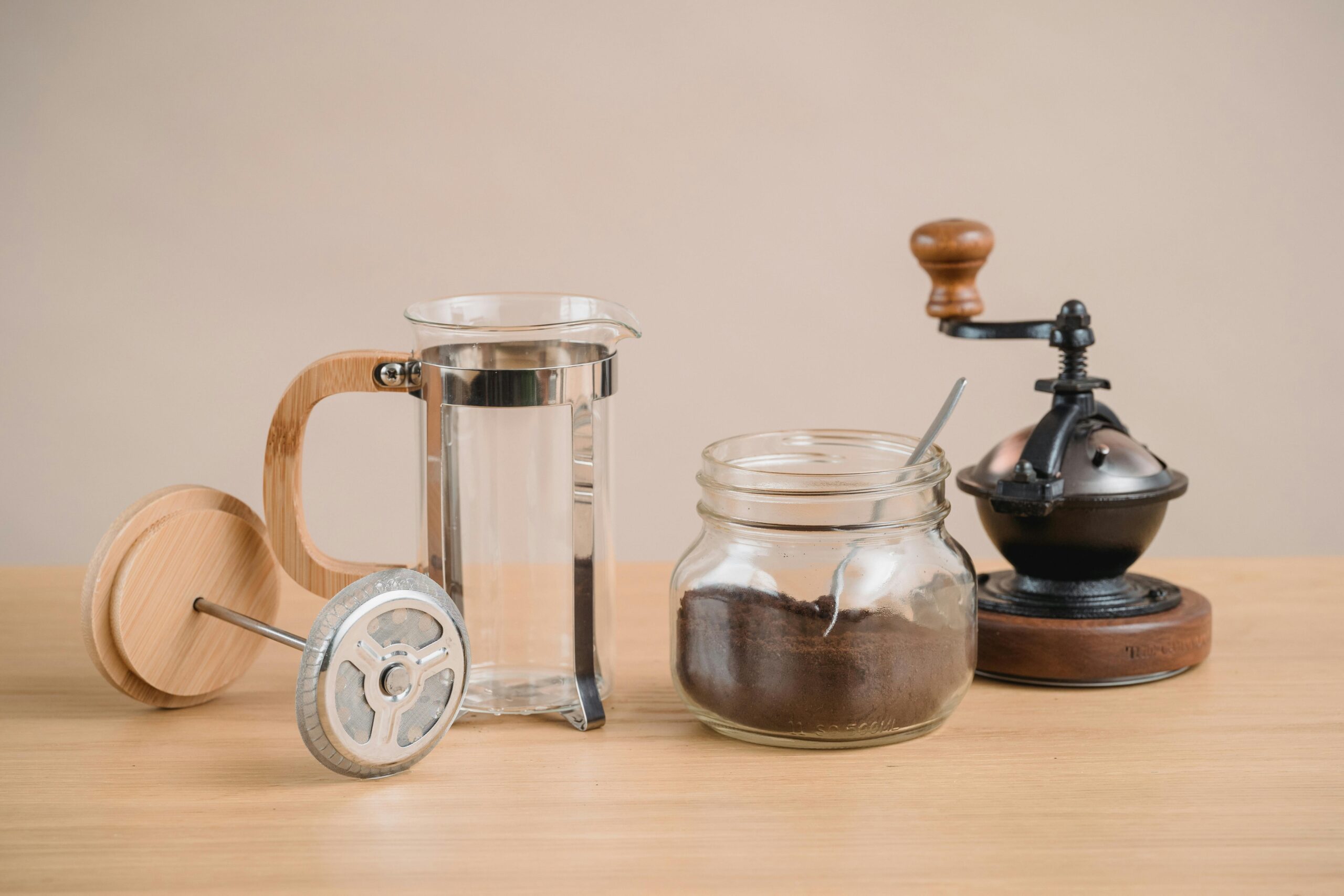
Achieving precise ratios requires minimal but specific equipment. A digital scale with 0.1-gram accuracy forms the foundation of consistent brewing. These scales typically cost between $15 and $40, making them an affordable investment that dramatically improves your results.
Your scale should accommodate your brewing vessel—whether a Chemex, V60, or Kalita Wave—with enough capacity to measure both coffee and water without running out of room. Many brewing scales include built-in timers, combining two essential measurements into one convenient device.
A quality burr grinder complements your scale perfectly. Consistent grind size ensures even extraction, allowing your carefully calculated ratios to perform as expected. Blade grinders produce uneven particles that extract inconsistently, undermining even the most precise measurements.
Digital Solutions for Modern Brewers
Technology simplifies ratio calculations with dedicated apps that handle the math instantly. These digital tools let you input your desired cup size and preferred ratio, immediately displaying the exact coffee amount needed. Many include timers, technique guides, and brewing logs to track your experiments.
Some applications offer advanced features like adjusting ratios based on coffee density, accounting for water retention in spent grounds, or suggesting modifications based on taste feedback. These smart tools transform your smartphone into a personal barista assistant, always ready to guide your brewing decisions.
🌟 Step-by-Step: Your First Perfect Ratio Brew
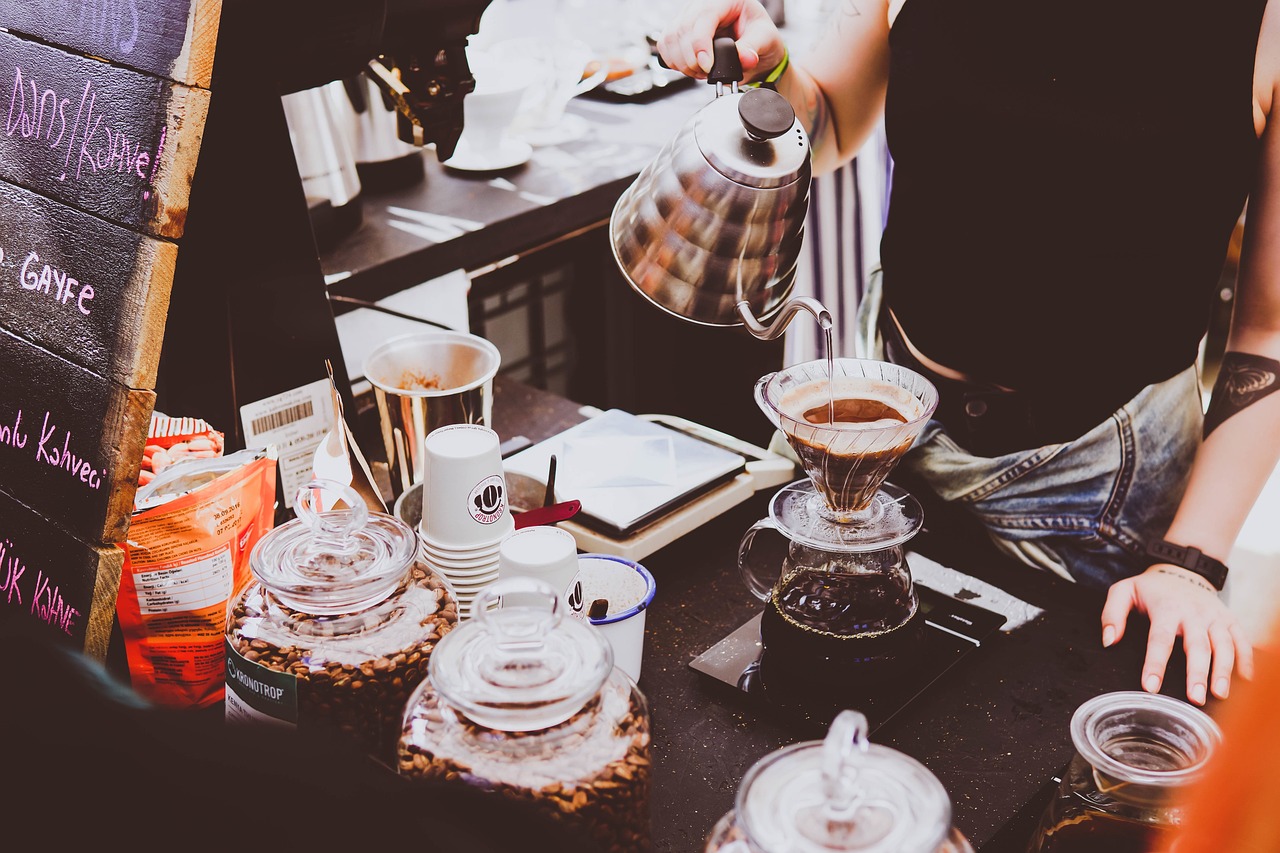
Begin by selecting your target water amount—let’s use 350 grams for a satisfying 12-ounce cup. Choose the golden ratio of 1:16 as your starting point, requiring 21.9 grams of coffee (round to 22 grams for simplicity). Place your brewing device on your scale and tare it to zero.
Add your measured coffee grounds, then tare again. Heat your water to approximately 200°F (93°C), just off boiling. Start your timer and begin the bloom phase by pouring twice the weight of your coffee grounds (44 grams) over the grounds, ensuring complete saturation.
After 30-45 seconds, continue pouring in steady, circular motions. Add water in stages, maintaining a consistent bed of grounds throughout the brew. Aim to finish all 350 grams of water within 2.5 to 3.5 minutes for optimal extraction.
Adjusting Based on Taste Results
Your first brew provides valuable feedback for refinement. If the coffee tastes weak, sour, or tea-like, you’ve under-extracted—try using more coffee (lower ratio like 1:15) or grinding slightly finer. Bitter, harsh, or astringent flavors indicate over-extraction—use less coffee (higher ratio like 1:17) or grind coarser.
Make one adjustment at a time to isolate variables. Change your ratio first, keeping grind size and technique constant. Once you’ve found your preferred strength, fine-tune grind size to perfect extraction. This methodical approach quickly narrows down your ideal brewing parameters.
💡 Advanced Tips for Ratio Mastery
Water quality significantly impacts your brew regardless of perfect ratios. Minerals in water affect extraction efficiency and flavor development. Ideal brewing water contains 50-175 ppm total dissolved solids with balanced calcium and magnesium content. If your tap water tastes chlorinated or metallic, consider filtered or bottled water for brewing.
Coffee freshness also influences optimal ratios. Recently roasted beans (within two weeks) contain more CO2, requiring slightly coarser grinds or higher ratios to prevent channeling. Older coffee may benefit from lower ratios to compensate for diminished flavors, though freshness always produces superior results.
Temperature plays a subtle but important role in extraction. Lighter roasts often benefit from hotter water (200-205°F) to fully extract their complex flavors, while darker roasts perform better at slightly cooler temperatures (195-200°F) to avoid excessive bitterness. Adjust ratios in conjunction with temperature for comprehensive control.
Seasonal and Origin Considerations
Different coffee origins respond uniquely to various ratios. Ethiopian coffees with their bright, floral characteristics often shine at 1:16 to 1:17 ratios that preserve delicate notes. Brazilian coffees with chocolatey, nutty profiles may handle 1:15 ratios beautifully, creating rich, full-bodied cups.
Seasonal changes in humidity affect coffee bean moisture content, subtly influencing extraction. In humid months, beans may absorb atmospheric moisture, requiring slight grind or ratio adjustments. Stay observant and willing to make minor tweaks as conditions change.
🎓 Common Mistakes Beginners Make with Ratios
The most frequent error is inconsistent measuring. Using volume-based scoops instead of weight measurements introduces massive variability since coffee density changes with roast level and grind size. A “scoop” might weigh anywhere from 12 to 20 grams, making consistency impossible.
Another common pitfall is changing multiple variables simultaneously. When a brew tastes off, beginners often adjust ratio, grind size, and water temperature all at once, making it impossible to identify which change actually improved results. Systematic, single-variable adjustments build understanding and lead to reproducible success.
Neglecting to tare the scale between steps causes cumulative errors. Always zero your scale after adding your brewing vessel, after adding coffee, and before pouring water. These simple resets ensure accurate measurements throughout the process.
Overcomplicating the Process
Some beginners become paralyzed by pursuing perfection, obsessing over tenth-of-a-gram differences or chasing exotic ratios. While precision matters, don’t let perfectionism rob you of enjoying the process. Small variations of 1-2 grams rarely produce dramatically different results—consistency and technique matter more than absolute precision.
Remember that personal preference trumps any prescribed ratio. The “perfect” brew is the one you enjoy drinking, not necessarily what experts recommend. Use ratios as starting points and guides, but trust your palate as the ultimate judge of success.
📈 Tracking Your Progress and Building Skills
Maintaining a simple brewing log accelerates your learning curve. Record the coffee used, ratio, grind setting, water temperature, total brew time, and most importantly, your taste impressions. This documentation reveals patterns over time, helping you understand how different variables interact.
Consider using a simple notebook or digital note-taking app dedicated to your coffee journey. Include the date, coffee origin and roast date, and rate each brew on a simple scale. Note what you enjoyed and what you’d change next time.
Review your logs monthly to identify trends. You might discover that you consistently prefer lower ratios with African coffees or that certain roasters’ beans perform best at specific parameters. These insights transform you from a recipe-follower into a knowledgeable brewer who understands the why behind the how.
🚀 Taking Your Pour-Over Skills to the Next Level
Once you’ve mastered basic ratios, explore more nuanced techniques like split brewing—using different ratios for bloom and main pour phases. Some advanced brewers use a concentrated ratio (1:12) for the bloom, then adjust the main pour to achieve an overall 1:16 ratio, creating enhanced flavor complexity.
Experiment with bypass brewing, where you brew a concentrated ratio (1:14) with less total water, then dilute the finished brew to your target volume. This technique can produce cleaner, brighter cups by minimizing prolonged contact between water and grounds.
Consider participating in online coffee communities where enthusiasts share recipes and techniques. These forums provide inspiration, troubleshooting help, and exposure to diverse brewing philosophies that can expand your understanding and appreciation of pour-over coffee.
🌍 The Broader Impact of Precision Brewing
Mastering brew ratios reduces waste significantly. When you consistently produce excellent coffee, you eliminate disappointing brews that end up down the drain. This precision respects the considerable effort invested in growing, processing, and roasting your coffee beans.
Proper ratios also maximize your coffee investment. Using too much coffee doesn’t necessarily improve taste—it often creates over-extracted bitterness. Conversely, using too little wastes water and time on weak brews. Accurate ratios ensure every bean contributes optimally to your cup.
This knowledge empowers you to appreciate specialty coffee more fully. When you understand how to showcase a coffee’s characteristics properly, you can taste the terroir, processing method, and roaster’s intent. Your morning routine transforms from caffeine delivery into a mindful sensory experience.
✨ Embracing the Journey from Beginner to Confident Brewer
Your path to pour-over mastery begins with a single mindful brew. Armed with ratio knowledge and simple tools, you’re equipped to produce consistently excellent coffee that rivals café quality. Each brew offers opportunities for learning, refinement, and enjoyment.
The beauty of ratio-based brewing lies in its combination of science and art. The science provides structure and repeatability, while the art emerges through your personal preferences and creative experimentation. Neither element alone creates truly exceptional coffee—the magic happens at their intersection.
Start tomorrow morning with intention. Measure your coffee and water precisely, pour with attention, and taste with curiosity. Notice what you enjoy and what you’d change. With each brew, you’re not just making coffee—you’re developing a valuable skill that will reward you with countless delicious cups for years to come.
Remember that every expert was once a beginner who refused to give up. Your willingness to learn, experiment, and occasionally fail is what separates casual coffee drinkers from passionate brewers. Embrace the process, celebrate small victories, and trust that consistency comes with practice. Your perfect pour is closer than you think—it’s just one calculated ratio away.