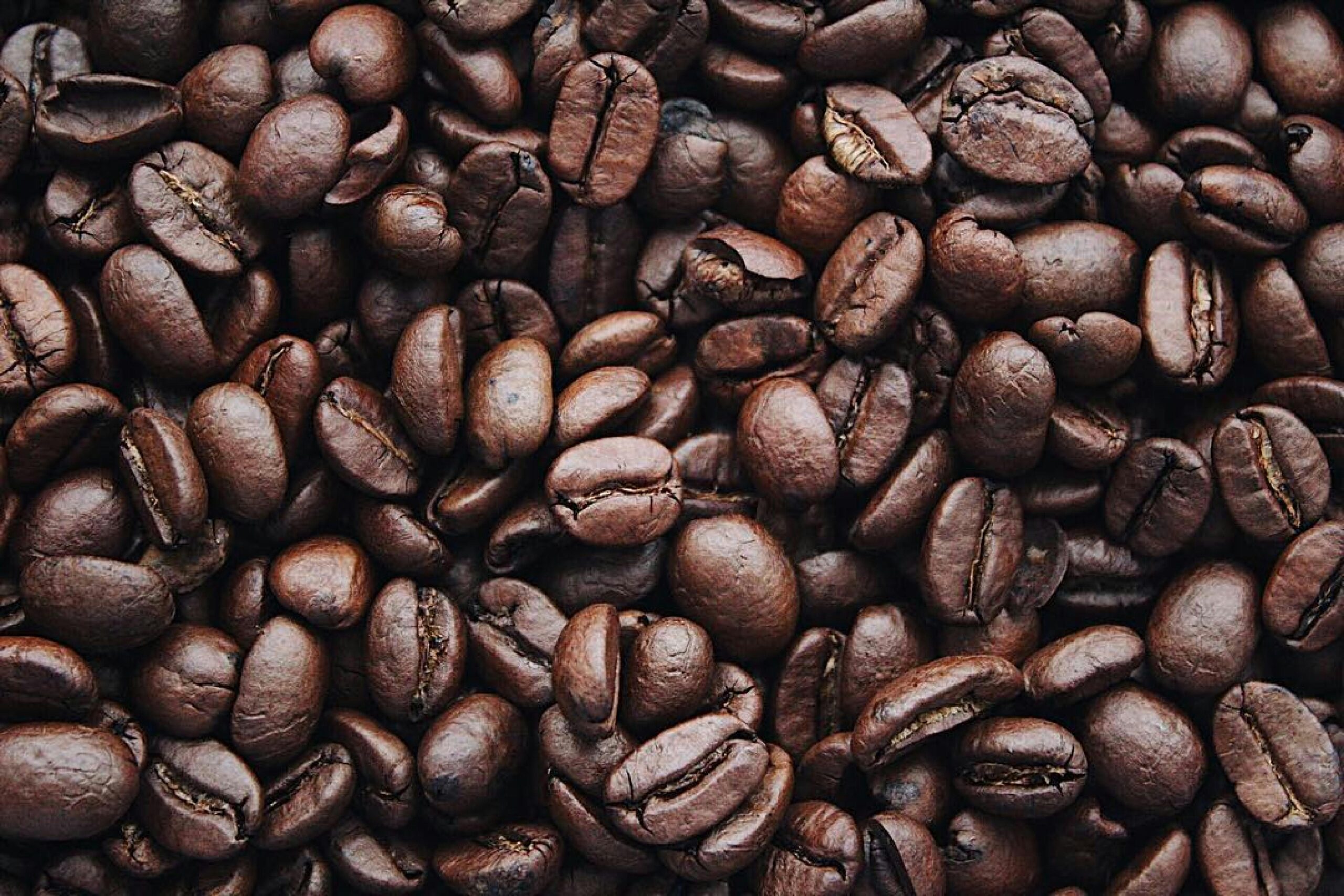
The journey to a perfect cup of coffee begins long before water touches grounds. Understanding grind size fundamentally transforms your brewing experience and unlocks flavors you never knew existed.

Every coffee enthusiast has experienced that disappointing moment when their morning brew tastes bitter, sour, or simply flat. More often than not, the culprit isn’t the beans themselves but rather the grind size used during preparation. The relationship between particle size and extraction time determines whether your coffee becomes a masterpiece or a morning mistake.
☕ Why Grind Size Matters More Than You Think
Coffee extraction is essentially a chemistry experiment happening in your cup. When hot water contacts coffee grounds, it begins dissolving soluble compounds that create flavor, aroma, and body. The surface area exposed to water directly impacts how quickly and efficiently this extraction occurs.
Fine grinds offer more surface area, leading to faster extraction. Coarse grinds provide less contact surface, resulting in slower extraction. This fundamental principle governs every brewing method from espresso to cold brew.
When your grind size doesn’t match your brewing method, you encounter two primary problems: under-extraction and over-extraction. Under-extracted coffee tastes sour, weak, and lacks complexity because insufficient soluble compounds dissolved into the water. Over-extracted coffee becomes bitter, astringent, and unpleasantly harsh as too many compounds—including undesirable ones—entered your cup.
🔍 Decoding the Grind Size Spectrum
Coffee grinds exist along a continuum from powder-fine to coarsely chunked. Understanding where your brewing method falls on this spectrum is essential for consistency.
Extra Fine: Turkish Coffee Territory
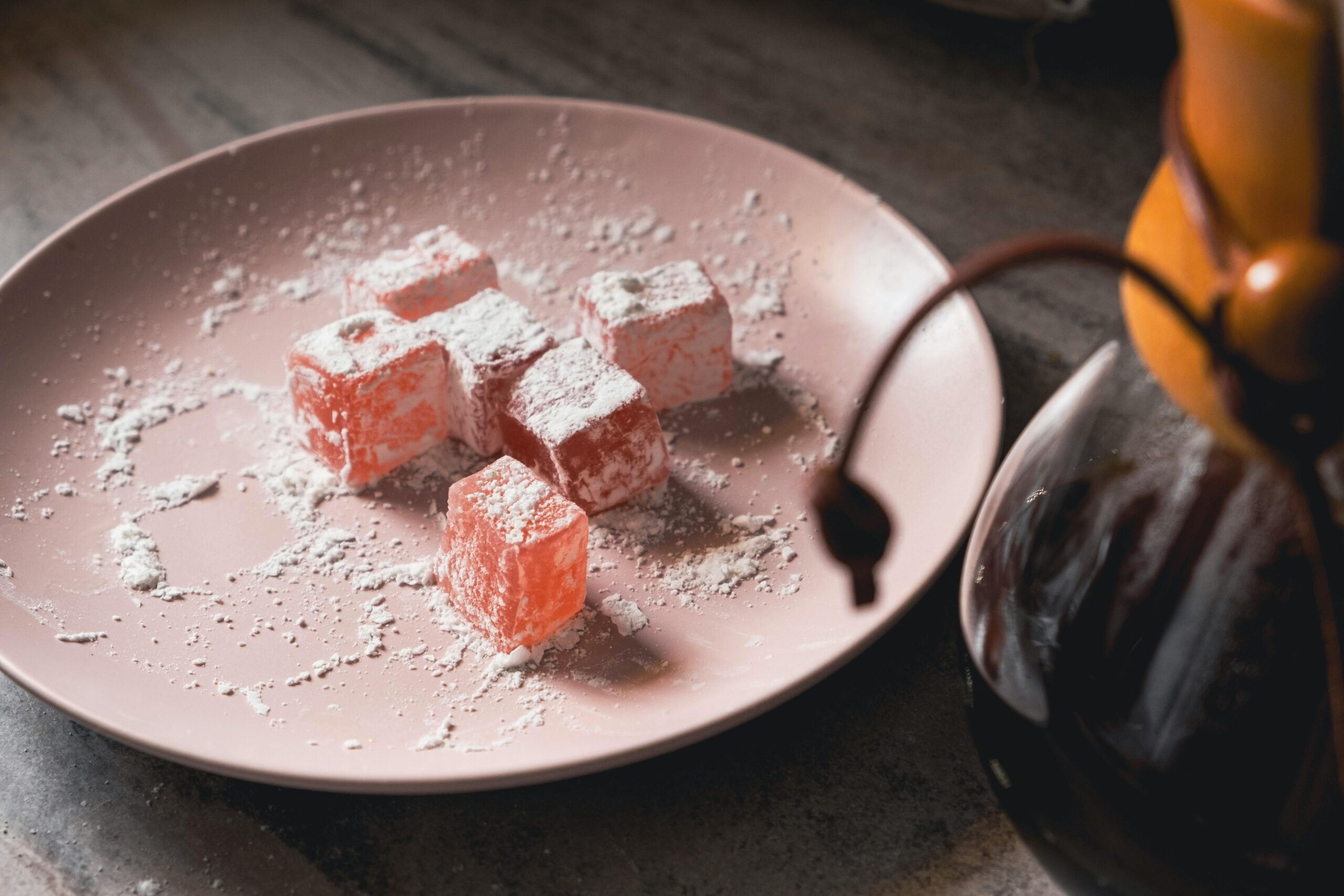
This powder-like consistency resembles flour or powdered sugar. It’s exclusively used for Turkish coffee preparation where grounds remain in the cup. The ultra-fine particles create maximum surface area for near-instantaneous extraction in boiling water.
Fine: Espresso Excellence
Fine grinds feel like table salt or slightly coarser sand. This size is perfect for espresso machines where high-pressure water forces through tightly packed grounds in 25-30 seconds. The fine particles create resistance needed for proper extraction under pressure while preventing water from rushing through too quickly.
Medium-Fine: Pour Over Precision
Slightly coarser than espresso but finer than drip coffee, medium-fine grinds resemble fine sand. This versatile size works beautifully for AeroPress, cone-shaped pour-over brewers like Hario V60, and siphon coffee makers. The grind allows controlled water flow while maintaining adequate extraction time.
Medium: Drip Coffee Standard
Medium grinds look like regular sand or rough cornmeal. This is the goldilocks zone for automatic drip coffee makers and flat-bottom pour-over brewers. The size balances extraction efficiency with appropriate brew time for these common methods.
Medium-Coarse: Specialty Brewer Sweet Spot
This grind resembles coarse sand or rough sea salt. It’s ideal for Chemex brewers and cafe solo makers where slightly longer contact time requires larger particles to prevent over-extraction.
Coarse: French Press Foundation
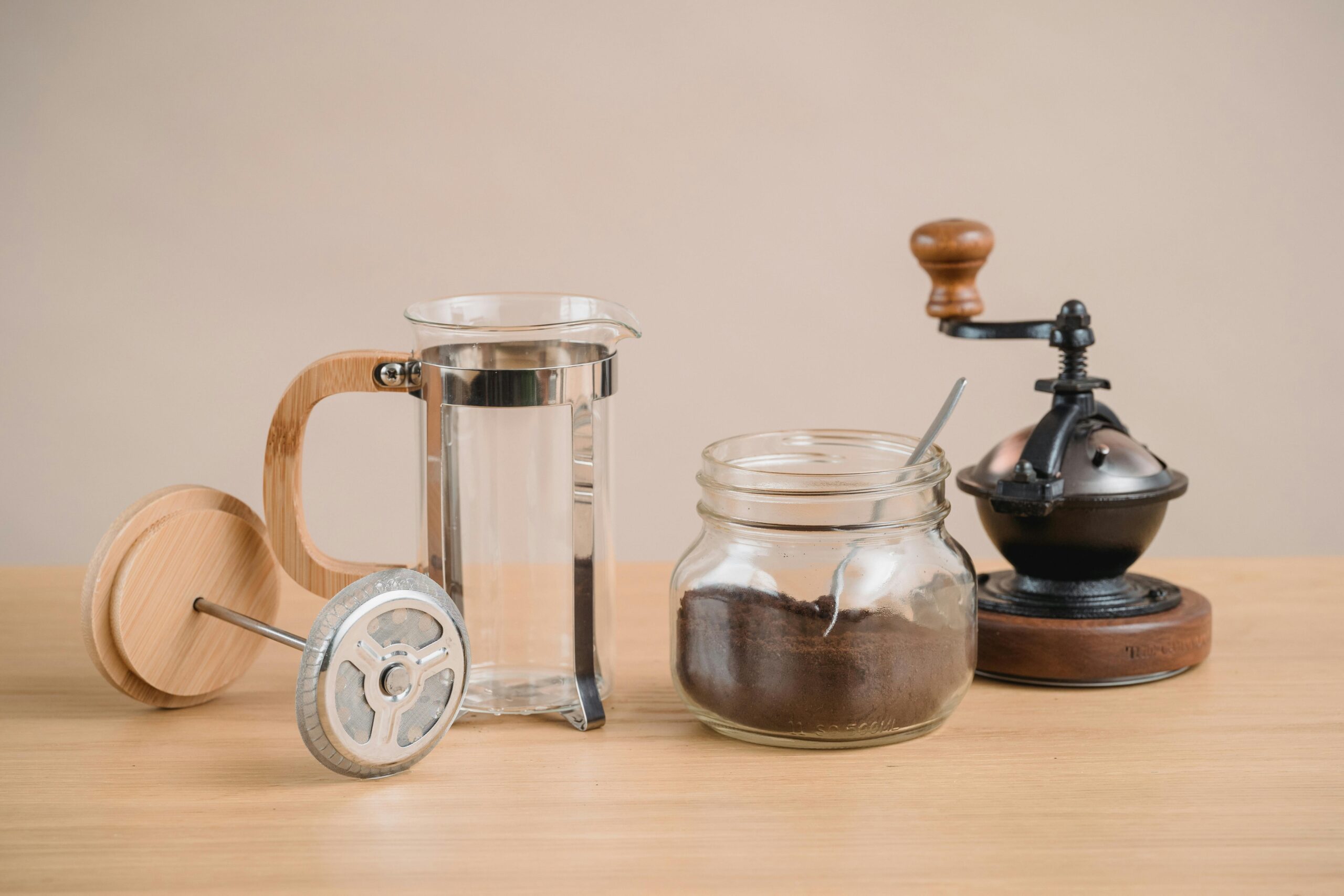
Coarse grinds look like kosher salt or breadcrumbs. This size prevents grounds from passing through metal mesh filters while allowing proper extraction during the four-minute steeping time typical of French press brewing.
Extra Coarse: Cold Brew Champion
The chunkiest grind resembles peppercorns or steel-cut oats. This size is essential for cold brew coffee where grounds steep for 12-24 hours. The large particles prevent over-extraction during extended contact time with room-temperature water.
⏱️ The Critical Connection Between Brew Time and Grind Size
Brewing coffee is ultimately about timing. Each method requires specific contact time between water and grounds to achieve optimal extraction. Your grind size must complement this duration.
Espresso extraction happens rapidly—just 25-30 seconds under high pressure. Fine grinds are necessary because there’s minimal time for water to extract flavors. Conversely, cold brew steeps for many hours, requiring extra coarse grinds to prevent harsh over-extraction.
The brew time calculator concept helps coffee lovers match their grind size to their chosen method. By inputting your brewing technique, you receive guidance on both particle size and optimal timing for best results.
🎯 Matching Methods: Your Comprehensive Brewing Guide
Different brewing methods require specific approaches. Here’s how to optimize your grind for popular techniques:
Espresso Machines
Grind size: Fine. Brew time: 25-30 seconds. The holy grail of espresso produces approximately one ounce from a double shot. Too fine creates excessive resistance causing slow drips and bitter over-extraction. Too coarse allows water to rush through, producing weak, sour shots.
Pour Over Coffee
Grind size: Medium-fine to medium. Brew time: 2.5-4 minutes. Pour-over methods offer tremendous control over extraction. Cone-shaped brewers like V60 typically work better with medium-fine grinds, while flat-bottom brewers like Kalita Wave prefer medium grinds. Adjust based on total brew time—if water drains too quickly, grind finer; if it stalls, grind coarser.
French Press
Grind size: Coarse. Brew time: 4 minutes. This immersion method steeps grounds directly in water before pressing them down with a metal filter. Coarse grinds prevent sediment in your cup while extracting properly during the steeping period. Many French press disappointments stem from using medium or fine grinds meant for other methods.
AeroPress
Grind size: Medium-fine. Brew time: 1-2 minutes. This versatile brewer accommodates various grind sizes and techniques. Standard method uses medium-fine grinds with gentle pressure applied over 30 seconds after a minute steep. Inverted method allows longer steeping with similar grinds.
Cold Brew
Grind size: Extra coarse. Brew time: 12-24 hours. Cold extraction requires patience and proper grind size. Extra coarse particles prevent the muddy, over-extracted taste that finer grinds produce during extended steeping. The cold temperature slows extraction, requiring longer contact time than hot brewing methods.
Moka Pot
Grind size: Fine to medium-fine. Brew time: 4-5 minutes. This stovetop brewer creates strong coffee through steam pressure. The grind should be slightly coarser than espresso but finer than drip. Too fine causes excessive pressure and potential safety issues; too coarse produces weak coffee.
Turkish Coffee
Grind size: Extra fine. Brew time: 3-4 minutes. This traditional method uses powder-fine grounds boiled directly in water. The ultra-fine grind creates the characteristic foam and thick texture. Grounds settle to the cup bottom after serving.
🛠️ Achieving Consistency: Grinder Considerations
Even perfect grind size knowledge means little without proper equipment. Your grinder dramatically impacts coffee quality.
Blade grinders chop beans inconsistently, creating a mix of fine powder and large chunks. This inconsistency causes uneven extraction—some particles over-extract while others under-extract. While budget-friendly, blade grinders limit your coffee’s potential.
Burr grinders crush beans between two abrasive surfaces, producing uniform particle sizes. They offer adjustable settings for different brewing methods and deliver consistency that blade grinders cannot match. Both flat burr and conical burr designs work well, with differences being subtle for home brewers.
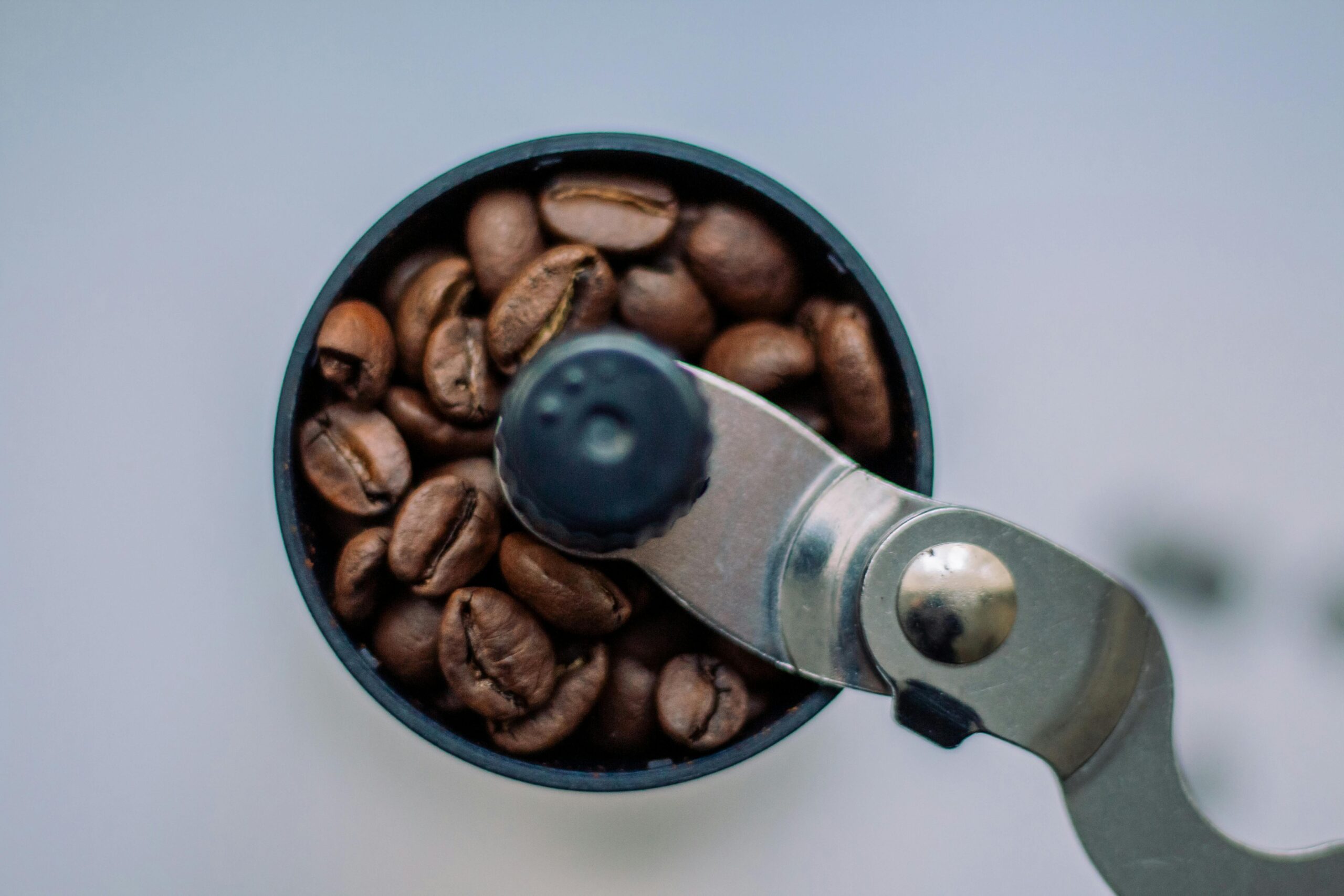
Manual burr grinders provide excellent grinding for those willing to invest effort. They’re portable, quiet, and often more affordable than electric burr grinders. Electric burr grinders offer convenience and speed, making them ideal for daily coffee routines.
🧪 Dialing In: The Art of Grind Adjustment
Finding your perfect grind size requires experimentation. Start with recommended settings for your brewing method, then adjust based on taste results.
If your coffee tastes sour, weak, or lacks body, it’s under-extracted. Try grinding finer to increase extraction. If it tastes bitter, harsh, or astringent, it’s over-extracted. Grind coarser to reduce extraction.
Make small adjustments—one or two clicks on your grinder—and brew again. Keep notes about grind settings, brew times, and taste results. This record helps you dial in preferences and troubleshoot future issues.
Water temperature, coffee-to-water ratio, and bean freshness also affect extraction. When adjusting grinds doesn’t solve problems, examine these other variables.
📊 Environmental Factors Affecting Your Brew
External conditions influence coffee extraction more than most realize. Humidity affects bean moisture content, requiring grind adjustments. High humidity makes beans absorb moisture, potentially requiring slightly finer grinds. Low humidity dries beans, possibly needing coarser settings.
Water quality significantly impacts flavor. Minerals in water aid extraction, but too many create off-flavors. Filtered water typically produces best results. Water temperature matters equally—ideal brewing temperature ranges from 195-205°F (90-96°C) for most methods.
Bean age affects extraction rate. Fresher beans (within two weeks of roasting) are more porous and extract faster than older beans. As beans age, they release carbon dioxide and become denser, potentially requiring slightly finer grinds or longer brew times.
💡 Common Grinding Mistakes to Avoid
Even experienced coffee enthusiasts make grinding errors. Pre-grinding beans is perhaps the most common mistake. Coffee begins losing flavor within minutes of grinding as aromatic compounds evaporate. Always grind immediately before brewing for maximum freshness.
Using the wrong grind size for your method wastes quality beans. That expensive single-origin coffee won’t shine if you’re using French press grinds in an espresso machine.
Inconsistent grinding produces inconsistent coffee. If your grinder creates uneven particle sizes, different pieces extract at different rates, creating muddled, unclear flavors.
Neglecting grinder cleaning allows rancid coffee oils and stale grounds to accumulate, contaminating fresh batches. Clean your grinder weekly for optimal performance and flavor.
🌟 Advanced Techniques: Taking Your Coffee Further
Once you’ve mastered basic grind-to-brew matching, advanced techniques offer refinement opportunities. Sifting grounds removes fines (ultra-small particles) and boulders (oversized chunks) for ultimate consistency. This technique particularly benefits espresso brewing where uniformity is paramount.
Bloom timing in pour-over brewing—that initial water addition allowing grounds to release carbon dioxide—works better with specific grind sizes. Medium-fine grinds typically bloom beautifully with 30-45 seconds before continuing the pour.
Temperature surfing on semi-automatic espresso machines requires precise grind adjustments. As machine temperature fluctuates slightly, minor grind changes maintain consistent extraction.
Blending different grind sizes intentionally creates unique flavor profiles. Some specialty roasters recommend combining medium and medium-fine grinds for certain pour-over applications, creating layered extraction.
🚀 Tools and Technology: Modern Solutions for Perfect Grinding
Technology continues improving coffee preparation. Smart grinders now offer programmable settings, timed grinding, and digital precision. These devices remove guesswork by delivering exact grind amounts at consistent sizes.
Brew time calculators and coffee ratio apps help optimize every variable. These tools consider your brewing method, desired strength, coffee amount, and grind size to recommend precise parameters.
Refractometers measure total dissolved solids in brewed coffee, providing objective data about extraction levels. While professional tools, they’re increasingly accessible to serious home brewers wanting scientific precision.
🎨 Creating Your Personal Coffee Ritual
Perfect coffee combines science and personal preference. Technical knowledge about grind size and extraction provides the foundation, but your taste preferences determine success.
Develop a morning ritual around grinding and brewing. The aromatic experience of freshly ground beans, the meditative process of manual brewing, and anticipation before that first sip create moments of daily mindfulness.
Experiment with different origins, roast levels, and brewing methods. Ethiopian light roasts reveal floral, fruity notes through pour-over brewing. Indonesian dark roasts create rich, earthy French press coffee. Each combination offers distinct experiences.
Share your coffee journey with others. Brewing for friends and family spreads appreciation for quality coffee while refining your skills through feedback and conversation.
✨ Your Path to Coffee Mastery Begins Now
Understanding grind size transforms coffee from routine beverage to craft experience. The relationship between particle size, brew time, and extraction method forms the foundation of exceptional coffee.
Start implementing these principles today. Examine your current brewing method and ensure your grind size matches recommended specifications. Invest in a quality burr grinder if you haven’t already—it’s the single most impactful upgrade for coffee quality.
Practice adjusting grinds based on taste feedback. Keep experimenting, taking notes, and refining your approach. Coffee mastery is a journey of continuous learning and sensory discovery.
The perfect cup awaits—one properly sized grind at a time. Your morning coffee routine will never be the same once you’ve experienced the remarkable difference that proper grinding makes. Embrace the process, trust your palate, and enjoy every delicious result of your newfound knowledge.