Brewing the perfect cup of coffee transforms from art to science when you’re making multiple servings. Scaling your coffee recipe accurately ensures every cup maintains that ideal flavor profile you’ve perfected.

Whether you’re hosting brunch, preparing coffee for your office team, or simply want consistent results every morning, understanding brew scaling fundamentals changes everything. The difference between mediocre and exceptional multi-serving coffee often comes down to precise calculations and systematic approaches that professional baristas use daily.
Why Traditional Coffee Measuring Falls Short for Multiple Servings ☕
Most coffee enthusiasts start their journey with simple measurements: a scoop per cup, eyeballing water levels, or following generic package instructions. These approaches work reasonably well for single servings, but they quickly become problematic when scaling up.
The challenge lies in maintaining the golden ratio—typically 1:16 coffee to water—across different batch sizes. When you double or triple your recipe, small measurement errors compound exponentially. A gram off here, a few milliliters there, and suddenly your carefully crafted coffee tastes diluted or overpowering.
Temperature dynamics also shift dramatically with volume. Brewing 200ml versus 1000ml requires different extraction considerations. Larger volumes retain heat longer, affecting extraction rates and potentially leading to over-extraction if you don’t adjust accordingly.
Understanding the Science Behind Coffee Brewing Ratios
The foundation of exceptional coffee lies in understanding extraction principles. When hot water contacts ground coffee, it dissolves soluble compounds—oils, acids, sugars, and caffeine—creating the complex flavor profile we crave.
Professional baristas reference the Coffee Brewing Control Chart developed by the Specialty Coffee Association. This chart maps Total Dissolved Solids (TDS) against extraction percentage, defining the “ideal” brewing zone where coffee tastes balanced, sweet, and complex rather than sour or bitter.
The Golden Ratio Explained
The widely accepted starting point for brew ratios is 1:15 to 1:18 coffee to water by weight. This means for every gram of coffee, you use 15-18 grams (or milliliters) of water. Different brewing methods and personal preferences influence where you land within this range:
- Pour-over methods typically use 1:16 or 1:17 for balanced, clean cups
- French press benefits from 1:15 for fuller body and texture
- Drip machines often work best around 1:17 due to their brewing dynamics
- Cold brew concentrates use 1:4 to 1:8, then dilute before serving
These ratios serve as starting points. Variables like roast level, grind size, water temperature, and brewing time all interact with these ratios to produce your final cup quality.
The Mathematics of Scaling Coffee Recipes 🔢
Scaling coffee recipes involves more than simple multiplication. While the basic ratio remains constant, practical considerations emerge when brewing larger quantities.
Consider this scenario: your perfect single serving uses 20g coffee and 320ml water (1:16 ratio). You need to brew for six people. The straightforward calculation suggests 120g coffee and 1920ml water. However, real-world brewing introduces complications.
Factors That Affect Scaling Accuracy
Water absorption by coffee grounds remains relatively constant regardless of batch size. Coffee grounds absorb approximately twice their weight in water. For 20g coffee, about 40ml of water is retained in the grounds. When scaling to 120g, 240ml gets absorbed—a significant consideration when calculating your final yield.
Brewing equipment capacity presents another constraint. Your brewing device has optimal volume ranges. A Chemex rated for 6 cups performs differently when filled to maximum capacity versus half-full. Bloom phases, pour rates, and drainage times all vary with volume.
Heat loss increases with surface area. Larger batches have better thermal mass but also more surface area for heat dissipation. This affects extraction timing and may require temperature adjustments.
Building Your Personal Brew Scaling Calculator System
Creating a reliable scaling system requires establishing your baseline recipe first. Brew single servings multiple times, adjusting variables until you achieve consistent, excellent results. Document everything: coffee dose, water volume, grind setting, water temperature, total brew time, and any technique notes.
Once established, create a simple spreadsheet or use dedicated brewing apps. Input your baseline ratio and desired serving count. The calculator should output required coffee weight, water volume, and adjusted water to account for absorption.
Essential Variables for Your Calculator
Your brewing calculator should track these core elements:
| Variable | Typical Range | Impact on Flavor |
|---|---|---|
| Coffee Dose | 10-80g | Strength foundation |
| Water Volume | 150-1200ml | Dilution level |
| Brew Ratio | 1:14 to 1:18 | Balance and body |
| Grind Size | Fine to coarse | Extraction speed |
| Water Temperature | 88-96°C | Extraction efficiency |
| Brew Time | 2-8 minutes | Extraction completeness |
Advanced calculators incorporate grind size recommendations based on batch size. Larger batches often benefit from slightly coarser grinds to prevent over-extraction during extended contact time.
Practical Application: Brewing for Different Group Sizes
Let’s explore real scenarios where brew scaling calculators prove invaluable. Each situation presents unique challenges requiring adapted approaches.
Morning Coffee for Two to Four People
Small groups represent the easiest scaling scenario. Start with 15g coffee per person at 1:16 ratio. For three people, use 45g coffee with 720ml water. Add 90ml extra water to compensate for absorption, totaling 810ml initial pour.
Your standard pour-over device likely handles this volume comfortably. Maintain your usual brewing technique with minimal adjustments. Grind size can remain identical to your single-serving baseline.
Office Batch Brewing for Ten Plus Servings
Larger batches require systematic approaches. Calculating 150g coffee for ten servings (1:16 ratio) needs 2400ml water, plus 300ml for absorption—2700ml total. This volume exceeds most pour-over capabilities, necessitating batch brewing equipment.
Commercial drip brewers or large French presses become necessary. These devices have different extraction dynamics than manual methods. Adjust your ratio slightly—try 1:17 for drip machines to compensate for their efficient extraction.
Pre-wet your filter thoroughly with hot water. This removes paper taste and preheats the vessel, reducing thermal shock that affects extraction. Start your brew cycle with freshly boiled water for optimal temperature stability throughout the longer brewing process.
Digital Tools and Apps That Simplify Brew Scaling 📱
Modern technology offers sophisticated solutions for coffee enthusiasts. Several applications provide brew scaling calculators with additional features like timer integration, technique guides, and recipe libraries.
These tools eliminate manual calculations, reducing errors and freeing you to focus on brewing technique. Many include conversion features between measurement systems, helping international recipe adaptation. Some advanced apps connect with smart scales via Bluetooth, providing real-time feedback during brewing.
Look for applications that allow custom ratio inputs, save multiple brewing profiles for different methods, and offer adjustment suggestions based on taste feedback. The best tools balance functionality with simplicity, avoiding overwhelming interfaces that complicate rather than simplify your brewing routine.
Troubleshooting Common Multi-Serving Brewing Challenges
Even with precise calculations, variables occasionally produce unexpected results. Developing troubleshooting skills helps you adapt quickly and maintain consistency.
When Coffee Tastes Weak or Watery
Under-extraction typically causes thin, sour, or weak coffee. This happens when coffee grounds don’t spend sufficient time with water, or when water temperature drops too low during brewing. For larger batches, ensure your equipment maintains temperature throughout the process.
Solutions include using slightly finer grinds to increase extraction surface area, raising water temperature by 1-2°C, or tightening your brew ratio from 1:17 to 1:15. Pre-heating all equipment helps significantly with thermal stability.
When Coffee Tastes Too Strong or Bitter
Over-extraction creates harsh, bitter, astringent flavors. This occurs more frequently with larger batches that steep longer or when grind size is too fine for the volume being brewed.
Adjust by coarsening your grind slightly, reducing water temperature to 91-92°C, or loosening your ratio to 1:18. For immersion methods like French press, reduce steeping time by 30-60 seconds when brewing larger quantities.
Advanced Techniques for Competition-Level Precision ⭐
Professional baristas employ additional refinements that elevate coffee from good to exceptional. These techniques require more attention but deliver noticeably superior results.
Bloom Phase Optimization
The bloom—that initial coffee degassing when hot water first contacts grounds—becomes more critical with larger doses. Use water equal to twice your coffee weight for the bloom (60g coffee needs 120g bloom water). Let it sit for 30-45 seconds before continuing your pour.
This initial saturation releases CO2 trapped in the beans, allowing better water penetration during subsequent pours. Skipping or rushing this step causes channeling, where water finds easy paths through the coffee bed rather than extracting evenly.
Pulse Pouring for Better Extraction
Rather than pouring all water continuously, divide it into multiple pours with brief pauses. For a 600ml total water brew, try: 100g bloom, wait 30 seconds, 250g pour, wait 30 seconds, 250g final pour. This technique manages the coffee bed structure and maintains optimal turbulence for even extraction.
Pulse pouring particularly benefits larger batches where continuous pouring might create uneven saturation or bed compaction. The pauses allow water to drain partially, preventing overflow and maintaining proper slurry consistency.
Maintaining Consistency Across Different Coffee Beans
Your carefully calibrated calculator provides a starting framework, but different coffees require adjustments. Bean origin, processing method, roast level, and age all influence optimal brewing parameters.
Light roasts typically need hotter water (94-96°C) and potentially longer extraction times or finer grinds to fully develop their bright, complex flavors. Dark roasts are more soluble and extract faster, performing better with slightly cooler water (88-92°C) and coarser grinds to avoid harsh bitterness.
When switching beans, start with your baseline recipe and make incremental adjustments. Change one variable at a time, testing results before additional modifications. Keep notes on successful configurations for different coffee types, building a personal database that speeds future brewing.
Equipment Considerations for Scaled Coffee Brewing
Your brewing device significantly impacts scaling success. Each method has optimal volume ranges where it performs best. Pushing beyond these limits compromises extraction quality.
Pour-over devices like V60 or Chemex work beautifully up to about 600-800ml. Beyond that, maintaining proper pour technique becomes challenging. The coffee bed gets deeper, requiring longer brew times that risk over-extraction or temperature loss.
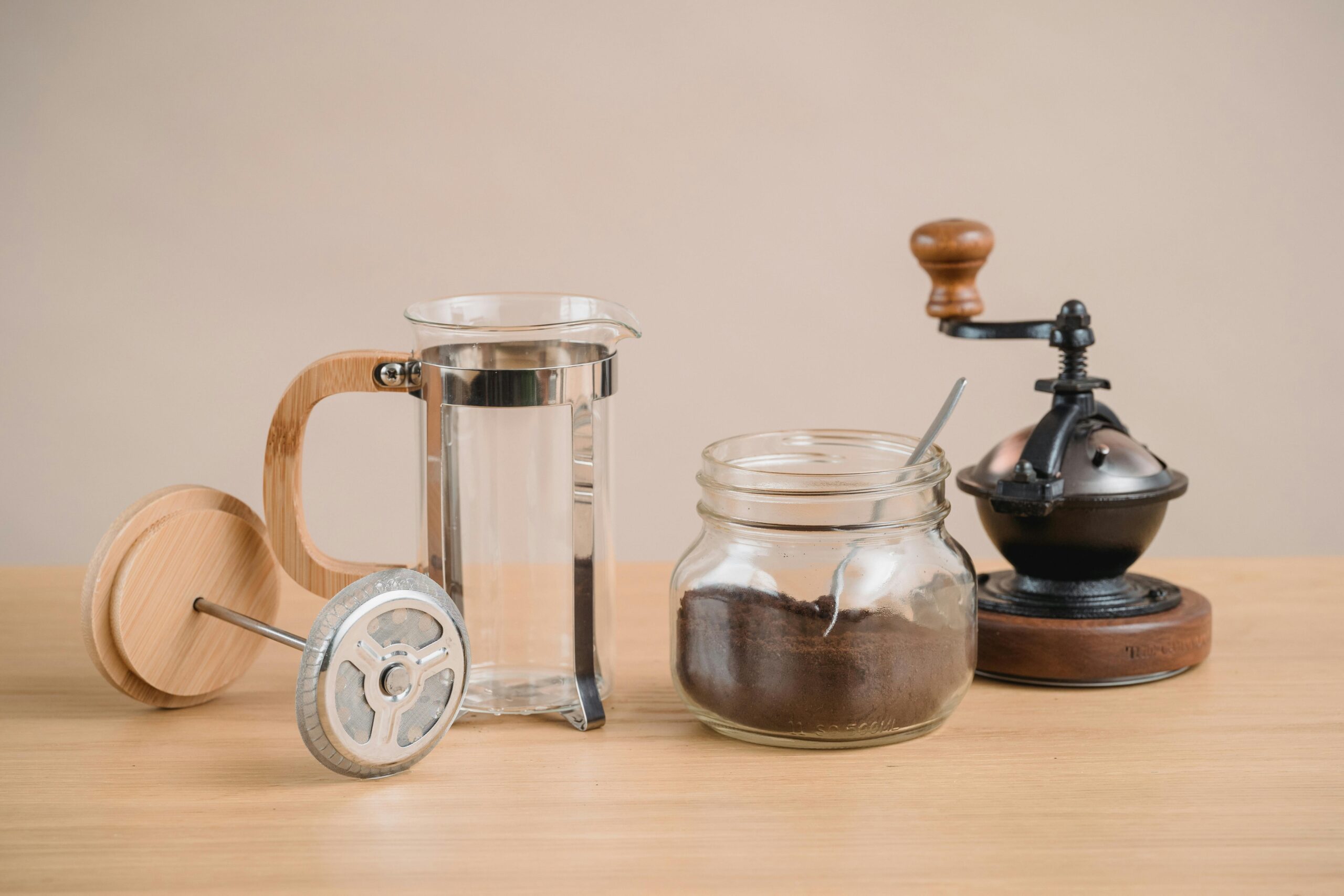
French press scales more readily, handling 500-1500ml comfortably. The immersion method naturally accommodates larger volumes. However, pressing technique becomes more physically demanding with larger quantities, potentially agitating grounds and creating excessive sediment.
Automatic drip brewers offer convenience for large batches but sacrifice some control. Choose models with SCAA certification, indicating they maintain proper brewing temperature and shower head dispersion. Even certified machines benefit from ratio adjustments—test and refine based on results.
Creating Your Personal Brewing Reference Guide 📝
Transform your calculator from simple tool to comprehensive brewing system by documenting experiences systematically. Create a reference guide including successful recipes for different scenarios, equipment-specific adjustments, and coffee-specific modifications.
Structure your guide around common brewing situations: weekday morning for two, weekend brunch for six, office meeting for twelve. Include complete specifications for each scenario—coffee weight, water volume, grind setting (with reference photo if possible), temperature, timing, and technique notes.
Photograph your grind size references. Descriptions like “medium-fine” vary between people. Visual references ensure consistency when you revisit recipes after time away. Include photos of proper bloom appearance and coffee bed structure after brewing—these visual cues help diagnose issues quickly.
The Environmental and Economic Benefits of Precision Brewing
Accurate brew scaling reduces waste significantly. Over-brewing because you’re uncertain about quantities wastes coffee, water, and energy. Under-brewing forces you to start over, doubling resource consumption.
Coffee represents a substantial ongoing expense for regular drinkers. Precision brewing ensures you extract maximum value from each bean purchase. The difference between optimal 1:16 ratio and wasteful 1:20 ratio amounts to 25% more coffee beans achieving the same number of servings.
Environmental considerations extend beyond coffee itself. Precise calculations mean less water waste, fewer disposal coffee grounds, and reduced energy consumption from rebrewing. For offices or cafes, these savings multiply across hundreds or thousands of servings monthly.
Elevating Your Coffee Experience Through Calculated Precision
Mastering brew scaling transforms coffee from daily routine into refined craft. The confidence that comes from knowing your calculations will deliver consistent results removes guesswork and anxiety from multi-serving situations.
Start simple with basic ratio calculations and gradually incorporate advanced techniques as your skills develop. Every brewing session provides learning opportunities—taste critically, adjust thoughtfully, and document thoroughly. Your personal brewing system evolves into a powerful tool that makes exceptional coffee accessible regardless of serving size.
The perfect pour isn’t mysterious or exclusive to professionals. With systematic scaling approaches, quality equipment, and attention to detail, anyone can consistently brew outstanding coffee for any group size. Your calculator becomes more than numbers—it’s the foundation of hospitality, daily rituals, and those special moments when exceptional coffee brings people together.