Brewing the perfect cup of coffee is both an art and a science, requiring understanding of how different roast levels interact with water, time, and temperature. The journey to coffee mastery begins with learning to adjust your ratios.

Whether you prefer the intense, chocolatey notes of dark roasts or the bright, fruity characteristics of light roasts, understanding how to manipulate coffee-to-water ratios will transform your daily brew. Each roast level demands its own approach to extraction, and mastering these adjustments will elevate your coffee experience from ordinary to extraordinary.
☕ Understanding the Fundamentals of Coffee Ratios
The golden ratio for coffee brewing typically falls between 1:15 and 1:18 (coffee to water), but this standard doesn’t account for the dramatic differences between roast levels. Dark roasts and light roasts are fundamentally different products, despite coming from the same green coffee beans. The roasting process creates distinct chemical compositions that require tailored brewing approaches.
Dark roasts undergo longer roasting times, developing oils on the bean surface and creating soluble compounds that extract more quickly. Light roasts retain more of their original density and require more aggressive extraction to release their complex flavor profiles. This fundamental difference is why using the same ratio for both roast types often produces disappointing results.
The Science Behind Roast Levels
During roasting, coffee beans undergo the Maillard reaction and caramelization, transforming sugars and proteins into hundreds of flavor compounds. Dark roasts experience more extensive degradation of these compounds, resulting in lower density beans with increased porosity. This structural change means water penetrates dark roast grounds more easily, extracting flavors faster and more completely.
Light roasts maintain higher density and lower porosity, preserving more of the bean’s original characteristics including higher acidity and more delicate flavor notes. These beans require more energy (in the form of time, temperature, or agitation) to extract properly, otherwise producing sour, underdeveloped flavors.
🎯 Perfecting Ratios for Bold Dark Roasts
Dark roasts demand respect and restraint. Their bold, robust flavors can quickly become overwhelming and bitter if over-extracted. The key to brewing excellent dark roast coffee lies in using slightly less coffee or more water than you would for lighter roasts, allowing the intense flavors to shine without becoming overpowering.
Recommended Dark Roast Ratios
For dark roasts, start with a ratio of 1:17 to 1:18 (one gram of coffee to 17-18 grams of water). This slightly diluted ratio compensates for the increased extraction efficiency of darker beans. If you’re brewing a 12-ounce cup (approximately 350ml), use between 19-20 grams of coffee rather than the standard 22-23 grams you might use for medium roasts.
French press enthusiasts working with dark roasts should consider a 1:16 ratio with a shortened brew time of 3 minutes instead of the traditional 4 minutes. The immersion method’s prolonged contact time combined with dark roast’s quick extraction can easily lead to over-extraction and bitterness.
Grinding Considerations for Dark Roasts
Grind size plays a crucial role in extraction. For dark roasts, opt for a slightly coarser grind than you’d use for the same brewing method with lighter beans. The increased surface oils and brittleness of dark roasts mean they break down more easily during grinding, creating more fine particles that can contribute to over-extraction and muddiness.
Pour-over methods like V60 or Chemex work beautifully with dark roasts when using a medium-coarse grind and the adjusted ratio. The paper filters trap oils that might otherwise create an overly heavy mouthfeel, while the controlled extraction prevents bitterness from dominating the cup.
🌅 Mastering Smooth Light Roast Brewing
Light roasts present a different challenge entirely. These beans are packed with potential but require precision and slightly more aggressive extraction to reveal their complexity. The bright acidity, floral aromatics, and fruit-forward flavors that make light roasts special only emerge when properly extracted.
Optimal Light Roast Ratios
For light roasts, embrace a stronger ratio of 1:15 to 1:16. Using that same 12-ounce cup example, you’d employ 22-23 grams of coffee. This increased coffee dose compensates for the bean’s resistance to extraction, ensuring you pull out the delicate flavors locked within the denser bean structure.
Light roasts benefit from hotter water temperatures (around 205°F/96°C) compared to dark roasts (which perform better at 195-200°F/90-93°C). The combination of increased coffee dose, hotter water, and potentially longer brew times work together to achieve proper extraction from these stubborn beans.
Grinding Strategy for Light Roasts
Light roasts demand a finer grind to increase surface area and facilitate extraction. However, grinding too fine creates astringency and channeling in pour-over methods. Aim for a medium to medium-fine grind that feels slightly gritty when rubbed between your fingers, similar to granulated sugar rather than table salt.
Espresso preparation with light roasts has become increasingly popular in specialty coffee circles. These shots require even more careful calibration, often using ratios of 1:2 to 1:2.5 (coffee to beverage weight) with extended extraction times of 30-35 seconds to properly develop the complex flavors without sourness.
⚖️ Practical Ratio Adjustment Table
| Roast Level | Coffee:Water Ratio | Grind Size | Water Temperature | Brew Time (Pour-Over) |
|---|---|---|---|---|
| Dark Roast | 1:17 to 1:18 | Medium-Coarse | 195-200°F (90-93°C) | 2:30-3:00 minutes |
| Medium Roast | 1:16 to 1:17 | Medium | 200-205°F (93-96°C) | 3:00-3:30 minutes |
| Light Roast | 1:15 to 1:16 | Medium-Fine | 205°F (96°C) | 3:30-4:00 minutes |
🔧 Troubleshooting Common Ratio Mistakes
Even experienced home brewers make ratio mistakes that undermine their coffee’s potential. Recognizing the signs of improper ratios helps you make targeted adjustments rather than random changes that might move you further from the perfect cup.
Signs Your Dark Roast Ratio Is Wrong
If your dark roast tastes overwhelmingly bitter with ashy or burnt characteristics dominating, you’re likely over-extracting. Increase your ratio (more water, less coffee) or coarsen your grind. Conversely, if the cup tastes thin and watery despite the roast’s boldness, you’ve diluted too much—tighten your ratio slightly or refine your grind a notch.
Dark roasts should deliver chocolate, caramel, and nutty notes with pleasant bitterness balanced by residual sweetness. The body should feel substantial without being oily or cloying. If you’re missing these characteristics, your ratio likely needs adjustment.
Identifying Light Roast Ratio Issues
Sour, underdeveloped flavors in light roast indicate under-extraction. The coffee may taste grassy, lemony, or sharp without pleasant sweetness to balance the acidity. Strengthen your ratio, grind finer, or increase water temperature. These beans need encouragement to give up their goods.
Over-extracted light roasts present as hollow, bitter, and astringent with dry mouthfeel. While less common than under-extraction with light roasts, it happens when ratios are too strong combined with overly fine grinding. Dial back slightly on coffee dose or coarsen your grind incrementally.
📱 Precision Tools and Apps for Ratio Mastery
Consistency in coffee brewing requires accurate measurement. While traditional scoops and volume measurements have their place, weight-based ratios using a digital scale provide the precision necessary for truly dialing in your perfect brew. Measuring by weight accounts for variations in bean density between roast levels.
Several smartphone applications help coffee enthusiasts track their brewing parameters and maintain consistency. These digital tools allow you to log your ratios, grind settings, brew times, and tasting notes, creating a personalized database of successful brews you can replicate.
Building Your Brewing Arsenal
Beyond scales and timers, certain tools make ratio adjustment easier. A refractometer measures total dissolved solids (TDS) in your brewed coffee, providing objective data about extraction levels. While not necessary for home brewing, understanding TDS helps explain why certain ratio adjustments work better than others.
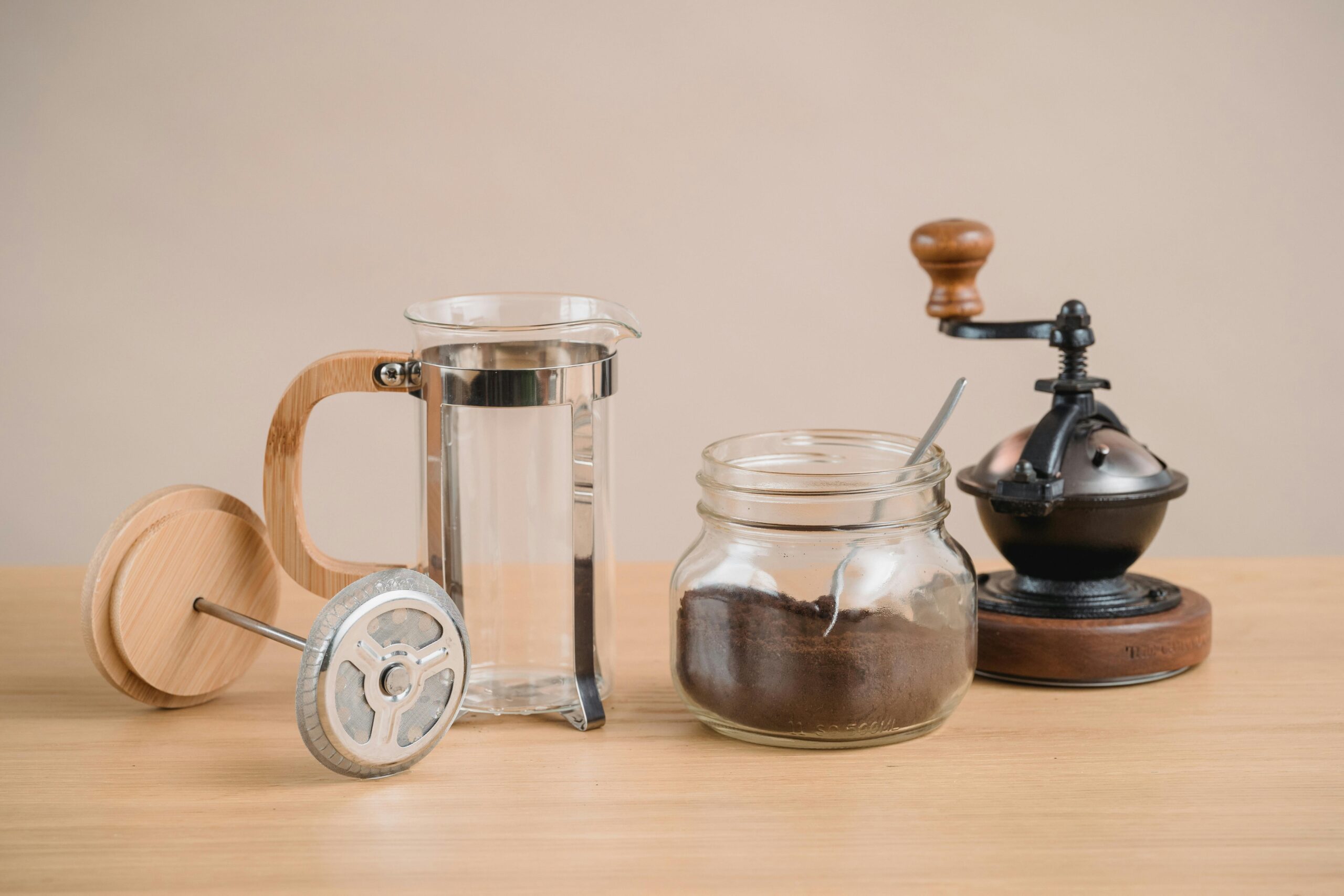
Quality grinders with repeatable, adjustable settings are non-negotiable for ratio mastery. Blade grinders produce inconsistent particle sizes that make ratio adjustments nearly impossible to evaluate accurately. Burr grinders, whether hand-crank or electric, create uniform grounds essential for predictable extraction.
🌍 Regional and Cultural Ratio Preferences
Coffee culture varies dramatically around the world, with different regions embracing distinct ratio preferences that reflect local tastes and traditions. Understanding these variations provides perspective and inspiration for your own brewing experiments.
Scandinavian coffee culture traditionally favors light roasts brewed at relatively strong ratios (1:14 to 1:15), celebrating the coffee’s origin characteristics. Italian espresso culture embraces dark roasts pulled at traditional 1:2 ratios, prioritizing intensity and body. American specialty coffee has recently shifted toward lighter roasts with ratios that emphasize clarity and complexity.
Adapting Ratios for Different Origins
Coffee origin influences how ratios should be adjusted, even within the same roast level. Ethiopian light roasts with intense floral and berry notes might benefit from slightly weaker ratios (1:16) to prevent overwhelming delicate aromatics. Brazilian dark roasts with chocolate and nut profiles can handle stronger ratios (1:16) that emphasize their robust character.
Processing methods also matter. Natural processed coffees typically have heavier body and more fruit-forward flavors that shine with slightly weaker ratios. Washed coffees emphasize clarity and might benefit from ratios on the stronger end of the spectrum for their roast level.
💡 Advanced Ratio Techniques for Coffee Enthusiasts
Once you’ve mastered basic ratio adjustments for roast levels, advanced techniques offer new dimensions of control and customization. These approaches require more equipment and attention but reward dedicated coffee lovers with unprecedented consistency and quality.
Ratio Profiling and Bypass Brewing
Some brewers deliberately use very strong ratios (1:12 to 1:14) then dilute the concentrated result with hot water to reach their target final ratio. This “bypass” method can produce different flavor profiles than brewing directly to the final ratio, particularly useful for highlighting specific characteristics in complex light roasts.
Temperature profiling involves adjusting water temperature during the brew, starting hotter to kickstart extraction then cooling slightly to prevent over-extraction. Combined with precise ratios, this technique offers exceptional control over which flavor compounds you emphasize in the final cup.
Bloom Ratios and Pre-Infusion
The bloom phase—the initial wetting of coffee grounds—deserves its own ratio consideration. Using 2-3 times the coffee’s weight in water for a 30-45 second bloom allows CO2 to escape and prepares the grounds for even extraction. Light roasts benefit from longer blooms with slightly more water, while dark roasts bloom efficiently with less.
🎨 Creating Your Personal Ratio System
The ultimate goal isn’t following prescribed ratios religiously but developing your personal system that accounts for your equipment, water quality, and taste preferences. Use standard ratios as starting points, then adjust based on results.
Keep a brewing journal documenting your ratios, grind settings, and impressions. After 10-15 brews with the same coffee, patterns emerge revealing your optimal parameters. This empirical approach transforms ratio adjustment from guesswork into a refined, personal methodology.
Factors Beyond Ratio
Remember that ratio is just one variable in the brewing equation. Water quality significantly impacts extraction—soft water under-extracts while very hard water over-extracts. Filtered water with balanced mineral content (around 150 TDS with appropriate calcium and magnesium levels) provides the best foundation for ratio experimentation.
Freshness matters enormously. Coffee peaks 7-14 days after roasting for most brewing methods. Adjusting ratios cannot compensate for stale coffee that has lost its volatile aromatics and developed flat, cardboard flavors. Source fresh beans from reputable roasters who include roast dates on packaging.
🏆 Achieving Consistency and Repeatability
The true mark of ratio mastery is consistency—the ability to brew excellent coffee repeatedly, not just occasionally. Developing systematic habits and environmental controls ensures your ratio adjustments produce reliable results.
Pre-warm your brewing equipment to maintain stable temperatures throughout extraction. Cold pour-over cones and servers steal heat from your carefully measured water, altering extraction dynamics. A simple 30-second rinse with hot water makes a measurable difference in consistency.
Measure everything every time. Even experienced baristas who can eyeball ratios reasonably well rely on scales for consistency. The few seconds spent weighing coffee and water prevent the heartbreak of a mediocre cup when you know the potential was there.
🌟 Your Journey to Coffee Excellence
Mastering coffee ratios for different roast levels opens a world of flavor possibilities previously hidden in your daily brew. Dark roasts reveal unexpected sweetness and complexity when brewed with appropriate restraint. Light roasts transform from sour disappointments to revelatory experiences when given the extraction they demand.
Start with the guidelines provided—1:17-18 for dark roasts, 1:15-16 for light roasts—but trust your palate as the ultimate judge. Adjust incrementally, changing only one variable at a time, and taste critically. The perfect ratio exists at the intersection of coffee science and your personal preference.
Your morning cup deserves the attention these adjustments require. The difference between mediocre and extraordinary coffee often comes down to a few grams of coffee or milliliters of water. Now armed with understanding of how roast levels interact with ratios, you possess the knowledge to brew with confidence and intention, creating cafe-quality coffee in your own kitchen every single day.