Coffee enthusiasts know that precision makes all the difference between a mediocre cup and an extraordinary brewing experience. The bloom phase is where magic begins.

Understanding the bloom water ratio has transformed how professional baristas and home brewers approach their morning ritual. This critical first step in pour-over coffee preparation determines extraction quality, flavor clarity, and overall cup satisfaction. When you master the bloom technique with precise water ratios, you unlock consistency that elevates every single brew to cafe-quality standards.
☕ Understanding the Coffee Bloom Phase
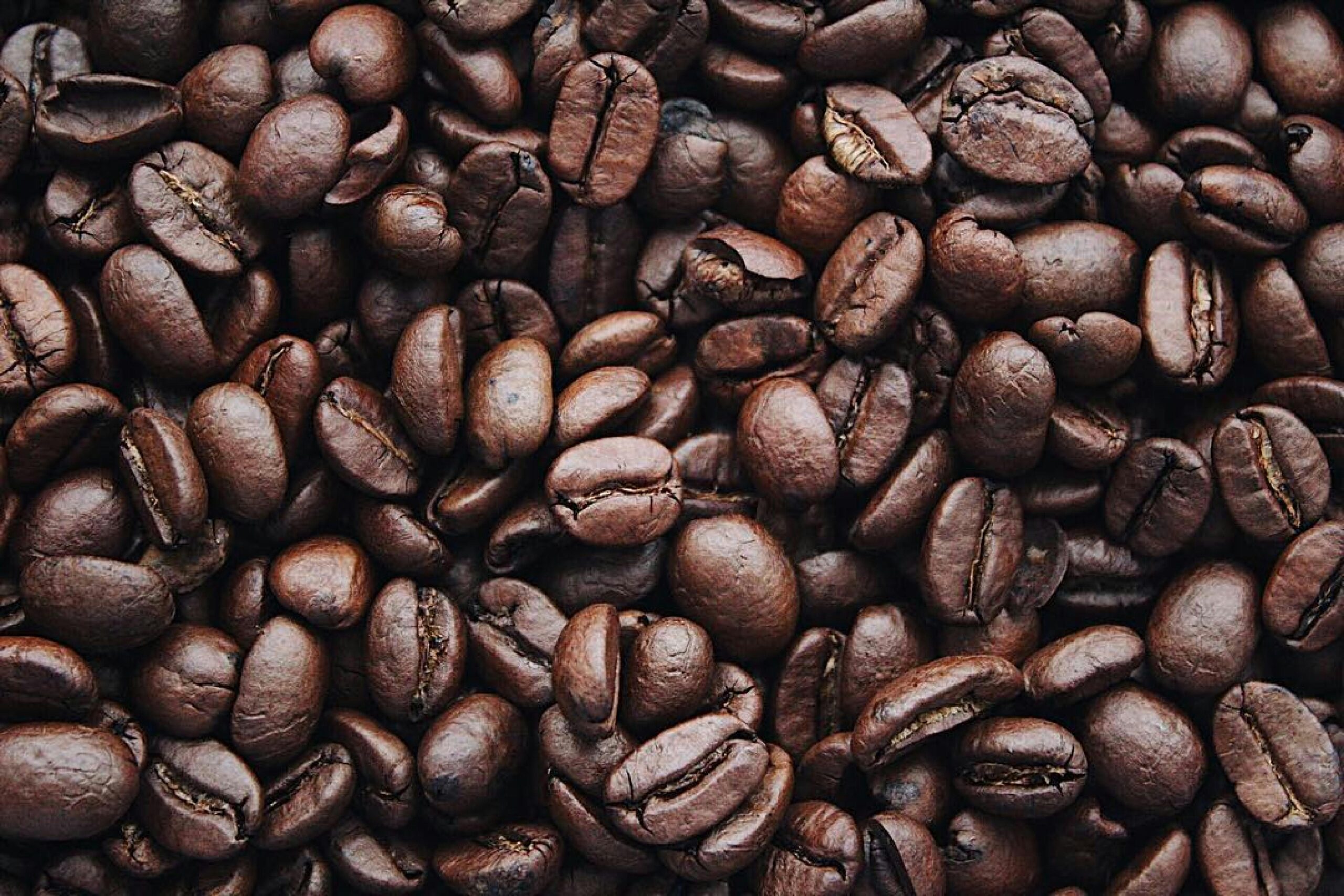
The bloom represents the initial contact between hot water and freshly ground coffee. During this phase, carbon dioxide gas trapped inside the beans during roasting escapes rapidly, creating a beautiful bubbling effect that resembles a flower opening. This degassing process is essential for proper extraction because CO2 can create a barrier preventing water from accessing the soluble compounds within the grounds.
Fresh coffee contains significantly more CO2 than older beans, which explains why recently roasted coffee produces a more dramatic bloom. The gas release typically lasts between 30 to 45 seconds, during which the coffee bed expands and rises. This visual indicator helps brewers assess bean freshness and adjust their technique accordingly.
Without proper blooming, your extraction becomes uneven and unpredictable. Water channels through the coffee bed rather than saturating uniformly, leading to simultaneous over-extraction and under-extraction in different areas. The result is a muddled flavor profile with bitter and sour notes competing rather than harmonizing.
🎯 The Science Behind Bloom Water Ratios
The ideal bloom water ratio typically ranges from 2:1 to 3:1 (water to coffee by weight). This means for every gram of coffee, you should use approximately two to three grams of water during the bloom phase. This specific range ensures complete saturation without excess water that would begin the main extraction prematurely.
Using too little water results in dry pockets where grounds never properly saturate, creating inconsistent extraction. Conversely, excessive bloom water starts dissolving soluble compounds before degassing completes, interfering with the carefully planned extraction timeline that follows.
Temperature also plays a crucial role during blooming. Water between 200°F and 205°F (93°C to 96°C) provides optimal conditions for degassing while beginning to dissolve the most accessible flavor compounds. Cooler water slows the bloom reaction, while hotter water can scald delicate aromatics before the main pour begins.
Calculating Your Bloom Water Precisely
Manual calculations work fine for standard brews, but precision brewing demands accuracy beyond mental math. For a typical 20-gram coffee dose, you would use 40-60 grams of bloom water. However, variables like roast level, bean origin, and days since roasting affect the optimal ratio.
Darker roasts generally require slightly less bloom water (closer to 2:1) because they contain less CO2 and degas more quickly. Lighter roasts benefit from ratios approaching 3:1, giving the denser bean structure adequate time and moisture to release trapped gases effectively.
📊 Bloom Water Ratio Calculator Benefits
Digital bloom water ratio calculators eliminate guesswork and mathematical errors that compromise consistency. These specialized tools account for multiple variables simultaneously, providing instant recommendations tailored to your specific brewing scenario. Whether you’re preparing a single cup or brewing for guests, calculators ensure you maintain the same quality standards every time.
Professional coffee shops rely on these calculations to train new baristas and maintain quality control across multiple staff members. Home brewers discover that calculator-guided precision transforms their results from hit-or-miss to reliably excellent.
Key Features of Effective Bloom Calculators
- Adjustable coffee weight input for different brew sizes
- Customizable ratio settings between 2:1 and 3:1
- Roast level adjustment recommendations
- Bean freshness factor considerations
- Timer integration for bloom duration tracking
- Total brew water calculations including bloom volume
- Multiple measurement unit conversions (grams, ounces, milliliters)
- Saved preferences for favorite brewing methods
⏱️ Bloom Duration and Timing Precision
The bloom phase typically lasts 30 to 45 seconds, though some brewers extend this to 60 seconds for particularly fresh beans. The timing begins when you finish adding bloom water, not when you start pouring. This distinction matters because larger doses take longer to saturate completely.
During the bloom period, you should observe the coffee bed carefully. A healthy bloom shows even expansion across the entire surface, with bubbles rising uniformly. If you notice areas that remain flat or dry, your initial pour pattern needs adjustment to ensure complete coverage.
After the bloom time expires, the coffee bed should appear fully saturated with minimal standing water on top. This visual cue indicates you’ve used the correct water amount and can proceed confidently to the main pour phases.
Signs of Incorrect Bloom Timing
Rushing past the bloom phase before degassing completes creates channeling during subsequent pours. Water follows the path of least resistance through incompletely saturated grounds, leaving some coffee under-extracted while over-extracting other areas. The resulting cup tastes simultaneously weak and bitter.
Extending the bloom excessively causes over-extraction during this phase alone. The first compounds to dissolve are typically the most delicate and desirable aromatics. When these extract for too long before the main pour dilutes them, they become overpowering and unbalanced.
🔧 Adjusting Ratios for Different Coffee Types
Not all coffee beans behave identically during blooming. Origin, processing method, roast profile, and freshness all influence the optimal bloom water ratio. Understanding these nuances allows you to fine-tune calculations for maximum flavor potential.
Light Roast Considerations
Light roasts maintain cellular structure integrity and higher density, trapping more CO2 within the beans. These coffees benefit from bloom ratios closer to 3:1 and slightly extended bloom times around 45 seconds. The additional water and time ensure complete degassing before the main extraction begins.
Light roasts also require careful temperature management. Using water at the higher end of the recommended range (204°F to 205°F) helps break down the denser cellular structure during blooming, preparing the grounds for efficient extraction in subsequent pours.
Dark Roast Adjustments
Darker roasts have compromised cellular structure from extended heat exposure during roasting. They contain less trapped CO2 and degas more rapidly. Bloom ratios around 2:1 or even slightly lower work well, with bloom times shortened to 30 seconds.
Excessive bloom water on dark roasts can begin extracting the readily accessible compounds too early, creating an overly intense, bitter initial extraction that dominates the final cup character. Conservative bloom approaches yield better balance with these beans.
📱 Digital Tools and Brewing Technology
Modern brewing technology has revolutionized how coffee lovers approach precision. Smartphone applications now provide comprehensive bloom water ratio calculators with additional features like brew guides, timer functions, and recipe storage capabilities.
These digital assistants walk users through each brewing step with real-time guidance. Input your coffee weight, select your brewing method, and receive instant bloom water recommendations along with complete pour schedules. Many apps also offer customization options for personal preference adjustments.
Integration with smart scales via Bluetooth connectivity takes precision even further. The app communicates directly with your scale, providing visual and audio cues when you’ve added the correct bloom water amount. This hands-free approach eliminates the need to constantly check measurements while pouring.
📈 Tracking and Improving Your Brewing Results
Consistent improvement requires systematic tracking of your brewing parameters and results. Maintaining a brew log helps identify patterns between ratio adjustments and flavor outcomes. Over time, you develop intuitive understanding of how small changes affect extraction.
Record key variables for each brew session:
- Coffee weight and grind size setting
- Bloom water amount and ratio used
- Bloom duration timing
- Total brew time from start to finish
- Water temperature at bloom and main pours
- Tasting notes and preference ratings
- Bean information (origin, roast date, roaster)
After accumulating data from multiple brews, patterns emerge revealing your optimal parameters. You might discover you prefer slightly higher bloom ratios for Ethiopian beans or that extending bloom time by 10 seconds improves your Colombian coffee extraction.
🌟 Common Bloom Phase Mistakes to Avoid
Even experienced brewers occasionally fall into bloom-related traps that compromise their results. Awareness of these common errors helps you maintain consistent quality.
Pouring Too Aggressively
Forceful pouring during bloom disrupts the coffee bed structure and creates uneven saturation. The water should gently cover the grounds with a spiral pattern from center to edge, allowing gravity and capillary action to draw moisture throughout the bed naturally.
Aggressive pouring also creates turbulence that accelerates extraction prematurely. The bloom phase should be gentle and controlled, establishing proper conditions for the extraction stages that follow.
Neglecting Edge Coverage
Coffee grounds near the filter edges often remain dry if you focus bloom water only in the center. These dry areas never properly saturate, creating weak spots in your extraction. Always ensure your spiral pour pattern reaches within half an inch of the filter wall.
Some brewers address this by creating a small divot in the center of the dry grounds before blooming. This depression pools the initial water, allowing it to spread more evenly through capillary action.
Ignoring Bean Freshness
Beans more than three weeks past roast date contain significantly less CO2, affecting bloom behavior dramatically. Older coffee requires shorter bloom times and sometimes less water to avoid over-extraction during this phase. Calculator tools that account for bean age provide more accurate recommendations than rigid ratio rules.
🏆 Professional Barista Techniques
Competition baristas and specialty coffee professionals employ advanced bloom techniques that home brewers can adopt for improved results. These refinements represent years of collective experimentation and scientific understanding.
The Pulse Bloom Method
Instead of adding all bloom water at once, pulse blooming introduces the water in two or three smaller additions. The first pulse covers the grounds with about half the planned bloom water, allowing initial degassing. After 15 seconds, add the remaining bloom water to complete saturation.
This technique particularly benefits very fresh coffee (less than one week off roast) that contains excessive CO2. The staged approach prevents violent degassing that can create uneven bed structure.
Center-to-Edge Pour Pattern
Begin your bloom pour at the absolute center of the coffee bed, then spiral outward in gradually widening circles until reaching the edges. This systematic pattern ensures every ground particle receives water contact and prevents the formation of dry channels.
Maintain consistent pour height about two inches above the coffee surface. This distance provides enough momentum for water to penetrate the grounds without creating excessive turbulence or disrupting bed structure.
💡 Optimizing Total Brew Ratio Planning
The bloom water amount must integrate into your total brew ratio calculations. Most pour-over recipes target overall ratios between 1:15 and 1:17 (coffee to total water). Your bloom water counts toward this total, not as additional water.
For example, if brewing 20 grams of coffee at a 1:16 ratio, you need 320 grams total water. Using a 3:1 bloom ratio means 60 grams for bloom, leaving 260 grams for remaining pour phases. Planning these calculations beforehand prevents mathematical errors mid-brew when you’re focused on technique.
| Coffee Weight | Total Brew Ratio | Total Water | Bloom Water (3:1) | Remaining Water |
|---|---|---|---|---|
| 15g | 1:16 | 240g | 45g | 195g |
| 20g | 1:16 | 320g | 60g | 260g |
| 25g | 1:16 | 400g | 75g | 325g |
| 30g | 1:16 | 480g | 90g | 390g |
🎓 Developing Your Palate for Bloom Quality
Learning to taste the effects of bloom technique refinements requires deliberate practice. Brew the same coffee multiple times with varying bloom ratios, keeping all other variables constant. This controlled experimentation trains your palate to detect subtle differences.
Under-bloomed coffee often presents sour, astringent qualities from incomplete degassing and uneven extraction. Over-bloomed coffee may taste flat or overly bitter as delicate compounds extract too aggressively during the extended bloom period.
Properly bloomed coffee demonstrates clarity and balance. Individual flavor notes present distinctly rather than muddling together. The body feels appropriate for the roast level, neither thin nor excessively heavy. Sweetness balances acidity naturally without sharp edges.
🔄 Adapting to Different Brewing Methods
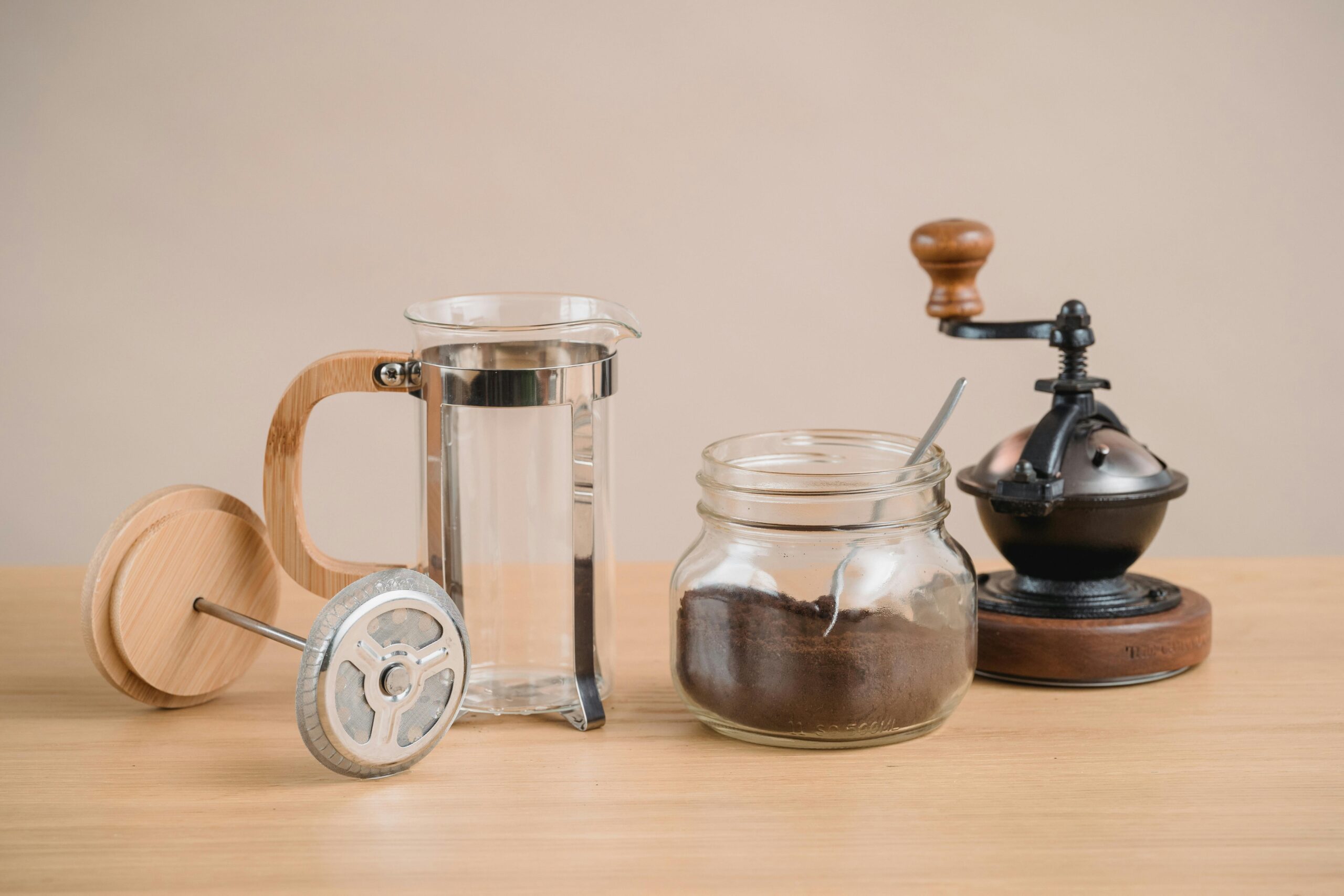
While this discussion focuses primarily on pour-over techniques, bloom principles apply across multiple brewing methods with appropriate adaptations. French press, AeroPress, and even automatic drip brewers benefit from bloom phase consideration.
French Press Blooming
Add your calculated bloom water, gently stir to ensure complete saturation, and wait 30 seconds before adding remaining brew water. This simple step dramatically improves French press clarity and reduces muddiness by allowing proper degassing before full immersion begins.
AeroPress Applications
The inverted AeroPress method accommodates blooming perfectly. Add bloom water, wait for the bloom period, then add remaining water before stirring and pressing. Standard orientation brewing also works with bloom phases by adding water gradually rather than all at once.

✨ Achieving Consistency Through Precision
The ultimate goal of mastering bloom water ratios is achieving reproducible excellence. When you eliminate variables through precise measurement and calculated approaches, your coffee quality becomes predictable. Morning brews match afternoon cups, and you can confidently serve guests knowing exactly what to expect.
Bloom water ratio calculators serve as training wheels initially, teaching you the mathematical relationships between variables. Over time, these calculations become intuitive, though many brewers continue using calculators for complex scenarios or when working with unfamiliar beans.
Precision brewing doesn’t eliminate creativity or personal expression. Instead, it provides a foundation of consistency from which you can experiment confidently. Understanding how bloom ratios affect extraction empowers you to adjust deliberately rather than randomly, accelerating your journey toward coffee mastery.
Every exceptional cup begins with proper preparation, and the bloom phase sets the foundation for everything that follows. By calculating and executing precise bloom water ratios, you ensure optimal degassing, even saturation, and balanced extraction. These seemingly small details accumulate into transformative improvements that elevate your brewing from casual routine to refined craft.