Water scaling is one of the most common yet overlooked threats to industrial and household equipment. These mineral deposits silently reduce efficiency, increase energy costs, and ultimately shorten your machine’s operational life.

Whether you’re managing commercial boilers, operating a car wash, or maintaining home appliances, understanding how to prevent and remove scale buildup can save you thousands in repair and replacement costs. The good news is that with proper knowledge and consistent maintenance practices, you can significantly extend your equipment’s lifespan while optimizing its performance.
🔍 Understanding Water Scaling and Its Impact on Equipment
Water scaling occurs when hard water—containing high concentrations of calcium, magnesium, and other minerals—evaporates or undergoes temperature changes, leaving behind solid mineral deposits. These crusty formations, technically called limescale, accumulate on heating elements, pipes, valves, and internal surfaces of water-using equipment.
The consequences of unchecked scaling extend far beyond aesthetic concerns. Scale acts as an insulator, forcing heating elements to work harder and consume more energy to achieve the same results. In severe cases, a mere 1.6mm of scale buildup can increase energy consumption by up to 12%, directly impacting your utility bills and carbon footprint.
Common Equipment Vulnerable to Water Scaling
Virtually any machine that uses water faces scaling risks, but some equipment types are particularly susceptible:
- Water heaters and boilers – where high temperatures accelerate mineral precipitation
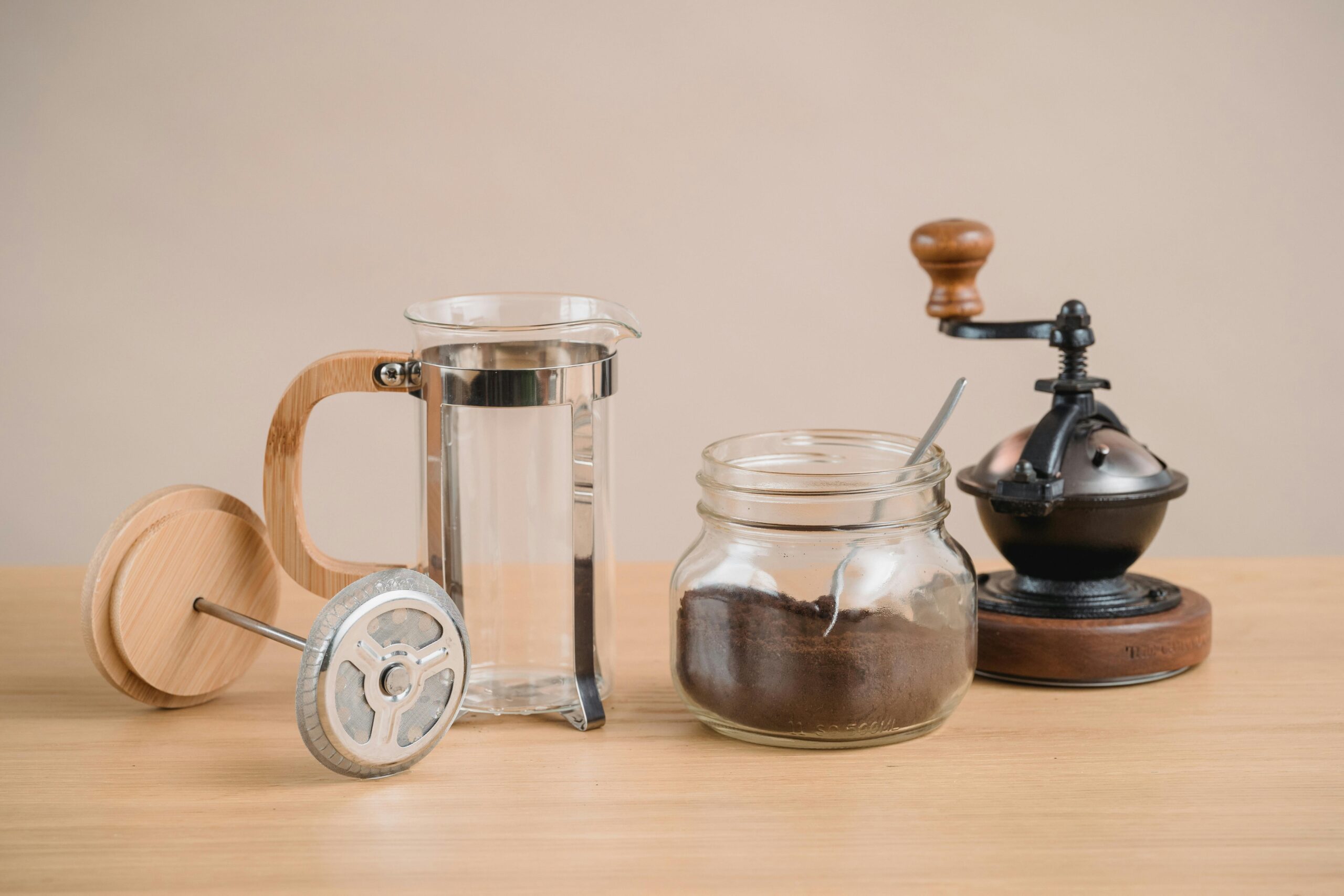
- Coffee machines and kettles – especially in hard water areas
- Dishwashers and washing machines – where scale reduces cleaning effectiveness
- Cooling towers and HVAC systems – critical for industrial operations
- Steam generators and humidifiers – where pure water vapor leaves minerals behind
- Heat exchangers – where efficiency drops dramatically with scale accumulation
- Pressure washers and car wash equipment – affecting spray patterns and pressure
💧 Recognizing the Warning Signs of Scale Buildup
Early detection of scaling issues allows for timely intervention before serious damage occurs. Familiarizing yourself with these warning signs can help you act proactively rather than reactively.
Physical indicators include white or off-white crusty deposits around faucets, showerheads, and visible components. These chalky formations may appear flaky or rock-hard depending on their composition and age. Inside kettles and coffee makers, you’ll notice a white film or thick layers coating the bottom and sides.
Performance-related symptoms often manifest as reduced water flow, decreased heating efficiency, longer heating times, or unusual noises during operation. Appliances may work harder while delivering worse results—your dishwasher might leave spots on glasses, or your washing machine may not clean clothes as effectively as before.
The Hidden Cost of Ignoring Scale Problems
Postponing scale removal doesn’t save money—it multiplies expenses. Equipment operating with significant scale deposits consumes considerably more energy, sometimes increasing operating costs by 20-30%. The insulating effect of scale forces heating elements to maintain higher temperatures for extended periods, accelerating wear and tear.
More critically, scale can cause permanent damage. Heating elements may burn out prematurely, pipes can become completely blocked, and sensitive components like pumps and valves suffer accelerated corrosion. What might have been a simple descaling procedure becomes a costly repair or complete equipment replacement.
🛠️ Preventive Measures: Your First Line of Defense
Prevention is invariably more cost-effective than remediation. Implementing proactive strategies significantly reduces scale formation and extends maintenance intervals.
Water Softening Systems
Installing a water softener represents one of the most effective long-term solutions for hard water problems. These systems use ion exchange technology to replace calcium and magnesium ions with sodium ions, preventing scale formation at the source.
Water softeners benefit your entire water system, protecting all downstream equipment simultaneously. While the initial investment may seem substantial, the cumulative savings in energy costs, extended equipment life, and reduced maintenance typically generate positive returns within 2-3 years.
Regular Water Testing
Understanding your water’s hardness level helps you tailor your maintenance approach. Water hardness is measured in grains per gallon (gpg) or parts per million (ppm) of calcium carbonate:
| Classification | Grains per Gallon (gpg) | Parts per Million (ppm) | Action Required |
|---|---|---|---|
| Soft Water | Less than 1.0 | 0-17 | Minimal concern |
| Slightly Hard | 1.0-3.5 | 17-60 | Monitor periodically |
| Moderately Hard | 3.5-7.0 | 60-120 | Regular descaling needed |
| Hard Water | 7.0-10.5 | 120-180 | Frequent maintenance required |
| Very Hard | Above 10.5 | 180+ | Water softener recommended |
Temperature Management
Scale formation accelerates at higher temperatures. Where operationally feasible, reducing water heater temperatures from 140°F to 120°F can slow scale accumulation while still providing adequate hot water for most applications. This adjustment also reduces energy consumption and scalding risks.
🧪 Effective Descaling Methods for Different Equipment Types
When prevention alone isn’t sufficient, knowing proper descaling techniques ensures you remove scale without damaging equipment.
Natural Descaling Solutions
For household appliances and light commercial equipment, natural acids provide effective and environmentally friendly descaling options. White vinegar, containing acetic acid, dissolves calcium carbonate deposits safely and inexpensively.
To descale coffee makers and kettles, fill the reservoir with equal parts water and white vinegar, run a complete cycle, then run 2-3 cycles with clean water to remove residual vinegar taste. For washing machines and dishwashers, run an empty cycle with 2 cups of vinegar in place of detergent.
Citric acid offers another natural alternative, often proving more effective than vinegar for stubborn deposits. Mix 2-3 tablespoons of citric acid powder per liter of water and use the same process as vinegar treatments.
Commercial Descaling Agents
Heavy-duty equipment or severe scale accumulation may require specialized commercial descalers. These formulations contain stronger acids—typically hydrochloric, sulfamic, or phosphoric acid—designed to dissolve thick mineral deposits efficiently.
Always follow manufacturer instructions precisely when using commercial descalers. These products require specific dilution ratios, contact times, and safety precautions. Proper personal protective equipment, including gloves and eye protection, is essential when handling concentrated descaling chemicals.
Mechanical Descaling Techniques
For accessible surfaces and pipe systems, mechanical descaling methods provide immediate results. High-pressure water jetting can remove scale from pipe interiors without chemical use, making it ideal for food processing equipment and potable water systems.
Abrasive cleaning with brushes or specialized tools works well for removable components like heating elements and spray arms. Exercise caution to avoid scratching surfaces, which can create roughened areas where future scale adheres more readily.
📅 Establishing an Effective Maintenance Schedule
Consistency separates successful scale management from reactive crisis management. Developing and adhering to a maintenance schedule appropriate for your water hardness and equipment usage prevents problems before they impact operations.
Maintenance Frequency Guidelines
Your maintenance interval should reflect water hardness and equipment usage intensity. As a general framework:
- Coffee machines in hard water areas: descale every 1-2 months
- Residential water heaters: flush sediment annually, descale every 2-3 years
- Commercial boilers: monthly inspections, quarterly descaling as needed
- Dishwashers and washing machines: descale every 3-6 months
- Cooling towers: continuous chemical treatment with quarterly deep cleaning
- Heat exchangers: inspect quarterly, descale when efficiency drops 10%
Documentation and Record Keeping
Maintaining detailed maintenance records helps identify patterns, optimize intervals, and demonstrate due diligence for warranty claims and regulatory compliance. Record the date, method used, condition observed, and any performance changes noted after each maintenance session.
For commercial operations, these records become invaluable for budgeting, predicting equipment lifespan, and making informed replacement decisions. Digital maintenance management systems can automate reminders and track long-term trends across multiple equipment pieces.
⚙️ Equipment-Specific Best Practices
Water Heaters and Boilers
These heating systems face the most severe scaling challenges due to sustained high temperatures. Annual sediment flushing removes loose particles before they cement into hard scale. Open the drain valve and flush until water runs clear—typically requiring 10-20 gallons to be drained.
For electric water heaters, periodically inspect and clean the heating elements. Anode rods, which protect tanks from corrosion, should be checked every 2-3 years and replaced when depleted to prevent tank failure.
Coffee Machines and Kettles
Daily users should implement monthly descaling routines in hard water regions. Beyond improving taste and machine performance, regular descaling prevents the buildup from reaching levels that could permanently damage internal components or block narrow passages.
Consider using filtered or softened water for premium espresso machines. The investment in water treatment protects expensive equipment while improving beverage quality—a win-win for serious coffee enthusiasts and commercial establishments.
Industrial Cooling Systems
Cooling towers and closed-loop systems require sophisticated scale management programs. Continuous chemical treatment maintains water chemistry that inhibits scale formation while preventing corrosion and biological growth.
Professional water treatment services can design customized programs based on your specific water quality, system design, and operational parameters. Regular blowdown cycles concentrate and remove dissolved minerals before they precipitate as scale.
💰 Calculating the Return on Investment
Understanding the financial benefits of proper scale management helps justify the time and resources required for comprehensive maintenance programs.
Energy savings alone often justify the effort. Equipment operating with clean surfaces achieves design efficiency, consuming baseline energy rather than the inflated amounts required when fighting through scale insulation. A commercial boiler with heavy scaling might consume 15-25% more fuel than a properly maintained unit—translating to thousands of dollars annually for large systems.
Extended equipment lifespan multiplies savings. A water heater properly maintained might last 15-20 years versus 8-10 years for a neglected unit. Multiplied across an entire facility’s equipment inventory, these extensions represent enormous capital expenditure deferrals.
Reduced downtime and emergency repairs eliminate the productivity losses and premium costs associated with urgent repairs. Planned maintenance during off-hours costs significantly less than emergency service calls and rush parts shipping.
🌍 Environmental Considerations
Beyond economic benefits, effective scale management contributes to environmental sustainability. Equipment operating efficiently consumes less energy, reducing greenhouse gas emissions associated with power generation. Extended equipment lifespans mean fewer replacements, reducing manufacturing impacts and waste generation.
When selecting descaling methods, prioritize environmentally responsible options. Natural acids like vinegar and citric acid provide effective cleaning without the environmental burden of harsh chemicals. When stronger agents are necessary, select biodegradable formulations and follow proper disposal procedures.
Water softeners, while effective, do introduce sodium into water supplies and generate brine waste requiring disposal. Alternative technologies like electronic descalers or template-assisted crystallization offer chemical-free options worth investigating for environmentally conscious operations.
🎯 Advanced Technologies for Scale Prevention
Innovation continues delivering new approaches to the age-old problem of water scaling. Electronic or electromagnetic water conditioners claim to alter mineral crystal structure, preventing adhesion to surfaces without removing minerals from water. While scientific consensus on their effectiveness remains mixed, many users report positive results, and they require no chemicals or salt.
Catalytic water treatment devices use special alloys to create electrochemical reactions that encourage minerals to remain suspended in solution or form non-adherent crystals. These passive systems require no power or consumables, making them attractive for specific applications.
For critical industrial processes, automatic chemical dosing systems continuously monitor water chemistry and inject precise quantities of scale inhibitors, maintaining optimal conditions without manual intervention. These sophisticated systems prevent both scaling and corrosion while optimizing chemical usage.
🏆 Building a Culture of Equipment Care
The most sophisticated prevention systems fail without commitment to consistent implementation. In commercial and industrial settings, creating a culture where equipment maintenance is valued and prioritized ensures long-term success.
Training staff on the importance of scale management and proper maintenance procedures empowers them to spot early warning signs and perform routine tasks correctly. When everyone understands how their actions impact equipment longevity and operational costs, maintenance becomes a shared responsibility rather than an afterthought.
Recognition programs that celebrate maintenance achievements and equipment longevity milestones reinforce positive behaviors. Tracking and publicizing metrics like energy savings, avoided repairs, and equipment uptime demonstrates the tangible value of diligent maintenance practices.
🔧 Taking Action Today for Tomorrow’s Benefits
The journey to extended equipment lifespan through effective scale management begins with a single step. Start by assessing your current situation—test your water hardness, inspect equipment for existing scale, and identify your highest-risk or highest-value assets requiring immediate attention.
Develop a realistic maintenance plan that fits your schedule and resources. It’s better to consistently maintain a simple program than to sporadically attempt an overly ambitious one. As you experience the benefits of improved efficiency and reliability, you can expand and refine your approach.
Invest in the tools and supplies you’ll need: testing kits, appropriate descaling agents, safety equipment, and documentation systems. Many of these items represent modest one-time expenses that enable years of effective maintenance.
For complex industrial systems or if you’re uncertain about proper procedures, consult with water treatment professionals who can assess your specific situation and recommend customized solutions. Their expertise often identifies opportunities and potential problems that non-specialists might overlook.
Remember that water scaling is a progressive problem—it doesn’t improve with neglect. Every day you postpone addressing scale accumulation, the problem worsens and the eventual solution becomes more difficult and expensive. Conversely, every maintenance session you complete extends equipment life, improves efficiency, and moves you closer to maximum return on your equipment investment.
The simple truth is that equipment longevity isn’t accidental—it results from informed decisions and consistent care. By implementing the strategies outlined here, you’re not just fighting scale; you’re protecting your investment, reducing operational costs, minimizing environmental impact, and ensuring reliable equipment performance for years to come. The machines you maintain properly today will continue serving you faithfully long after neglected equipment has failed and been replaced multiple times over.