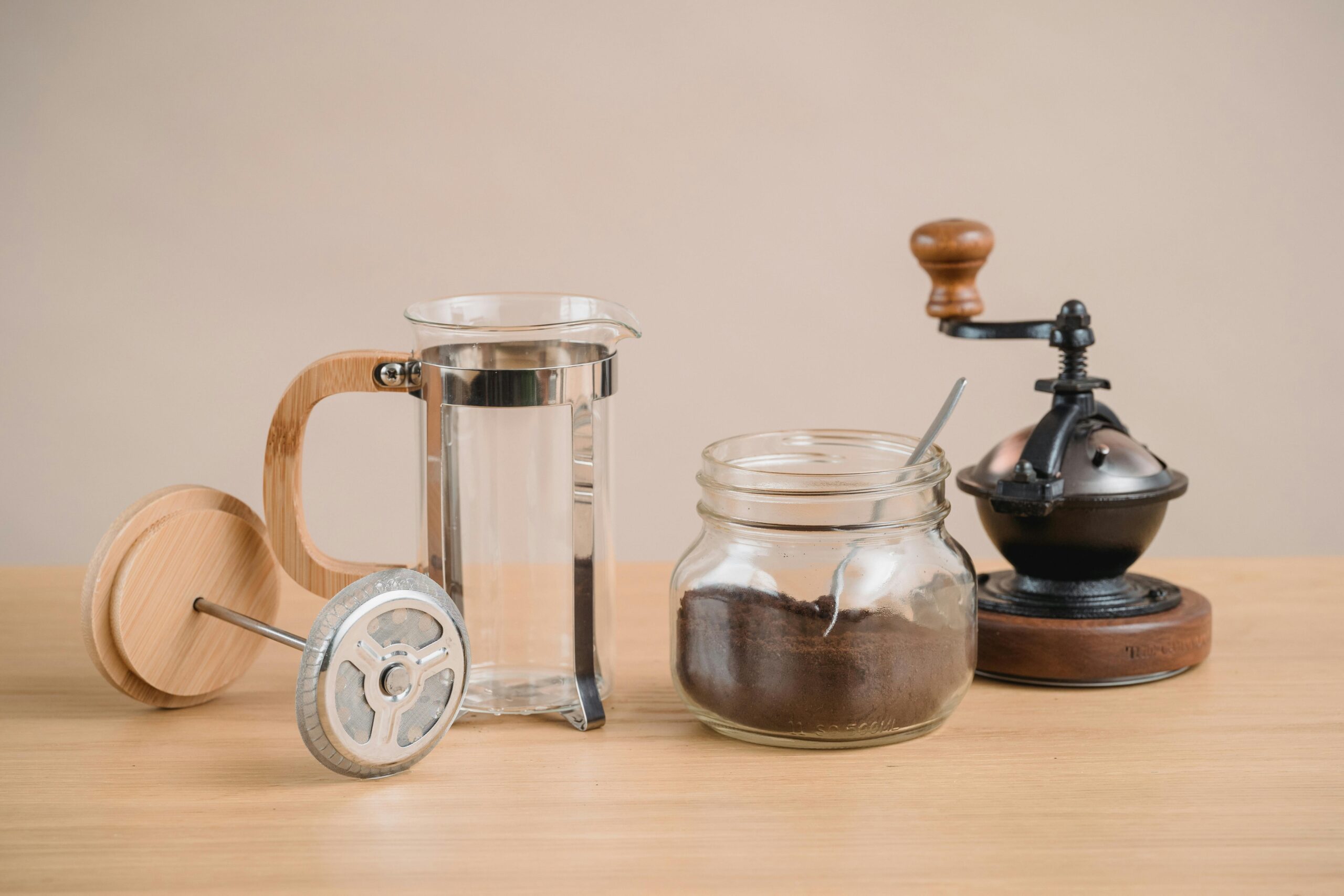
Every sip of your favorite beverage tells a story written in minerals. The water you choose isn’t just a neutral carrier—it’s an active ingredient that transforms flavor, clarity, and extraction in ways most people never notice.

Understanding how minerals interact with coffee, tea, and other beverages opens a fascinating world where chemistry meets sensory experience. Whether you’re a casual drinker or a dedicated enthusiast, the mineral composition of your water profoundly affects every cup you brew, influencing everything from mouthfeel to aroma intensity.
The Hidden Chemistry Behind Your Daily Brew ⚗️
Water comprises over 98% of your brewed coffee or tea, yet most people overlook its crucial role in flavor development. The minerals dissolved in water—primarily calcium, magnesium, sodium, and bicarbonates—act as extraction agents and flavor modulators that determine whether your beverage tastes flat, bitter, or perfectly balanced.
When hot water contacts coffee grounds or tea leaves, minerals facilitate the extraction of soluble compounds. Magnesium, for instance, binds effectively with coffee’s fruity and floral notes, pulling them into solution. Calcium, conversely, enhances body and creates a rounder mouthfeel by extracting heavier compounds. Without adequate mineral content, extraction remains incomplete, leaving desirable flavors locked within the grounds.
The interplay between these minerals creates what professionals call “hardness”—a measure of calcium and magnesium concentration. But hardness alone doesn’t tell the complete story. Total alkalinity, which reflects bicarbonate and carbonate levels, acts as a buffer that neutralizes acids, fundamentally altering how we perceive brightness and acidity in beverages.
Magnesium: The Flavor Extraction Powerhouse 💎
Magnesium ions possess a unique ability to extract delicate, nuanced flavors that might otherwise remain hidden. Research conducted by the Specialty Coffee Association has demonstrated that water with optimal magnesium levels produces noticeably brighter, more complex cups with enhanced clarity of individual flavor notes.
This mineral works by forming temporary bonds with flavor compounds, particularly those responsible for fruity, citrusy, and floral characteristics. When magnesium concentrations fall below 10 mg/L, extraction becomes sluggish and uneven, resulting in beverages that taste one-dimensional or muddy. Conversely, excessive magnesium above 40 mg/L can lead to over-extraction, bringing harsh, astringent notes to the forefront.
Professional tasters often describe magnesium-rich water as producing “transparent” flavors—where each distinct note remains identifiable rather than blending into an indistinct whole. This clarity allows origin characteristics in coffee and terroir expressions in tea to shine through with remarkable precision.
Calcium’s Role in Body and Texture 🥛
While magnesium handles delicate flavors, calcium contributes weight and texture. This mineral extracts heavier molecular compounds, creating the sensation of body—that full, satisfying mouthfeel that distinguishes an exceptional beverage from a thin, watery one.
Calcium concentrations between 30-70 mg/L typically produce optimal results. Within this range, the mineral enhances creaminess and creates a pleasant coating sensation on the palate without overwhelming subtle flavors. Many professional baristas and tea masters specifically adjust calcium levels to match different beans or leaves, recognizing that lighter roasts require less calcium than darker, fuller-bodied options.
The calcium-magnesium ratio deserves particular attention. A balanced ratio around 2:1 or 3:1 (calcium to magnesium) tends to produce well-rounded beverages where both clarity and body coexist harmoniously. Ratios skewed heavily toward either mineral create imbalanced extractions that emphasize some characteristics while suppressing others.
Alkalinity: The pH Balancing Act 🎯
Total alkalinity functions as your water’s buffering capacity—its ability to neutralize acids present in coffee and tea. This characteristic profoundly impacts perceived acidity, brightness, and overall flavor balance in ways that surprise even experienced enthusiasts.
Low alkalinity water (below 40 mg/L as CaCO3) preserves the natural acidity of beverages, allowing bright, tangy notes to dominate. This works beautifully with naturally acidic, fruit-forward coffees or delicate green teas where brightness defines the experience. However, the same water might render darker roasts or robust black teas unpleasantly sour or sharp.
Higher alkalinity (80-120 mg/L) buffers acids more aggressively, creating smoother, mellower cups with reduced perceived acidity. This suits darker roasts, chocolatey coffees, and full-bodied teas that benefit from softer, rounder profiles. Excessive alkalinity above 150 mg/L, however, can flatten beverages entirely, stripping away liveliness and creating dull, chalky aftertastes.
Sodium and Other Supporting Minerals ✨
While calcium and magnesium dominate discussions about water chemistry, sodium plays a subtle yet significant supporting role. Small amounts of sodium (10-20 mg/L) enhance sweetness perception and create a more rounded flavor profile by suppressing bitterness.
This explains why a tiny pinch of salt can rescue an over-extracted, bitter cup—the sodium ions literally change how our taste receptors interpret bitter compounds. Professional cupping protocols sometimes incorporate controlled sodium levels to standardize tasting conditions and reduce variability between sessions.
Trace minerals like potassium, zinc, and copper also contribute to overall water profile, though their effects remain less pronounced. Some artisan roasters and specialty tea blenders experiment with these elements to create signature water recipes that complement their specific products, treating water composition as seriously as ingredient selection.
The Extraction Timeline: How Minerals Work Over Time ⏱️
Mineral influence on extraction isn’t static—it evolves throughout the brewing process. Understanding this timeline helps explain why seemingly minor water adjustments create dramatic flavor differences.
During the first 30 seconds of contact, highly soluble acids and light aromatic compounds dissolve rapidly. Magnesium-rich water accelerates this initial extraction phase, capturing delicate volatiles before they dissipate. The mineral composition during these crucial opening moments largely determines brightness and aromatic intensity.
Between 30 seconds and 2 minutes, heavier compounds including sugars, oils, and fuller-bodied flavor molecules enter solution. Calcium concentration becomes increasingly important during this middle phase, as these heavier molecules require stronger mineral interaction to extract efficiently.
After 2 minutes, extraction begins pulling less desirable compounds—tannins, bitter alkaloids, and astringent polyphenols. Proper mineral balance becomes crucial for stopping extraction at the optimal moment, preventing these harsh notes from overwhelming the carefully extracted flavors from earlier phases.
Building Your Perfect Water Profile 🔬
Creating ideal water for extraction requires understanding your target beverage and desired flavor outcome. Different preparation methods and ingredient types demand distinct mineral profiles for optimal results.
For light-roast, fruit-forward coffees, consider water with higher magnesium (20-30 mg/L), moderate calcium (30-50 mg/L), and low alkalinity (40-60 mg/L). This profile preserves brightness while providing sufficient extraction strength to develop complexity.
Dark roasts benefit from higher calcium (60-80 mg/L), moderate magnesium (15-20 mg/L), and elevated alkalinity (80-100 mg/L). This combination extracts rich, chocolatey notes while buffering potential sourness and creating smooth, full-bodied results.
Green and white teas demand the gentlest approach: low overall mineral content with magnesium around 10-15 mg/L, calcium 20-30 mg/L, and minimal alkalinity (30-50 mg/L). These delicate leaves release flavor easily; excessive minerals can overpower subtle characteristics.
Black and oolong teas tolerate—and often benefit from—slightly harder water with balanced minerals similar to medium-roast coffee profiles. The robust flavor compounds in oxidized teas require adequate mineral content for complete extraction.
Testing and Adjusting Your Water 🧪
Understanding ideal profiles means little without knowing your current water composition. Municipal water quality varies dramatically between locations and even changes seasonally, making testing essential for consistent results.
Simple TDS (Total Dissolved Solids) meters provide a starting point, measuring overall mineral content. While useful for detecting major changes, TDS alone doesn’t reveal the specific mineral balance that determines extraction quality. Readings between 75-150 ppm typically indicate suitable brewing water, but the distribution among individual minerals matters enormously.
Comprehensive water testing kits or laboratory analysis reveal specific calcium, magnesium, alkalinity, and pH levels. Many specialty coffee shops and tea houses now provide water analysis reports alongside their products, recognizing that informed customers achieve better results and return more frequently.
For those seeking precise control, brewing water recipes allow custom mineral profiles using distilled or reverse osmosis water as a blank canvas. By adding measured amounts of food-grade mineral salts—calcium chloride, magnesium sulfate (Epsom salt), and sodium bicarbonate—enthusiasts can dial in exact specifications matching their preferences and ingredients.
Common Water Problems and Solutions 💧
Many brewing disappointments trace directly to water chemistry issues that remain invisible without proper understanding. Recognizing these problems empowers you to implement targeted solutions rather than accepting mediocre results.
Flat, lifeless flavors despite using quality ingredients typically indicate excessive alkalinity neutralizing natural acids. Solution: reduce alkalinity through dilution with purified water or use acid-addition techniques to lower pH before brewing.
Harsh, bitter, astringent cups often result from over-extraction facilitated by excessive hardness or unbalanced mineral ratios. Solution: soften water by removing excess minerals through reverse osmosis, then rebuild a balanced profile with appropriate mineral additions.
Weak, thin beverages lacking body suggest insufficient mineral content for proper extraction. Solution: increase calcium and magnesium to recommended levels, ensuring adequate extraction strength without creating hardness problems.
Cloudy or hazy appearance in brewed beverages can indicate mineral precipitation, where excessive hardness causes compounds to fall out of solution. Solution: reduce overall mineral content and ensure proper temperature management to maintain clarity.
Regional Water Characteristics and Adaptation 🌍
Geographic location profoundly influences water mineral content, creating regional brewing traditions that evolved specifically to work with local water chemistry. Understanding these patterns provides insight into why certain beverages originated where they did.
Soft water regions—like the Pacific Northwest, Scotland, and parts of Scandinavia—naturally produce bright, clean-tasting beverages with excellent clarity. Traditional brewing methods from these areas often emphasize delicate, nuanced flavors that harder water would obscure.
Hard water areas—including much of the American Midwest, Southern England, and Mediterranean regions—historically developed fuller-bodied brewing traditions. The local water naturally produced heavier extractions, influencing preferences toward robust, malty flavors that complement higher mineral content.
Travelers frequently notice their favorite coffee or tea tastes different in new locations. This isn’t imagination—regional water variations genuinely alter extraction and flavor development. Adapting brewing parameters (grind size, temperature, time) or adjusting water composition helps maintain consistency across different locations.
The Science of Taste Perception 👅
Minerals don’t just affect extraction—they directly influence how our taste receptors interpret flavor. This neurological dimension adds another layer to understanding why water composition matters so profoundly.
Calcium and magnesium ions interact with taste receptors independently of the beverage itself, modulating sensitivity to sweet, bitter, and umami compounds. Higher mineral concentrations generally reduce bitter perception while enhancing sweetness, creating a physiological effect separate from chemical extraction differences.
Water pH affects taste receptor function directly. Slightly acidic water (pH 6.5-7.0) tends to enhance flavor clarity and brightness, while alkaline water (pH above 7.5) can dull taste perception and create metallic or chalky sensations that interfere with beverage flavors.
Temperature interactions with minerals create additional complexity. Hot water holds dissolved minerals differently than cold water, meaning the same water composition produces varying results across brewing temperatures. This explains why cold brew enthusiasts often prefer different water profiles than hot coffee drinkers, despite using identical ingredients.
Practical Implementation for Home Enthusiasts ☕
Translating water chemistry knowledge into everyday practice doesn’t require a laboratory or expensive equipment. Simple, affordable approaches yield noticeable improvements in beverage quality.
Start by obtaining a basic water quality report from your municipal supplier or using an inexpensive home testing kit. Identify where your water falls on the hardness and alkalinity spectrum relative to ideal brewing ranges.
If your water exceeds recommended mineral levels, dilution with bottled distilled or purified water offers the simplest correction. Mixing 50% tap water with 50% purified water immediately halves mineral concentrations, often bringing problematic water into acceptable ranges.
For water lacking adequate minerals, reconstitution recipes provide precise control. A basic formula combines 1 gallon of distilled water with 5 grams of Epsom salt (magnesium sulfate) and 3 grams of calcium chloride, creating a balanced profile suitable for most beverages. Adjust proportions based on specific preferences and ingredients.
Filtration systems represent a middle-ground approach, removing chlorine, sediment, and some minerals while retaining beneficial components. Quality carbon filters improve taste without stripping water completely, though they provide less precision than custom reconstitution methods.
Professional Perspectives and Industry Standards 🏆
Specialty beverage industries have developed specific water standards reflecting decades of research and sensory analysis. These guidelines provide validated targets for achieving optimal extraction and flavor development.
The Specialty Coffee Association recommends water with 50-175 mg/L total hardness, calcium hardness around 1-5 grains, alkalinity between 40-70 mg/L, pH of 6.5-7.5, and TDS of 75-250 mg/L. These ranges accommodate various brewing methods and coffee styles while preventing common water-related problems.
Tea industry standards vary more widely, reflecting the diversity of tea types and preparation methods. Generally, recommendations suggest lower mineral content than coffee—TDS between 50-130 mg/L, minimal alkalinity, and soft to moderate hardness. Delicate teas demand the lower end of these ranges, while robust varieties tolerate higher mineral concentrations.
Competition baristas and tea masters often push beyond standard recommendations, treating water as a precision tool for highlighting specific characteristics. Championship-level preparation frequently involves custom water formulations tailored to individual ingredients, with recipes adjusted for each different coffee bean or tea batch.
Sustainable Water Practices and Considerations 🌱
Pursuing optimal water quality should balance performance with environmental responsibility. Some approaches to water modification carry sustainability implications worth considering.
Reverse osmosis systems waste significant water during the purification process—typically 3-4 gallons of reject water per gallon of purified water produced. For enthusiasts committed to environmental stewardship, this inefficiency presents an ethical dilemma that may outweigh marginal quality improvements.
Bottled distilled water for reconstitution creates plastic waste and transportation emissions. Using reusable containers with filtration systems or purchasing locally-produced purified water in returnable bottles reduces environmental impact while maintaining quality control.
Strategic water use—reserving specialty water only for final brewing rather than rinsing equipment or other peripheral tasks—maximizes the benefit-to-resource ratio. Most auxiliary tasks perform adequately with standard filtered water, saving premium water for where it matters most.

Future Horizons: Emerging Water Research 🔮
Scientific understanding of water’s role in flavor development continues evolving, with recent research revealing previously unknown interactions and opening new optimization possibilities.
Emerging studies examine how specific mineral ratios affect extraction kinetics at the molecular level, using advanced spectroscopy to track flavor compound dissolution in real-time. These investigations may soon provide even more precise water formulation guidelines tailored to specific beans, leaves, or preparation methods.
Researchers are also exploring how water structure—the hydrogen bonding patterns between molecules—might influence extraction efficiency independently of mineral content. While controversial, this field could eventually revolutionize our understanding of water’s role beyond simple chemistry.
Technology development continues making precision water control more accessible. Smart devices that automatically adjust water composition based on ingredient type and desired outcome may soon bring laboratory-level precision to home kitchens, democratizing expertise currently limited to professionals.
Understanding how minerals shape taste, boost clarity, and perfect extraction transforms beverage preparation from routine to revelation. Every element—from magnesium’s flavor extraction to calcium’s body enhancement to alkalinity’s pH buffering—plays a specific role in creating the complex sensory experience we enjoy with each sip. By controlling these variables rather than accepting whatever flows from the tap, you unlock flavors that remained hidden, achieve consistency that seemed impossible, and develop a deeper appreciation for the chemistry underlying every exceptional cup. The journey to perfect water may require some experimentation and adjustment, but the reward—beverages that finally express their full potential—makes every effort worthwhile.