The difference between a mediocre cup and an extraordinary brew often comes down to mastering two fundamental elements: water temperature and extraction techniques.

Whether you’re a coffee enthusiast, tea connoisseur, or someone simply seeking to elevate their daily ritual, understanding how these variables interact will transform your beverage experience. The science behind brewing is both fascinating and accessible, and once you grasp these core principles, you’ll never settle for a subpar cup again. Let’s dive into the essential knowledge that separates amateur brewers from true artisans.
Why Water Temperature Matters More Than You Think ☕
Water temperature serves as the catalyst for extracting flavors, aromas, and compounds from your coffee grounds or tea leaves. Too hot, and you’ll scorch delicate flavors while extracting bitter compounds. Too cool, and you’ll end up with a weak, under-developed brew that fails to showcase the full potential of your ingredients.
The ideal temperature range varies depending on what you’re brewing, but understanding the underlying principles remains constant. Water acts as a solvent, and its temperature directly affects how efficiently it dissolves the soluble compounds in your coffee or tea. Higher temperatures increase molecular activity, accelerating extraction, while lower temperatures slow the process and provide more selective extraction.
For coffee, the generally accepted optimal range sits between 195°F and 205°F (90°C to 96°C). This sweet spot allows for balanced extraction without crossing into bitter territory. Tea, however, requires more nuanced temperature control depending on the variety you’re preparing.
Temperature Guidelines for Different Beverages
Different brewing methods and ingredients demand specific temperature ranges for optimal results. Here’s a comprehensive breakdown:
- Espresso: 195°F to 205°F (90°C to 96°C) – Higher temperatures extract quickly under pressure
- Pour Over Coffee: 195°F to 205°F (90°C to 96°C) – Allows controlled, even extraction
- French Press: 195°F to 200°F (90°C to 93°C) – Slightly lower to compensate for longer steep time
- White Tea: 160°F to 180°F (71°C to 82°C) – Delicate leaves require gentler treatment
- Green Tea: 160°F to 180°F (71°C to 82°C) – Prevents bitterness from tannins
- Oolong Tea: 185°F to 205°F (85°C to 96°C) – Semi-oxidized leaves tolerate higher heat
- Black Tea: 200°F to 212°F (93°C to 100°C) – Fully oxidized leaves need full heat
- Herbal Infusions: 212°F (100°C) – Boiling water extracts robust flavors effectively
The Science of Extraction: Understanding What Happens in Your Cup 🔬
Extraction is the process by which water dissolves and carries away soluble compounds from coffee grounds or tea leaves. This process isn’t random—it follows a predictable sequence that every brewer should understand to control their final flavor profile.
During the first stages of extraction, water dissolves lighter, more acidic compounds that contribute brightness and complexity to your beverage. These include organic acids, fruity esters, and aromatic compounds that give coffee and tea their distinctive character. This phase happens quickly, within the first 30 seconds to one minute of contact time.
The middle phase extracts sugars, amino acids, and balanced flavor compounds that provide body, sweetness, and depth. This is where the magic happens—the perfect balance between brightness and richness emerges during this critical window.
Finally, the late-stage extraction pulls heavier, more bitter compounds including tannins, alkaloids, and astringent elements. While small amounts contribute complexity, too much extraction in this phase creates harsh, unpleasant flavors that overpower the delicate notes you’ve carefully developed.
The Extraction Timeline
Understanding timing helps you control which compounds end up in your cup. Different brewing methods naturally accommodate different extraction timelines:
| Brewing Method | Contact Time | Extraction Profile |
|---|---|---|
| Espresso | 25-30 seconds | High pressure, fast extraction, concentrated |
| Pour Over | 2.5-4 minutes | Controlled flow, balanced extraction |
| French Press | 4-5 minutes | Full immersion, complete extraction |
| Cold Brew | 12-24 hours | Low temperature, slow, sweet extraction |
| AeroPress | 1-2 minutes | Pressure-assisted, versatile extraction |
Identifying Under-Extraction and Over-Extraction
Learning to diagnose extraction issues by taste is an essential skill that transforms good brewers into great ones. Your palate provides immediate feedback about what’s happening during the brewing process.
Under-extracted coffee or tea tastes sour, salty, or weak. The liquid appears pale and lacks body. You might detect grassy, vegetal notes or a sharp, unpleasant acidity that makes you pucker. This happens when water doesn’t spend enough time with the grounds, when the temperature is too low, or when the grind is too coarse.
Over-extracted beverages taste bitter, harsh, and astringent. They leave a dry, unpleasant sensation in your mouth and may cause your face to tighten. The flavors taste hollow or burnt, lacking the complexity and nuance that should be present. This occurs when water contacts grounds too long, temperature runs too high, or when you’ve ground too fine.
Perfectly extracted brews showcase balance—sweetness, acidity, and bitterness exist in harmony. The body feels substantial without being heavy, and complex flavors reveal themselves as the cup cools. This is your target zone, and hitting it consistently requires attention to multiple variables.
Mastering Your Grind Size for Optimal Extraction 🎯
Grind size dramatically affects extraction rate by controlling surface area. Finer grinds expose more surface area to water, accelerating extraction. Coarser grinds reduce surface area, slowing the process. Matching grind size to brewing method represents one of the most important decisions you’ll make.
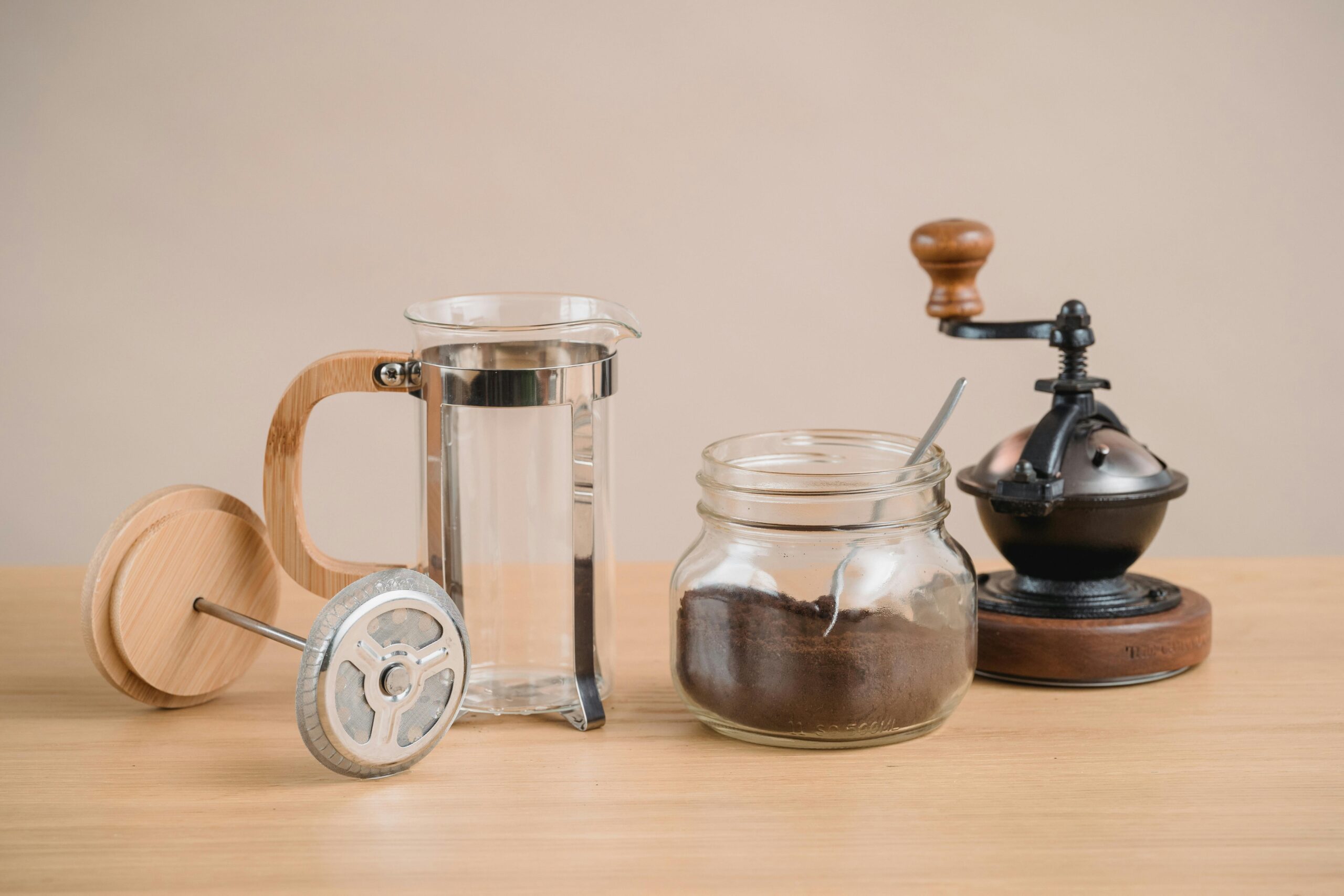
For espresso, you need an extremely fine grind—almost powder-like—because water passes through quickly under high pressure. Pour over methods require medium-fine to medium grinds, allowing water to flow through at a controlled rate. French press demands coarse grinds to prevent over-extraction during the longer steep time and to avoid sediment passing through the metal filter.
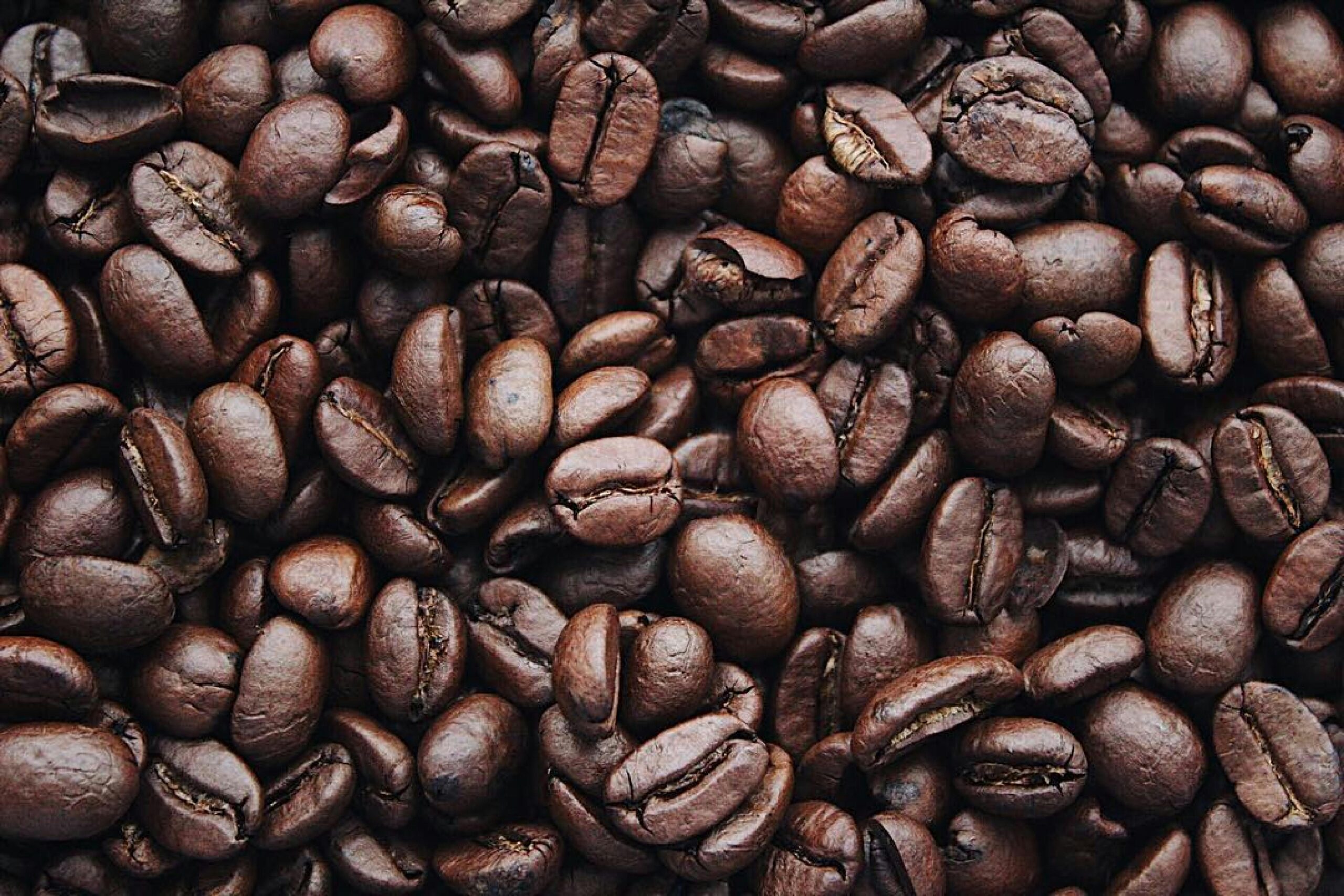
Invest in a quality burr grinder rather than a blade grinder. Burr grinders produce uniform particle sizes, ensuring even extraction across all grounds. Blade grinders create inconsistent particles—some too fine, others too coarse—resulting in simultaneous under-extraction and over-extraction in the same cup.
Adjusting Your Recipe Based on Results
When your cup tastes off, systematic adjustments lead you toward perfection. Follow this troubleshooting framework:
- If too sour/weak: Grind finer, increase temperature, extend brew time, or increase coffee-to-water ratio
- If too bitter/harsh: Grind coarser, decrease temperature, shorten brew time, or decrease coffee-to-water ratio
- If extraction looks good but strength is off: Adjust only your coffee-to-water ratio without changing other variables
- If inconsistent results: Check your grinder, water quality, and ensure accurate measurements
Water Quality: The Often-Overlooked Factor 💧
Water comprises over 98% of your finished beverage, yet many brewers neglect its quality. Tap water varies dramatically by location, carrying minerals, chlorine, and other compounds that affect both extraction efficiency and final taste.
Ideal brewing water contains some mineral content—specifically calcium and magnesium—which aids extraction by bonding with coffee compounds. However, too many minerals create hard water that over-extracts and tastes harsh. Too few minerals produce soft water that under-extracts and tastes flat.
Chlorine and chloramines, commonly added to municipal water supplies, impart chemical flavors that mask delicate notes. Carbon filtration effectively removes these unwanted elements while preserving beneficial minerals. Consider investing in a quality water filter or using bottled spring water for brewing.
The ideal total dissolved solids (TDS) for brewing water falls between 75-250 ppm, with the Specialty Coffee Association recommending 150 ppm as optimal. You can test your water with an inexpensive TDS meter to understand what you’re working with.
Practical Tips for Temperature Control Without Expensive Equipment
You don’t need a $300 variable-temperature kettle to achieve proper brewing temperatures. Several practical techniques deliver excellent results with basic equipment.
After your kettle boils, wait 30-45 seconds before pouring. This allows water to cool from boiling (212°F/100°C) to approximately 200-205°F (93-96°C)—perfect for most coffee brewing. For lower temperatures required by green or white tea, wait 2-3 minutes after boiling.
Use the “hand test” for quick temperature estimates. Water at 160-170°F feels very hot but you can briefly hold your hand 1-2 inches above the steam. At 180-190°F, the steam feels too hot to comfortably keep your hand near. At boiling, vigorous bubbles and aggressive steam make the temperature unmistakable.
Pre-warming your brewing vessel helps maintain stable temperatures throughout extraction. Pour hot water into your pour-over cone, French press, or teapot, let it sit for 30 seconds, then discard before brewing. This prevents your brewing water from losing critical degrees to cold ceramic or glass.
Advanced Techniques: Pulse Pouring and Agitation Methods
Once you’ve mastered basic variables, advanced techniques provide additional control over extraction. Pulse pouring—adding water in multiple stages rather than all at once—allows you to manipulate extraction dynamically throughout the brew.
Start with a bloom phase: pour just enough water to saturate all grounds (usually 2-3 times the coffee weight), then wait 30-45 seconds. This allows carbon dioxide to escape, preparing grounds for even extraction. Fresh coffee releases more gas, requiring a longer bloom; older coffee needs less time.
Continue with controlled pulses, pouring in circular motions from center to edge. Each pulse adds fresh solvent, maintaining optimal extraction temperature and encouraging even saturation. Pause between pours to allow water to draw down, controlling total contact time.
Gentle agitation—stirring grounds during immersion brewing or swirling the slurry during pour-over—promotes even extraction by ensuring all particles contact fresh water. Be gentle; aggressive stirring can create channels and uneven extraction.
Creating Your Personal Brewing Formula
Developing a repeatable recipe transforms random success into consistent excellence. Document your process using the following framework:
- Coffee-to-water ratio: Start with 1:16 (1 gram coffee to 16 grams water) and adjust to taste
- Grind setting: Note your grinder’s setting number or reference point
- Water temperature: Record exact temperature or cooling time after boiling
- Total brew time: Track from first pour to final draw-down
- Technique notes: Document pulse timing, agitation, and any special methods
Make one adjustment at a time, keeping all other variables constant. This systematic approach reveals exactly which factor influences which aspect of flavor, building your understanding through direct experience.
Seasonal and Environmental Considerations 🌡️
Ambient conditions affect brewing more than most people realize. Humidity influences how coffee absorbs moisture from air, potentially requiring grind adjustments. Altitude affects boiling point—water boils at lower temperatures in high-elevation locations, requiring longer brew times or hotter starting temperatures.
During summer, preheated equipment loses heat more slowly, while winter’s cold rapidly drains thermal energy from your brewing vessel. Adjust your pre-warming routine seasonally to maintain consistent temperatures throughout extraction.
Coffee beans themselves change over time. Freshly roasted beans release more carbon dioxide, requiring longer bloom times and potentially coarser grinds. As coffee ages, these volatile compounds dissipate, and you may need to adjust your recipe to compensate.
The Path to Brewing Mastery
Excellence in brewing emerges from understanding principles rather than following rigid rules. Temperature and extraction work together as interconnected variables that you manipulate to showcase your ingredients’ inherent qualities. Every origin, roast, and processing method responds differently to these factors, making brewing an endless exploration rather than a solved problem.
Start with established guidelines, then trust your palate to guide refinements. Taste critically, adjust methodically, and document your discoveries. The perfect cup exists at the intersection of science and intuition—knowledge provides the foundation, but your preferences define the destination.
Invest in fundamental tools: a quality grinder, a reliable brewing method, and a way to control temperature. These elements provide more value than expensive automated machines that hide the process behind buttons and presets. Understanding what happens inside your brewing vessel empowers you to adapt to any situation, whether you’re at home with your favorite equipment or improvising while traveling.
Remember that even professionals continuously refine their techniques. The pursuit of the perfect brew isn’t about reaching a final destination—it’s about developing skills and sensory awareness that deepen your appreciation with every cup. Each brewing session offers an opportunity to learn something new about how temperature, time, and technique interact to create flavor.
Your journey toward brewing mastery begins with a single mindful cup. Pay attention to what you’re tasting, consider what might improve it, make one deliberate change, and taste again. This simple cycle, repeated over time, transforms brewing from a morning routine into a fulfilling practice that rewards attention with increasingly exceptional results. The secrets aren’t really secrets—they’re fundamental principles waiting to be discovered through patient exploration and mindful experimentation. ✨