Have you ever wondered why your carefully crafted perfume blend smells flat one day and overwhelmingly sharp the next? The world of aromatics is both an art and a science, where understanding the delicate balance between muted and sharp scents can transform your fragrance experience from frustrating to fabulous.

Whether you’re a perfume enthusiast, an essential oil practitioner, or simply someone who loves creating personalized scents, mastering the nuances of aroma intensity is essential. The difference between a beautifully balanced fragrance and an olfactory disaster often comes down to understanding what causes scents to become either too subtle or overpoweringly sharp, and knowing exactly how to fix these common issues.
🌸 Understanding the Spectrum: What Makes Scents Muted or Sharp?
Before diving into troubleshooting techniques, it’s crucial to understand the fundamental differences between muted and sharp scents. A muted fragrance appears weak, barely perceptible, or lacks the vibrancy you expected. Conversely, sharp scents hit your nose with aggressive intensity, often creating an unpleasant or overwhelming experience that can trigger headaches or discomfort.
The intensity of any aroma depends on multiple factors including molecular volatility, concentration levels, environmental conditions, and even the condition of your olfactory receptors. Essential oils, for instance, contain hundreds of aromatic compounds that evaporate at different rates, creating a complex interplay between top, middle, and base notes.
Temperature plays a significant role in scent perception. Warmer environments cause aromatic molecules to evaporate more quickly, intensifying the scent experience. Meanwhile, cold conditions slow molecular movement, resulting in muted fragrances that seem to disappear almost immediately after application.
Common Culprits Behind Muted Fragrances 🔍
When your signature scent mysteriously loses its punch, several factors might be responsible. Identifying the root cause is the first step toward restoring your fragrance to its intended glory.
Oxidation and Age Deterioration
Essential oils and perfumes degrade over time through oxidation, especially when exposed to light, heat, or air. This chemical process breaks down aromatic compounds, resulting in flat, lifeless scents that bear little resemblance to their original character. Most essential oils have a shelf life ranging from one to three years, with citrus oils being particularly vulnerable to rapid deterioration.
Store your precious aromatics in dark glass bottles, away from direct sunlight and heat sources. Refrigeration can significantly extend the lifespan of volatile oils, preserving their aromatic integrity for months or even years beyond their typical expiration dates.
Dilution Miscalculations
Over-dilution is perhaps the most common reason for disappointingly weak fragrances. When creating custom blends, using too much carrier oil, alcohol, or water relative to your aromatic compounds will inevitably result in a scent that barely registers on the olfactory scale.
For personal perfumes, a concentration of 15-30% essential oils in a carrier creates an eau de parfum strength. Body oils typically work well at 2-5% dilution, while room sprays can range from 1-3% depending on desired intensity.
Olfactory Fatigue and Adaptation
Sometimes the problem isn’t with the fragrance at all—it’s with your nose. Olfactory adaptation occurs when your scent receptors become desensitized to a particular aroma after prolonged exposure. This phenomenon explains why you might not smell your own perfume after wearing it for a few hours, even though others can detect it clearly.
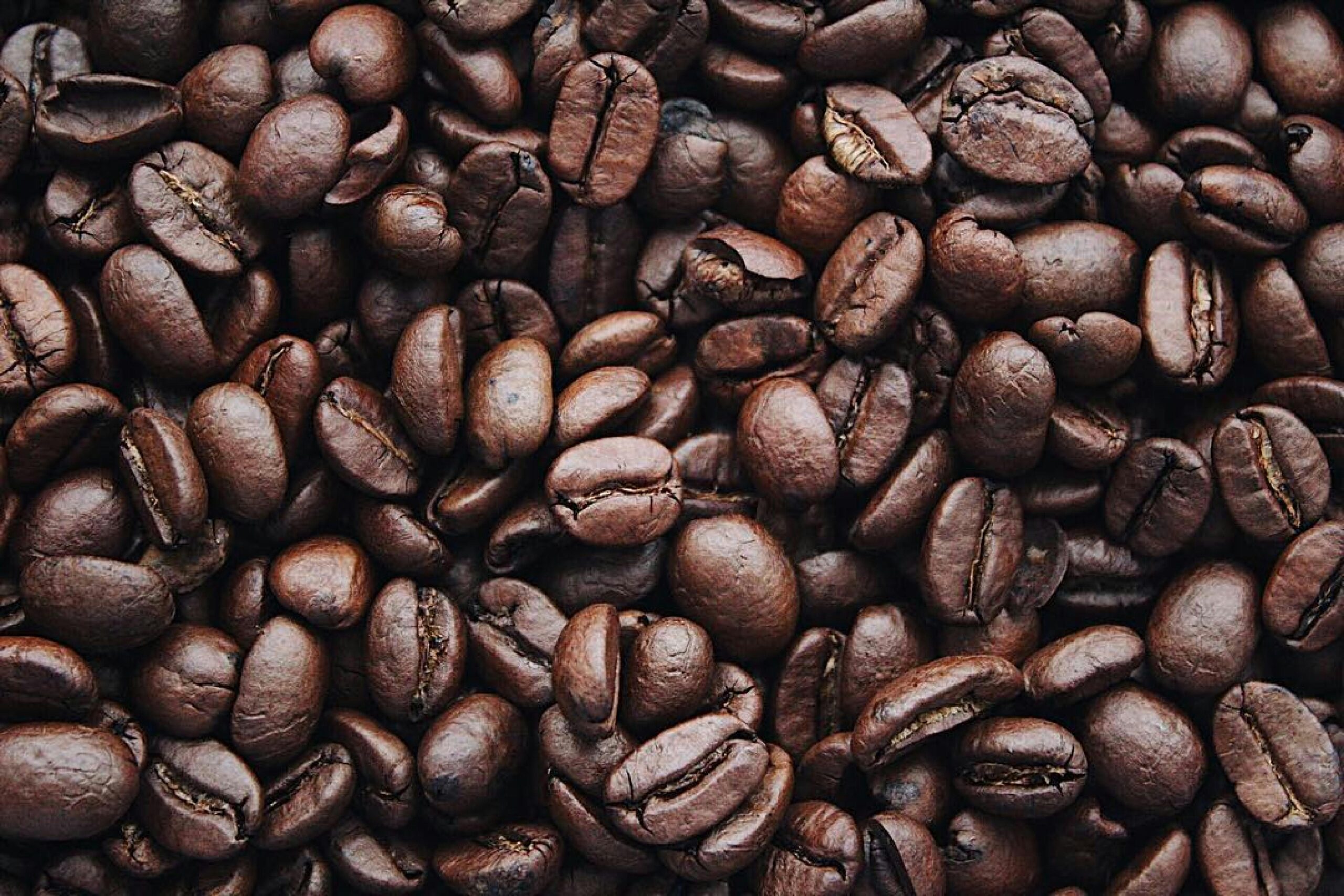
Taking regular “scent breaks” helps reset your olfactory system. Step outside for fresh air, smell coffee beans (a classic perfumer’s trick), or simply give your nose a rest from the fragrance for several hours before reassessing its strength.
⚡ Decoding Sharp and Overwhelming Scents
On the opposite end of the spectrum, sharp scents assault the senses with excessive intensity. Understanding why fragrances become overpowering helps you achieve that perfect aromatic balance.
Excessive Concentration Levels
The most straightforward cause of sharp scents is simply using too much. Essential oils are highly concentrated substances—a single drop contains hundreds of aromatic molecules. When creating blends, the philosophy of “less is more” often produces superior results compared to heavy-handed applications.
If you’ve accidentally created an overpowering blend, don’t despair. Simply add more carrier medium (oil, alcohol, or unscented base) to dilute the concentration until it reaches a pleasant intensity level.
Volatile Top Notes Domination
Certain aromatic compounds naturally present with sharp, piercing qualities. Peppermint, eucalyptus, cinnamon, and citrus oils contain highly volatile molecules that evaporate quickly and hit the nose with immediate intensity. When these top notes dominate a blend without adequate middle and base notes to provide balance, the result is a sharp, one-dimensional fragrance.
Blending sharp oils with softer, rounder notes creates complexity and reduces piercing qualities. Lavender, chamomile, sandalwood, and vanilla serve as excellent mellowing agents that smooth out aggressive aromatic edges.
Chemical Reactions and Synergistic Effects
Sometimes combining certain oils creates unexpected synergistic effects where the resulting blend smells sharper than the sum of its parts. This occurs due to chemical interactions between different aromatic compounds that amplify specific molecular characteristics.
Testing blends in small quantities before committing to larger batches prevents wasted materials and disappointing results. Create test samples using just a few drops of each component, allowing the blend to mature for at least 24 hours before final evaluation.
🛠️ Professional Troubleshooting Techniques
Armed with understanding about what causes scent imbalances, you can now apply specific correction techniques to rescue problematic fragrances.
The Fixative Solution for Muted Scents
Fixatives are ingredients that slow the evaporation rate of volatile compounds, allowing fragrances to linger longer and project more effectively. Natural fixatives include benzoin resin, vanilla absolute, sandalwood, vetiver, and oakmoss. Adding just 5-10% fixative to your blend can dramatically improve longevity and perceived intensity.
For alcohol-based perfumes, a small amount of jojoba oil or fractionated coconut oil (about 5%) acts as a fixative while adding skin-nourishing properties. This technique bridges the gap between oil-based and alcohol-based formulations, providing the best of both worlds.
Layering Strategy for Depth and Projection
Professional perfumers use layering techniques to build complexity and improve scent projection. This method involves applying fragrance in multiple stages: starting with a scented body wash or soap, following with a matching body lotion or oil, and finishing with the actual perfume or cologne.
Each layer reinforces the others, creating a more substantial aromatic presence that lasts throughout the day. The moisturizing base layers also help fragrances adhere better to skin, preventing rapid evaporation that leads to muted scents.
Mellowing Sharp Fragrances Through Aging
Time is sometimes the best remedy for overly sharp blends. Allowing fragrances to age and mature in a cool, dark place for 2-4 weeks permits aromatic molecules to marry and harmonize. This process, called maceration in perfumery, often transforms harsh, disjointed scents into smooth, well-integrated fragrances.
During maceration, shake your blend gently every few days to encourage molecular interaction. You’ll notice gradual changes in both intensity and character as the fragrance evolves toward its final form.
🌡️ Environmental Factors and Scent Performance
Your environment significantly impacts how fragrances perform, affecting both their initial intensity and their longevity on skin or in spaces.
Humidity and Temperature Effects
High humidity enhances scent projection because moisture particles in the air capture and carry aromatic molecules more effectively than dry air. This is why fragrances often seem stronger after a shower or in tropical climates. Conversely, dry environments cause rapid evaporation without substantial scent throw, resulting in fragrances that seem muted despite adequate concentration.
In dry climates, apply moisturizer before fragrance to create a hydrated base that holds scent better. Consider using an oil-based formula rather than alcohol-based options, as oils evaporate more slowly and maintain presence longer in arid conditions.
Application Surface Matters
Different surfaces interact with fragrances in unique ways. Skin chemistry, fabric composition, and even hair texture all influence how scents develop and project. Oily skin tends to hold fragrances longer but may also alter their character through chemical interactions with sebum. Dry skin allows rapid evaporation, leading to muted scents with poor longevity.
Pulse points—areas where blood vessels are close to the skin surface—generate warmth that amplifies fragrance projection. Apply scents to wrists, neck, behind ears, and inner elbows for optimal performance. Avoid rubbing fragrance into skin, as this breaks down molecular structures and can distort the intended scent profile.
📋 Creating Your Personal Troubleshooting Protocol
Developing a systematic approach to diagnosing and correcting scent issues transforms troubleshooting from guesswork into a reliable process.
The Scent Evaluation Checklist
When encountering a problematic fragrance, work through these diagnostic questions systematically:
- How old is the fragrance? Check for signs of oxidation like color changes or off-notes.
- What is the concentration ratio? Calculate whether dilution falls within appropriate ranges.
- Have you been exposed to the scent continuously? Consider olfactory adaptation as a factor.
- What are the current environmental conditions? Assess temperature and humidity levels.
- Where and how are you applying the fragrance? Evaluate application technique and surface.
- Does the issue occur with all fragrances or just one? Distinguish between product-specific and systemic problems.
Documentation for Consistent Results
Maintaining a fragrance journal helps identify patterns and refine your aromatic creations over time. Record formulation ratios, environmental conditions, aging periods, and performance observations for each blend you create.
Note how scents evolve throughout the day, which combinations work harmoniously, and which modifications successfully corrected problems. This documentation becomes an invaluable reference that accelerates your learning curve and prevents repeated mistakes.
💡 Advanced Correction Techniques
For those ready to move beyond basic troubleshooting, these advanced techniques offer additional tools for perfecting problematic fragrances.
Molecular Modification Through Co-Distillation
While primarily a commercial technique, home enthusiasts with distillation equipment can modify sharp essential oils through co-distillation with mellowing botanicals. Redistilling peppermint with lavender flowers, for example, can soften peppermint’s piercing menthol notes while adding floral complexity.
This process requires specialized equipment and safety knowledge but opens creative possibilities unavailable through simple blending.
Encapsulation for Controlled Release
Modern fragrance technology includes microencapsulation techniques that surround aromatic molecules with protective coatings. These capsules break down gradually, providing sustained release rather than immediate intensity. While commercial encapsulation requires industrial equipment, simple versions can be created using natural waxes and emulsifiers for home formulations.
pH Adjustment for Scent Optimization
The pH level of water-based formulations affects aromatic perception and stability. Slightly acidic solutions (pH 4.5-5.5) often enhance floral notes while preserving formulation integrity. Testing and adjusting pH using citric acid or baking soda can rescue problematic water-based sprays and linen mists.
🎯 Preventing Future Scent Issues
Prevention is always easier than correction. Implementing best practices from the start saves time, materials, and frustration.
Proper Storage Protocols
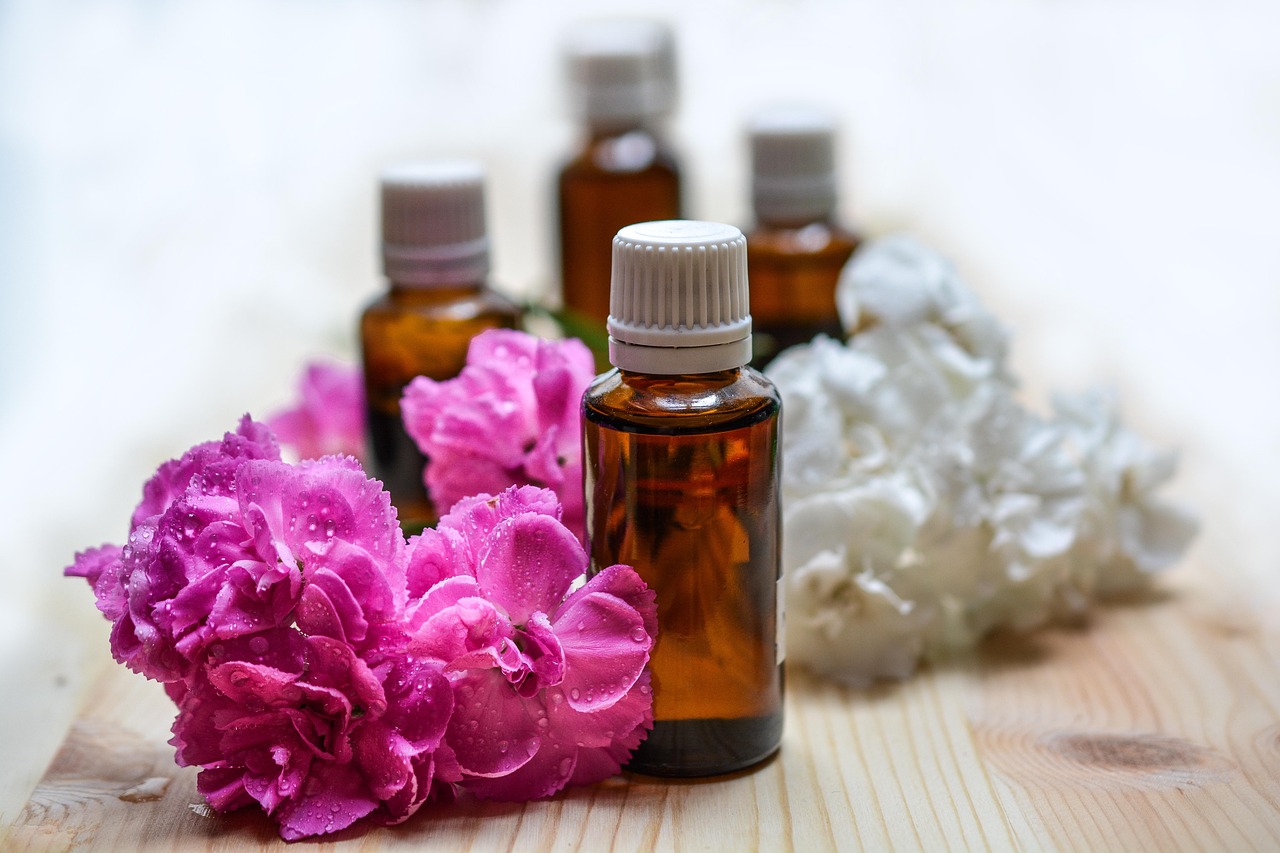
Invest in quality storage solutions including amber or cobalt glass bottles, which filter damaging UV light. Store fragrances in cool, stable environments away from temperature fluctuations. Minimize headspace in bottles by transferring oils to smaller containers as you use them, reducing oxygen exposure that accelerates degradation.
Quality Ingredient Sourcing
The foundation of any great fragrance is quality ingredients. Source essential oils and aromatic materials from reputable suppliers who provide batch-specific GC/MS testing reports. While premium ingredients cost more initially, they deliver superior performance and longevity that justify the investment.
Avoid synthetic fragrance oils labeled simply as “fragrance oil” without specific ingredient disclosure, as these often contain phthalates and other potentially problematic chemicals that may cause sharp, artificial scent profiles.
Gradual Formulation Development
Build complex fragrances gradually, adding components in small increments rather than combining everything at once. This measured approach allows you to monitor how each addition affects the overall balance, making it easier to identify which ingredient pushed a blend from perfect to problematic.
Start with base notes, add middle notes once the base is established, and finish with top notes. This traditional perfumer’s approach creates more cohesive fragrances with better integration between layers.
🌟 Embracing Your Aromatic Journey
Mastering the art of aroma troubleshooting is an ongoing journey rather than a destination. Each challenge you encounter and solve expands your understanding and refines your skills. The difference between muted and sharp scents becomes clearer through experience, allowing you to make intuitive adjustments that transform adequate fragrances into exceptional ones.
Remember that personal preference plays a significant role in scent evaluation. What one person considers perfectly balanced, another might find too subtle or too intense. Trust your own nose while remaining open to feedback from others, using diverse perspectives to calibrate your aromatic sensibilities.
The troubleshooting techniques outlined in this guide provide a comprehensive framework for addressing the most common scent challenges. Whether you’re reviving a faded favorite, mellowing an overpowering blend, or preventing future problems through proper storage and formulation practices, you now have the knowledge to take control of your aromatic creations.
With patience, practice, and attention to detail, you’ll develop an intuitive understanding of how aromatic compounds behave and interact. This mastery transforms fragrance creation from an unpredictable experiment into a refined craft where you consistently achieve your desired aromatic vision. The journey from frustrating scent failures to confidently balanced fragrances is one of the most rewarding aspects of working with aromatics—enjoy every moment of discovery along the way! ✨