Choosing the right kettle can transform your daily coffee and tea experience from ordinary to extraordinary. With countless options flooding the market, understanding which style suits your brewing needs is essential for crafting that perfect cup every single time.

Whether you’re a casual tea drinker, a dedicated coffee enthusiast, or someone who takes their brewing rituals seriously, the kettle you choose matters more than you might think. The difference between basic, gooseneck, and variable temperature kettles goes beyond aesthetics—it’s about precision, control, and ultimately, flavor. Let’s dive deep into this battle of the kettles to help you discover your ideal brew buddy.
Understanding the Three Kettle Contenders ☕
Before we declare a winner, it’s crucial to understand what sets each kettle type apart. Each design serves specific purposes and caters to different brewing philosophies and skill levels.
The basic electric kettle represents simplicity and efficiency. It heats water quickly, shuts off automatically, and requires minimal thought or technique. These workhorses have been kitchen staples for decades, trusted by millions for their straightforward approach to boiling water.
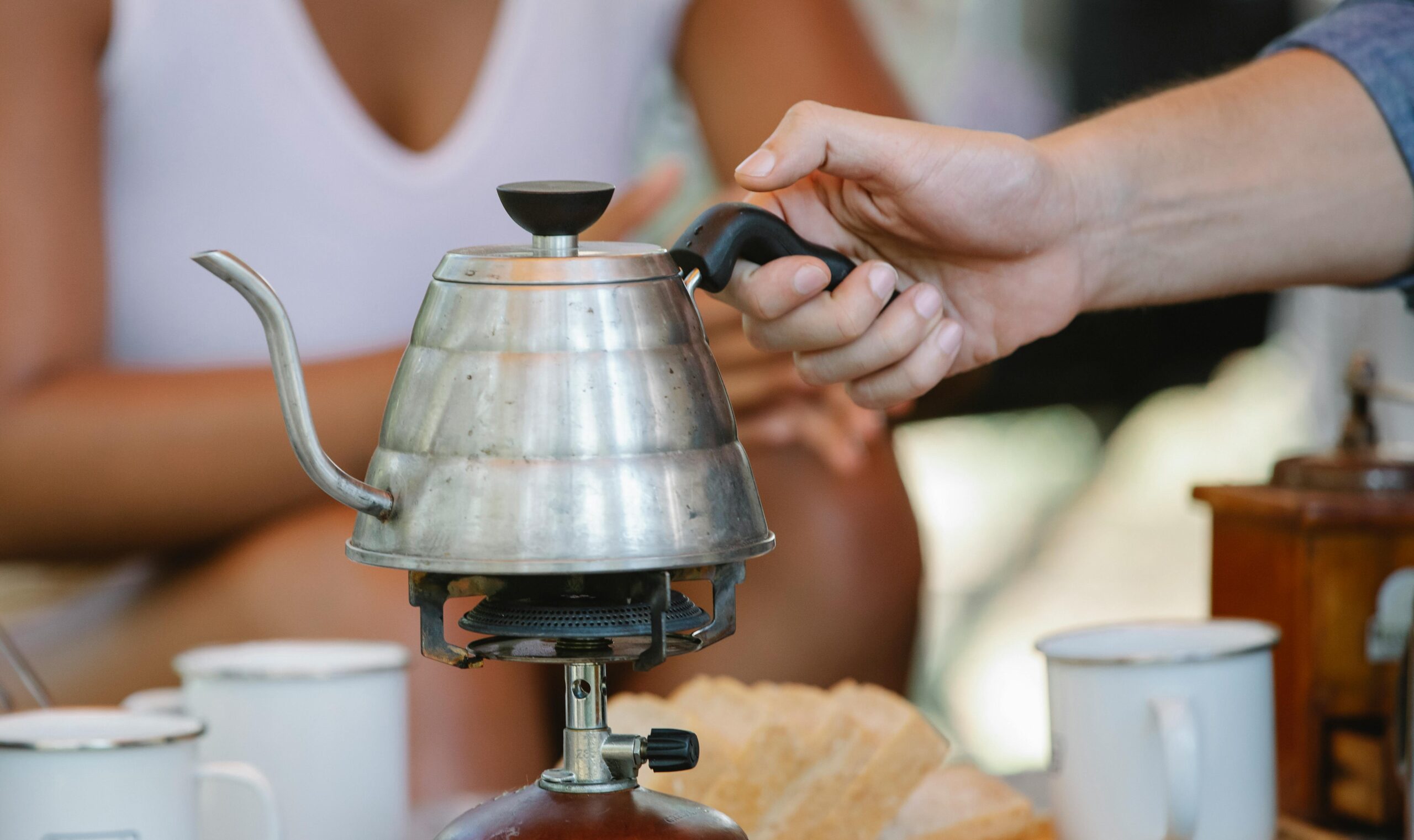
Gooseneck kettles feature a distinctive long, curved spout that provides exceptional pour control. Originally designed for pour-over coffee enthusiasts, these kettles have become symbols of brewing craftsmanship. The precise spout design allows users to control water flow rate and direction with remarkable accuracy.
Variable temperature kettles add a digital brain to the boiling process. These sophisticated devices let you select specific temperatures for different beverages, maintaining heat for extended periods. They combine technology with functionality, appealing to those who appreciate precision in their brewing routine.
The Classic Basic Kettle: Simplicity That Works 🔥
Basic electric kettles have earned their place in kitchens worldwide through reliability and straightforward functionality. These no-nonsense appliances focus on doing one thing exceptionally well: boiling water fast.
The average basic kettle can bring a full liter of water to boiling in just three to four minutes. This speed makes them perfect for busy mornings when you need your caffeine fix without delay. Most models feature automatic shut-off mechanisms that activate once water reaches boiling point, providing safety and energy efficiency.
Price represents another significant advantage. Basic kettles typically range from $15 to $50, making them accessible to virtually any budget. This affordability doesn’t necessarily mean poor quality—many basic models last for years with proper care and regular descaling.
When Basic Kettles Shine Brightest
Basic kettles excel in high-volume situations where speed trumps precision. If you’re making tea for a large family gathering, preparing instant noodles, or simply need hot water for various kitchen tasks, these kettles deliver without fuss.
They’re also ideal for tea drinkers who aren’t particularly picky about water temperature. While tea connoisseurs might debate the perfect brewing temperature for different varieties, many casual drinkers find that slightly cooled boiled water works perfectly fine for their daily cup.
Students, office workers, and anyone with limited counter space appreciate the compact, lightweight design of most basic kettles. They’re easy to store, simple to clean, and require zero learning curve—just fill, switch on, and wait.
The Gooseneck Kettle: Precision Pouring Perfected 🎯
Gooseneck kettles have revolutionized the pour-over coffee scene, becoming essential tools for baristas and home brewing enthusiasts alike. The signature curved spout isn’t just for show—it fundamentally changes how you interact with water during the brewing process.
The narrow, curved spout provides unmatched control over water flow rate and direction. This precision matters tremendously when brewing pour-over coffee, where even distribution and controlled saturation of coffee grounds dramatically impact flavor extraction. The ability to pour slowly and steadily, directing water exactly where you want it, separates amateur brews from professional-quality results.
Many gooseneck kettles come with built-in thermometers, allowing users to monitor water temperature without additional equipment. This feature bridges the gap between basic and variable temperature models, offering temperature awareness without digital controls.
Mastering the Gooseneck Technique
Using a gooseneck kettle effectively requires some practice, but the learning curve is gentle. The key lies in maintaining a steady, controlled pour that creates a thin stream of water. This technique, known as “the bloom” in coffee circles, allows gases to escape from coffee grounds before full extraction begins.
For tea preparation, gooseneck kettles offer similar advantages. Green and white teas benefit from gentle, controlled pouring that doesn’t agitate delicate leaves excessively. The precision also helps when performing traditional tea ceremonies where presentation and technique carry cultural significance.
Price points for gooseneck kettles vary widely, from $30 budget models to $200+ premium options with temperature control and advanced features. Mid-range models ($50-$80) typically offer excellent build quality and functionality for most home users.
Variable Temperature Kettles: The Smart Choice for Beverage Nerds 🌡️
Variable temperature kettles represent the cutting edge of water heating technology. These intelligent appliances recognize that different beverages demand different temperatures for optimal flavor extraction and enjoyment.
The science behind temperature-specific brewing is compelling. Green tea tastes best at around 160-180°F, while black tea prefers 200-212°F. Coffee extracts optimally between 195-205°F. French press coffee enthusiasts swear by 200°F exactly. Variable temperature kettles eliminate guesswork, delivering precisely heated water for any beverage.
Most variable temperature models offer preset temperature options corresponding to common beverages. Higher-end versions allow degree-by-degree customization, letting you experiment and find your personal perfect temperature for each drink you enjoy.
The Hold Function That Changes Everything
Beyond initial heating, many variable temperature kettles feature a “hold” or “keep warm” function that maintains selected temperatures for 30-60 minutes. This feature proves invaluable for leisurely morning routines, multiple cup sessions, or when entertaining guests who arrive at different times.
The hold function also supports experimentation. You can taste the same tea at different temperatures, discovering how flavor profiles shift across just a few degrees. This capability turns your kettle into an educational tool, deepening your appreciation for the beverages you love.
Energy efficiency deserves mention here. While holding temperature does consume electricity, modern variable temperature kettles use minimal power during this phase—typically less than keeping a traditional stovetop kettle warm on low heat.
Breaking Down the Investment: What You Get for Your Money 💰
Understanding the price-to-value relationship helps clarify which kettle type makes sense for your specific situation and budget. The investment extends beyond the initial purchase—consider longevity, functionality, and daily satisfaction.
Basic kettles deliver exceptional value for minimal investment. Spending $25-$40 typically gets you a reliable appliance that will serve faithfully for years. The simplicity means fewer components that can fail, potentially extending lifespan compared to more complex alternatives.
Gooseneck kettles occupy the middle ground, with quality options available between $40-$100. The premium you pay above basic models buys you control and brewing capabilities that directly improve beverage quality. For pour-over coffee lovers, this investment pays dividends in every cup.
Variable temperature kettles command the highest prices, ranging from $60 to over $200. This investment makes sense for serious tea and coffee enthusiasts who brew multiple types of beverages and value precision. The daily convenience and improved flavor justify the cost for many users.
Material Matters: Stainless Steel, Glass, or Plastic? 🏗️
The kettle body material affects durability, aesthetics, maintenance, and potentially flavor. Each material brings distinct advantages and considerations to your brewing setup.
Stainless steel dominates the kettle market for good reasons. It’s durable, doesn’t impart flavors, resists staining, and maintains an attractive appearance with minimal care. Higher-quality stainless steel models feature double-wall construction that keeps exteriors cooler and improves energy efficiency.
Glass kettles offer visual appeal, letting you watch water come to a boil. They’re easy to clean and don’t retain flavors or odors. However, glass kettles require careful handling and typically weigh more than steel or plastic alternatives. Some users report that glass models take slightly longer to heat water.
Plastic kettles represent the budget end of the spectrum. While modern food-grade plastics are safe, some users detect slight plastic tastes, especially when kettles are new. Plastic also discolors over time and doesn’t provide the premium feel of metal or glass.
Matching Kettle to Your Brewing Style 🎨
Your ideal kettle depends heavily on what and how you brew. Different beverages and preparation methods benefit from specific kettle characteristics.
Pour-over coffee enthusiasts absolutely need gooseneck kettles. The precision pouring required for methods like Chemex, V60, or Kalita Wave simply isn’t achievable with basic kettle spouts. If pour-over coffee represents your primary brewing method, a gooseneck kettle (ideally with temperature control) should top your list.
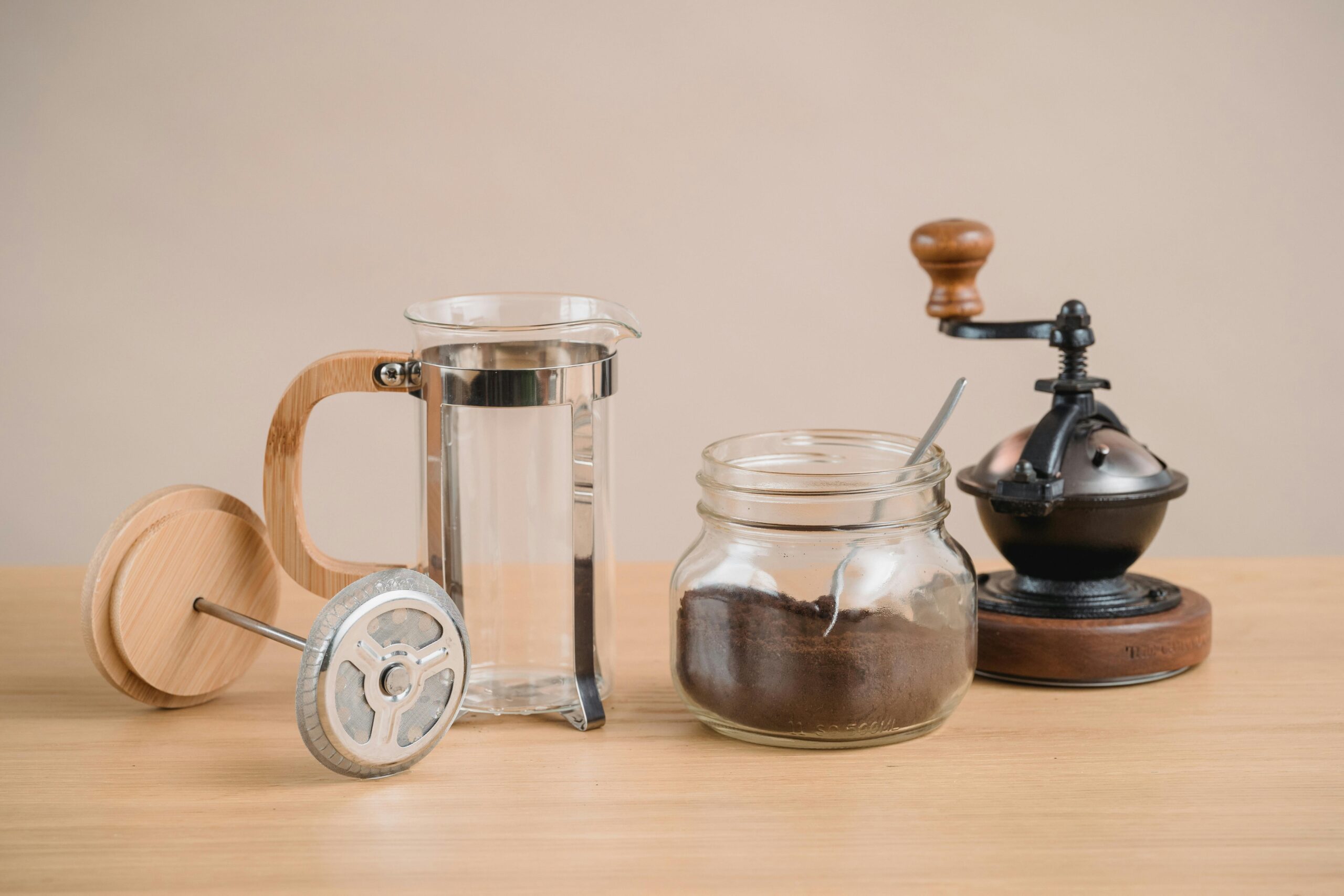
French press users can work with any kettle type, but variable temperature models enhance the experience. The ability to heat water to exactly 200°F consistently produces superior extraction compared to guessing when boiled water has cooled sufficiently.
Tea connoisseurs brewing multiple varieties throughout the day benefit enormously from variable temperature kettles. The convenience of selecting appropriate temperatures for green, white, oolong, and black teas without thought or thermometers streamlines the ritual and ensures optimal flavor every time.
The Multi-Beverage Household Dilemma
Many households include coffee lovers, tea drinkers, and hot chocolate enthusiasts all under one roof. This diversity complicates the kettle decision, as different family members have varying needs.
For multi-beverage households, variable temperature kettles with gooseneck spouts represent the ultimate compromise. These hybrid models address virtually every need, though they command premium prices ($100-$200). The investment makes sense when multiple household members use the kettle daily for different purposes.
Alternatively, some households maintain two kettles: a basic model for quick, high-volume tasks and a specialized gooseneck or variable temperature kettle for serious brewing sessions. This approach costs less than a premium hybrid and provides dedicated tools optimized for specific tasks.
Features Worth Considering Beyond the Basics ⚡
Modern kettles offer various features that enhance convenience, safety, and functionality. Understanding which features matter helps you avoid paying for unnecessary bells and whistles while ensuring you don’t miss genuinely useful capabilities.
Cordless designs with separate heating bases provide freedom of movement and easier pouring. You can lift the kettle from its base and pour without wrestling with cords. This feature appears across all kettle types and price points, and most users consider it essential once they’ve experienced it.
Water level indicators help you fill exactly the amount needed, saving energy and time. Clear markings for cup measurements make this feature even more useful, letting you heat precisely what you need without waste.
Boil-dry protection shuts off heating elements if the kettle is activated without sufficient water. This safety feature prevents damage and potential fire hazards, providing peace of mind especially in busy households or for anyone who occasionally gets distracted.
Noise Levels: The Overlooked Factor
Kettle noise during operation varies significantly between models. Some basic kettles produce loud rumbling sounds while heating, potentially disturbing light sleepers or disrupting quiet morning routines. Higher-quality models often feature quieter heating elements and better insulation that dampens sound.
If noise sensitivity matters in your household, seeking out kettles specifically marketed as “quiet boil” or reading user reviews mentioning noise levels can help you avoid unpleasantly loud models.
Maintenance and Longevity: Keeping Your Kettle in Peak Condition 🧼
Proper maintenance extends kettle life and ensures consistently good-tasting beverages. Fortunately, kettle care requires minimal effort and time investment.
Descaling represents the primary maintenance task for all kettle types. Mineral deposits from water gradually build up inside kettles, affecting heating efficiency and potentially imparting off-flavors. Descaling every month or two (more frequently with hard water) using white vinegar or commercial descaling solutions keeps your kettle performing optimally.
The descaling process is simple: fill the kettle with equal parts water and white vinegar, boil, let sit for 15-20 minutes, discard, then rinse thoroughly. For stubborn deposits, repeat the process or let the vinegar solution sit longer before discarding.
External cleaning depends on material. Stainless steel benefits from occasional polishing with appropriate cleaners to maintain shine. Glass kettles should be wiped down regularly to remove water spots and fingerprints. Avoiding abrasive cleaners preserves surfaces and prevents scratching.
The Environmental Angle: Energy Efficiency and Sustainability 🌍
In an era of environmental consciousness, considering your kettle’s energy consumption and sustainability makes good sense both ecologically and economically.
Electric kettles generally prove more energy-efficient than stovetop models or microwaving water. They heat water directly and shut off automatically at boiling, minimizing waste. However, efficiency varies between models, with better-insulated kettles requiring less energy to reach and maintain temperature.
Variable temperature kettles actually improve efficiency for tea drinkers who don’t need boiling water. Heating water to 175°F instead of 212°F consumes noticeably less electricity, and multiplying those savings across daily use adds up over months and years.
Durability represents another sustainability factor. A well-built kettle lasting ten years has far less environmental impact than cheap models requiring replacement every two years. Investing in quality pays environmental dividends beyond the financial returns.
Your Perfect Kettle Match: Making the Final Decision 🏆
After examining all factors, the perfect kettle for your needs emerges through honest assessment of your brewing habits, budget, and priorities.
Choose a basic kettle if you primarily need hot water quickly, aren’t particularly particular about temperature precision, and value simplicity and affordability above specialized features. Basic kettles serve the majority of household hot water needs admirably without complexity or significant investment.
Select a gooseneck kettle if you regularly brew pour-over coffee or practice traditional tea ceremonies where pour control matters significantly. The precision these kettles provide directly improves beverage quality in ways that basic kettles simply cannot match.
Invest in a variable temperature kettle if you brew multiple beverage types requiring different temperatures, value convenience and consistency, and appreciate technology that enhances your daily rituals. The premium price reflects genuine functionality that improves every use.
For the ultimate setup, consider a variable temperature gooseneck kettle. These hybrids combine precision pouring with temperature control, addressing virtually every serious brewer’s needs. While expensive, they eliminate compromises and deliver professional-quality results at home.
Brewing Better, One Kettle at a Time ☕
The kettle you choose becomes part of your daily ritual, a tool that shapes how you start mornings and take afternoon breaks. Whether you select basic functionality, precision pouring, or temperature control, the right kettle enhances your relationship with coffee and tea.
Remember that the best kettle isn’t necessarily the most expensive or feature-laden option—it’s the one that matches your specific needs, fits your budget, and brings you satisfaction every time you use it. Understanding what each kettle type offers empowers you to make an informed decision rather than following trends or marketing hype.
Your perfect brew buddy awaits. Consider your brewing style, evaluate your priorities, and choose the kettle that will transform your daily beverage ritual from routine to remarkable. The investment in the right kettle pays delicious dividends, one perfectly heated cup at a time.