Cold brew coffee has transformed from a niche café offering to a home brewing obsession, and mastering the perfect concentrate ratio is your ticket to barista-quality results. Whether you’re a morning coffee ritualist or an afternoon pick-me-up enthusiast, understanding the science behind cold brew concentration will revolutionize your coffee experience.

The beauty of cold brew lies in its forgiving nature and spectacular flavor profile—smooth, naturally sweet, and remarkably low in acidity. Yet many home brewers struggle with inconsistent results, wondering why their batch tastes weak one week and overwhelmingly strong the next. The secret isn’t just in the beans or brewing time; it’s in nailing that perfect concentrate ratio.
☕ Understanding Cold Brew Concentrate vs. Ready-to-Drink Coffee
Before diving into ratios, let’s clarify what makes cold brew concentrate different from regular cold brew. A concentrate is essentially a super-strong coffee extraction designed to be diluted before drinking. This approach offers incredible flexibility and longer shelf life compared to ready-to-drink versions.
Cold brew concentrate typically contains 2-3 times more coffee grounds per water volume than traditional hot brewing methods. This concentrated liquid becomes your flavor base, allowing you to customize strength, add milk or alternative beverages, and create consistent cups every single time.
The standard cold brew concentrate uses a ratio between 1:4 and 1:8 (coffee to water), while ready-to-drink cold brew uses ratios closer to 1:12 or 1:16. This distinction matters tremendously when planning your brew and understanding dilution needs.
🎯 The Golden Ratio: Finding Your Perfect Balance
The most widely recommended cold brew concentrate ratio is 1:5 (one part coffee to five parts water by weight). This produces a robust concentrate that dilutes beautifully with equal parts water, milk, or ice without losing character. For practical measurement, that translates to roughly 1 cup of coarsely ground coffee to 5 cups of cold water.
However, your perfect ratio depends on several personal factors:
- Bean origin and roast level: Darker roasts extract more quickly and intensely, potentially requiring a 1:6 or 1:7 ratio to avoid bitterness
- Brewing time: Longer steeping (18-24 hours) extracts more compounds, so you might use less coffee
- Dilution preferences: If you prefer drinking concentrate with minimal dilution, start with a 1:6 or 1:7 ratio
- Final application: Concentrate for lattes can be stronger (1:4) than concentrate for black coffee drinking (1:6)
Calculating Your Custom Ratio
Start with this simple planning framework based on your desired final volume of ready-to-drink coffee:
| Final Volume Needed | Concentrate at 1:5 | Coffee Grounds Required | Water for Brewing |
|---|---|---|---|
| 4 cups ready-to-drink | 2 cups concentrate | 80g (⅔ cup) | 400ml (1⅔ cups) |
| 8 cups ready-to-drink | 4 cups concentrate | 160g (1⅓ cups) | 800ml (3⅓ cups) |
| 12 cups ready-to-drink | 6 cups concentrate | 240g (2 cups) | 1200ml (5 cups) |
🔬 The Science Behind Cold Extraction
Cold brewing extracts coffee compounds differently than hot methods, which fundamentally affects your ratio decisions. Hot water quickly dissolves both desirable flavors and bitter compounds, while cold water works slowly and selectively.
During cold extraction, water gradually pulls out caffeine, sugars, and oils while leaving behind many of the acidic and bitter compounds that require heat to dissolve. This selective extraction is why cold brew tastes naturally sweeter and smoother, even at high concentrations.
The extended brewing time (12-24 hours) compensates for cold water’s reduced extraction efficiency. This slow process means your ratio choice directly impacts final strength more predictably than with hot brewing, where temperature fluctuations can cause inconsistency.
📊 Ratio Planning for Different Brewing Methods
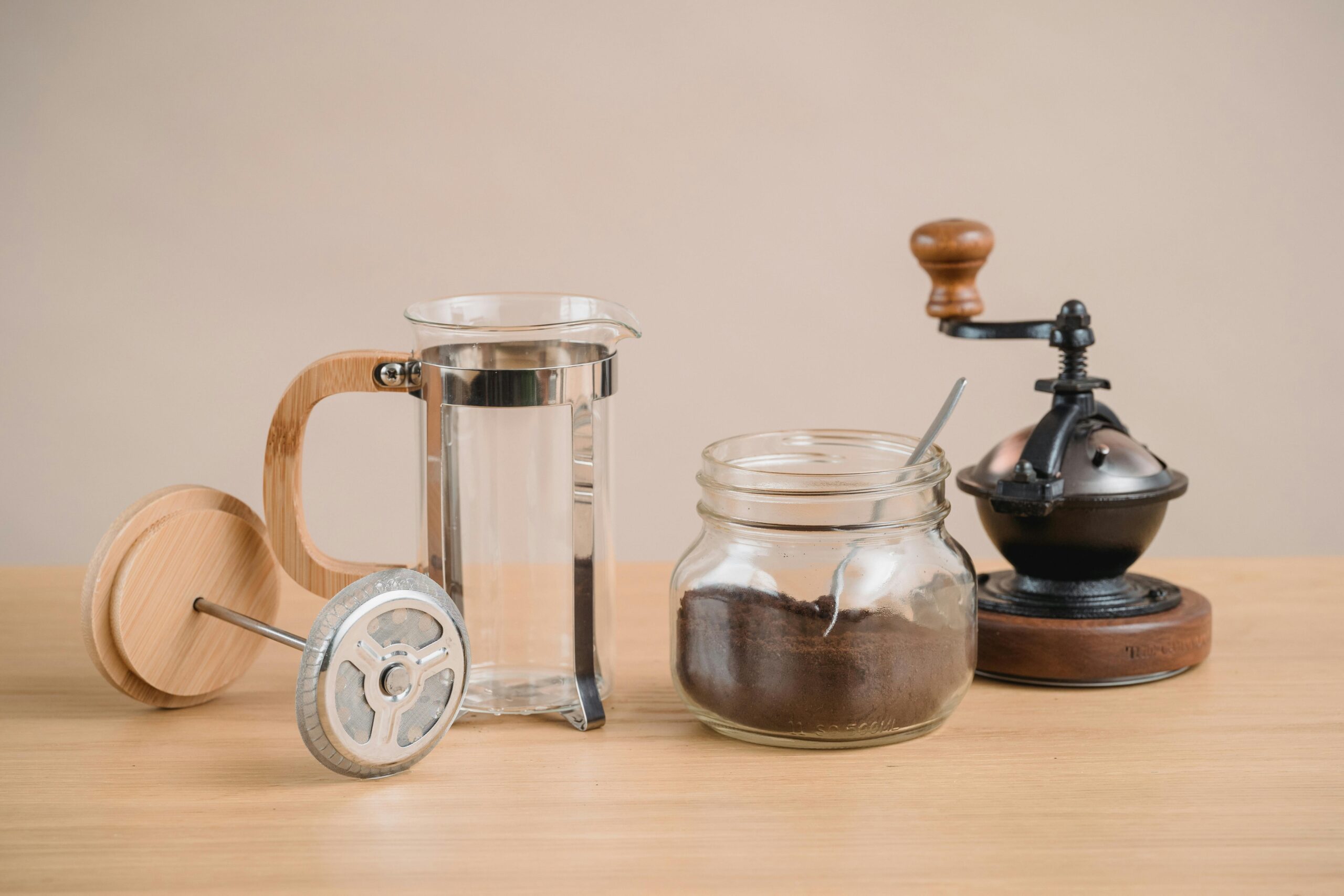
Immersion Method (Mason Jar or French Press)
The immersion method fully submerges coffee grounds in water throughout the entire brewing period. This technique is forgiving and produces consistent results, making it ideal for beginners experimenting with ratios.
For immersion brewing, start with a 1:5 ratio for bold concentrate or 1:7 for a milder version. Grind size should be extra coarse—similar to raw sugar crystals—to prevent over-extraction and facilitate easier filtering.
A practical immersion recipe: Combine 1 cup (100g) coarsely ground coffee with 5 cups (500ml) cold filtered water in a large jar. Stir gently to ensure all grounds are saturated, cover, and refrigerate for 16-18 hours before straining.
Slow Drip Method (Kyoto-Style)
Slow drip cold brew uses gravity to pull water through coffee grounds drop by drop, typically over 3-12 hours. This method produces exceptionally clean, complex concentrate with pronounced flavor clarity.
Slow drip brewing works best with ratios between 1:10 and 1:12 during the dripping process, but because water passes through rather than steeping, the final concentrate strength resembles a 1:5 immersion brew. Adjust your drip rate to approximately 1 drop per second for optimal extraction.
Cold Brew Coffee Maker Devices
Dedicated cold brew makers often come with specific ratio recommendations from manufacturers. These devices typically use built-in filters and measured containers that simplify the process considerably.
Most commercial cold brew makers are designed around the 1:5 to 1:7 ratio sweet spot. Always check your device’s maximum capacity and recommended measurements before scaling recipes up or down.
⚡ Strength Adjustment: Dilution Strategies for Perfect Cups
Creating concentrate is only half the equation—diluting it properly ensures each cup meets your taste preferences. The standard dilution is 1:1 (one part concentrate to one part liquid), but this is entirely customizable.
For different coffee experiences, try these dilution ratios with your 1:5 concentrate:
- Extra bold black coffee: 2 parts concentrate to 1 part water
- Standard strength: 1 part concentrate to 1 part water or milk
- Lighter, refreshing coffee: 1 part concentrate to 2 parts water
- Iced latte style: 1 part concentrate to 2 parts milk over ice
Remember that ice dilutes your beverage as it melts. If serving over ice, start with slightly less dilution liquid to account for this melting effect, or use coffee ice cubes made from leftover concentrate.
🌟 Troubleshooting Your Ratios: Common Issues and Fixes
Concentrate Tastes Weak or Watery
If your concentrate lacks punch even before dilution, you likely used too much water or too little coffee. Increase your coffee amount by 20% (moving from 1:5 toward 1:4) or extend brewing time by 4-6 hours. Ensure your grind isn’t too coarse, which can prevent adequate extraction.
Concentrate Tastes Bitter or Over-Extracted
Bitterness in cold brew usually indicates over-extraction from brewing too long or using grounds that are too fine. Reduce steeping time to 12-14 hours, increase your ratio to 1:6 or 1:7 (more water, same coffee), and verify your grind is truly coarse. Some darker roasts naturally produce more bitter notes even when cold-brewed.
Inconsistent Results Batch to Batch
Consistency problems typically stem from imprecise measurements or variable brewing conditions. Invest in a kitchen scale to measure coffee and water by weight rather than volume—this eliminates variables like grind density and settling. Keep brewing temperature consistent by always refrigerating during extraction rather than countertop brewing.
💡 Pro Tips for Ratio Optimization
Professional baristas and coffee experts use these advanced techniques to perfect their cold brew concentrate ratios:
Bloom your grounds first: Before adding all your water, pour just enough to saturate the grounds (about 2:1 water to coffee by weight) and let sit for 30 minutes. This releases CO2 and improves extraction efficiency, allowing you to use slightly less coffee overall.
Temperature matters more than you think: While called “cold” brew, extraction actually works best at refrigerator temperature (35-40°F) rather than room temperature. Colder extraction is slower but cleaner, so adjust your ratio slightly stronger (1:4.5 instead of 1:5) when using room temperature brewing.
Water quality impacts concentration: Filtered water with balanced mineral content extracts more efficiently than distilled or heavily mineralized water. If using distilled water, you may need 10-15% more coffee to achieve the same strength.
Batch size affects extraction: Larger batches (over 1 liter) often extract slightly more efficiently due to improved water circulation and thermal mass. When scaling up from a small test batch, you can reduce coffee by about 5% while maintaining strength.
📅 Storage and Shelf Life Considerations
Your concentrate ratio affects not just taste but also storage stability. Higher concentration (1:4 ratio) generally preserves better and longer than weaker concentrates because the coffee compounds themselves act as preservatives.
Properly stored cold brew concentrate maintains peak flavor for 10-14 days when refrigerated in an airtight container. The higher caffeine and lower pH environment inhibit bacterial growth, though flavor quality gradually declines after the first week.
For extended storage, freeze concentrate in ice cube trays. Each cube can then be diluted individually, eliminating waste and ensuring fresh-tasting coffee for up to three months. Use a slightly stronger ratio (1:4) for concentrate you plan to freeze, as freezing can slightly mute flavors.
🎨 Creative Applications Beyond the Cup
Once you’ve mastered your perfect concentrate ratio, expand beyond traditional coffee drinks. Cold brew concentrate’s versatility shines in culinary applications where precise strength control matters.
Use undiluted 1:4 concentrate for coffee-flavored desserts, adding intense coffee flavor without excess liquid. Try it in tiramisu, coffee ice cream, or chocolate ganache. For cocktails, a 1:5 concentrate provides bold coffee character that stands up to spirits and mixers without overwhelming other ingredients.
Consider making flavored concentrates by adding vanilla beans, cinnamon sticks, or cardamom pods during the brewing process. These additions work best with slightly weaker ratios (1:6 or 1:7) to prevent the combined flavors from becoming too intense.
🚀 Your Personal Ratio Journey Starts Now
Mastering cold brew concentrate ratios transforms coffee from a daily routine into a personalized craft. Start with the reliable 1:5 ratio as your baseline, then experiment methodically, changing only one variable at a time. Keep a simple brewing journal noting your ratios, brewing times, and tasting impressions.
The perfect ratio isn’t universal—it’s deeply personal, reflecting your taste preferences, chosen beans, and intended applications. What matters most is developing consistency and understanding how each adjustment affects your final cup. With the planning frameworks and troubleshooting strategies outlined here, you now have everything needed to brew bold, smooth cold brew concentrate with confidence.
Your morning coffee deserves this level of attention and precision. The difference between good cold brew and exceptional cold brew often comes down to these ratio fundamentals. Armed with this knowledge, you’re ready to create café-quality concentrate that rivals anything from specialty coffee shops, customized perfectly to your palate and brewing style every single time.