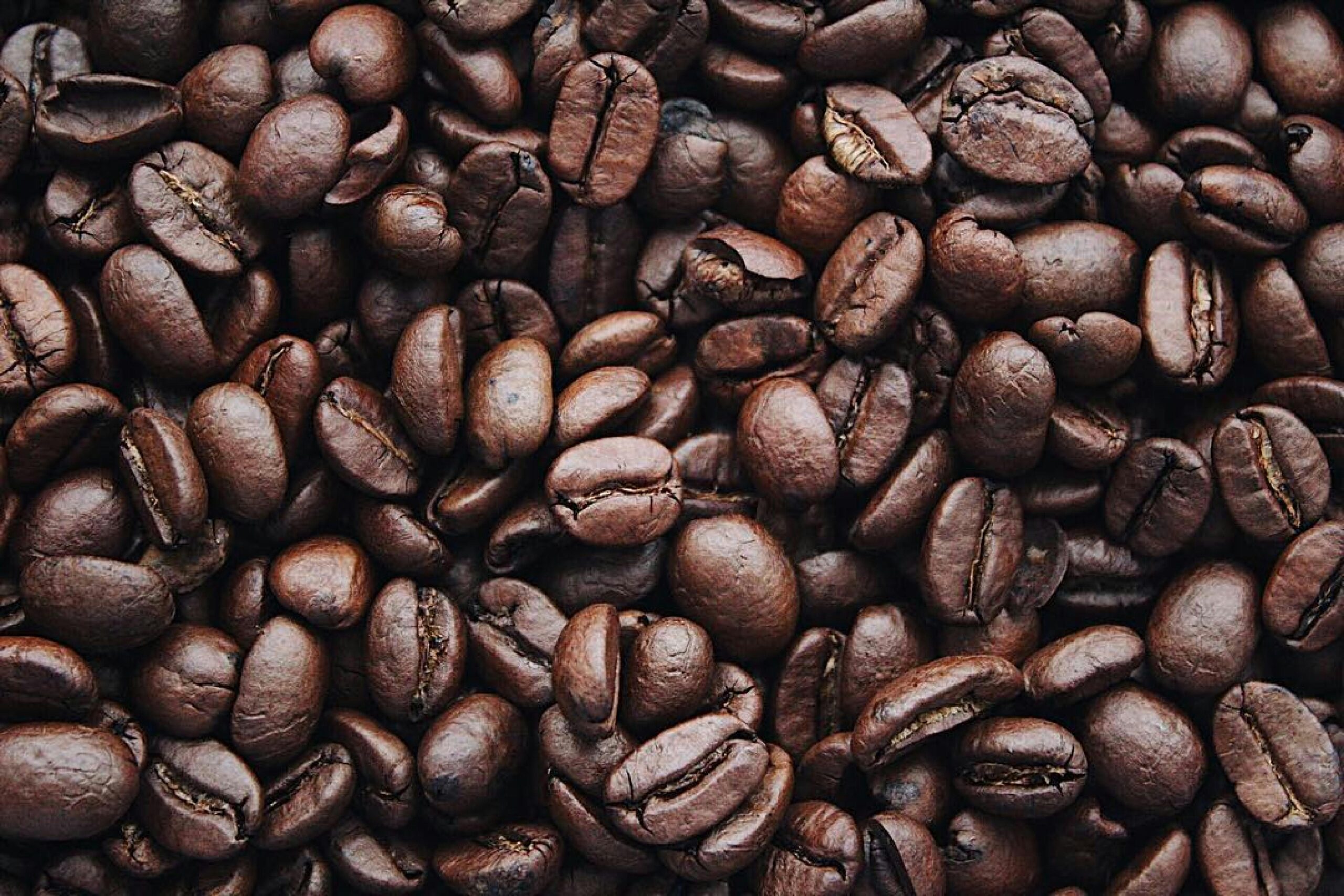
Coffee lovers know that the secret to an exceptional cup lies not just in the beans, but in how you grind them. Mastering grind size transforms ordinary coffee into an extraordinary sensory experience that awakens your palate.

The journey from whole bean to brewed perfection involves understanding how particle size affects extraction, flavor profiles, and overall coffee quality. Whether you’re brewing espresso, pour-over, or French press, the grind size you choose can make or break your morning ritual. This comprehensive guide will walk you through everything you need to know about coffee grind sizes and how to match them perfectly with your preferred brewing method.
☕ Why Grind Size Matters More Than You Think
The grind size of your coffee beans directly impacts the extraction process, which is the dissolution of flavors, oils, and compounds from the coffee grounds into water. When water contacts coffee particles, it begins extracting various components at different rates. Grind size determines the surface area exposed to water and how quickly extraction occurs.
Finer grinds have more surface area, allowing water to extract flavors more quickly and intensely. Coarser grinds have less surface area, resulting in slower, gentler extraction. Understanding this relationship is fundamental to brewing coffee that hits the sweet spot between under-extraction (sour, weak flavors) and over-extraction (bitter, harsh notes).
The contact time between water and coffee grounds varies dramatically across brewing methods. Espresso machines force hot water through grounds in just 25-30 seconds, requiring fine particles. French press steeps for 4 minutes, needing coarse grounds to prevent over-extraction. Matching grind size to contact time creates balanced, flavorful coffee.
🔍 The Complete Grind Size Spectrum Explained
Coffee grind sizes exist on a spectrum from extra fine to extra coarse. Each category suits specific brewing methods and produces distinct flavor characteristics. Understanding these categories empowers you to experiment and customize your coffee experience.
Extra Fine Grind: Powder-Like Consistency
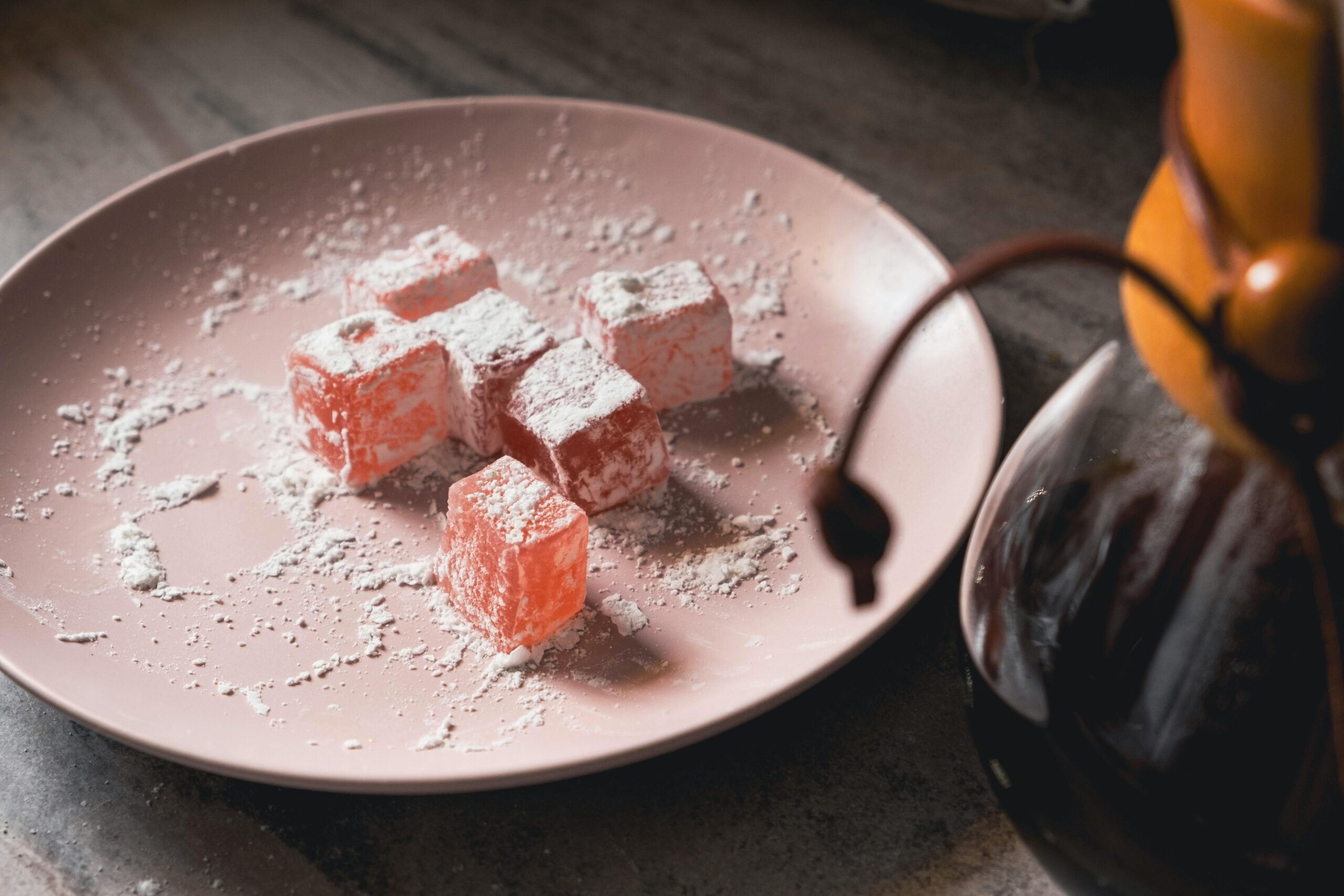
Extra fine grind resembles powdered sugar or flour in texture. This consistency is primarily used for Turkish coffee, where grounds are boiled directly with water and served unfiltered. The powder-like particles create an intense, thick brew with maximum extraction. This grind size is too fine for most other brewing methods and will cause over-extraction and bitterness in standard preparations.
Fine Grind: Espresso Territory
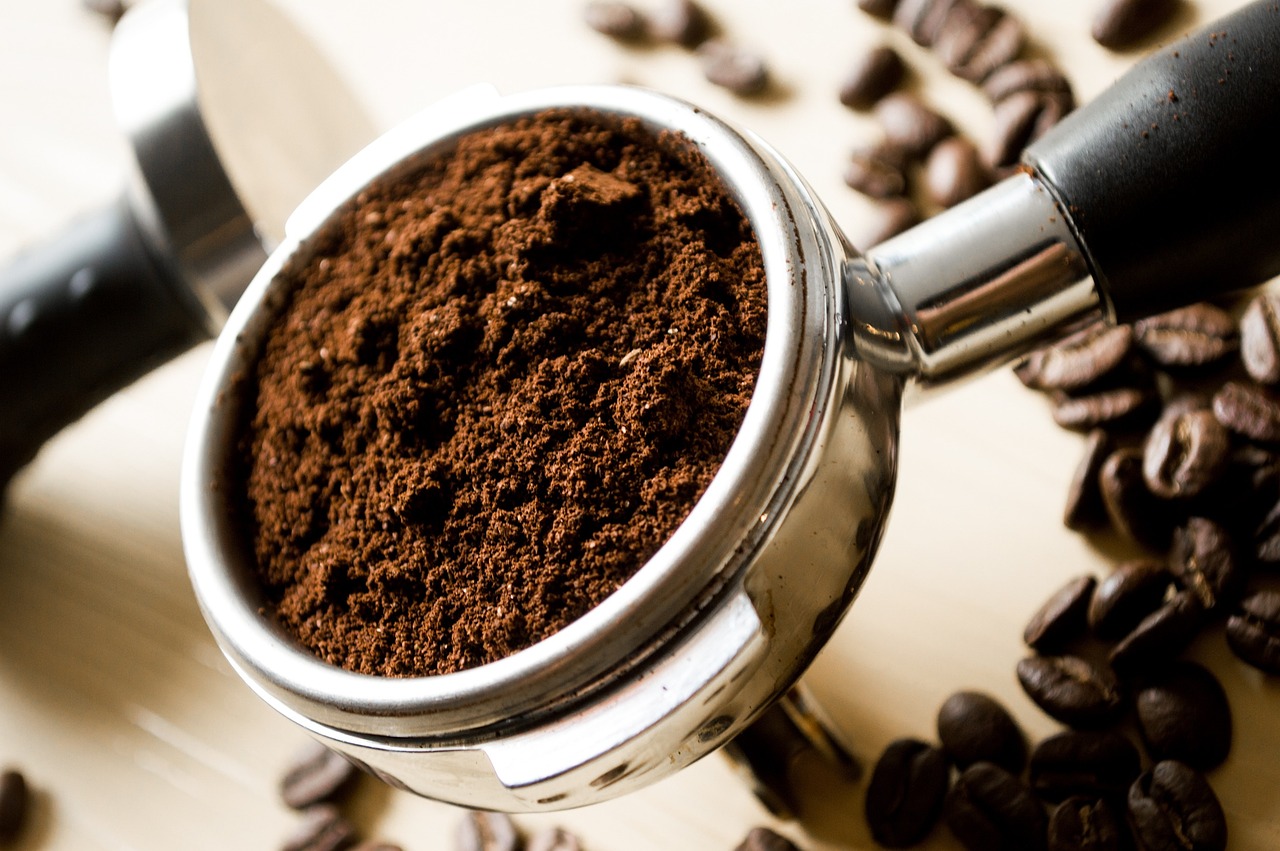
Fine grind feels like table salt or slightly finer. This is the gold standard for espresso machines, where pressurized water passes through tightly packed grounds in seconds. The fine particles create the resistance needed for proper espresso extraction, producing rich crema and concentrated flavor. AeroPress with short brew times also works well with fine grinds, as do Moka pots that use pressure-based extraction.
Medium-Fine Grind: Versatile and Balanced
Medium-fine grind has a texture similar to fine sand or granulated sugar. This versatile grind works excellently for pour-over methods like Hario V60, Kalita Wave, and cone-shaped drippers. The particle size allows water to flow through at an ideal rate, typically achieving full extraction in 2.5 to 3.5 minutes. This grind size also suits AeroPress with longer brew times and siphon coffee makers.
Medium Grind: The Universal Standard
Medium grind resembles regular sand or coarse sea salt. This is the most common grind size and works as a starting point for many brewing methods. Drip coffee makers and flat-bottom pour-over brewers like the Melitta produce excellent results with medium grind. The balanced particle size allows for even extraction during the typical 4-6 minute brew cycle of automatic drip machines.
Medium-Coarse Grind: Specialty Applications
Medium-coarse grind has a texture like coarse sand or rough pebbles. This grind excels with Chemex brewers and café solo devices. The slightly larger particles prevent over-extraction during longer brew times while still allowing sufficient contact for full flavor development. This grind also works well with certain cold brew methods that use shorter steeping times.
Coarse Grind: Immersion Brewing Champion
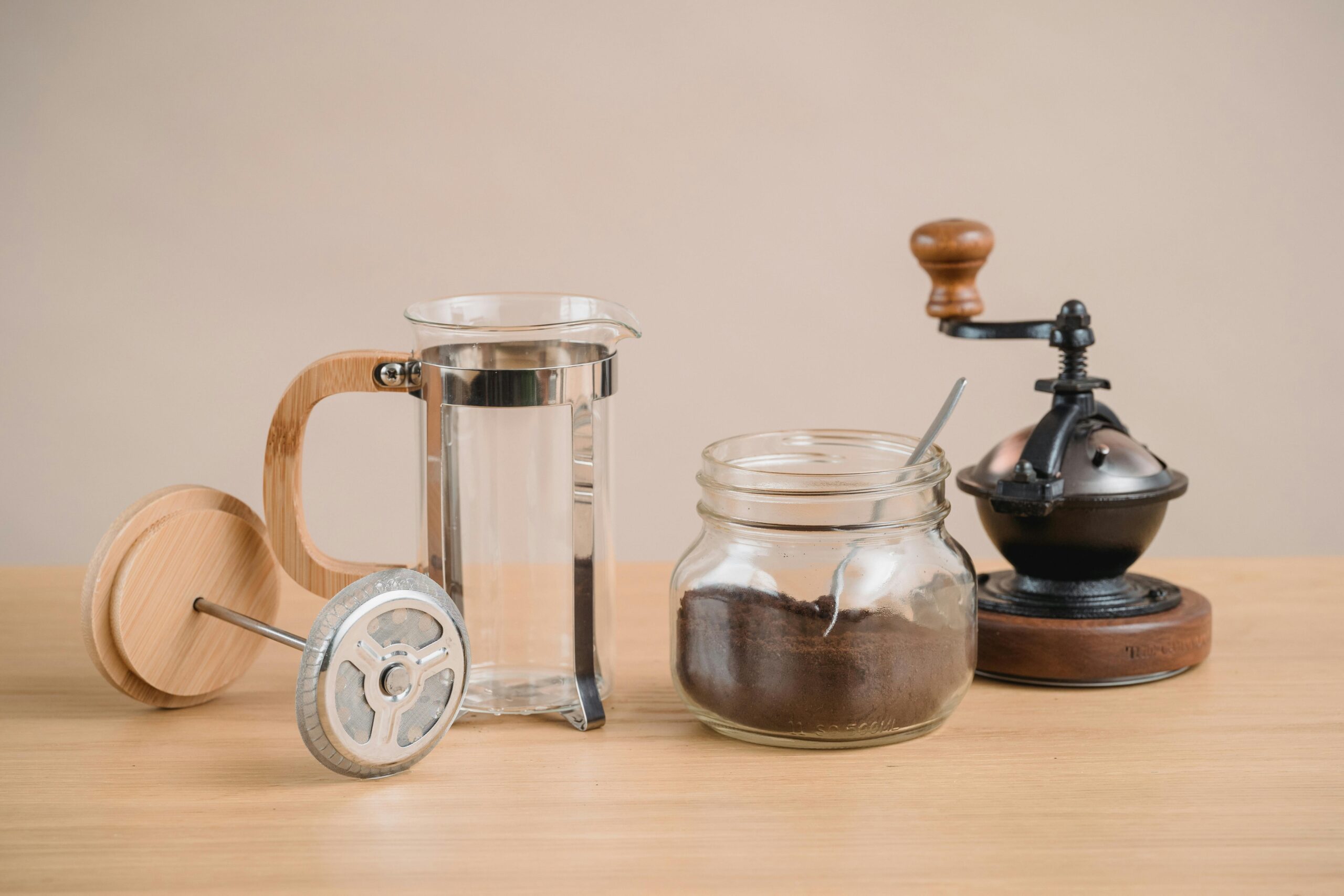
Coarse grind resembles kosher salt or cracked peppercorns. French press coffee requires this grind size to prevent grounds from passing through the metal filter while avoiding over-extraction during the 4-minute steep. Percolators also benefit from coarse grinds, as do cupping sessions where professionals evaluate coffee quality. The large particles ensure clean cups without sediment.
Extra Coarse Grind: Cold Brew Specialist
Extra coarse grind consists of large, distinct particles similar to cracked whole peppercorns. This grind is specifically designed for cold brew coffee, where grounds steep in cold water for 12-24 hours. The extended contact time would cause severe over-extraction with finer grinds. Extra coarse particles allow cold water to slowly extract smooth, sweet flavors without bitterness or acidity.
🎯 Matching Grind Size to Your Brewing Method
Achieving coffee perfection requires pairing the correct grind size with your chosen brewing method. This alignment ensures optimal extraction and flavor balance. Here’s a detailed breakdown of the best grind sizes for popular brewing techniques:
| Brewing Method | Optimal Grind Size | Brew Time |
|---|---|---|
| Turkish Coffee | Extra Fine | 2-4 minutes |
| Espresso Machine | Fine | 25-30 seconds |
| Moka Pot | Fine | 4-5 minutes |
| AeroPress (short) | Fine to Medium-Fine | 1-2 minutes |
| Pour-Over Cone | Medium-Fine | 2.5-3.5 minutes |
| Drip Coffee Maker | Medium | 4-6 minutes |
| Chemex | Medium-Coarse | 4-5 minutes |
| French Press | Coarse | 4 minutes |
| Cold Brew | Extra Coarse | 12-24 hours |
⚙️ Choosing the Right Coffee Grinder
Your grinder quality matters as much as grind size selection. Inconsistent particle sizes lead to uneven extraction where some grounds are over-extracted while others remain under-extracted. This results in muddy, unbalanced flavors that mask your coffee’s true potential.
Blade Grinders: Budget-Friendly but Inconsistent
Blade grinders use spinning blades to chop coffee beans, similar to a blender. These affordable grinders produce inconsistent particle sizes, creating a mix of fine powder and large chunks. While suitable for beginners or occasional coffee drinkers, blade grinders limit your ability to achieve precise grind sizes and consistent results. They work best for coarse grinds used in French press.
Burr Grinders: The Professional Standard
Burr grinders crush beans between two abrasive surfaces (burrs) set at specific distances apart. This mechanism produces uniform particle sizes critical for quality coffee extraction. Burr grinders come in two types: flat burrs and conical burrs. Both deliver superior consistency compared to blade grinders, with adjustable settings for precise grind size control.
Flat burr grinders feature two parallel rings with angled teeth that grind beans horizontally. They excel at producing uniform particles ideal for espresso and pour-over methods. Conical burr grinders use cone-shaped burrs inside a hollow outer burr, grinding beans vertically. They tend to run quieter and retain less heat, making them popular for home use.
Manual vs Electric Grinders
Manual grinders require physical effort but offer portability, affordability, and quiet operation. They’re perfect for travel, small spaces, or those who enjoy the ritualistic aspect of hand-grinding. Manual burr grinders can produce excellent results comparable to electric models, though they require time and arm strength.
Electric burr grinders provide convenience and speed, grinding beans in seconds with consistent results. Quality electric grinders offer numerous grind settings, allowing precise adjustments for different brewing methods. They range from affordable home models to commercial-grade machines with stepless adjustment and advanced features.
🔬 Troubleshooting Common Grind Size Problems
Even experienced coffee enthusiasts encounter extraction issues. Learning to identify problems and adjust grind size accordingly elevates your brewing skills and ensures consistently delicious coffee.
Signs Your Coffee is Under-Extracted
Under-extracted coffee tastes sour, salty, or weak with thin body and lack of sweetness. This occurs when water passes through grounds too quickly, failing to extract sufficient flavors and compounds. The solution involves using a finer grind size to increase surface area and slow water flow, allowing more complete extraction.
Other causes of under-extraction include water temperature that’s too low, insufficient brew time, or using too few coffee grounds. However, grind size adjustment is often the most effective correction. If your pour-over finishes in under 2 minutes or espresso flows too quickly (under 20 seconds), grind finer.
Signs Your Coffee is Over-Extracted
Over-extracted coffee tastes bitter, astringent, or hollow with harsh aftertaste and dry mouthfeel. This happens when water contacts grounds too long, extracting undesirable compounds along with pleasant flavors. The remedy involves using a coarser grind to decrease surface area and speed up water flow, limiting extraction.
Additional over-extraction causes include water temperature that’s too high, excessive brew time, or using too much coffee. If your pour-over takes longer than 4 minutes or espresso drips slowly (over 40 seconds), grind coarser. French press coffee that tastes overly bitter benefits from slightly coarser grounds.
Dealing with Inconsistent Extraction
Inconsistent extraction produces simultaneously sour and bitter notes, indicating uneven particle sizes. Some particles over-extract while others under-extract. Upgrading to a burr grinder solves this problem by producing uniform particles. Additionally, ensuring your grinder burrs are clean and sharp maintains consistency over time.
💡 Pro Tips for Grind Size Mastery
Taking your coffee game to the next level requires attention to details beyond basic grind size knowledge. These professional techniques help you achieve café-quality results at home.
Grind Fresh, Brew Immediately
Coffee begins losing flavor immediately after grinding as increased surface area accelerates oxidation. Pre-ground coffee loses aromatic compounds within minutes, with significant degradation occurring within 30 minutes. For maximum flavor and aroma, grind beans immediately before brewing. This single practice makes the most dramatic improvement in coffee quality.
Adjust for Bean Freshness and Roast Level
Freshly roasted beans (within 2 weeks of roast date) may require slightly coarser grinds as they release more CO2 during brewing, which can slow water flow. Older beans lose gas and may benefit from finer grinds. Darker roasts are more porous and extract faster than light roasts, often requiring coarser grinds to prevent bitterness.
Control Your Variables
Consistent, repeatable results require controlling multiple variables beyond grind size. Use the same coffee-to-water ratio, water temperature, and brew time while changing only grind size. This scientific approach allows you to identify exactly how grind adjustments affect your specific setup and preferences.
Keep Detailed Brewing Notes
Documenting your brewing parameters helps you replicate successes and learn from failures. Record coffee origin, roast date, grind setting, coffee dose, water amount, brew time, and tasting notes. Over time, these records reveal patterns and preferences that guide your coffee journey toward consistent excellence.
Clean Your Grinder Regularly
Coffee oils and fine particles accumulate in grinder burrs, affecting performance and flavor. Old coffee residue turns rancid, tainting fresh grounds with stale, off-flavors. Clean your grinder monthly by disassembling burrs and brushing away accumulated coffee. Some grinders benefit from specialized cleaning pellets that absorb oils and remove buildup.
🌟 Experimenting to Find Your Perfect Grind
Coffee preferences are subjective, and your perfect grind size might differ from standard recommendations. The guidelines provided serve as starting points for exploration rather than rigid rules. Trust your palate and adjust based on personal taste preferences.
Start with the recommended grind size for your brewing method, then make small adjustments in one direction. If coffee tastes too bitter or slow to brew, grind slightly coarser. If it tastes sour or weak, grind slightly finer. Make incremental changes, as small adjustments create noticeable differences in extraction and flavor.
Different coffee origins and processing methods respond uniquely to grind size adjustments. Ethiopian naturals might shine with slightly different extraction than Colombian washed coffees. Single-origin beans showcase terroir characteristics that emerge through careful grind optimization. Blends designed for specific brewing methods may require less adjustment than experimental single origins.
🚀 Elevating Your Coffee Ritual
Mastering grind size represents just one element of coffee excellence, but it’s arguably the most impactful variable under your control. The difference between mediocre and exceptional coffee often comes down to proper grinding technique and understanding extraction principles.
Investing in quality equipment, particularly a good burr grinder, pays dividends in every cup you brew. The ability to adjust grind size precisely transforms your relationship with coffee, enabling exploration of different origins, roasts, and brewing methods. What begins as a practical skill evolves into an engaging hobby that deepens appreciation for coffee’s complexity.
Remember that coffee brewing combines science and art. While understanding extraction theory and grind size principles provides the foundation, personal experimentation and sensory evaluation make brewing enjoyable and rewarding. Don’t fear making mistakes—every imperfect cup teaches valuable lessons that inform future brewing decisions.
The journey toward coffee mastery is ongoing, with endless opportunities to refine technique, discover new coffees, and share experiences with fellow enthusiasts. Your dedication to understanding grind size demonstrates commitment to quality that elevates ordinary mornings into extraordinary experiences. Each perfectly extracted cup confirms that attention to detail matters, and small adjustments create significant improvements in flavor, aroma, and satisfaction.
Now armed with comprehensive grind size knowledge, you possess the tools to unlock bold flavors and perfect your personal coffee experience. Whether you’re pulling espresso shots, brewing pour-over, or steeping French press, proper grinding technique ensures that your coffee reaches its full potential, delivering the complex, balanced flavors that make specialty coffee truly special. Happy brewing! ☕