Every coffee enthusiast knows that consistency is the secret ingredient to brewing exceptional coffee. Yet one of the most overlooked variables in home brewing is grind size drift—a subtle but critical factor that can transform your perfect cup into a disappointing experience.

Your grinder’s performance changes over time, affecting particle size distribution and extraction quality. Understanding and tracking these shifts empowers you to maintain brewing excellence regardless of equipment age, bean type, or environmental conditions. Let’s explore how mastering grind size drift monitoring elevates your coffee game to professional levels.
☕ What Exactly Is Grind Size Drift?
Grind size drift refers to the gradual or sudden changes in particle size output from your coffee grinder over time. This phenomenon occurs in all grinders, from budget blade models to high-end conical burr systems, though the rate and severity vary significantly based on design and usage patterns.
When you first calibrate your grinder to produce medium-fine grounds for your pour-over, the settings deliver predictable results. However, as burrs wear down, coffee oils accumulate, or alignment shifts occur, those same settings may produce increasingly finer or coarser particles than intended.
This drift directly impacts extraction rates. Finer grounds increase surface area exposure to water, leading to over-extraction with bitter, astringent notes. Conversely, coarser drift results in under-extraction, producing sour, weak coffee lacking body and complexity. The difference between magical and mediocre often measures in mere microns.
The Science Behind Particle Consistency
Coffee extraction follows predictable scientific principles. Water dissolves soluble compounds from ground coffee at rates determined by particle size, water temperature, contact time, and turbulence. Grind size serves as the primary variable you control directly.
Research published in the Journal of Food Science demonstrates that even 50-micron variations in average particle size can alter extraction percentages by 2-3%. For context, the difference between espresso and drip grind typically spans 300-500 microns. This sensitivity explains why drift matters immensely for quality-focused brewers.
🔍 Identifying Grind Size Drift in Your Setup
Recognizing drift early prevents weeks of suboptimal brewing. Several indicators signal that your grinder’s output has shifted from its baseline performance.
Taste Profile Changes
Your palate provides the first line of defense. If your regular morning brew suddenly tastes more bitter, astringent, or harsh despite using the same beans, recipe, and technique, suspect finer drift. Conversely, unexpected sourness, weakness, or lack of sweetness suggests coarser drift.
Professional tasters train to detect these nuances, but any attentive coffee drinker can notice when familiar flavors disappear or unpleasant characteristics emerge without apparent cause.
Brew Time Variations
For immersion methods like French press, extraction time remains constant while flavor changes reveal drift. However, percolation methods like pour-over and espresso offer additional telltale signs through flow rate changes.
If your pour-over suddenly completes 30 seconds faster with the same technique, coarser drift is likely. Slower draining indicates finer particles clogging the filter bed. Espresso provides even more dramatic feedback—shots that previously pulled in 28 seconds might suddenly rush through in 20 or choke at 40 seconds.
Visual Inspection
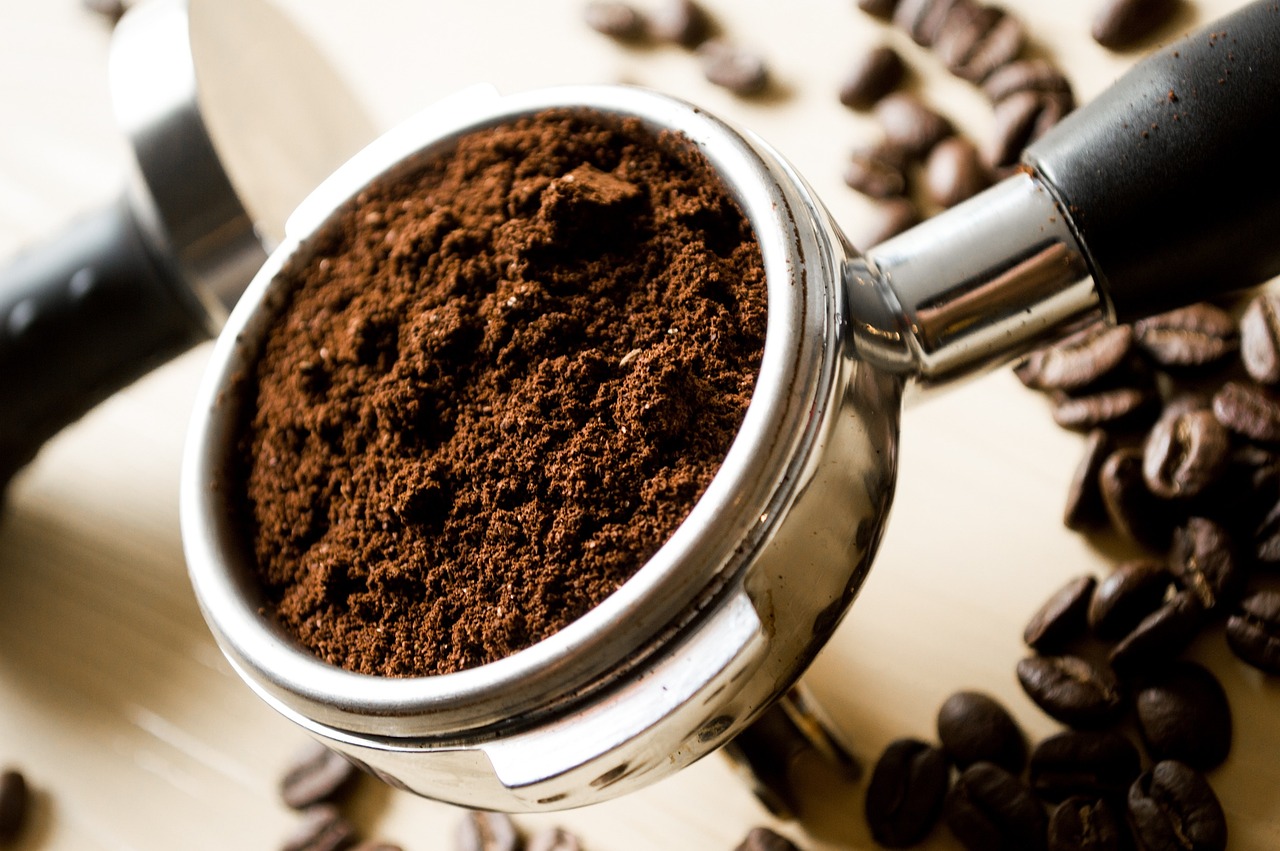
Examining ground coffee reveals useful information. Compare fresh grounds against reference photos taken when your grinder performed optimally. Look for uniformity in particle size distribution. Excessive fines (powder-like particles) or boulders (large chunks) indicate inconsistent grinding that typically worsens as burrs wear.
📊 Systematic Tracking Methods That Actually Work
Casual observation helps, but systematic tracking provides actionable data for maintaining consistency. Implementing even basic monitoring protocols dramatically improves your brewing reliability.
The Daily Brew Journal Approach
Maintain a simple log recording date, coffee origin, grinder setting, dose, brew time, and tasting notes. This five-minute daily habit creates a timeline revealing drift patterns before they severely impact quality.
Note deviations from expected brew times with particular attention. A pour-over that consistently completed in 3:30 now finishing at 3:00 suggests drift. When you spot three consecutive days showing similar variance, adjust grinder settings and document the change.
Objective Measurement Tools
Serious enthusiasts invest in measurement tools that remove subjectivity. Refractometers measure total dissolved solids (TDS), providing extraction percentage data. When TDS readings creep upward despite consistent recipes, finer drift is occurring. Dropping TDS values indicate coarser grinding.
Laser particle size analyzers represent the gold standard for commercial operations but cost thousands of dollars. Home brewers can approximate results using graduated sieves that separate grounds into size categories, revealing distribution changes over time.
The Reference Batch Method
Periodically grind a reference batch using fresh beans of a consistent variety you know intimately. Compare these grounds against samples from previous reference batches stored in airtight containers. Visual and tactile differences become apparent even without sophisticated equipment.
Photograph reference batches on white paper with a ruler for scale. These images create a visual database documenting your grinder’s evolution, making drift unmistakable when comparing current output to six-month-old references.
⚙️ Understanding Your Grinder’s Drift Patterns
Different grinder types exhibit characteristic drift patterns based on their mechanical design and wear patterns.
Burr Grinders: Predictable Wear Trajectory
Conical and flat burr grinders represent the standard for quality-focused brewing. Both experience gradual burr dulling that typically produces finer drift over hundreds of pounds of coffee. Sharp burrs shatter beans cleanly; dull burrs increasingly crush rather than cut, creating more fines.
Flat burrs generally wear more uniformly but faster than conical designs due to greater surface contact. Conical burrs last longer but may develop uneven wear patterns causing inconsistency before overall dullness becomes apparent.
Blade Grinders: Chaos Theory
Blade grinders create particle size through repetitive chopping rather than consistent cutting. Their “drift” manifests as unpredictability rather than gradual change. Blade sharpness affects results, but so does bean batch size, moisture content, and even how you shake the unit during grinding.
If you’re using blade grinders, systematic tracking becomes even more critical. Record grind time rather than settings, and maintain obsessive consistency in technique to minimize natural variability.
Environmental Factors Affecting Grind
Temperature and humidity influence how beans fracture during grinding. Summer humidity causes beans to absorb moisture, grinding slightly finer than the same settings produce in dry winter conditions. Temperature affects burr expansion in high-precision grinders.
Track environmental conditions alongside brewing data if you live in climates with significant seasonal variation. You may discover patterns requiring setting adjustments beyond simple drift compensation.
🔧 Compensation Strategies for Optimal Extraction
Once you’ve identified drift, systematic compensation restores brewing consistency without requiring expensive equipment replacement.
Dialing In Your Adjustments
When drift becomes apparent, adjust grinder settings incrementally—typically one or two notches on stepped grinders, or 5-10 degrees of rotation on stepless models. Brew a test batch and evaluate results before committing to the new setting.
Document each adjustment in your brewing journal. Over time, you’ll recognize patterns like “grinder requires one notch coarser every 20 pounds of coffee” that enable proactive rather than reactive adjustments.
Calibration Routines
Schedule monthly calibration sessions using a consistent coffee and brewing method you know intimately. Brew identical recipes and evaluate whether results match your quality standard. If deviations appear, perform systematic adjustments until excellence returns.
Professional cafes calibrate daily, sometimes multiple times per shift. Home brewers benefit from at least monthly attention, with weekly checks during periods of heavy use or after grinding particularly oily or hard beans.
🛠️ Maintenance Practices That Minimize Drift
Preventive maintenance extends the intervals between necessary adjustments and preserves grinder longevity.
Regular Cleaning Protocols
Coffee oils coat burrs, creating buildup that narrows the gap between cutting surfaces and effectively makes grinding finer. Weekly cleaning with grinder-safe brushes removes this accumulation. Monthly deep cleaning with specialized tablets or rice (for less expensive grinders) provides more thorough restoration.
Never use water on burr grinders unless manufacturer specifications explicitly permit it. Moisture causes coffee residue to cement into place and may rust metal components.
Burr Replacement Timing
Consumer-grade burrs typically require replacement after 500-1000 pounds of coffee, depending on quality and bean hardness. Commercial grinders in high-volume settings need attention after 1500-2000 pounds. If drift compensation becomes excessive—requiring maximum coarseness settings for medium grinds—replacement time has arrived.
Mark burr installation dates and maintain running tallies of coffee quantity ground. This simple practice eliminates guesswork about replacement timing.
Proper Bean Selection
Extremely oily dark roasts accelerate buildup requiring more frequent cleaning. Very light roasts with dense bean structure wear burrs faster. Medium roasts represent the sweet spot for longevity, though you shouldn’t sacrifice your flavor preferences for marginal equipment preservation.
📈 Advanced Tracking for Coffee Perfectionists
Enthusiasts seeking ultimate consistency can implement sophisticated tracking protocols that provide unprecedented control over coffee quality.
Statistical Process Control
Borrowed from manufacturing quality systems, statistical process control (SPC) applies to coffee brewing. Create control charts plotting key metrics like extraction time, TDS, and extraction percentage over weeks and months. Statistical analysis reveals whether variation falls within normal ranges or indicates significant drift requiring intervention.
SPC sounds intimidating but requires only basic spreadsheet skills. The insights gained justify the modest effort, especially for those purchasing premium specialty coffees where every cup matters.
Multi-Variable Correlation Analysis
Advanced trackers record comprehensive data: ambient temperature, humidity, bean age, grinder setting, dose, water temperature, extraction time, TDS, and sensory scores. Correlation analysis reveals which variables most significantly impact results in your specific setup.
You might discover that humidity affects your results more than grind size drift, or that bean age interacts with extraction time in unexpected ways. These insights enable targeted interventions rather than guesswork.
🌟 Real-World Success Stories
Understanding drift’s impact transforms from theoretical knowledge to practical advantage when you see results in your daily brewing.
Home barista Jennifer from Portland implemented simple tracking after noticing her morning espresso tasted increasingly bitter. Her log revealed that over three weeks, extraction times dropped from 28 to 22 seconds despite unchanged settings. Two notches coarser on her grinder restored the 28-second sweet spot and flavor balance she loved. Total investment: five minutes creating a spreadsheet and 30 seconds daily logging data.
Coffee shop owner Marcus in Austin tracked grind drift across four grinders serving different purposes. He discovered that his espresso grinder drifted finer predictably every 50 pounds, while his batch brew grinder remained stable for 200 pounds before requiring adjustment. This knowledge enabled proactive calibration before customers noticed quality changes, protecting his shop’s reputation.
💡 Your Action Plan for Drift Mastery
Implementing drift tracking doesn’t require expensive equipment or time-consuming protocols. Start simple and expand as benefits become apparent.
Begin with basic daily logging: date, grinder setting, brew time, and whether the cup met expectations. This minimal commitment provides valuable trend data within two weeks. Add TDS measurement if you’re inclined toward precision, or stick with sensory evaluation if you trust your palate.
Schedule monthly calibration sessions marked on your calendar. Use consistent beans and recipes to eliminate variables. Compare results against your standards and adjust settings as needed, documenting all changes.
Maintain your grinder weekly with brush cleaning and monthly with deep cleaning protocols. Mark burr installation dates and track approximate coffee quantities ground to anticipate replacement needs.
Photography proves surprisingly powerful—monthly reference photos of ground coffee reveal drift patterns that gradual daily changes mask. Compare current grinds against images from three or six months prior to see differences that accumulated imperceptibly.
🎯 The Consistency Payoff
Coffee brewing rewards attention to detail. While bean quality, water chemistry, and technique matter enormously, grind size consistency underpins everything else. The finest beans and most precise brewing methods cannot compensate for unpredictable particle sizes.
Tracking drift transforms coffee preparation from hopeful ritual into predictable craft. You’ll waste less coffee troubleshooting mysterious quality drops. Premium beans receive the consistency they deserve. Most importantly, you’ll enjoy confidence that today’s cup will match yesterday’s excellence.
Grind size drift is inevitable in all coffee grinders. The question isn’t whether your equipment drifts, but whether you’re monitoring and compensating effectively. Armed with systematic tracking methods and compensation strategies, you control this variable rather than letting it control your coffee quality.
Start today with simple observation and basic logging. Your future self—enjoying consistently perfect coffee months from now—will thank you for the small investment in systematic quality control. Master your brew by mastering grind drift, and never settle for unpredictable coffee again.