Traveling shouldn’t mean compromising on your daily coffee and tea rituals. Whether you’re a digital nomad, frequent flyer, or weekend adventurer, mastering water preparation techniques ensures consistently delicious beverages wherever your journey takes you.

The quality of your brew depends heavily on water temperature, mineral content, and preparation method. Understanding how to optimize these factors while traveling transforms mediocre hotel room beverages into café-quality experiences that fuel your adventures and comfort your soul.
☕ Why Water Quality Makes or Breaks Your Travel Beverages
Water comprises over 98% of your coffee or tea, making it the foundation of flavor. Different regions have vastly different water profiles, from mineral-rich European tap water to chlorine-heavy North American supplies. These variations dramatically affect extraction, taste, and aroma in ways most travelers never consider.
Hard water with high mineral content can make coffee taste flat or create a chalky residue in tea. Conversely, overly soft water may produce under-extracted, sour coffee or weak tea. Understanding your destination’s water characteristics allows you to adjust your brewing parameters accordingly.
Temperature stability is equally critical. Coffee extracts optimally between 195-205°F (90-96°C), while different teas require specific temperatures ranging from 160°F for delicate white teas to 212°F for robust black varieties. Achieving precision without your home equipment requires creative problem-solving.
🌍 Portable Water Heating Solutions for Every Travel Style
Compact travel kettles have revolutionized beverage preparation for travelers. Modern collapsible silicone kettles fold to pocket size yet boil water in minutes using international voltage adapters. Look for dual-voltage models (110-240V) that work globally without converters, preventing blown fuses and ruined mornings.
Immersion heaters offer an ultra-lightweight alternative, weighing mere ounces while heating water directly in your mug. These simple devices work anywhere with electrical outlets, though they require vigilance to prevent overheating or burning out. Always use them in heat-resistant containers and never leave them unattended.
Battery-Powered and USB-Heated Options
For true portability without electrical dependence, battery-powered travel mugs with built-in heating elements provide freedom. These innovative vessels maintain precise temperatures for hours, perfect for long flights, remote hikes, or destinations with unreliable electricity. USB-heated options work with power banks, solar chargers, or laptop ports.
Portable espresso makers like the Wacaco or similar manual devices use hot water you heat separately, creating genuine espresso with hand-pump pressure. Paired with a reliable heating method, these tools deliver exceptional coffee in remarkably remote locations, from mountain peaks to desert camps.
💧 Water Filtration Techniques for Safer, Better-Tasting Brews
Portable water filters aren’t just for hiking—they’re essential for improving beverage quality worldwide. Activated carbon filters remove chlorine, sediment, and organic compounds that muddy flavors. Compact filter bottles with replaceable cartridges fit easily in carry-on luggage while processing questionable water into brew-worthy quality.
Straw-style filters like LifeStraw provide emergency purification when you’re uncertain about water safety. While primarily designed for bacterial and protozoan removal, they also improve taste by filtering particulates. These lightweight tools offer peace of mind in developing regions where water quality varies dramatically.
Chemical Treatment and Mineral Balancing
Water purification tablets eliminate pathogens but often leave chemical aftertastes that compromise delicate teas. Allow treated water to sit with activated carbon or vitamin C tablets to neutralize residual chlorine or iodine flavors before brewing. This extra step takes minutes but makes substantial quality differences.
Mineral drops allow you to customize water profiles for optimal extraction. Professional roasters know specific mineral ratios enhance coffee sweetness and clarity. Portable mineral solutions let you recreate ideal conditions anywhere, compensating for overly soft or hard local water supplies.
🔥 Creative Heat Sources When Electricity Isn’t Available
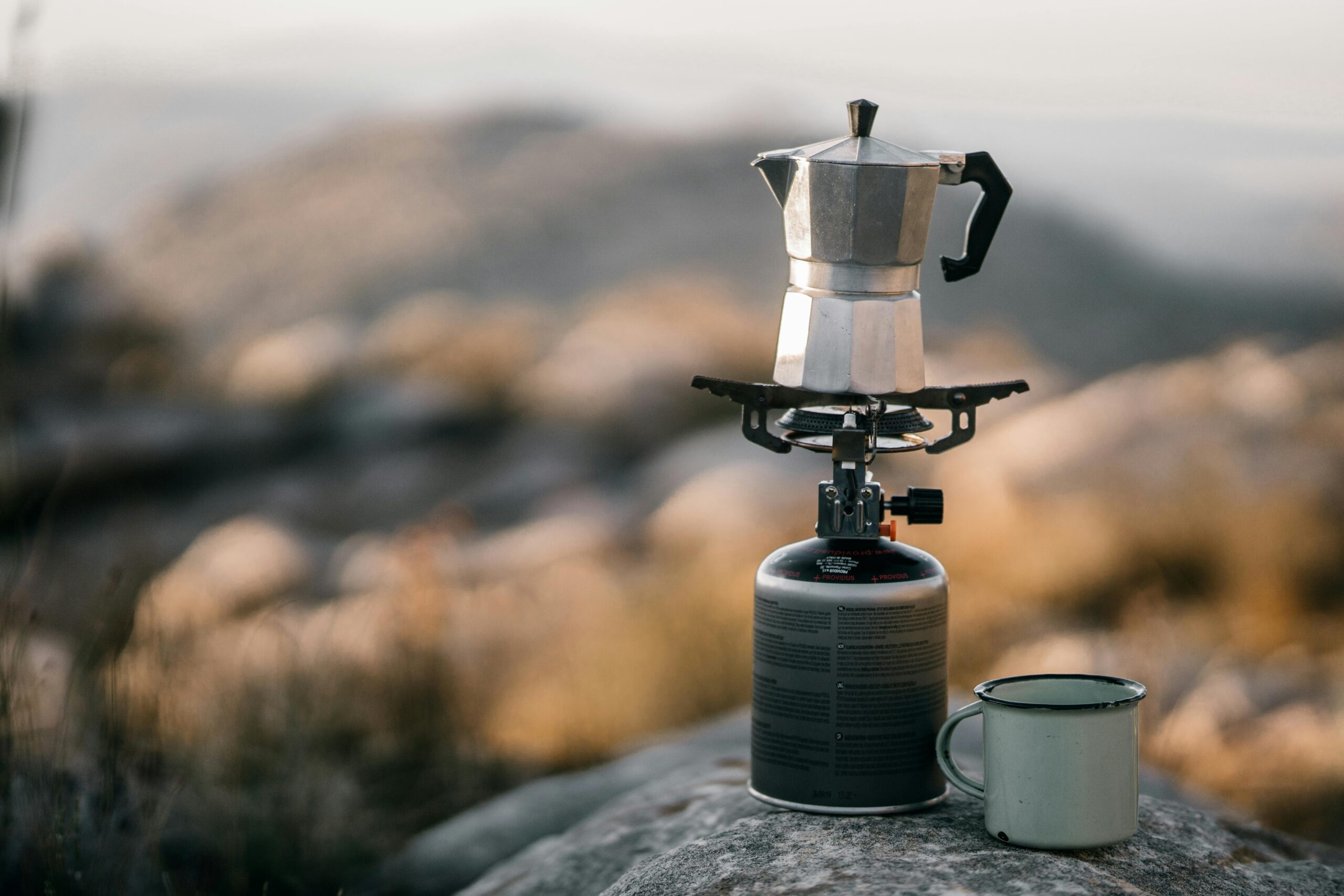
Outdoor enthusiasts know portable camping stoves aren’t just for wilderness—they’re backup solutions for power outages, remote accommodations, or outdoor adventures. Modern canister stoves weigh ounces, boil water in minutes, and pack smaller than a water bottle. Always use them outdoors or in well-ventilated spaces to prevent carbon monoxide accumulation.
Flameless ration heaters used by military and emergency services generate heat through chemical reactions with water. These single-use packets heat beverages without flames, smoke, or power, making them ideal for airplane travel, hotel rooms, or situations where open flames are prohibited.
Solar and Alternative Energy Solutions
Solar kettles use concentrated sunlight to boil water without fuel or electricity. While dependent on weather and requiring longer heating times, they offer unlimited brewing capacity in sunny climates. These devices work beautifully for patient travelers in outdoor settings, from beaches to desert expeditions.
Car charger kettles plug into vehicle accessory outlets, perfect for road trips or overlanding adventures. These 12V kettles heat water while driving, ensuring hot beverages await at every rest stop without depleting your vehicle battery when used properly.
🎒 Packing the Perfect Travel Coffee and Tea Kit
Strategic packing maximizes brewing quality while minimizing luggage weight and space. Start with a titanium or stainless steel insulated bottle that maintains temperature for hours while serving as a brewing vessel. These multi-purpose containers eliminate redundant items and survive rough handling that destroys glass or ceramic alternatives.
Pre-portion your favorite coffee or loose-leaf tea into small containers or reusable sachets. This preparation prevents measuring hassles while traveling and protects product freshness better than opened bags exposed to varying humidity and temperatures. Vacuum-sealed portions extend shelf life considerably.
Essential Tools That Earn Their Space
A compact digital thermometer removes guesswork from water temperature, crucial for proper extraction. Instant-read models cost little, weigh nothing, and dramatically improve consistency. This single tool prevents over-extracted bitter coffee or under-extracted weak tea regardless of your heating method.
Collapsible silicone pour-over drippers pack flat yet deliver excellent coffee using the trusted manual method. Paired with paper filters or a reusable metal filter, these versatile tools work anywhere you can boil water. The slow extraction process also serves as a calming morning ritual during hectic travels.
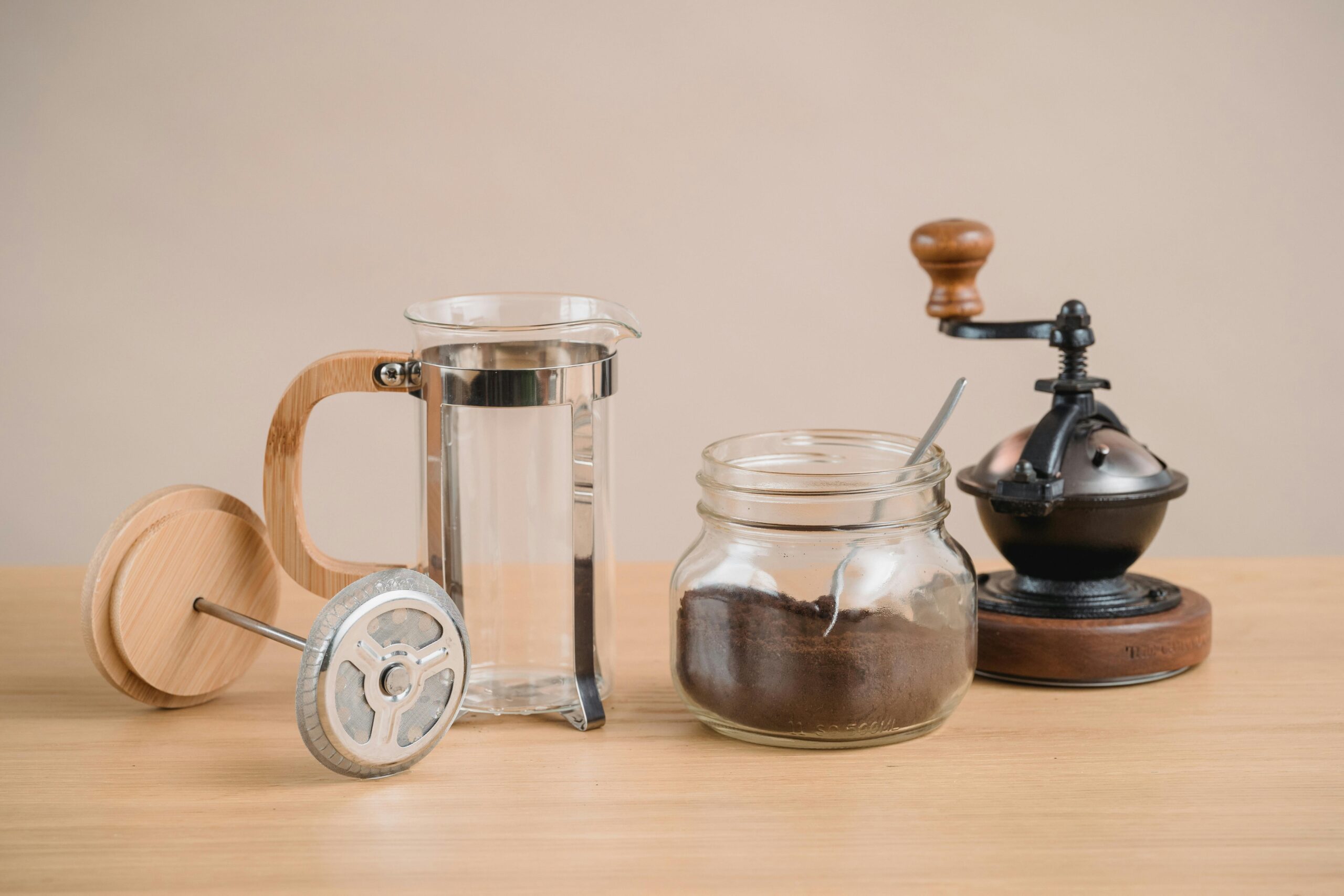
French press travel mugs combine brewing and drinking vessels into one leakproof container. These ingenious designs let you steep coffee or tea perfectly, then press and drink directly. Look for double-walled insulated versions that maintain temperature while protecting hands from burns.
🌡️ Mastering Temperature Control Without Fancy Equipment
When precision kettles aren’t available, reliable temperature estimation techniques ensure proper brewing. After boiling water, let it rest specific durations to reach target temperatures: 30 seconds reaches approximately 205°F, one minute drops to 195°F, and two minutes cools to around 185°F. Altitude and ambient temperature affect these times, so calibrate with a thermometer initially.
The traditional Chinese “cooling method” involves pouring boiling water between containers to reduce temperature while aerating. Each transfer drops temperature roughly 10-15°F while releasing chlorine and improving water structure. This ancient technique works beautifully when modern tools aren’t accessible.
Maintaining Heat During Extended Steeping
Insulated cozies made from neoprene or wool maintain brewing temperature during steeping, especially important in cold climates or air-conditioned hotels. These simple accessories cost little, weigh nothing, and significantly improve extraction consistency. Wrap them around any brewing vessel for better heat retention.
Pre-warming your brewing vessel and drinking cup with hot water prevents thermal shock that drops temperature dramatically. This professional barista technique matters even more when traveling, where ambient temperatures and thin-walled hotel cups conspire against maintaining optimal brewing conditions.
🚰 Navigating Regional Water Differences Around the World
European water typically contains higher mineral content than American sources, affecting extraction differently. The United Kingdom’s hard water suits strong breakfast teas perfectly but can make coffee taste heavy. Adjusting your coffee grind slightly coarser compensates for increased extraction efficiency in mineral-rich water.
Asian destinations often provide hot water dispensers in hotels specifically for tea preparation. These convenient sources maintain consistent temperatures ideal for green and oolong teas but may run too hot for delicate varieties. Let dispenser water cool briefly or dilute with room-temperature filtered water for proper temperatures.
Dealing with Chlorine and Chemical Treatments
North American municipal water often contains noticeable chlorine levels that destroy subtle tea flavors and create harsh coffee notes. Letting water sit uncovered for 30 minutes allows chlorine to dissipate naturally. Alternatively, vitamin C tablets instantly neutralize chlorine through chemical reaction without affecting taste.
Some regions use chloramine instead of chlorine for water treatment. This compound doesn’t dissipate naturally and requires activated carbon filtration for removal. Invest in a quality portable filter when visiting areas known for chloramine treatment if you’re serious about beverage quality.
✈️ Airplane and In-Flight Brewing Strategies
Commercial aircraft brew beverages with water from onboard tanks that often harbor concerning bacterial levels and stale flavors. Savvy travelers request hot water for tea but brew with their own tea bags rather than airline-provided options. Even better, bring a bottle through security, fill it after checkpoint with filtered water, and heat it using a USB mug warmer.
Instant coffee alternatives have evolved beyond the bitter granules of decades past. Premium freeze-dried single-origin coffees and specialty instant packets deliver surprisingly good results with just hot water. These lightweight solutions eliminate brewing equipment entirely while providing decent caffeine fixes during long flights.
TSA-Friendly Caffeine Solutions
Cold brew concentrate in small containers under 3.4oz passes security screening and dilutes with hot water post-security. This concentrated format provides excellent coffee quality without brewing equipment, perfect for minimalist travelers or those with early departures leaving no time for hotel coffee.
Caffeine gum, mints, and other non-liquid alternatives offer emergency energy without brewing requirements. While not replacing the ritual and enjoyment of proper coffee or tea, these products serve as insurance against situations where brewing becomes impossible or impractical.
🏨 Maximizing Hotel Room Brewing Capabilities
Most hotel coffee makers harbor bacteria and mineral buildup from inadequate cleaning. Before use, run a full cycle with just water, then another with water plus a splash of white vinegar to sanitize and descale. Rinse thoroughly before brewing your precious coffee beans through the now-cleaner system.
Hotel kettles often lack temperature control, boiling water far too hot for optimal coffee or green tea. Pour boiling water into your room-temperature drinking glass, wait measured intervals while checking with your thermometer, and develop timing that works reliably for subsequent brews.
Creative Use of Hotel Amenities
Ice buckets become excellent pour-over stands when inverted, elevating your dripper over your mug at perfect height. The drain holes even prevent water from pooling. This improvised setup works surprisingly well when you’ve forgotten or couldn’t pack a proper stand.
Bathroom cups, while not ideal, can serve as emergency brewing vessels when sanitized properly. Rinse thoroughly with hot water, then let them air dry completely before use. Better yet, pack a collapsible silicone cup that packs flat but provides a clean, taste-neutral brewing option.
🌿 Preserving Coffee and Tea Quality During Travel
Exposure to air, light, moisture, and temperature fluctuations rapidly degrades coffee and tea quality. Vacuum-sealed pouches or airtight containers with one-way valves preserve freshness far better than original packaging. Divide larger quantities into smaller portions to minimize air exposure each time you open a container.
Whole beans stay fresh longer than ground coffee, but grinding while traveling presents challenges. Compact manual grinders deliver fresh grounds anywhere without electricity or noise. These hand-cranked devices produce consistent grinds while providing a meditative morning ritual that enhances the travel experience.
Storage Solutions for Extended Trips
Moisture-absorbing silica gel packets added to tea containers prevent humidity damage in tropical or coastal destinations. These inexpensive insurance policies protect delicate leaves from becoming stale or moldy during weeks-long journeys through varied climates.
Dark, opaque containers shield light-sensitive teas from degradation. Ultraviolet light breaks down compounds responsible for tea’s health benefits and flavor complexity. Even short exposure during travel significantly impacts quality, making proper packaging essential for serious tea travelers.
🔧 Emergency Fixes and Problem-Solving Hacks
Forgot your filter? Paper towels, coffee filters, or even clean cotton fabric can strain grounds from coffee or loose leaves from tea in emergencies. While not ideal, these improvised filters work adequately when proper equipment isn’t available. Rinse fabric thoroughly before use to remove any detergent residue.
Broken kettle or heating element? Boiling water in cooking pots works perfectly, though requires access to stovetops. Many Airbnb rentals and extended-stay hotels provide kitchens where standard cooking equipment serves double duty for beverage preparation.
Salvaging Less-Than-Ideal Water
When stuck with questionable water quality, cold brewing reduces harsh flavors while eliminating temperature requirements entirely. Steep coffee grounds or tea leaves in room-temperature water for 12-24 hours, then strain and enjoy. This method produces smooth, naturally sweet beverages using even mediocre water sources.
Mixing bottled spring water with local tap water balances mineral content when either extreme proves problematic. This blending technique lets you customize water profile toward your preferences using readily available resources.
🌟 Elevating Your Travel Beverage Experience
The ritual of preparing coffee or tea while traveling creates comforting consistency amid unfamiliar surroundings. This daily practice grounds you literally and figuratively, providing familiar sensory experiences that ease travel stress and jet lag while marking the beginning of new adventures.
Sourcing local coffee beans or regional teas transforms your morning ritual into cultural exploration. Visit neighborhood roasters or tea shops, trying varieties you’d never encounter at home. These discoveries often become treasured souvenirs, carrying memories and stories back alongside material goods.
Sharing your brewing setup with fellow travelers or hosts fosters connections and conversations. The simple act of offering someone a properly prepared cup of coffee or tea transcends language barriers and creates genuine moments of hospitality that define meaningful travel experiences.
Perfect coffee and tea anywhere you roam isn’t about packing elaborate equipment or recreating home exactly. It’s understanding water fundamentals, carrying a few essential tools, and adapting creatively to circumstances. These skills transform you from someone dependent on coffee shops into a self-sufficient traveler who starts each day with beverages exactly to your liking, regardless of location or conditions. Master these water hacks, and you’ll never face disappointing drinks during your adventures again.