Water is far more than a simple ingredient in cooking—it’s a silent architect of flavor, texture, and culinary excellence. Understanding how subtle adjustments to water can transform your dishes opens a gateway to mastering taste in ways most home cooks never imagine.

From the minerals dissolved in your tap water to the temperature at which you add it to a recipe, every water-related decision ripples through the final outcome of your culinary creations. Professional chefs have long understood these nuances, and now it’s time to bring this knowledge into every kitchen.
💧 The Hidden Chemistry Behind Water and Flavor
Water comprises up to 90% of many dishes, yet we rarely consider its chemical composition. The minerals present in water—calcium, magnesium, sodium, and others—interact with ingredients in complex ways that fundamentally alter taste profiles and texture outcomes.
Hard water, rich in calcium and magnesium, affects how proteins denature during cooking. When making bread, hard water strengthens gluten networks, creating chewier textures. Conversely, soft water produces more tender baked goods but can result in sticky doughs that are challenging to work with.
The pH level of water also plays a crucial role in flavor development. Slightly alkaline water enhances the Maillard reaction—the chemical process responsible for browning and developing complex flavors in roasted meats, baked goods, and caramelized vegetables. Meanwhile, acidic water can preserve vibrant colors in vegetables but may interfere with certain chemical reactions.
Understanding Water Hardness Levels
Water hardness is measured in parts per million (ppm) or grains per gallon (gpg). Knowing your water’s hardness helps you anticipate how it will behave in different culinary applications:
- Soft water: 0-60 ppm (0-3.5 gpg) – ideal for coffee, tea, and delicate sauces
- Moderately hard: 61-120 ppm (3.5-7 gpg) – versatile for most cooking applications
- Hard water: 121-180 ppm (7-10.5 gpg) – excellent for bread making and pasta
- Very hard: 181+ ppm (10.5+ gpg) – may require softening for certain recipes
🍲 Temperature Precision: The Game-Changing Variable
Water temperature is perhaps the most accessible yet underutilized tool in flavor manipulation. The same ingredient behaves dramatically differently depending on whether it encounters cold, warm, or boiling water.
When making stocks and broths, starting with cold water allows proteins to dissolve gradually, creating clearer, more refined liquids. Hot water causes proteins to coagulate quickly, trapping impurities and resulting in cloudy, sometimes bitter stocks.
For vegetables, the temperature of cooking water determines nutrient retention and texture. Quick blanching in vigorously boiling water preserves color, crunch, and vitamins. Gentle simmering in cooler water breaks down fiber more gradually, creating softer, more mellow results perfect for purees and soups.
Strategic Temperature Applications
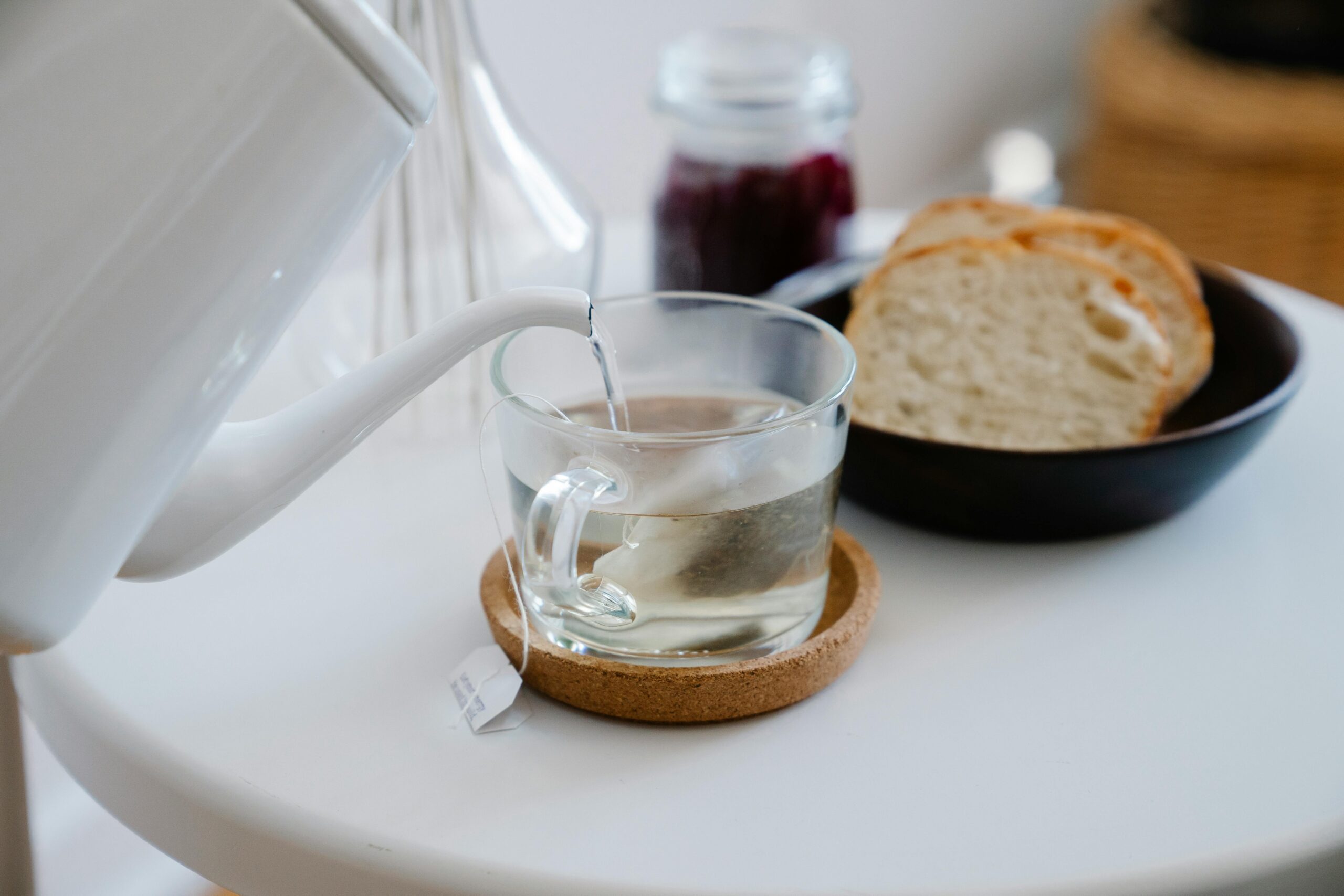
Tea enthusiasts have long understood that different varieties require specific water temperatures. Green tea demands cooler water (160-180°F) to prevent bitterness, while black tea thrives at full boiling point (212°F). This same principle extends throughout cooking.
When dissolving gelatin, water temperature must be precisely controlled. Too hot, and you denature the proteins; too cool, and they won’t dissolve properly. The sweet spot—around 130-140°F—allows gelatin to bloom perfectly, creating silky textures in desserts and aspics.
🎯 Water Quality: Filtering Your Way to Better Flavor
Municipal tap water often contains chlorine, chloramines, and other disinfectants that impart off-flavors to delicate dishes. A simple carbon filter removes these compounds, dramatically improving the taste of everything from rice to pasta water.
However, excessive filtration can strip beneficial minerals that contribute to flavor complexity. Reverse osmosis systems, while producing extremely pure water, create a blank canvas that sometimes tastes flat. Strategic remineralization—adding back specific minerals—allows you to customize water for different culinary purposes.
Distilled water, completely devoid of minerals, has its place in specific applications. When making clear ice for cocktails, distilled water freezes with exceptional clarity. For molecular gastronomy techniques involving precise chemical reactions, mineral-free water eliminates unpredictable variables.
🍝 Pasta Water: The Secret Weapon in Italian Kitchens
Italian grandmothers have always insisted on salting pasta water “until it tastes like the sea,” and science supports this wisdom. Properly salted water (about 1-2% salt concentration) seasons pasta from within, creating depth impossible to achieve by adding salt afterward.
The starchy pasta water left after cooking becomes liquid gold for sauce making. This cloudy, mineralized water contains dissolved starches that act as natural emulsifiers, binding oil and water-based sauce components into silky, cohesive sauces that cling perfectly to noodles.
The ratio matters tremendously. Using too little water causes pasta to release concentrated starches, resulting in gummy textures. The Italian standard—four to six quarts per pound of pasta—provides enough water volume to dilute starches while maintaining enough to reserve for sauce building.
Beyond Pasta: Starchy Water Applications
Potato water, bean cooking liquid, and rice water all possess similar emulsifying properties. These mineral-rich, starchy liquids can replace or supplement stock in soups, provide body to sauces, and even serve as the base for fermented beverages and skincare products.
☕ Brewing Perfection: Water’s Role in Coffee and Tea
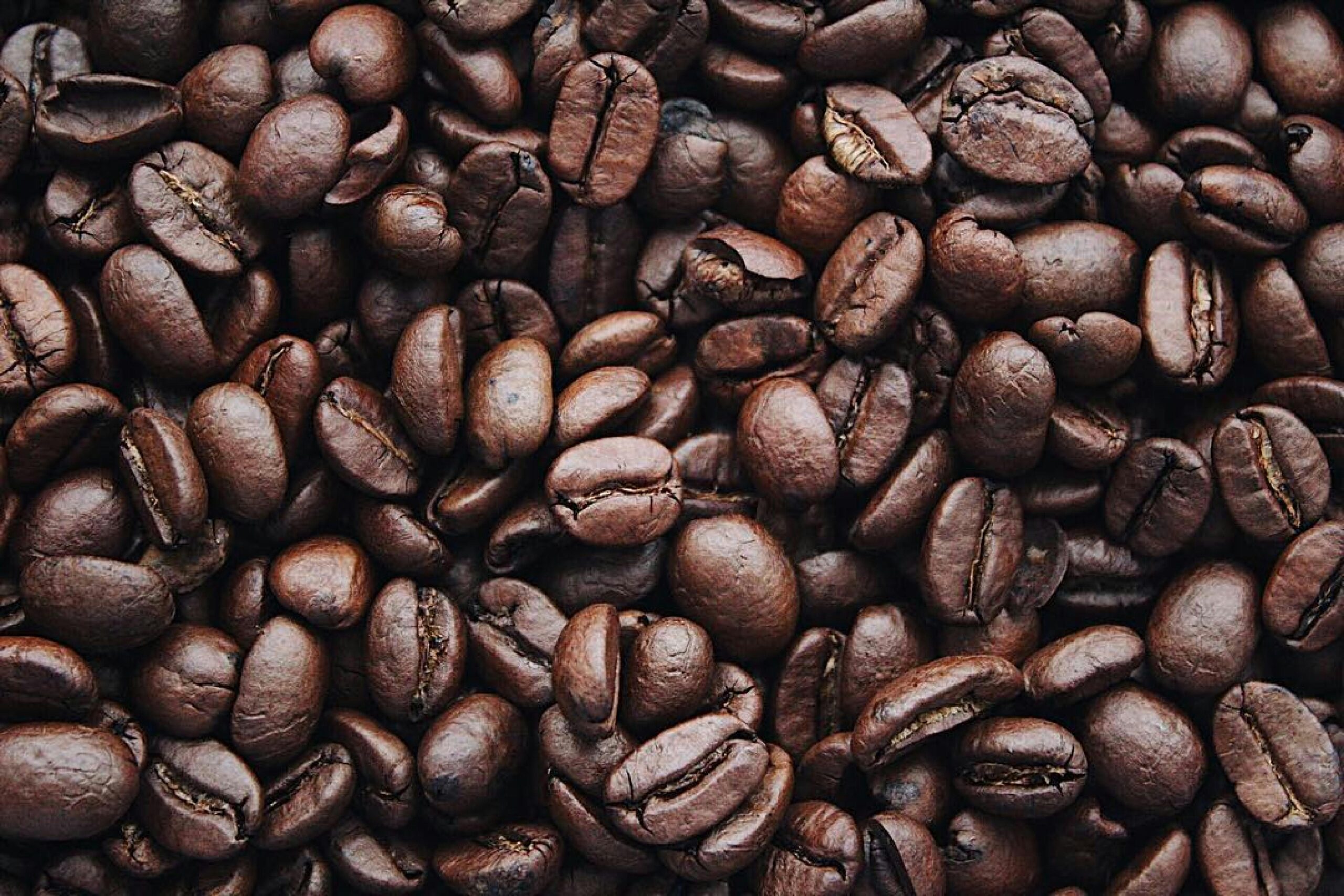
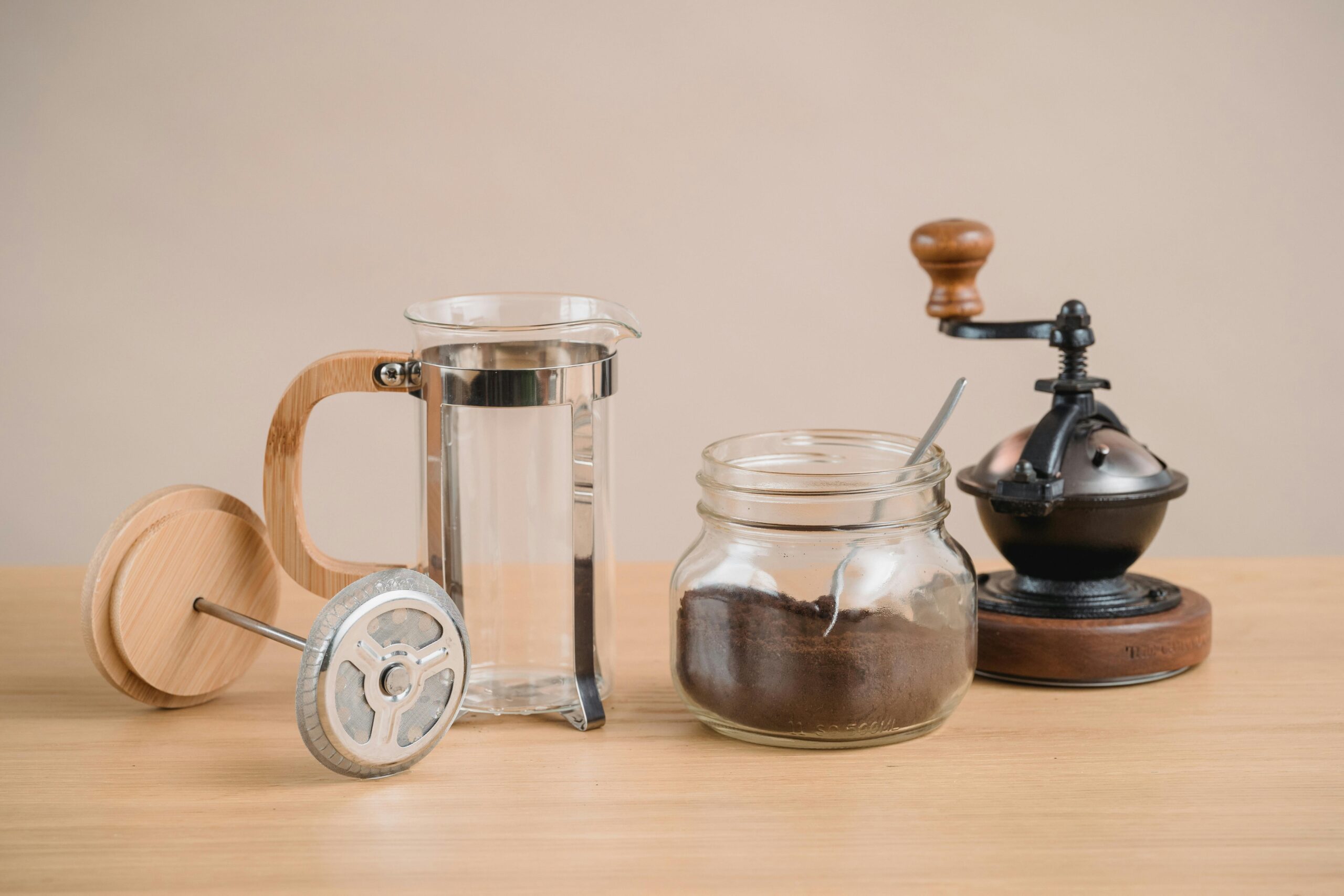
Coffee professionals obsess over water composition because it extracts and dissolves flavor compounds from beans. The Specialty Coffee Association recommends water with 150 ppm total dissolved solids, with specific targets for calcium, magnesium, and alkalinity.
Magnesium enhances extraction of fruity, acidic notes, while calcium brings out creamier, chocolatey flavors. By adjusting mineral content, you can emphasize different characteristics in the same coffee beans, essentially creating multiple flavor profiles from identical roasts.
Tea brewing requires equally precise water considerations. The tannins and catechins in tea leaves interact differently with various mineral compositions. Hard water often produces a film on tea surfaces and mutes delicate flavors, while appropriately soft water allows subtle aromatics to shine.
🥖 Baking Science: How Water Transforms Dough
In bread making, water activates gluten formation, dissolves yeast and salt, and determines final texture. The hydration ratio—the percentage of water relative to flour—is perhaps the most critical variable in bread formulas.
Lower hydration doughs (50-60%) produce dense, tight crumbs perfect for bagels and pretzels. Higher hydration (75-85%) creates the open, irregular crumb structure characteristic of artisan breads like ciabatta and focaccia. Mastering hydration allows bakers to engineer specific textural outcomes.
Water temperature also controls fermentation speed. Cooler water slows yeast activity, allowing longer flavor development—essential for complex sourdoughs. Warmer water accelerates rising, convenient for quick breads but potentially sacrificing flavor depth.
The Autolyse Technique
Professional bakers employ autolyse—a rest period where flour and water mix before adding salt and yeast. This technique allows flour to fully hydrate, enzymes to begin breaking down starches, and gluten to develop naturally without mechanical mixing. The result is more extensible dough, better flavor, and improved texture.
🍲 Blanching and Shocking: Temperature Contrast Mastery
The blanch-and-shock method demonstrates how strategic water temperature changes preserve color, texture, and nutrients. Plunging vegetables into boiling water denatures enzymes that cause discoloration and nutrient loss, while immediate ice bath immersion halts cooking precisely.
This technique works because rapid temperature changes don’t give vegetables time to become waterlogged. The brief exposure to extreme heat cooks just the outer layers, while the ice bath sets color and maintains crispness. The result is restaurant-quality vegetables with vibrant colors and perfect texture.
The salinity of blanching water matters too. Adding salt (about 2% concentration) seasons vegetables internally while slightly raising the boiling point, allowing faster cooking that better preserves nutrients.
🥩 Brining and Marinating: Water as Flavor Carrier
Brines use water as a vehicle to carry salt and flavor compounds deep into meat tissues. Through osmosis and diffusion, salt water disrupts protein structures, allowing them to retain more moisture during cooking while becoming thoroughly seasoned.
Wet brines typically use 5-8% salt solutions, with aromatics, sugars, and acids added for complexity. The water component is crucial—it provides the medium through which molecules travel into meat. Using filtered, mineral-balanced water ensures clean flavors without chlorine interference.
Dry brining, while technically not involving added water, works by drawing moisture from meat surfaces, dissolving salt, then reabsorbing this concentrated brine. Understanding this water movement allows cooks to control texture and flavor penetration precisely.
🍚 Rice and Grain Cooking: Ratios That Matter
Different rice varieties require specific water-to-grain ratios based on their starch composition and processing. Long-grain white rice typically uses 1.5:1 water to rice, while short-grain sushi rice needs closer to 1.25:1 to achieve proper stickiness.
Brown rice, with its intact bran layer, requires more water and longer cooking (around 2:1 ratio) because the outer layers slow water absorption. Understanding these ratios prevents mushy overcooked grains or crunchy undercooked disappointments.
The washing ritual before cooking rice isn’t just tradition—it removes surface starches that cause excessive stickiness and gumminess. The number of rinses and water clarity achieved directly impacts final texture, particularly important for dishes where distinct grain separation matters.
🧊 Ice: Frozen Water’s Culinary Applications
Ice isn’t merely frozen water—it’s a textural element and temperature control tool. Crystal-clear ice made from directionally frozen distilled water melts slower, diluting cocktails less while maintaining optimal temperature longer.
In molecular gastronomy, flash-freezing with liquid nitrogen creates microscopic ice crystals that preserve cellular structure in fruits and vegetables. Traditional slow freezing forms large crystals that rupture cell walls, resulting in mushy textures upon thawing.
Crushed ice versus block ice changes drink dynamics entirely. Crushed ice provides more surface area for rapid chilling but faster dilution—perfect for juleps and swizzles. Large format ice spheres or cubes offer slow, controlled dilution for spirit-forward cocktails where gradual opening of flavors is desired.
💡 Practical Water Tweaking Strategies for Home Cooks
Implementing water consciousness doesn’t require expensive equipment or complicated procedures. Start by understanding your tap water’s characteristics—many municipal water authorities provide detailed quality reports online showing mineral content and pH levels.
Invest in a simple carbon filter pitcher or faucet attachment to remove chlorine and chloramines. For brewing applications, consider remineralization packets that allow you to create custom water profiles matched to specific coffee beans or tea varieties.
Keep a kitchen thermometer handy to verify water temperatures rather than guessing. The difference between 180°F and 212°F dramatically affects outcomes in tea, coffee, and delicate cooking applications. Precision here costs nothing but attention.
Building Your Water Toolkit
- Instant-read thermometer for temperature verification
- Basic water hardness test strips to know your baseline
- Carbon filter system for chlorine removal
- pH test strips for monitoring water acidity
- Ice cube trays in various sizes for different applications
- Spray bottles for controlled water application in baking
🌍 Regional Water Profiles and Their Culinary Influence
Traditional cuisines evolved partly in response to local water characteristics. Neapolitan pizza dough developed using the specific mineral profile of volcanic-filtered water from the region. Bagels became a New York icon partly because the city’s soft water created ideal conditions for their characteristic texture.
Understanding these relationships allows cooks to either replicate traditional outcomes by matching water profiles or intentionally diverge to create new interpretations. Japanese ramen shops famously adjust their water to match specific regional styles, demonstrating how water manipulation enables authentic geographical flavor replication.
Hard water regions developed brewing traditions favoring robust, bitter beers where mineral content enhanced hop character. Soft water areas produced lighter, more delicate beer styles where subtle malt flavors could express themselves without mineral interference.
🔬 Advanced Techniques: Precision Water Manipulation
Professional kitchens increasingly employ water purification and remineralization systems that allow complete control over water composition. Reverse osmosis removes all minerals, then calculated amounts of specific salts are added back to create custom profiles for different applications.
Sous vide cooking represents another frontier in water temperature precision. Maintaining exact temperatures within one degree enables texture control impossible with traditional methods. A steak cooked at 129°F develops completely different characteristics than one at 135°F—subtle differences that water’s thermal properties make achievable.
Hydrocolloid applications in modernist cooking depend on precise water qualities. Agar, carrageenan, and other gelling agents respond differently to varying mineral contents and pH levels. Understanding these relationships allows chefs to engineer specific textures reliably.
🎨 Creating Your Personal Water Strategy
Mastering water’s role in cooking means developing situational awareness about when water quality matters intensely versus when it’s relatively unimportant. A heavily spiced curry might mask water imperfections that would ruin delicate green tea.
Start experimenting systematically—make the same recipe with different water types and temperatures, noting differences. Brew coffee with filtered versus unfiltered water. Cook pasta in heavily salted versus lightly salted water. These direct comparisons build intuition about water’s effects.
Document your findings. Keep notes about which water adjustments improved specific dishes. Over time, you’ll develop personalized water strategies optimized for your local conditions, equipment, and taste preferences.
Water tweaking represents one of cooking’s most accessible yet profound opportunities for improvement. Unlike expensive ingredients or specialized equipment, understanding water costs nothing but attention. The payoff—elevated flavors, improved textures, and consistent results—transforms everyday cooking into culinary mastery. By viewing water not as a passive ingredient but as an active flavor architect, you unlock dimensions of taste that separate good cooking from exceptional cuisine. 🌟